

3 weeks ago
Lake Mead at historic lows as Colorado River crisis worsens

Lake Mead is the biggest lake the United States uses to save extra water.
It sits behind the Hoover Dam, near the city of Las Vegas.
Right now, Lake Mead is lower than it has been in almost 90 years.
That is a problem because the lake gives water to about 30 million people.
The water in Lake Mead comes from the Colorado River.
The river gets most of its water from snow that melts in the Rocky Mountains.
This past winter, there was very little snow, so less water flowed into the rivers and lakes.
People have also been using a lot of water, and the hot weather has made the drought worse.
The states cannot agree on how to share the smaller amount of water, so the federal government wants them to use less.
Officials even decided to keep water in another lake, Lake Powell, to protect a small fish called the humpback chub.

Lake Mead, the largest US reservoir, fell to 1,040.4 feet above sea level on August 7, its lowest level since being filled nearly 90 years ago.
The Colorado River Basin recorded its worst snowpack on record this past winter, reducing the water flowing into the river and its reservoirs.
About 30 million people, or three-quarters of the Colorado River Basin's population, are directly affected by risks to Lake Mead, according to JB Hamby of the Colorado River Board of California.
The seven basin states have failed to reach a long-term water-sharing agreement, prompting a federal short-term plan that would cut water use in Arizona, California and Nevada.
Federal officials declined to release cool water from Lake Powell through Glen Canyon Dam to protect the threatened humpback chub, while balancing hydropower needs.
- Who
- About 30 million people directly affected by risks to Lake Mead; about 40 million people supplied by the Colorado River across seven US states, tribal nations and Mexico; federal officials, the Bureau of Reclamation and state water authorities.
- What
- Lake Mead, the largest reservoir in the United States, fell to its lowest water level since it was filled nearly 90 years ago, reaching 1,040.4 feet above sea level.
- Where
- Lake Mead is behind Hoover Dam on the Arizona-Nevada border near Las Vegas, within the Colorado River Basin in the western United States.
- When
- Friday, August 7, just below the previous record low set on July 28, 2022.
- Why
- Prolonged drought, record-low winter snowpack in the Rocky Mountains, rising temperatures and years of heavy water use have steadily reduced the water stored in Lake Mead and Lake Powell.
Conservation and fish protection
Water supply and hydropower
Releasing water from Lake Powell
Conservation and fish protection
Keep water in Lake Powell to protect the threatened humpback chub, a native fish whose habitat lies between the two reservoirs.
Water supply and hydropower
Release water to maintain the Colorado River system's ability to generate hydropower while managing increasingly scarce water supplies.
How to divide the dwindling water supply
Conservation and fish protection
The seven basin states should reach their own negotiated long-term agreement on sharing the shrinking Colorado River supply.
Water supply and hydropower
The federal government steps in with a short-term plan requiring Arizona, California and Nevada to cut water use, with deeper cuts possible during dry periods.
Key facts
- Record low water level
- 1,040.4 feet (317.1 metres) above sea level
- Previous record low
- July 28, 2022
- Population supplied by Colorado River
- About 40 million people across seven US states, tribal nations and Mexico
- Population directly affected by Lake Mead risks
- About 30 million people (three-quarters of the Colorado River Basin's population)
- Seven basin states
- California, Colorado, Arizona, Nevada, New Mexico, Wyoming and Utah
- Lower Basin states facing proposed cuts
- Arizona, California and Nevada
- Reservoir decline records
- Lake Mead and Lake Powell at lowest levels in nearly seven decades; 9 of 54 monitored Western reservoirs at three-decade lows
- Dam holding Lake Powell
- Glen Canyon Dam in northern Arizona
Quotes
JB Hamby
Chairman of the Colorado River Board of California
“JB Hamby, chairman of the Colorado River Board of California, called the situation “extremely significant and extremely concerning.””
 livemint.com
Sources
Related news
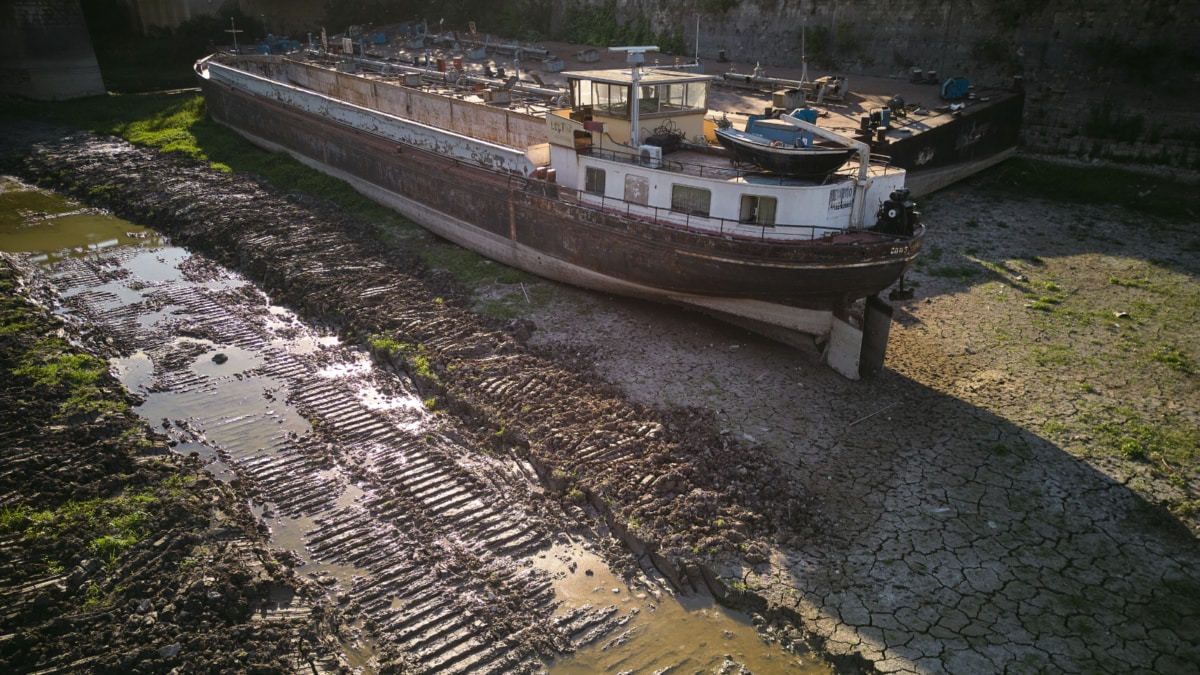
Europe’s Drying Rivers and America’s Reservoirs Signal Water Crisis
Water Crisis Looms as Manjara Reservoir Falls to 16% Storage

Tamil Nadu reservoir storage falls to 37% amid weak monsoon
Hydro reservoir levels hit lowest since 2023 on El Niño
Srisailam Power Generation Drawal Raises Drinking Water Concerns
