3 weeks ago
World's seas hottest July on record as Europe faces heatwaves

This summer, the weather in Europe got extremely hot.
Scientists who watch the Earth's climate said the seas were warmer in July than ever before.
Western Europe had its hottest June and July ever recorded, and Austria and Slovakia saw their all-time temperature records broken.
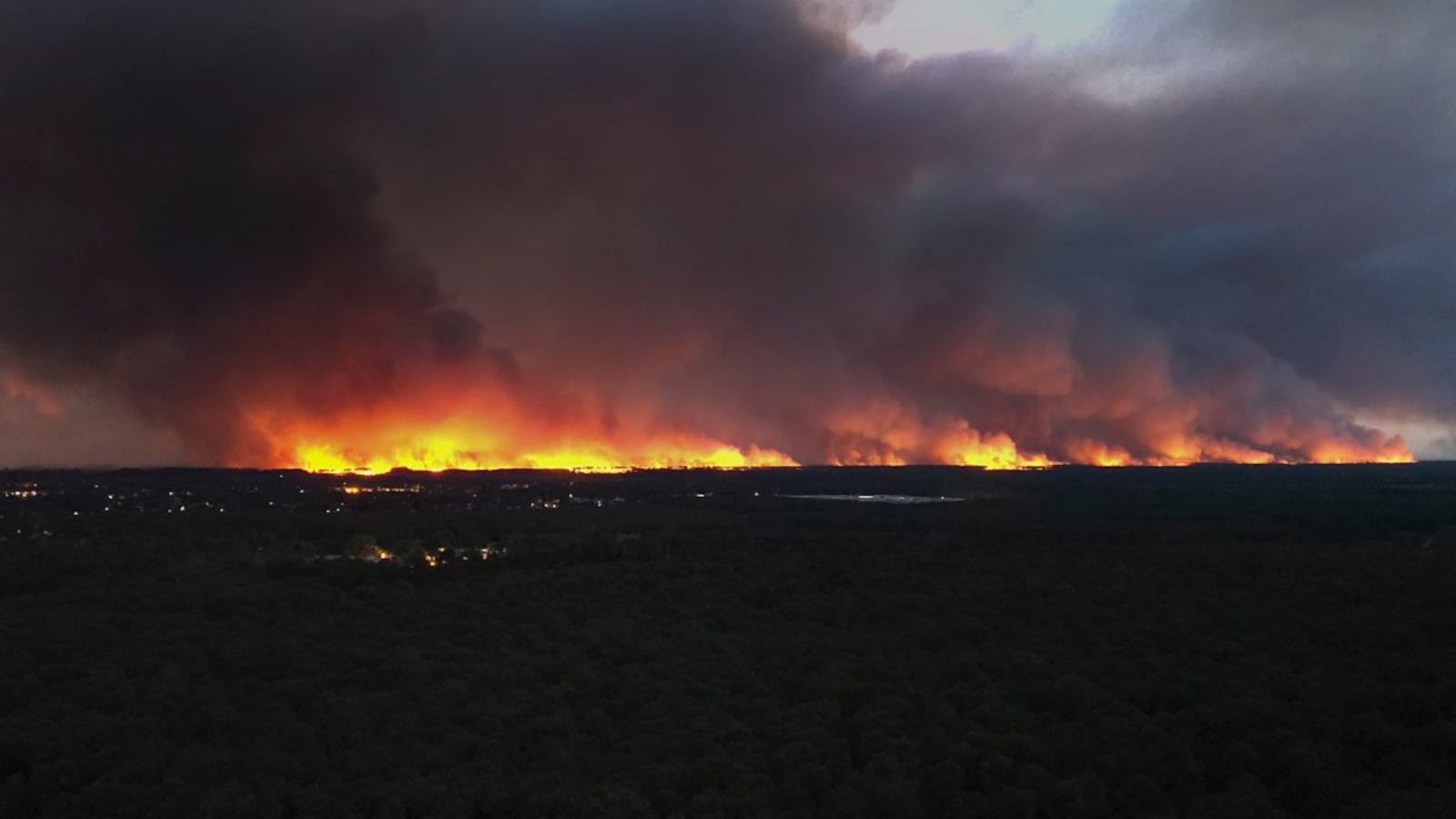
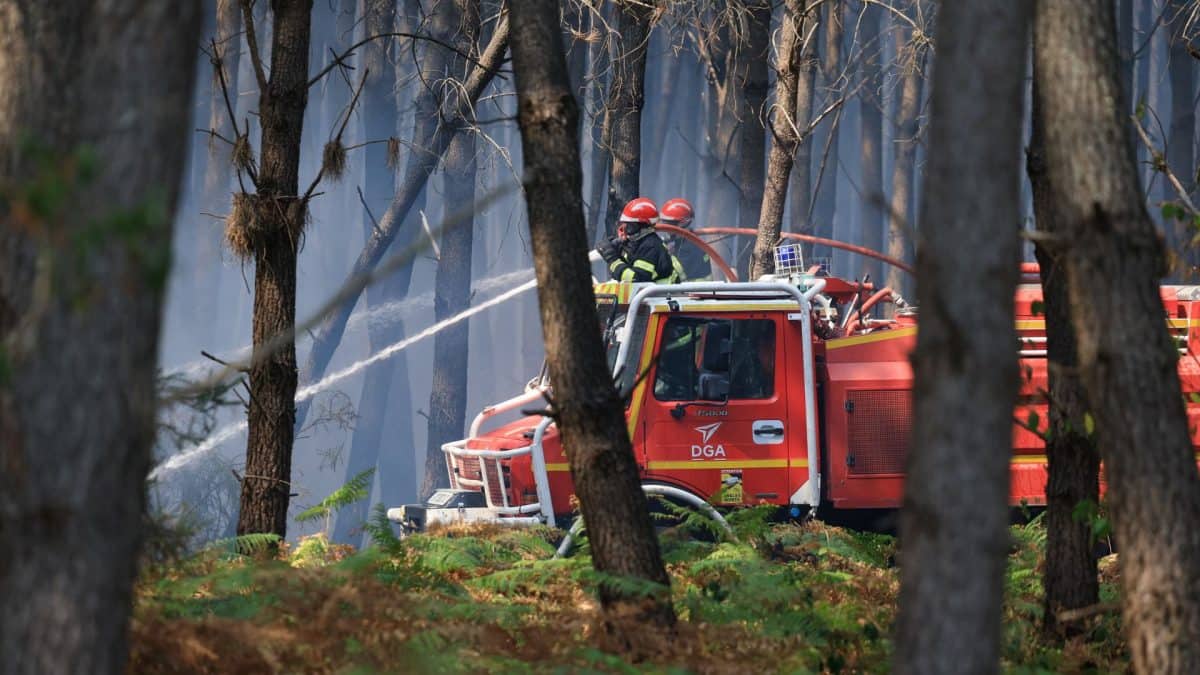
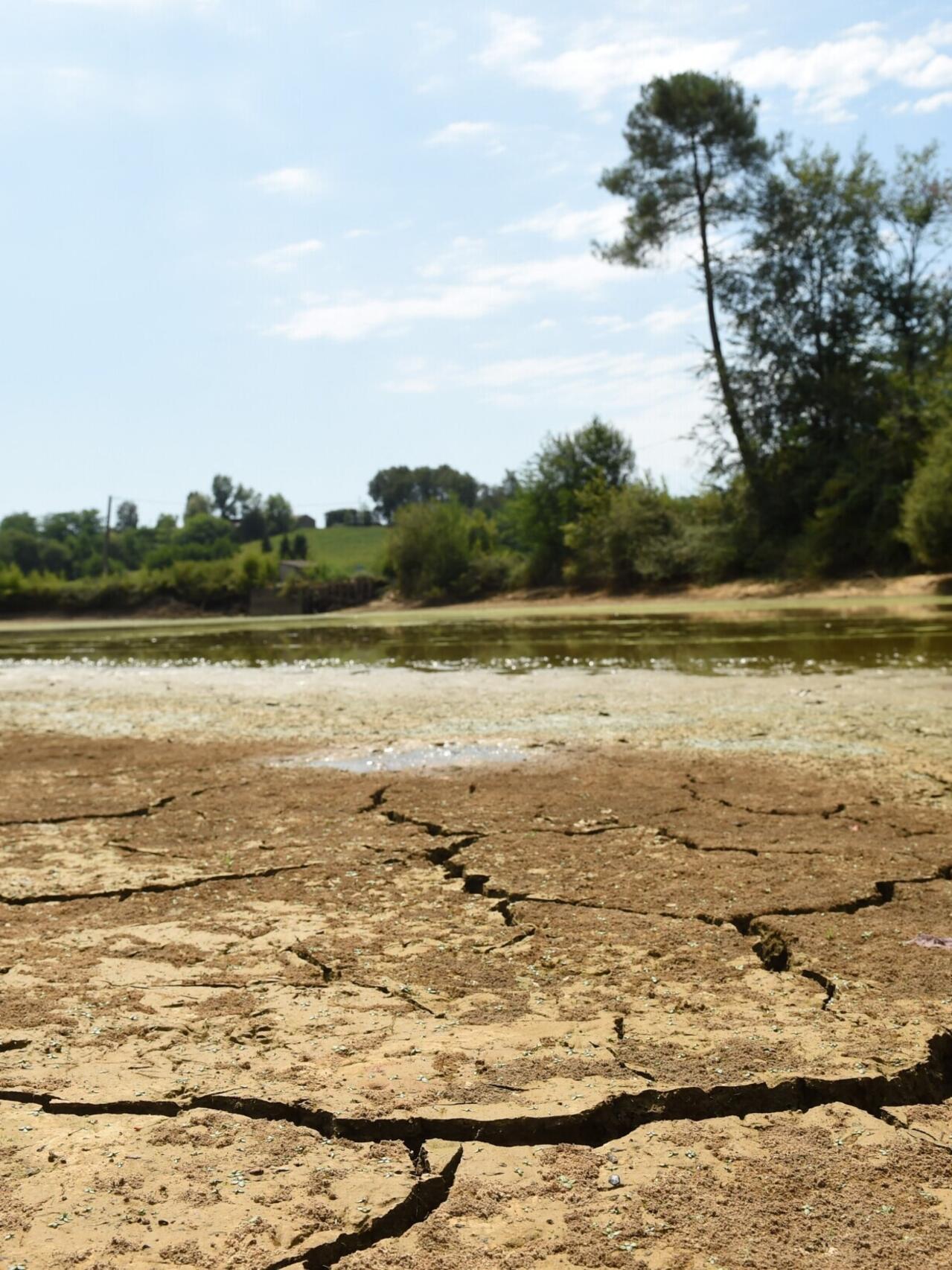
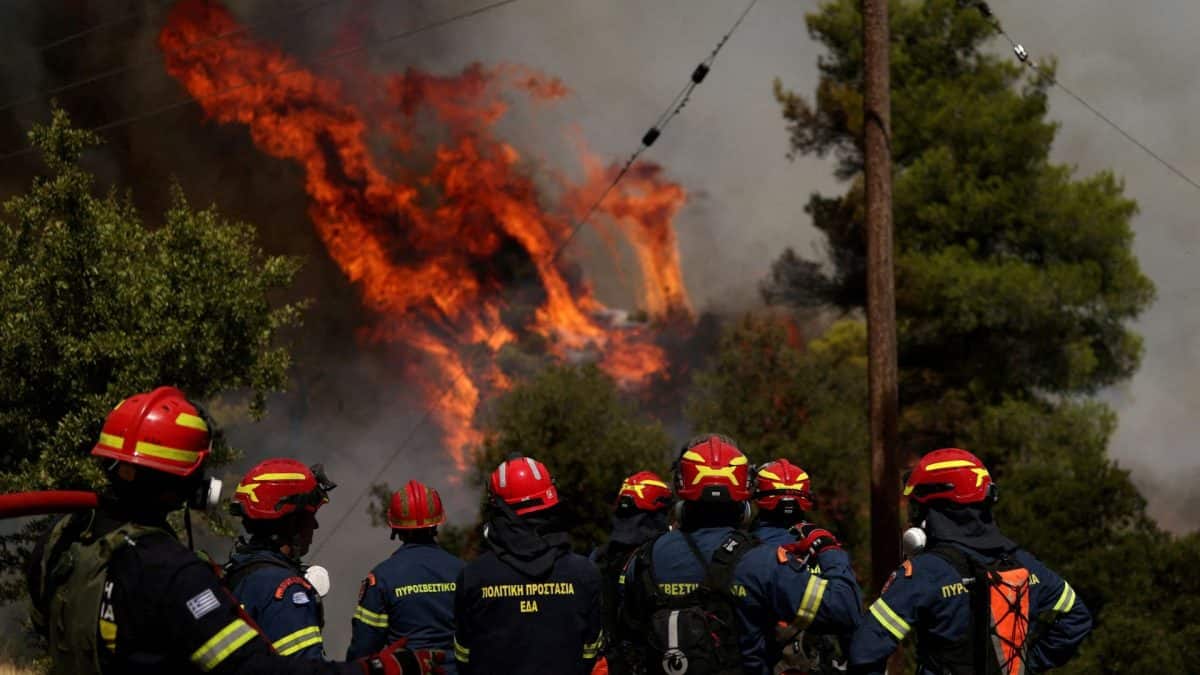
The heat dried up the soil and helped start big wildfires in forests.
Rivers got low, so some power plants in Poland and Hungary had to close for a while.
The heat also made many people sick, and scientists think more than 10,000 people died because of the very hot weather at the end of June.
Farmers lost a lot of money when their grain dried up.
Scientists say this is happening because of climate change caused by burning fossil fuels like coal and oil.
They warn that these hot summers could become normal unless we take care of the planet and prepare for the heat.

The world's seas recorded their highest temperatures for any July, with severe marine heatwaves affecting European waters, according to the EU's Copernicus Climate Change Service.
Western Europe experienced its hottest June-July period on record, 2.79C above average, with national temperature records falling in Austria and Slovakia.
Severe heat at the end of June is expected to have caused more than 10,000 deaths.
Drought disrupted water supplies, farming and power generation, forcing two Polish coal-fired plants to shut and closing Hungary's only nuclear plant for the first time in 44 years.
About half a million hectares have burned across the European Union since the start of the year, with scientists linking the extremes to climate change and fossil fuel pollution.
- Who
- The EU's Copernicus Climate Change Service and other scientists documented the records, while residents of western and central Europe experienced the heat.
- What
- Record ocean temperatures, western Europe's hottest June-July on record, severe marine heatwaves, drought and wildfires.
- Where
- The Atlantic coast and western Mediterranean, western and central Europe (including Austria and Slovakia), and across the European Union.
- When
- June-July 2026, with July 2026 the hottest ever recorded for the world's seas; findings reported in early August 2026.
- Why
- Persistent high-pressure systems trapped heat over western Europe, with climate change and fossil fuel pollution amplifying the extremes.
Key facts
- Hottest July seas
- Highest sea surface temperatures for any July on record, including along the Atlantic coast and western Mediterranean
- June-July temperature anomaly
- 2.79C above average for western Europe, beating the previous record set four years ago
- July air temperature ranking
- Only 0.01C cooler than July 2024; joint-second warmest July on record
- Estimated heat-related deaths
- More than 10,000 from severe heat at the end of June
- Grain crop losses
- €2 billion estimated from June heat
- 2015-18 mega-drought cost
- €439 billion for Europe, per a CMCC-led study
- Area burned in EU in 2026
- About half a million hectares
- Power plant closures
- Two coal-fired plants shut in Poland; Hungary's only nuclear plant closed for the first time in its 44-year history
Quotes
Marta Mastropietro
Researcher at CMCC and the Polytechnic University of Milan
“Even a single dry year causes real economic damage, but a persistent drought is different: its effects can compound across sectors and keep accumulating for years afterward.”
 freepressjournal.in
“As soils dry out, they lose their ability to provide natural cooling, allowing heat to build more readily.”
freepressjournal.in
Víctor Resco de Dios
Professor of forestry engineering at the University of Lleida
“Climate change is creating increasingly favourable conditions for the development of mega-wildfires. The good news is that through vegetation management and urban planning we can largely mitigate the problem.”
freepressjournal.in
Sources
Related news
Europe's 2026 summer: burning, drying out, struggling to adapt

Climate Change's Hard Reality Hits Europe's Economy This Summer
Europe's Economy Feels Climate Change's Costly Summer Heat

France Braces for Fifth Heatwave as Europe Sets Temperature Records
Europe battles wildfires as record heat and drought fuel blazes

Europe’s Deadly Summer Heat Linked to Over 30,000 Deaths
Serbia’s Burned Dunes Prompt Debate Over Future Forests
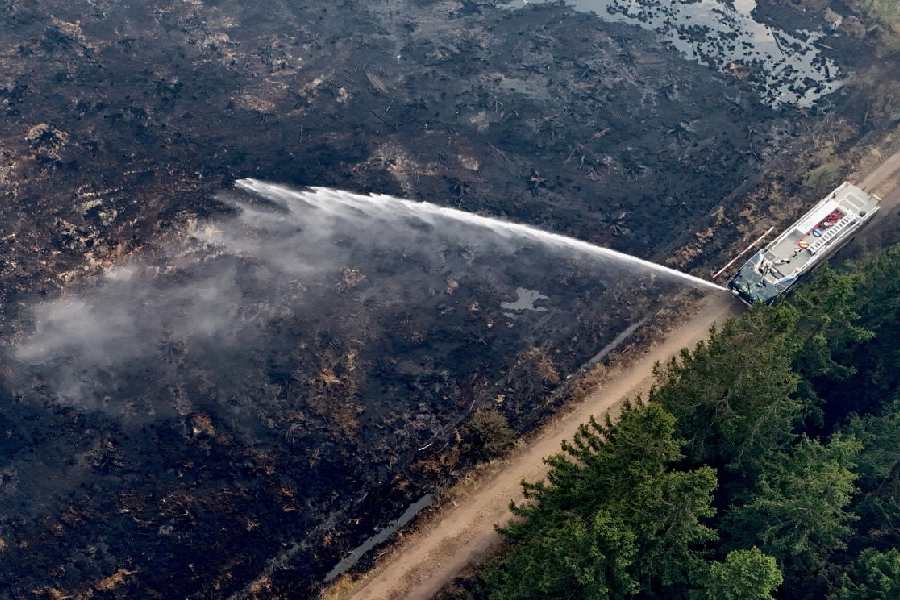
Belgium's biggest wildfire burns 3,000 hectares, advances toward German border

Belgium's largest wildfire burns High Fens, forces evacuations
Southern Spain wildfire worsens as wind gusts hamper firefighting