

1 hr ago
Europe's Bond Selloff Deepens as Middle East Tensions Lift Oil

Government bonds around the world became less attractive to investors, so their yields went up.
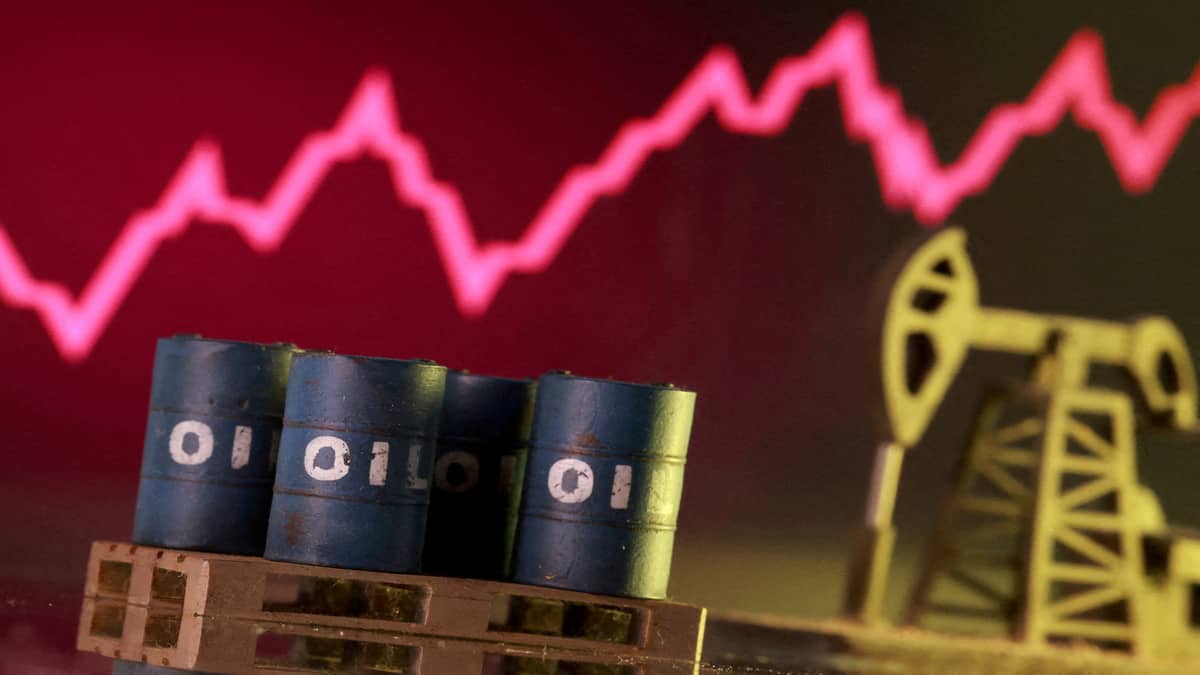
This happened after fighting between the United States and Iran pushed oil prices higher.
More expensive oil can make many goods and services cost more.
Investors therefore became more worried about inflation and possible interest-rate increases.
Yields reached especially high levels in Germany, the United Kingdom, the United States, and Japan.
The U.S. dollar also strengthened because it is viewed as a safe currency and the United States exports oil.
Analysts said bond markets were still working normally, rather than showing panic.
However, they warned that high borrowing costs and large government debt supplies could create concerns.
France's upcoming bond auction will be closely watched by investors.

European and U.S. government bond yields rose as renewed U.S.-Iran hostilities pushed oil prices higher.
Ten-year German Bund yields reached 3.381%, their highest level since 2011.
Ten-year U.K. gilt yields hit 5.268%, the highest since 2007.
Brent crude rose 1% to $95.62, while the dollar reached a nearly three-week high.
Markets priced a near 70% chance of a Federal Reserve rate increase on September 16.
- Who
- Investors, central banks, governments, and analysts including Christian Hantel and Allianz Research.
- What
- A global government-bond selloff intensified, lifting yields as oil prices and interest-rate expectations rose.
- Where
- Bond markets in Europe, the United States, Japan, and other global markets.
- When
- On Wednesday, following renewed hostilities on Tuesday; France's bond auction is scheduled for Thursday, and the Federal Reserve meeting is set for September 16.
- Why
- Renewed U.S.-Iran tensions, higher energy costs, inflation concerns, possible Federal Reserve tightening, fiscal risks, and abundant bond supply weighed on markets.
Inflation and Debt Concerns
Market Stability Assessment
Interest rates and bond yields
Inflation and Debt Concerns
Higher oil and energy prices could increase inflation, strengthening expectations for central-bank rate increases and keeping yields elevated for longer.
Market Stability Assessment
Analysts said the bond-market moves did not indicate panic and that markets were functioning properly.
Government borrowing risks
Inflation and Debt Concerns
Elevated interest rates, fiscal risks, and abundant bond issuance are raising concerns about debt sustainability and investor demand.
Market Stability Assessment
Bond markets still showed healthy indicators, including functioning bid-ask spreads and auction demand.
Key facts
- Brent crude
- Rose 1% to $95.62.
- German 10-year Bund yield
- Reached 3.381%, its highest level since 2011.
- U.K. 10-year gilt yield
- Reached 5.268%, its highest level since 2007.
- U.S. 10-year Treasury yield
- Rose to 4.812%, its highest level since November 2023.
- Fed rate-hike probability
- U.S. money markets priced a near 70% probability of a rate increase at the September 16 meeting.
- Eurozone September issuance
- UniCredit forecasts €120 billion in gross government-bond issuance, with €86 billion in redemptions.
- France-Germany spread
- The 10-year French OAT-German Bund spread reached 91 basis points before retreating to 87 basis points.
Quotes
Christian Hantel
Portfolio manager at Vontobel
“Now we are likely to live with higher yields for longer.”
 livemint.com
Allianz Research analysts
Analysts at Allianz Research
“Bond markets are still functioning well according to bid-ask spreads or auction demand, but elevated rate levels are rightfully raising debt sustainability concerns.”
livemint.com
Sources
Related news
US-Iran truce expires as oil rises, bond yields climb

Global Bond Yields Stabilize Ahead of Fed Meeting Minutes

Global Bond Selloff Pushes US Treasury Yields Higher

Global Bond Selloff Deepens as Oil and Debt Fears Rise

Ikea cuts European prices as cost pressures weaken demand

China’s Rapid Car Development Faces Growing Safety Scrutiny

CNG Prices Rise Rs 2 per Kilogram in Pune

China Challenges US Leadership in Escalating Global AI Contest