3 weeks ago
Drought Grips Nearly Three-Quarters of England as Heat Looms
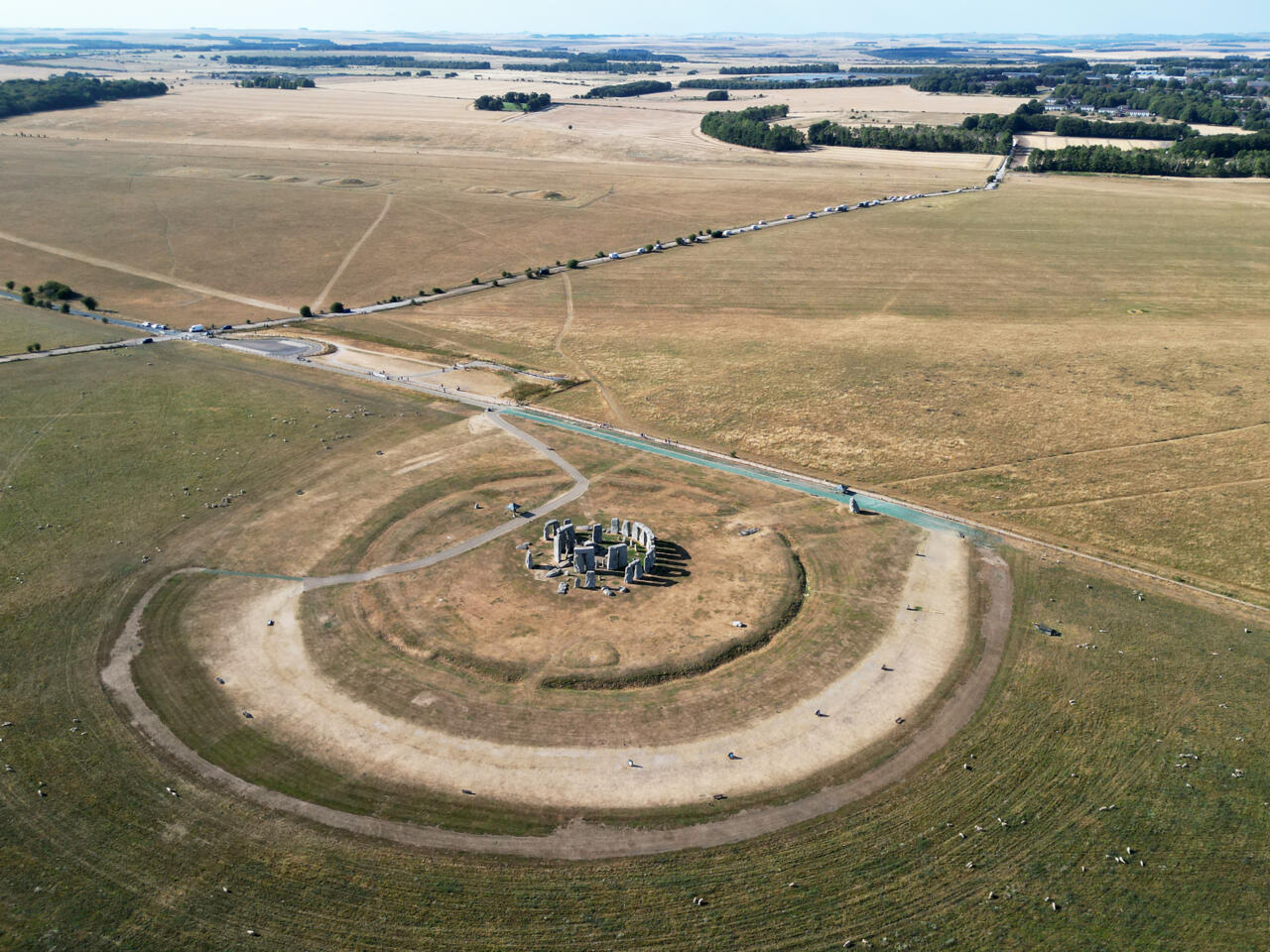
England is a country that usually gets lots of rain.
This summer, though, it rained much less than normal.
In fact, July was the driest month ever recorded there.
When a place has too little water for a long time, it is called a drought.
Right now, almost three out of every four parts of England are in a drought.
Rivers are getting low, and grass and parks are turning yellow.
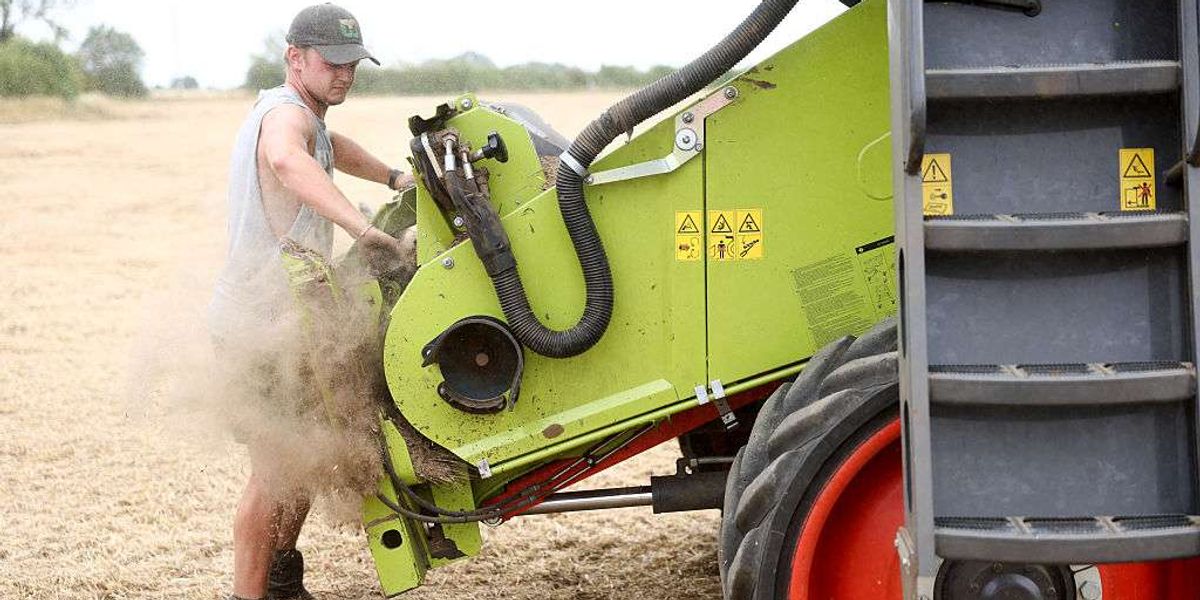
Farmers are worried because their crops need water, and without enough crops we might not have enough food.
In some places, people are asked not to use garden hoses so there is enough water for everyone.
Even hotter weather is coming, which could make things harder.
Scientists say this kind of weather is happening more often because of climate change.

The UK government declared 71.3 percent of England in drought on Monday, placing 45 million people in drought areas.
England and Wales recorded their driest July on record, with England receiving about 10 percent of its usual rainfall and some parts of southern England just 1 percent.
Most of England is in a fast-developing 'flash drought' caused by very low rainfall and high temperatures - the third drought Britain has experienced in five years.
More than 27 million people live under water-use restrictions, including hosepipe bans and irrigation limits, as farmers warn of low crop yields and possible food shortages.
Britain faces another heatwave with temperatures tipped to reach the mid-30s Celsius, and UK health authorities estimate 2,877 heat-related deaths this year.
Reports differ on some details: one source calls it the fifth heatwave of 2026 while another says the fourth, and figures for drought coverage at the end of July vary.
- Who
- The UK government, including DEFRA, the Environment Agency, and Water Minister Emma Hardy, along with the National Drought Group and the Met Office
- What
- Declared 71.3 percent of England in official drought after the driest July on record, with more than 27 million people under water-use restrictions; reports differ on whether this is the fourth or fifth heatwave of 2026
- Where
- England, including London, East Anglia, southwest England and the West Midlands, with Wales also affected
- When
- Announced Monday during summer 2026, following England and Wales' driest July on record
- Why
- Very low rainfall and high temperatures caused a fast-developing 'flash drought,' with scientists warning climate change is making extreme weather more intense and frequent
Water conservation
Farming and food supply
Water-use restrictions
Water conservation
Hosepipe bans and irrigation limits are necessary because water is being used faster than nature can replenish it, protecting public supplies, wildlife and the environment.
Farming and food supply
Farmers face low crop yields and warn of possible food shortages, needing support such as easier approval for building on-site irrigation reservoirs to keep producing food.
Key facts
- Drought coverage
- 71.3% of England
- People in drought areas
- 45 million
- People under water-use restrictions
- More than 27 million
- England July rainfall
- About 10% of average; ~1% in parts of southern England
- Droughts in five years
- Third
- Heatwaves in 2026 summer
- Fifth (one report says fourth)
- Forecast temperatures
- Mid-30s Celsius in some places
- Heat-related deaths in 2026
- Estimated 2,877 (UK health authorities)
Quotes
Helen Wakeham
Director of Water and chair of the National Drought Group
“We know how challenging this summer has been ... We are stepping up our support including working to make it easier for farmers to build more on-site irrigation reservoirs,”
 deccanchronicle.com
“We know the hot and dry weather is taking a real toll on farming and there will be long-lasting impacts on our environment.”
 NDTV
NDTV
Sources
Related news

UK PM Burnham announces £65m support for drought-hit farmers
UK hits 38.1°C, hottest 2026 day, amid European heatwave

Europe’s Scorching Summer Damages Farms and Raises Food Prices
UK Drought Threatens Food Security as Crop Yields Fall
Drought and heat fuel wildfires as UK firefighters face pressure
UK Issues Amber Heat Warning as Temperatures Set to Hit 38C