

3 weeks ago
Climate Change's Hard Reality Hits Europe's Economy This Summer

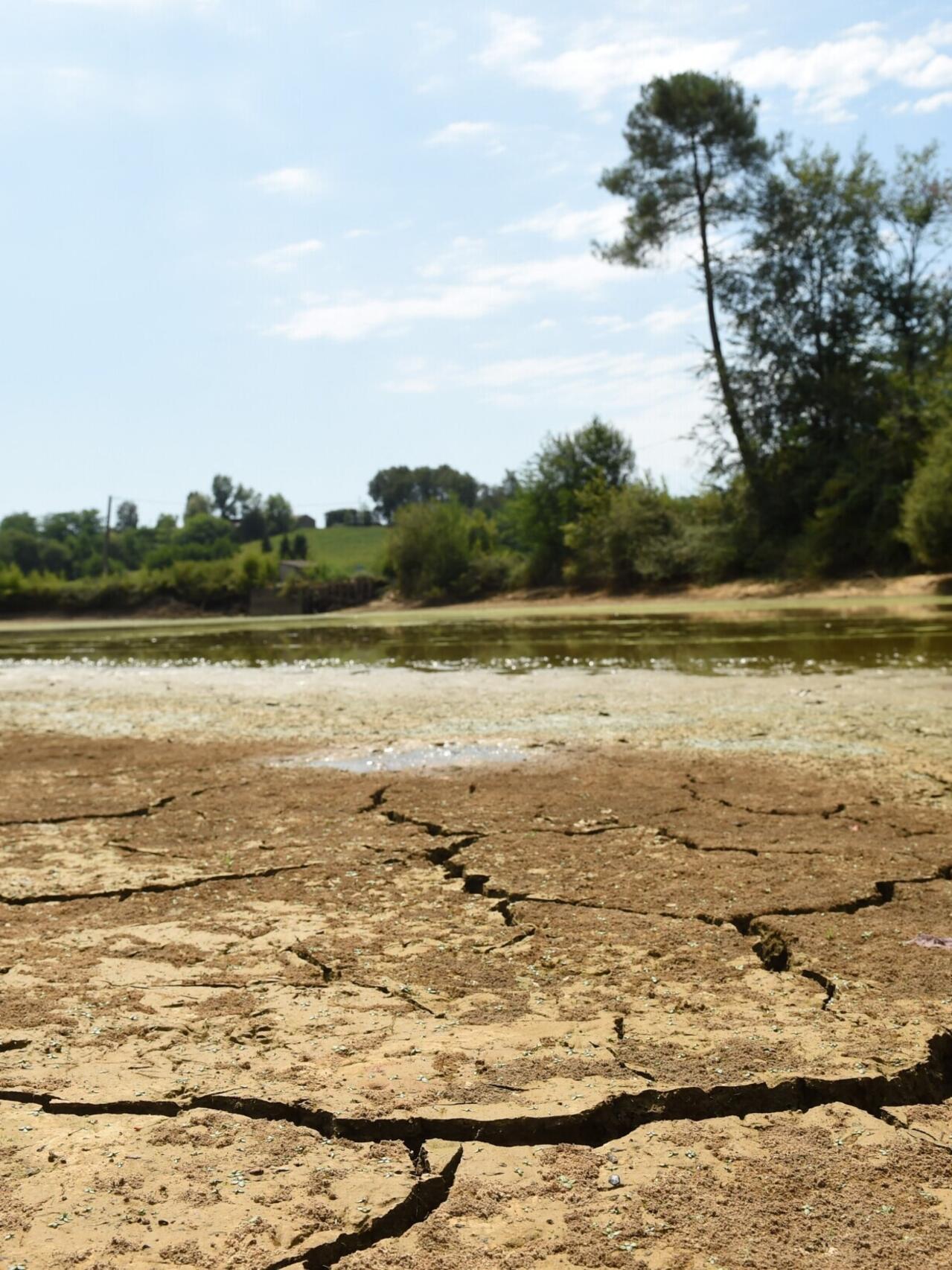
This summer, Europe got extremely hot, and the heat caused big problems.
Rivers like the Rhine and Danube became too low for ships to carry goods.
Some nuclear power plants had to stop or slow down because they could not get enough cool water.
Crops like maize and sunflowers did not grow well, so farmers lost part of their harvest.
The heat also made many people sick, and Germany alone reported more than 10,000 heat-related deaths.
Countries now have to spend lots of money fighting wildfires and fixing things that broke.
Experts say all this damage will cost Europe hundreds of billions of euros.
They warn this is only the beginning, because the Earth keeps getting warmer.
In the future, the cost of climate change may rise even faster than the temperatures.
That is why many people worry that summers may get harder and more expensive for everyone.

Record heat and droughts this summer caused economic damage across Europe measured in the hundreds of billions of euros.
Low water levels on the Rhine and Danube rivers severely limited cargo traffic, with ING estimating the Rhine halt cuts German GDP by 0.3 percentage points this year.
More than half a dozen nuclear generators shut or curtailed production due to cooling difficulties, and maize and sunflower harvests lost 6-7% already in July.
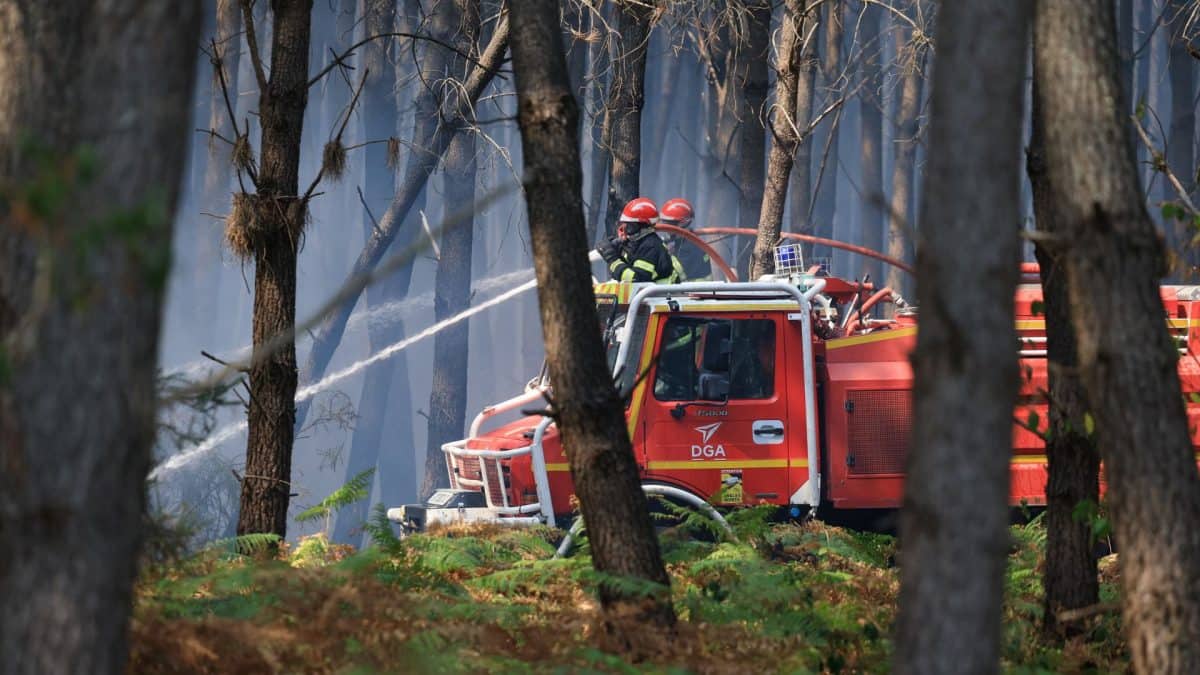
Germany reported more than 10,000 heat-related deaths, and this wildfire season is on track to be Europe's biggest ever.
Allianz estimates the two-week June heatwave cut Europe's GDP by 0.3 percentage points, with climate change set to shave 5-7% off growth by 2030 for Spain, France and Italy.
- Who
- Economists, academics, insurers like Allianz, the European Central Bank, and European governments and residents bearing the costs.
- What
- Record heatwaves and droughts caused hundreds of billions of euros in damage to Europe's economy, disrupting river shipping, nuclear power, agriculture, tourism and public health.
- Where
- Europe, with the Rhine and Danube rivers, Germany, Hungary and southern European countries like Spain, France and Italy most affected.
- When
- Summer of 2026, with record temperatures in June and July.
- Why
- Because climate change is warming Europe faster than any other continent, with heatwaves, droughts and wildfires happening at the same time and compounding their economic impact.
Key facts
- Estimated total damage
- Hundreds of billions of euros
- June heatwave GDP impact
- 0.3 percentage points of Europe's GDP (Allianz)
- Rhine shipping GDP impact
- 0.3 percentage points of German GDP (ING)
- Heat-related deaths in Germany
- More than 10,000
- Crop losses (maize, sunflower)
- 6-7% in July
- Euro zone growth forecast for 2026
- About 1%
- Growth loss by 2030 (Spain, France, Italy)
- 5-7% (Allianz)
- Nuclear generators affected
- More than half a dozen
Quotes
Sehrish Usman
University of Mannheim economist
““Take heatwaves, droughts, wildfires… these events are taking place at the same time and mostly in the same regions, compounding their impact.””
 theprint.in
Sources
Related news
Europe's Economy Feels Climate Change's Costly Summer Heat

World's seas hottest July on record as Europe faces heatwaves
Europe's 2026 summer: burning, drying out, struggling to adapt
Albania battles blazes, Hungary curbs power as Europe feels heat

Punishing European Drought Shrivels Crops, Hits Farmers Across Continent
Record heat in Austria, Hungary curbs power as Europe swelters
Ikea cuts European prices as cost pressures weaken demand

Europe's Bond Selloff Deepens as Middle East Tensions Lift Oil

China’s Rapid Car Development Faces Growing Safety Scrutiny
CNG Prices Rise Rs 2 per Kilogram in Pune

China Challenges US Leadership in Escalating Global AI Contest