1 week ago
Nepal Flood Raises India’s Concerns Over Upstream Water Risks
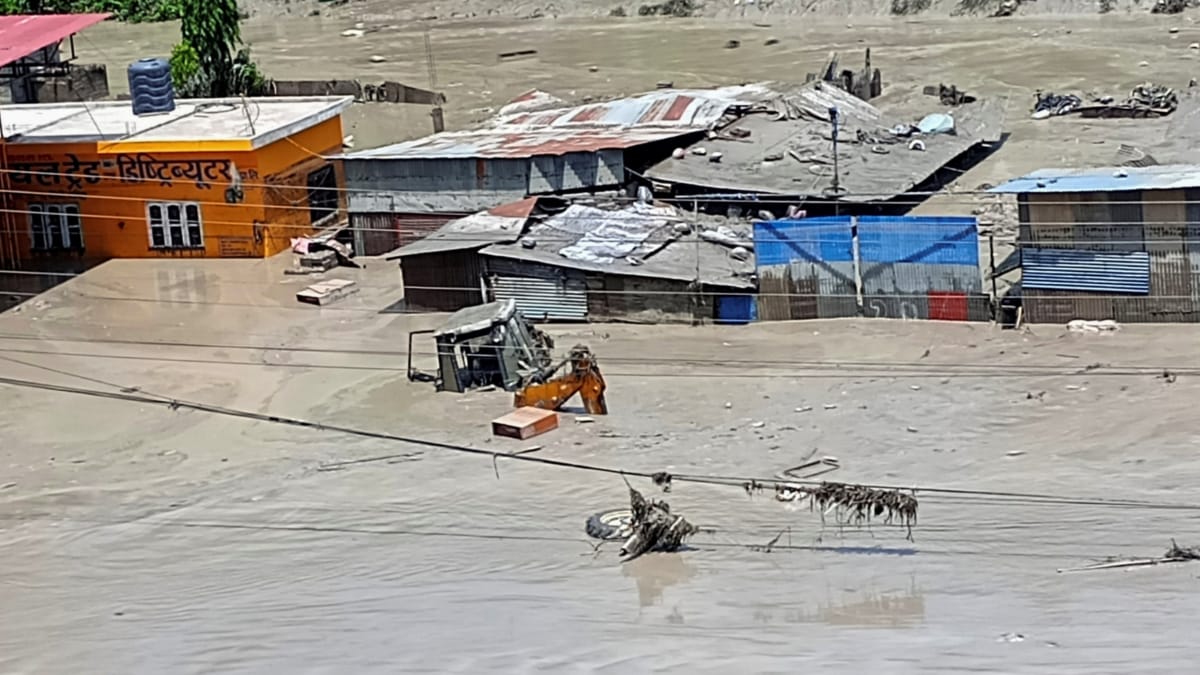
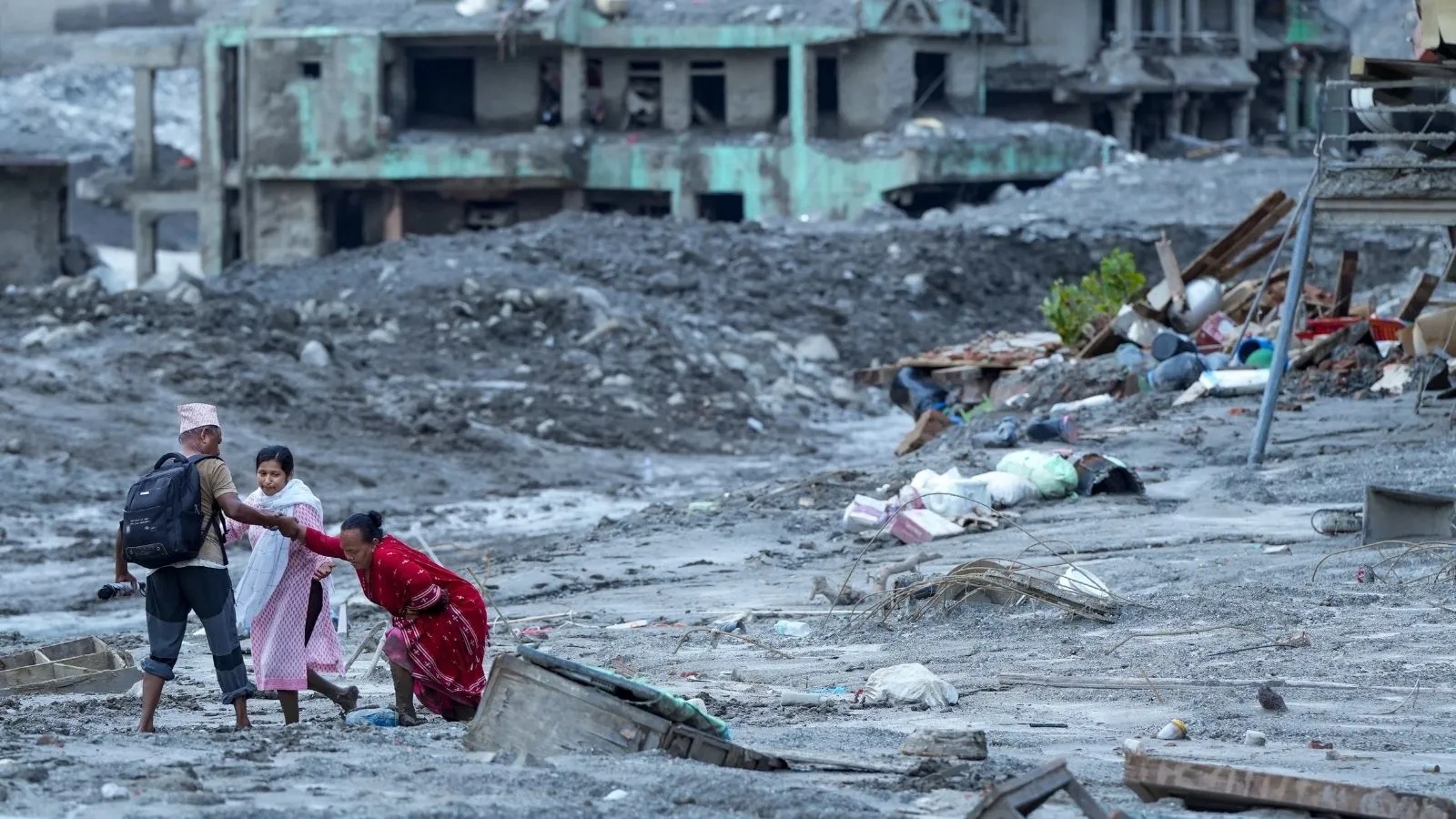
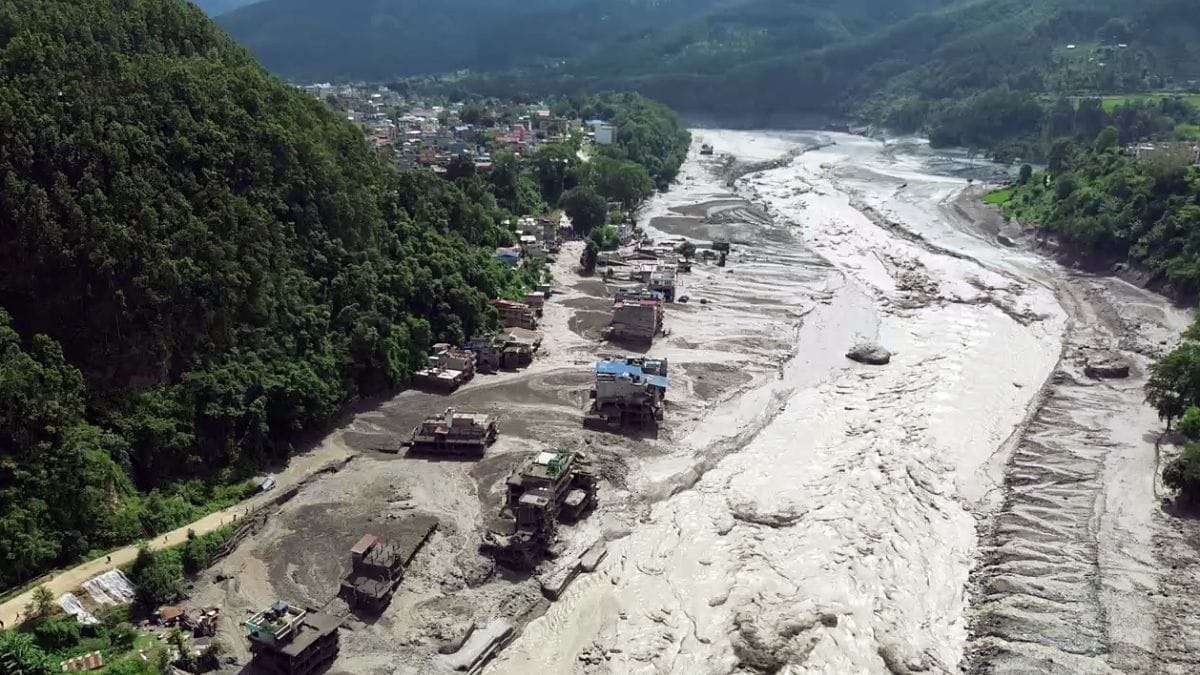
Heavy flooding hit parts of Nepal after water came through rivers that begin in Tibet.
Many hundreds of thousands of people in Nepal and Tibet reportedly lost their homes.
Several people, including Indian tourists, died.
Nobody knows the exact reason the flash flood happened.
Some people think an earthquake may have triggered it.
Anonymous Nepali journalists blamed construction in sensitive mountain areas, but there is no proof that China deliberately released water.
The rivers eventually flow toward India and the Ganga.
Because of this, Indian officials advised people in parts of Bihar to stay alert.
The article says India needs to prepare better for events that happen upstream in Nepal and China.

Flash floods originating in Tibet inundated parts of Nepal through the Trishuli-Bhote Koshi river system.
The floods reportedly displaced many hundreds of thousands of people in Nepal and Tibet and killed several people, including Indian tourists.
The exact cause remains unknown; speculation includes an earthquake and damage linked to construction near the China-Nepal border.
The river system flows into the Narayani/Gandak and ultimately the Ganga, prompting vigilance in several Bihar districts.
The opinion article says India faces broader water-security risks because it is downstream of Nepal and China and lacks a comprehensive water-sharing treaty with China.
- Who
- People in Nepal and Tibet were affected, while India, China and Nepal are involved in the downstream water-security concerns.
- What
- A flash flood originating in Tibet inundated Nepal and raised concerns about possible effects in India.
- Where
- The flooding affected Nepal, particularly areas near the Rasuwa, Nuwakot and Dhading districts; potential downstream effects concern Bihar and the Ganga basin.
- When
- The flooding and related advisories were reported on August 26, 2026.
- Why
- The Trishuli-Bhote Koshi river system flows into the Narayani/Gandak and then the Ganga, while India has limited visibility into upstream events and no comprehensive, binding water-sharing treaty with China.
Key facts
- Reported date
- August 26, 2026
- Flood origin
- The flash flood originated in the Trishuli-Bhote Koshi river system, which begins in Tibet.
- Reported impact
- Many hundreds of thousands of people in Nepal and Tibet lost their homes; several people died.
- Possible causes
- The exact cause is unknown; speculation includes an earthquake and construction-related ecological damage near the China-Nepal border.
- Downstream river path
- The river system feeds into the Narayani/Gandak and eventually the Ganga.
- Indian areas advised to remain vigilant
- West Champaran, East Champaran, Gopalganj, Saran and Vaishali in Bihar.
- Water-sharing concern
- The article says India and China lack a comprehensive, binding treaty covering the Brahmaputra and other major transboundary rivers.
Sources
Related news
Nepal Floods Raise Gandak River Risk Across India
Nepal Flood Exposes Persistent Risks Along Border River
Nepal Deluge Raises Flood Risk Across Bihar and Uttar Pradesh

Nepal Flash Flood Prompts High Alerts Across Bihar, Uttar Pradesh

Nepal Flash Flood Triggers Warning Questions After Tibetan Deluge
Nepal Seeks Climate Compensation as Flood Rescue Operations Continue
Nepal Flood Survivor Describes Escape Through Darkened Hydropower Tunnel

91-Year-Old Woman Rescued Alive After Nepal Flash Floods

Tibetan Glacier Instability Raises Risk Of Deadly Floods
Nepal Calls Bhotekoshi Floods Himalayan Tsunami as Toll Rises