2 hrs ago
Nepal Seeks Climate Compensation as Flood Rescue Operations Continue
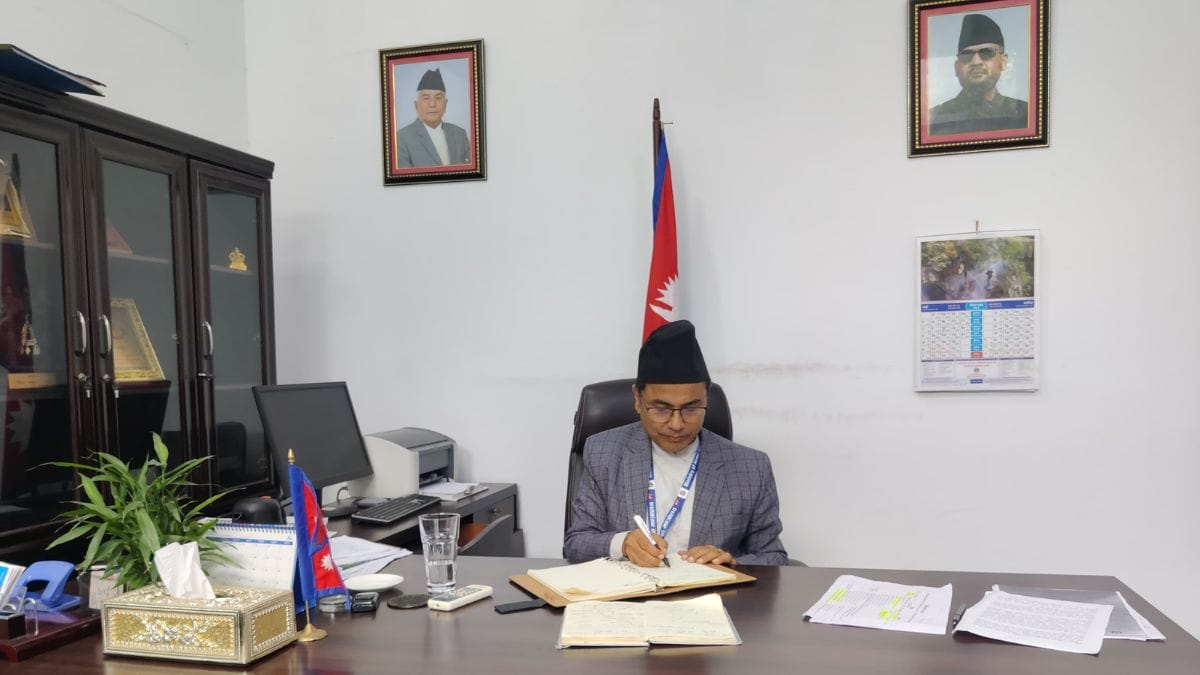
Severe floods hit northern Nepal after water traveled from Tibet through several rivers.
The flooding damaged communities and may have trapped more than 900 people in 12 hydropower tunnels.
Rescue teams will keep searching for at least another week or two.
By 3 September, 1,252 bodies had been recovered and 4,216 people were still missing.
Thousands of rescued people are staying in temporary shelters and evacuation centers.
The government is providing food, water, clothing, and other supplies.
Nepal says the floods are connected to the larger climate crisis.
It wants developed countries and international climate funds to help pay for the damage and rebuilding.

Nepal plans to continue searching flooded hydropower tunnels for one or two more weeks, hoping to find survivors.
Floods that struck northern Nepal on 26 August left 1,252 people dead and 4,216 missing as of 3 September.
More than 21,400 security personnel have been deployed, and 11,993 people have been rescued.
Nepal says the disaster reflects the wider climate crisis and is seeking international compensation for losses and damages.
The government is assessing reconstruction needs and plans to relocate people living in remaining high-risk areas.
- Who
- The Nepal government, led in the response by the National Disaster Risk Reduction and Management Authority, is coordinating rescue and recovery operations; more than 21,400 security personnel are involved.
- What
- Floods have killed at least 1,252 people, left 4,216 missing, and triggered searches for people feared trapped in 12 hydropower tunnels.
- Where
- The worst-affected areas include Nuwakot, Rasuwa, and Dhading, after floodwaters entered Nepal through the Timure region and traveled along the Bhote Koshi and Trishuli rivers.
- When
- The floods struck on 26 August; the casualty and rescue figures cited were current as of 3 September.
- Why
- Nepal attributes the scale of the disaster to climate-related changes and is seeking international support and compensation for losses, damages, and reconstruction.
Key facts
- Flood date
- 26 August
- Deaths
- 1,252 bodies had been recovered as of 3 September
- Missing
- 4,216 people were reported missing as of 3 September
- Rescued
- 11,993 people had been rescued
- Personnel deployed
- 21,402 Nepal Army, Armed Police, and Nepal Police personnel
- Tunnel rescue
- More than 900 people were feared trapped in 12 hydropower tunnels
- Climate request
- Nepal formally sought rapid support from the Fund for responding to Loss and Damages under United Nations climate processes
Quotes
Nepal’s finance, agriculture, forests and environment ministers
Authors of Nepal’s letter to the Fund for responding to Loss and Damages
““As a least developed and highly climate-vulnerable mountainous country, Nepal contributes negligibly to global greenhouse gas emissions yet continues to bear disproportionate and escalating climate impacts. The Government of Nepal respectfully requests the board to take a special decision to respond rapidly, directly and effectively in accordance with its Governing Instrument.””
 theprint.in
““This isn’t an ordinary disaster. Based on the evidence we have gathered, this is part of the larger climate crisis, because of changing landscapes and cryospheric systems. So our damage assessment too will take into account UNFCCC processes, in terms of loss and damages.””
theprint.in
Sources
Related news
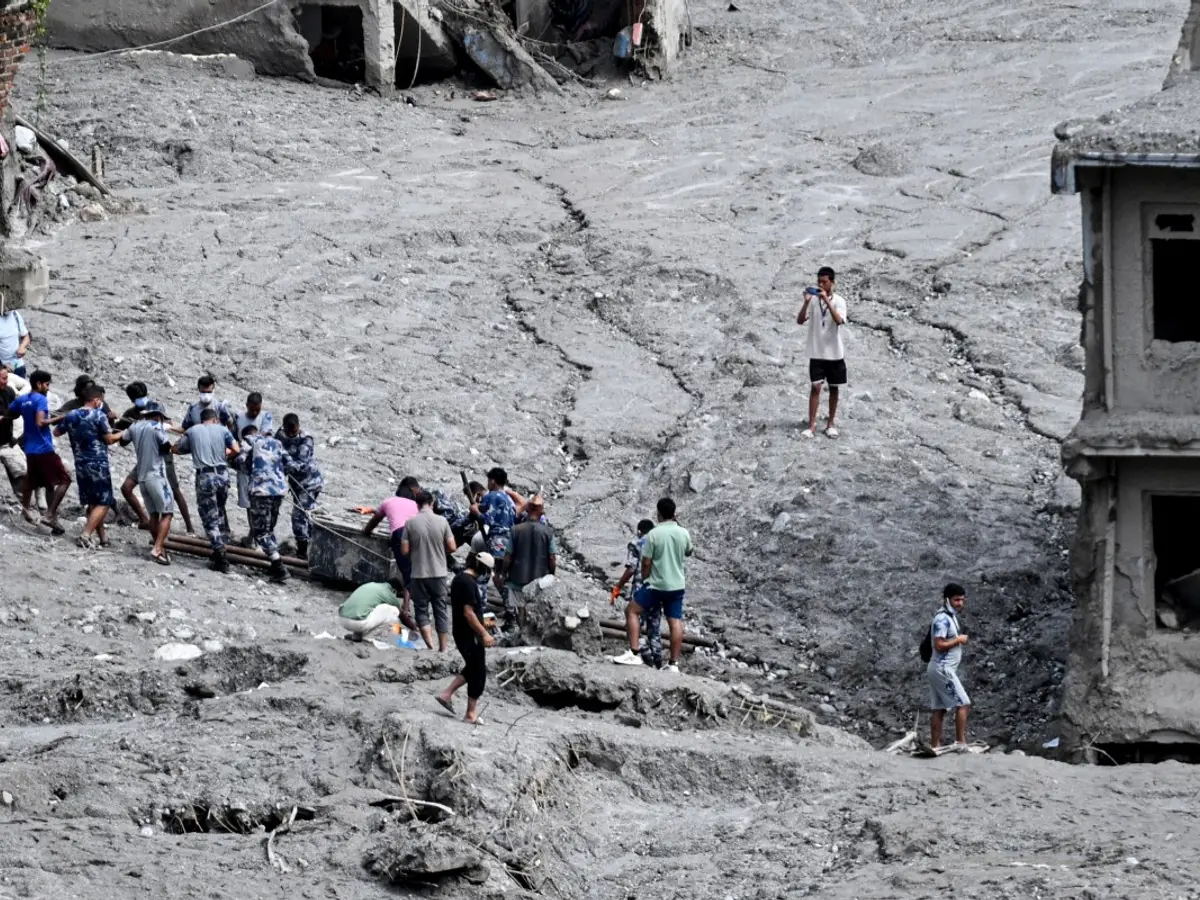
Nepal Floods Kill 1,010 as 4,000 Remain Missing

Nepal Seeks Climate Compensation After Deadly Floods

Nepal Flood Death Toll Tops 1,200 as Searches Continue
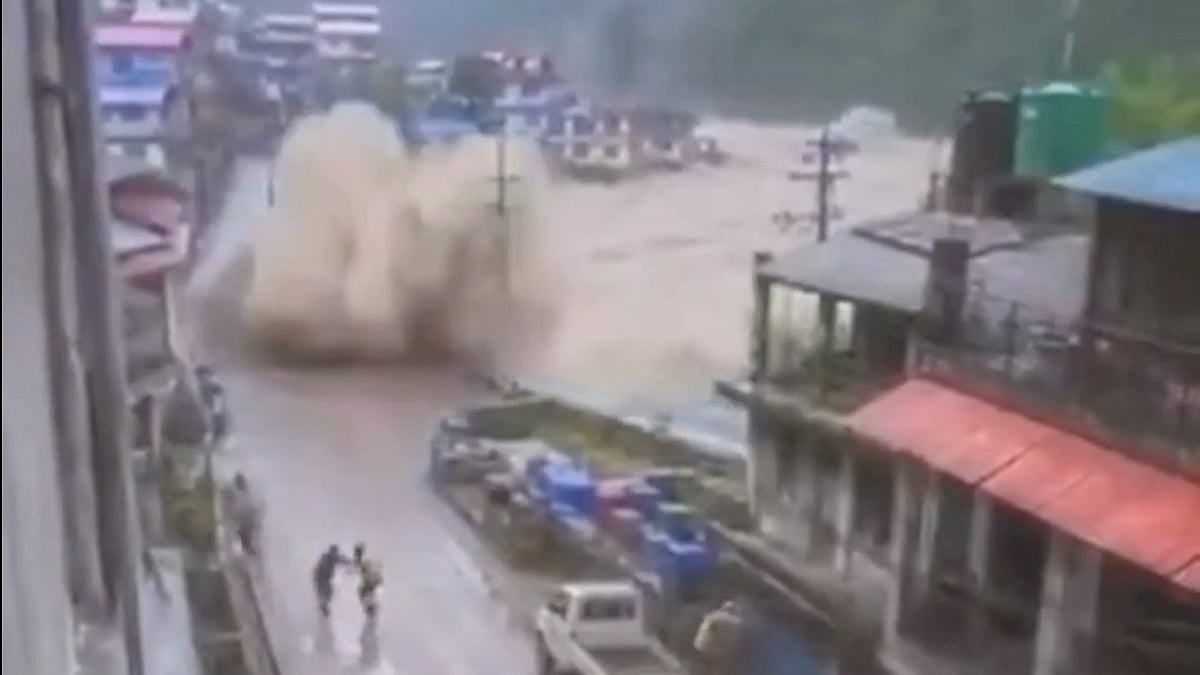
Nepal Flood Death Toll Reaches 1,243 as Shah Seeks Justice

Nepal Flood Death Toll Reaches 675 as Rescue Efforts Intensify
Nepal Flood Death Toll Crosses 1,000 as Rescues Continue
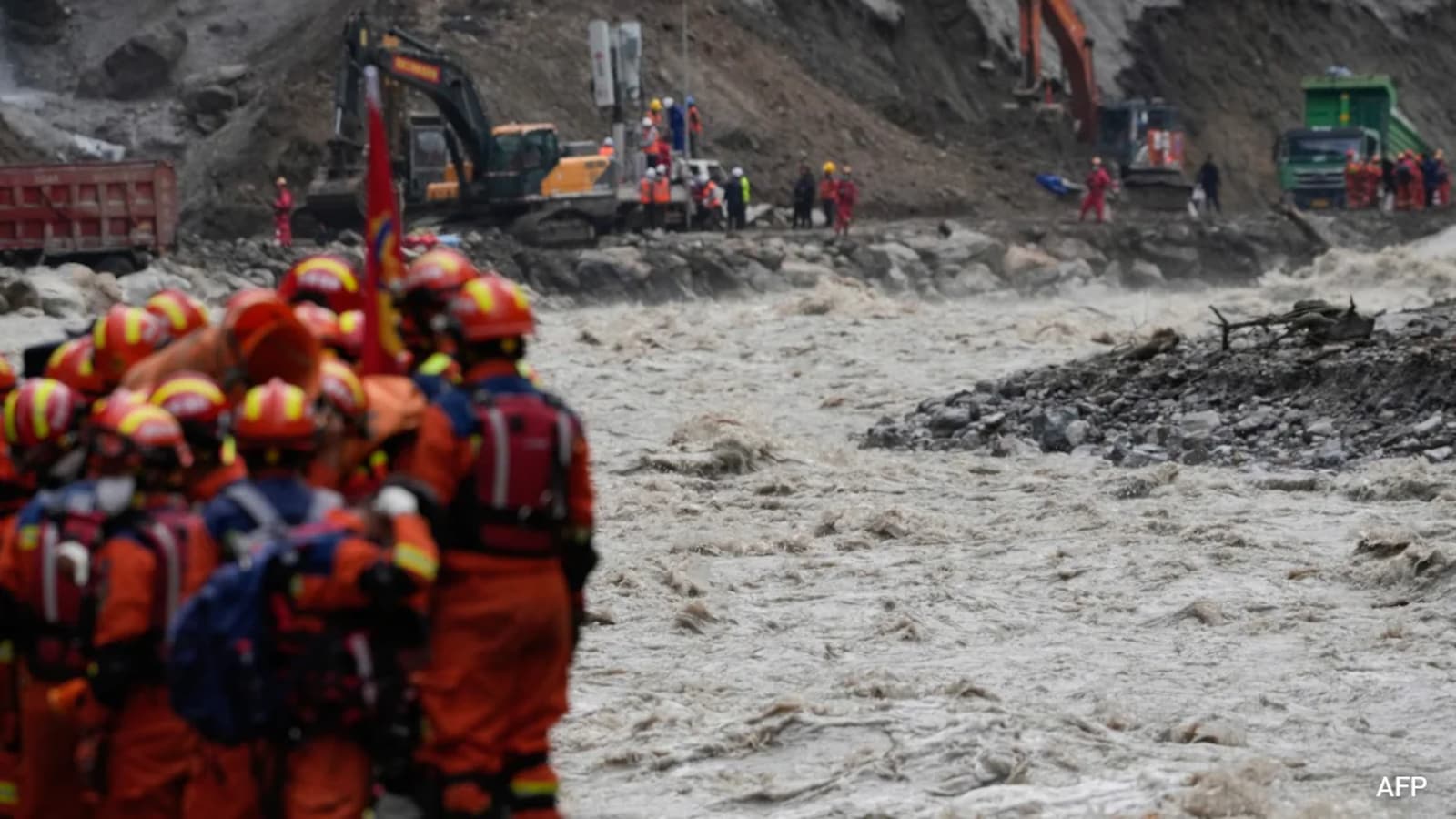
Nepal's Climate Grievance Is Valid, But India's Liability Isn't
US Withdraws from Climate Treaties