1 hr ago
Nepal Flood Shows Climate Risks, Rescue Efforts and Warnings

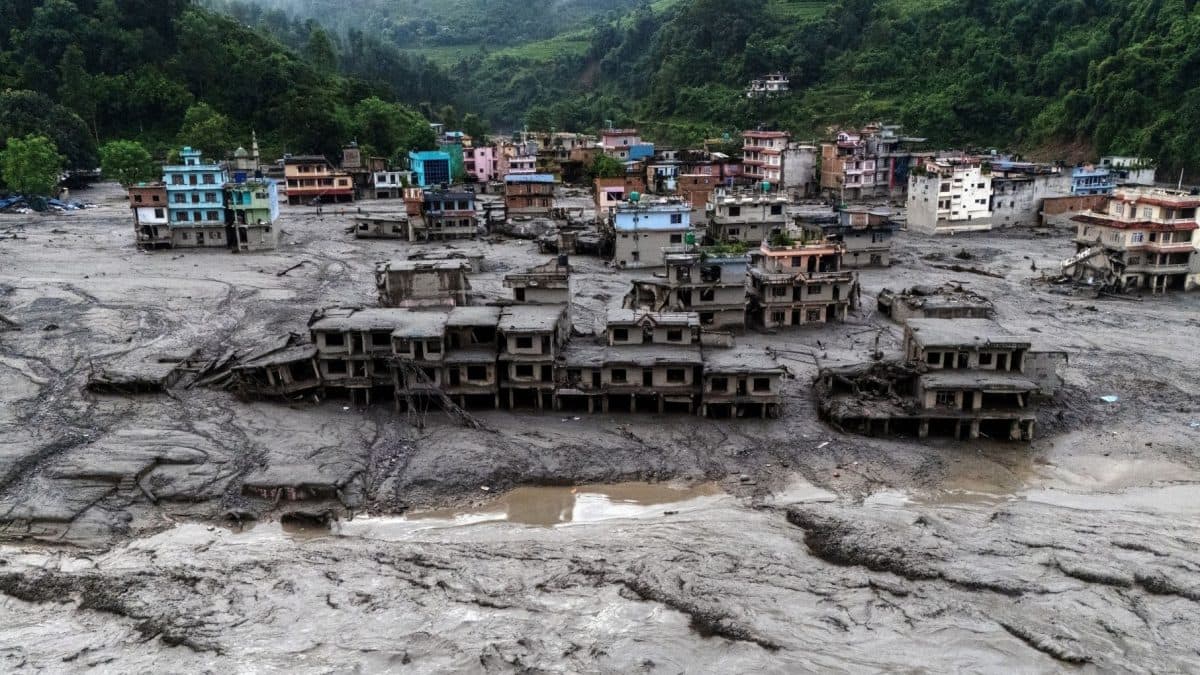
A large piece of ice and rock broke off a mountain in Nepal.
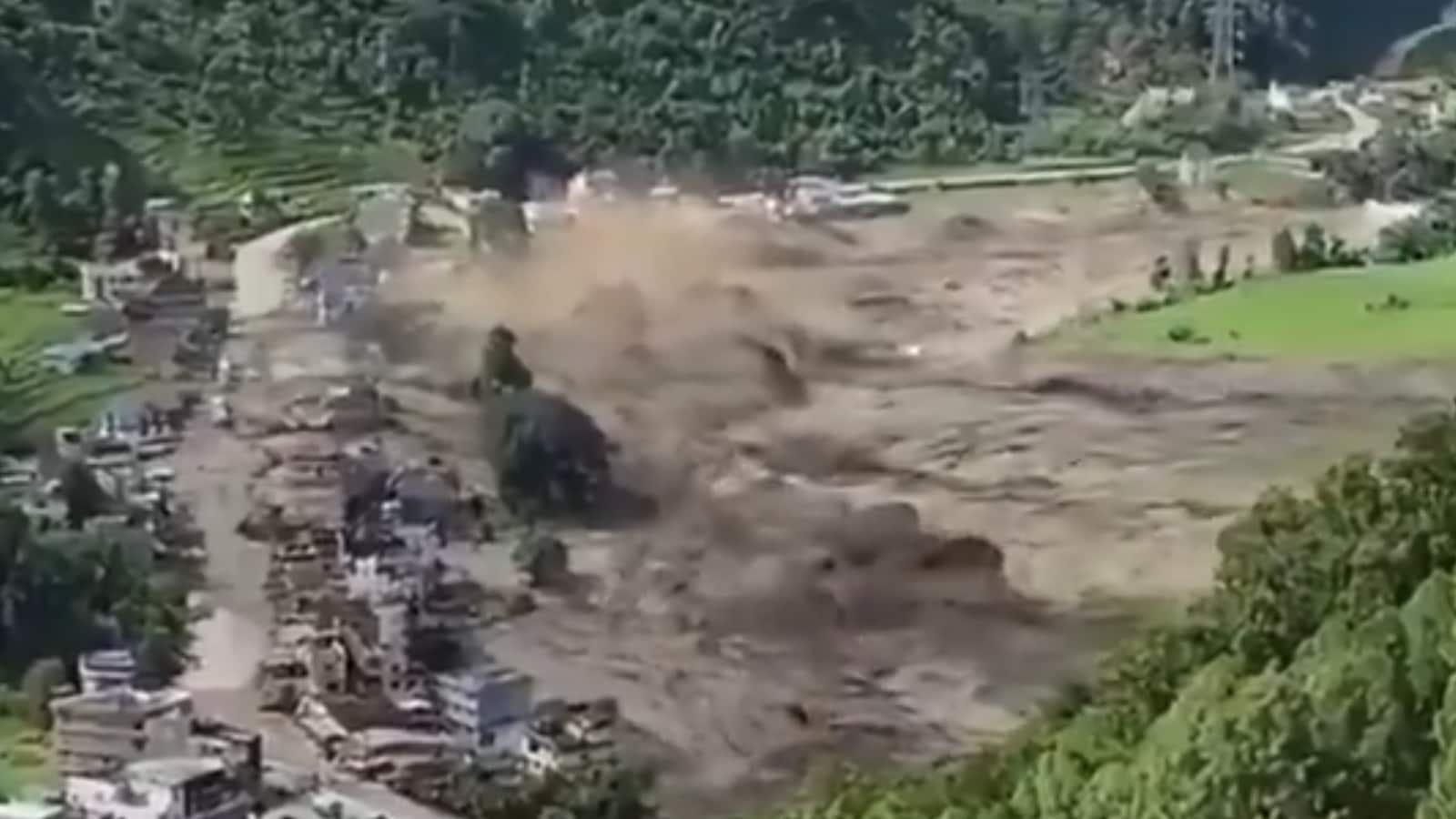
It pushed a huge amount of water, mud and stones into nearby rivers.
The rushing flood destroyed homes, roads and bridges and separated many families.
A five-year-old girl named Ishara survived, but her mother was swept away and remained missing.
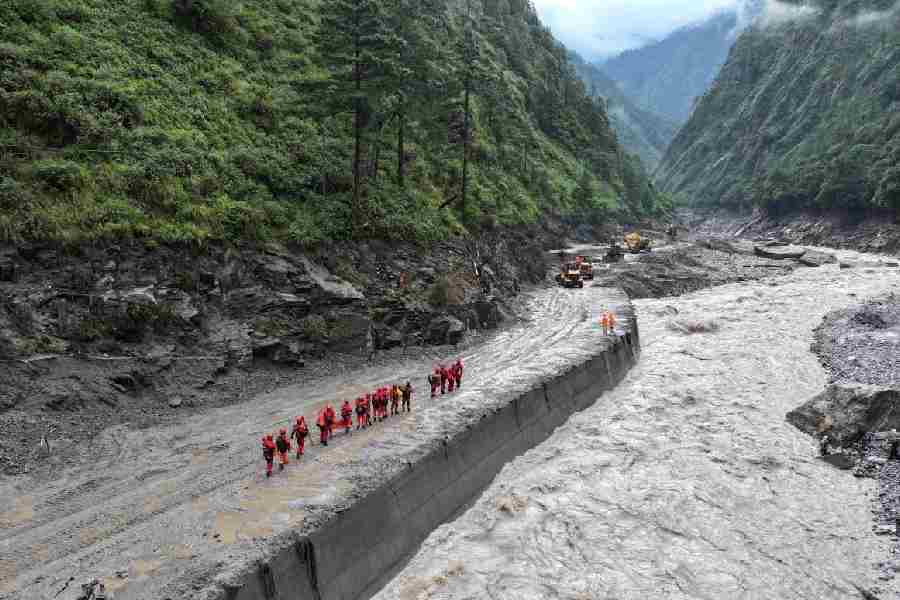
Soldiers rescued babies and comforted children who were frightened and alone.
Scientists said they cannot prove climate change caused this one flood by itself.
However, warmer temperatures are shrinking glaciers and can make mountain slopes less stable.
Satellites had noticed warning signs before the collapse.
Better warning systems might help people move to safety before similar floods arrive.

A glacier-and-rock collapse near the Nepal-Tibet border sent water, ice, rock and mud into rivers and communities.
Five-year-old Ishara Tamang survived after being swept into a rescue net, while her mother remained missing.
More than 900 people were confirmed dead and over 4,200 remained missing, according to the United Nations’ latest count.
About 19,000 security personnel and 16 helicopters helped with rescues, including the evacuation of infant twins and trapped workers.
Scientists said warming, rapid snowmelt and glacier instability may have contributed, while satellite monitoring could provide earlier warnings.
- Who
- Residents of Nepal, Nepali Army rescuers, scientists and United Nations responders were involved.
- What
- A glacier-and-rock collapse triggered a destructive flash flood that killed more than 900 people, left over 4,200 missing and separated thousands of children from caregivers.
- Where
- The collapse occurred near the Nepal-Tibet border in the Langtang region, affecting communities along the Bhote Koshi and Trishuli rivers, including Rasuwa district and Betrawati.
- When
- The disaster began on 26 August 2026; scientists identified warning signs in the preceding days and months.
- Why
- Scientists said unusually warm conditions and rapid snowmelt likely weakened the glacier, while climate change is making Himalayan glaciers and mountain slopes less stable.
Scientific Caution
Climate-Risk Concern
Did climate change cause the flood?
Scientific Caution
Scientists quoted in the article said the precise chain of events is still being studied, and climate change cannot be said to have caused the collapse alone.
Climate-Risk Concern
The article says unusually warm conditions, rapid snowmelt, glacier ice loss and thawing permafrost can weaken mountains and make disasters like this more likely and frequent.
How should authorities respond?
Scientific Caution
Current systems were incomplete: experts said continuous satellite monitoring linked directly to flood warnings was still missing.
Climate-Risk Concern
The article argues for greater investment in monitoring and early-warning systems, citing a school evacuation that moved more than 900 people to safety after a warning.
Key facts
- Date
- 26 August 2026
- Confirmed deaths
- More than 900, according to the United Nations’ latest count
- People missing
- More than 4,200
- Children needing protection services
- More than 22,000
- Children separated from parents or caregivers
- Around 107
- Rescue deployment
- Approximately 19,000 security personnel and 16 helicopters
- Potential warning time
- Researchers estimated at least 10 minutes with appropriate monitoring and alerts
Quotes
Nepal Army officer
Nepal Army officer comforting a frightened child during the flood response
“My mother was swept away. I jumped and moved forward, then got trapped in the net”
 thebetterindia.com
“Your mother will come.”
thebetterindia.com

Jakob Steiner
Glaciologist discussing continuous satellite monitoring and flood-warning systems
“This is where I think we need to invest more”
thebetterindia.com
Sources
Related news
Nepal Flash Flood Sweeps Away Riverside Settlement, Hundreds Dead

Satellite Images Reveal Glacier-Linked Collapse Behind Nepal-China Floods
Nepal Glacier Flood Survivors Recount Devastating Losses

Nepal Flash Floods Expose Glacier Risks Amid Climate Concerns

Eight-Year-Old Reunites With Mother After Surviving Nepal Floods

Nepal Flood Survivors Rescued as Families Search for Missing Relatives
Nepal Seeks Climate Compensation as Flood Rescue Operations Continue
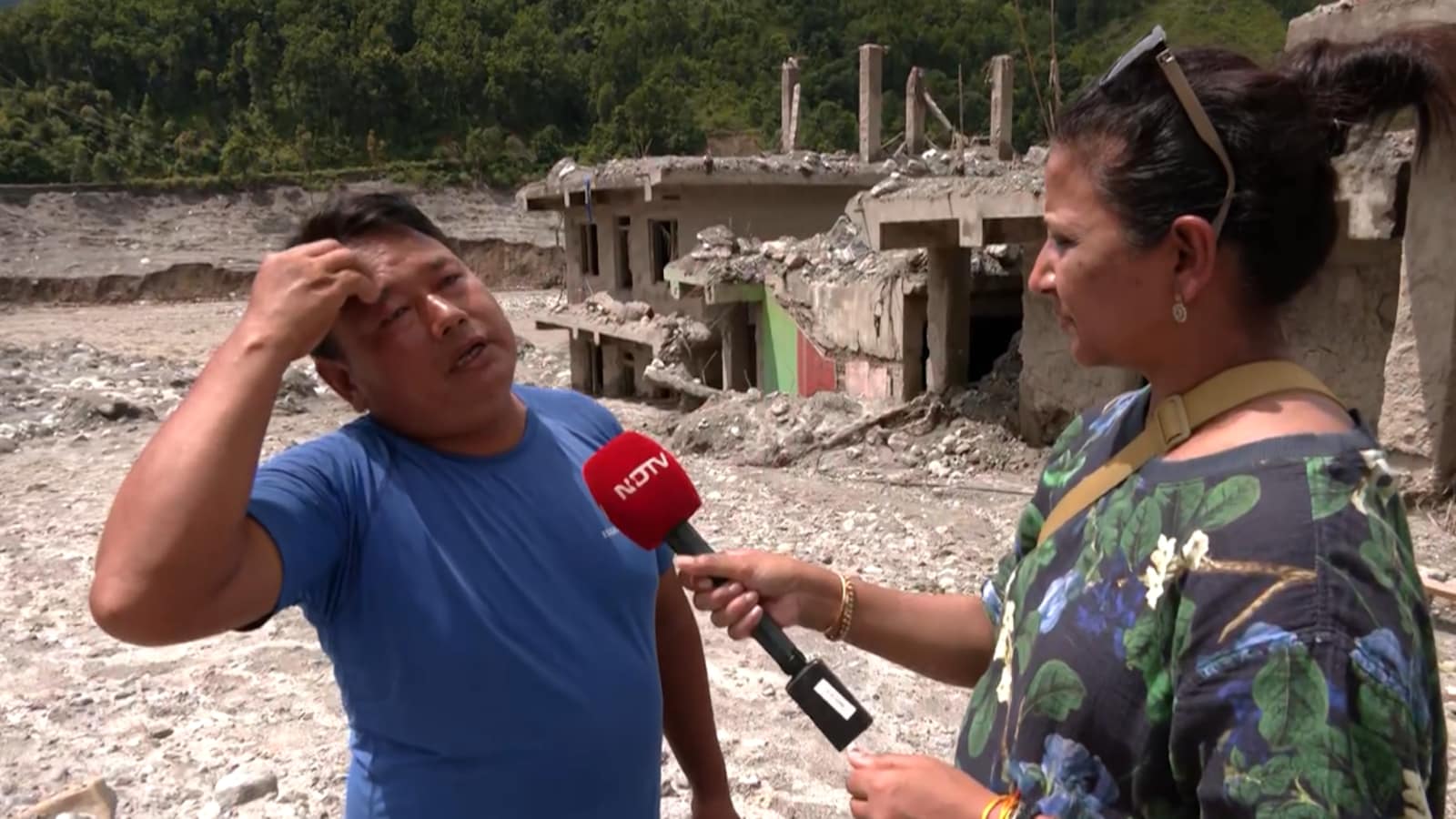
Nepal Flood Survivor Describes Escape Through Darkened Hydropower Tunnel

91-Year-Old Woman Rescued Alive After Nepal Flash Floods

Tibetan Glacier Instability Raises Risk Of Deadly Floods