

1 week ago
NASA Study Links Sun’s Galactic Journey to Earth’s Ancient Climate
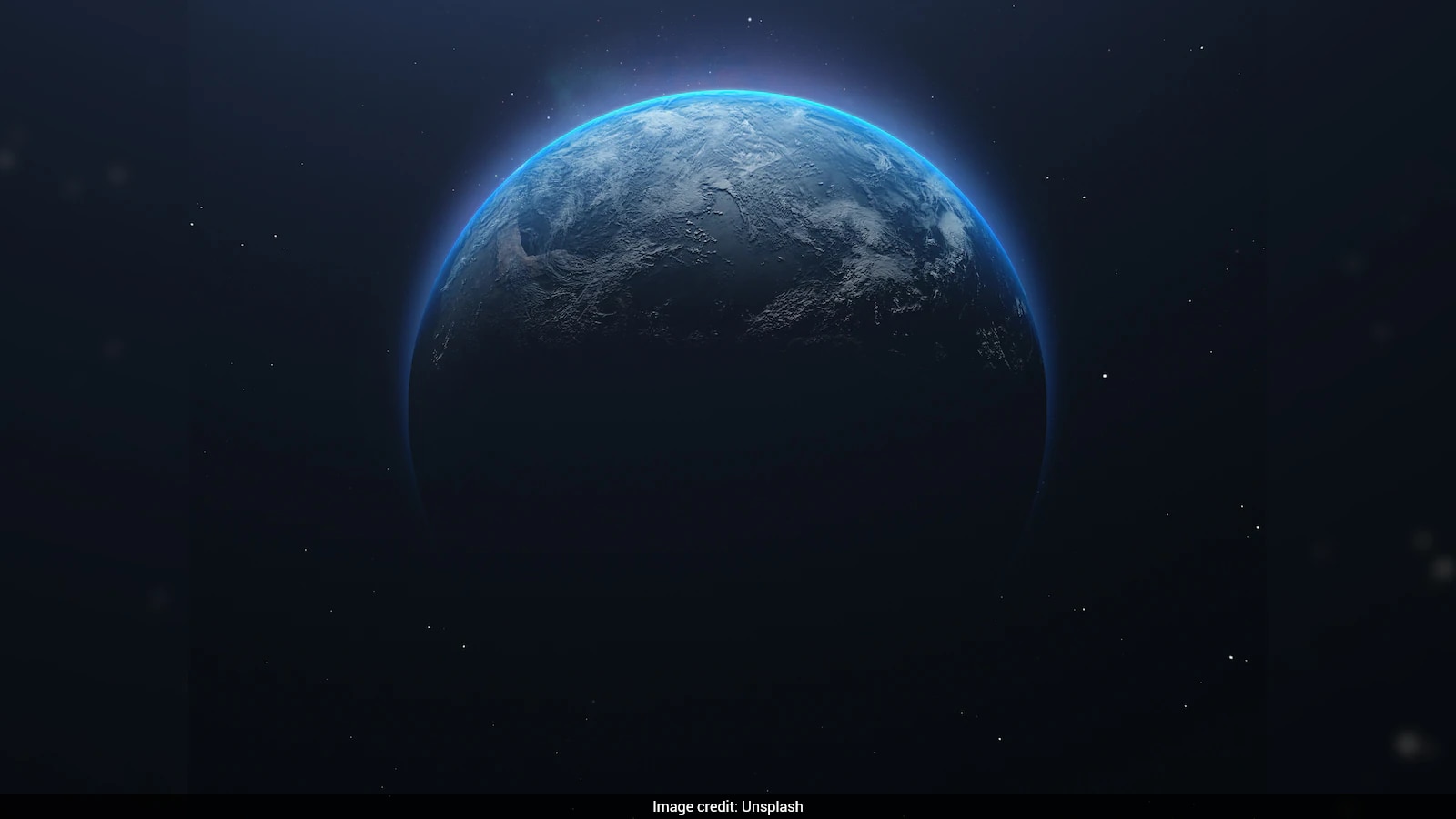
The Sun travels through different parts of space as it moves through the Milky Way.
Around the solar system is a protective bubble called the heliosphere.
Scientists used computer simulations to study how this bubble changed over time.
They found that the Sun may have passed through very cold, dense clouds at least three times in the last 14 million years.
These clouds could have squeezed the heliosphere to a much smaller size.
That may have allowed more space material and radiation to reach Earth.
The researchers think this could have changed moisture in the upper atmosphere and affected global weather.
They say these changes may have helped cause some ancient ice ages.
Dust found in ocean sediments, lunar samples, and Antarctic ice provides supporting physical evidence.

NASA-funded simulations suggest the Sun passed through extremely dense, cold interstellar clouds at least three times over 14 million years.
Pressure from those clouds may have compressed the heliosphere, the solar system’s protective bubble of charged solar winds.
The smaller heliosphere may have exposed Earth more directly to interstellar hydrogen and cosmic rays.
Researchers say the exposure could have increased upper-atmosphere moisture and altered global weather patterns, potentially contributing to ice ages.
Traces of interstellar dust found in ocean sediments, lunar samples, and Antarctic ice support the study’s conclusions.
- Who
- Scientists at NASA’s SHIELD centre conducted the research.
- What
- Computer simulations suggest that the Sun’s passage through dense interstellar clouds compressed the heliosphere and influenced Earth’s ancient climate.
- Where
- The events occurred as the solar system traveled through interstellar space within the Milky Way galaxy.
- When
- The study examined the last 14 million years, during which the Sun may have passed through such clouds at least three times.
- Why
- Dense clouds may have compressed the heliosphere, exposing Earth to more interstellar hydrogen and cosmic rays, which could have altered atmospheric moisture and global weather.
Key facts
- Research sponsor
- NASA-funded
- Research group
- NASA’s SHIELD centre
- Period studied
- The last 14 million years
- Number of cloud passages
- At least three
- Protective structure
- The heliosphere, a bubble of charged solar winds
- Possible climate effects
- Increased upper-atmosphere moisture, altered weather patterns, and possible contributions to ice ages
- Supporting evidence
- Interstellar dust traces in deep-sea sediments, lunar core samples, and ancient Antarctic ice
Quotes
NASA report
The NASA report summarizing the study’s findings
“In summary, our heliosphere's trips through colder regions in our galaxy may be a key factor in driving some of Earth's ancient changes in climate, including possible ice ages.”
 NDTV
NDTV
Sources
Related news
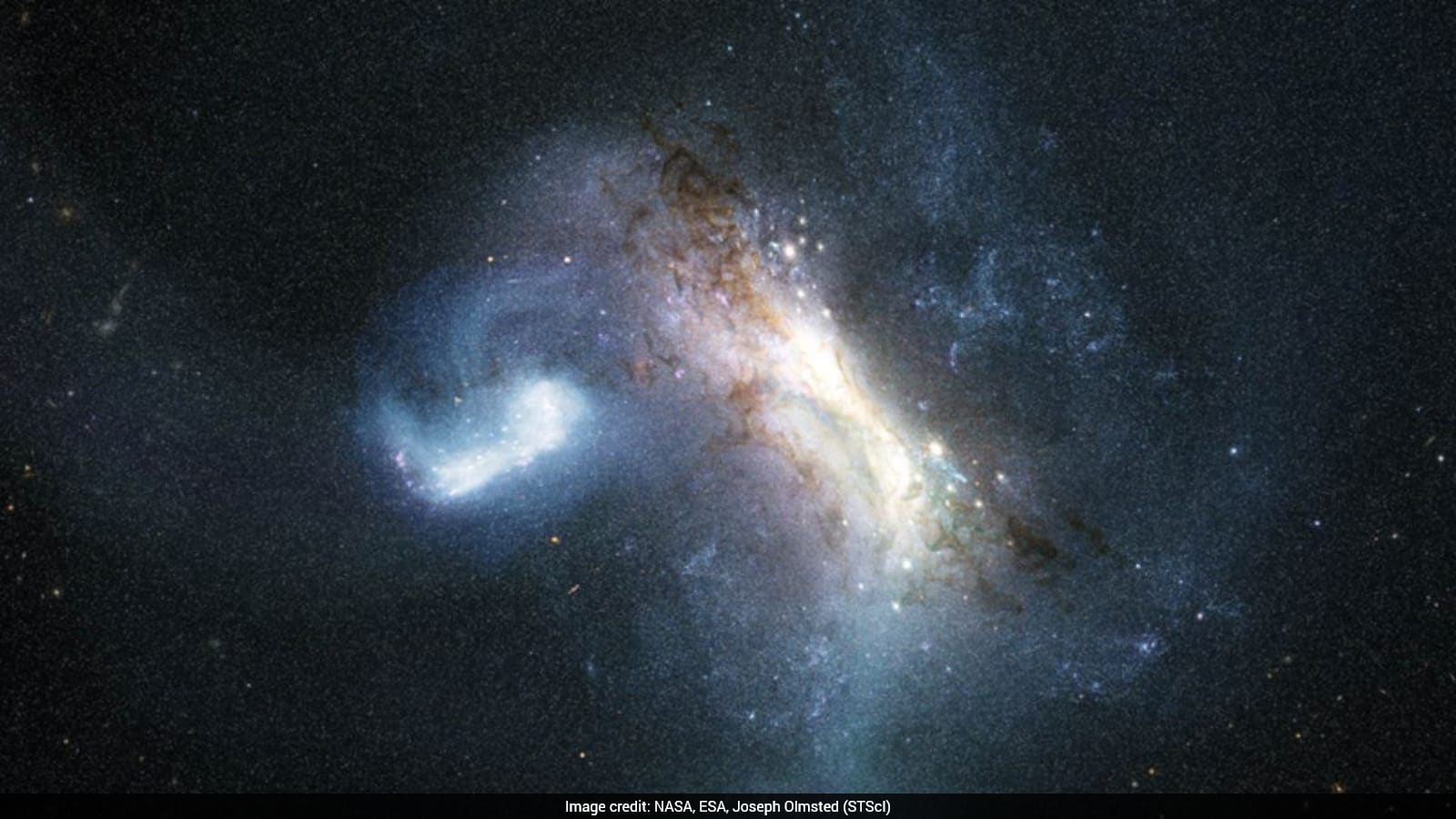
Hubble Reveals Ancient LKH Collision Shaped the Milky Way's Growth

NASA Finds Earth Microbes Could Survive Near Moon’s South Pole
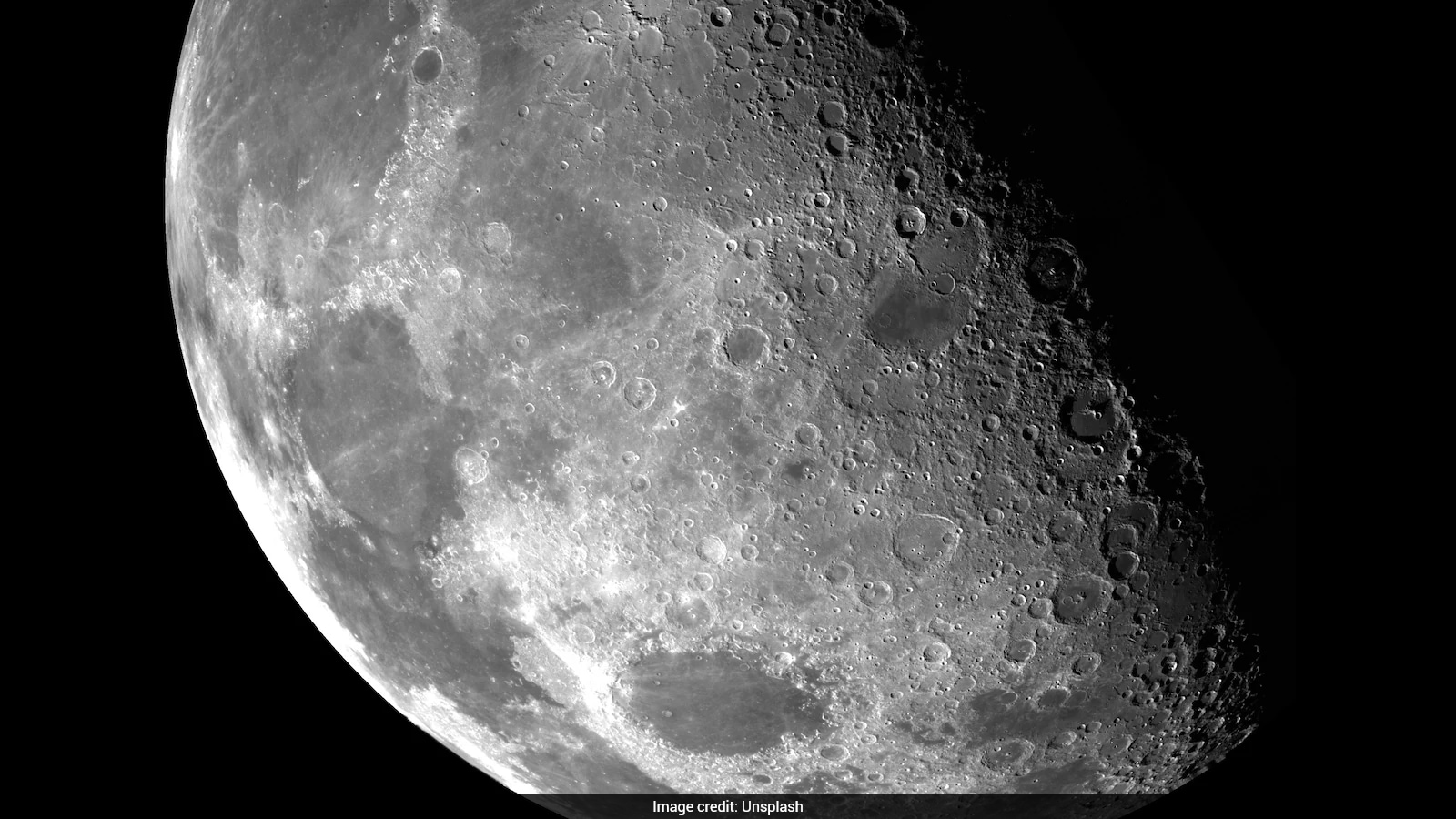
NASA Study Finds Earth Microbes May Survive Moon's South Pole
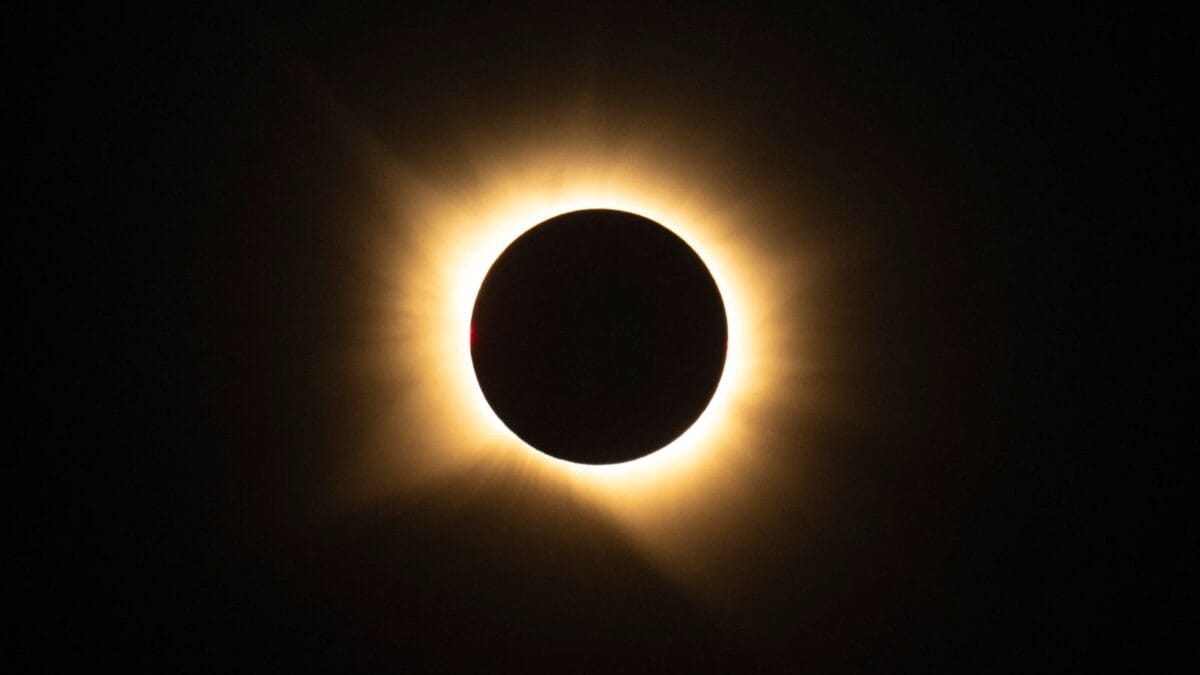
Scientists Study Total Solar Eclipse to Unravel Sun's Corona Mystery

Lunar South Pole May Preserve Earth Microbes, Study Finds
Next Lunar Eclipse Set for February 2027 Across India, World

Why Soil Is Brown: Humus, Iron, and Earth’s Colour

2026 Blood Moon Eclipse Draws Global Attention and Zodiac Claims

Smartphone Tips for Capturing the 2026 Partial Lunar Eclipse

Aditya-L1 Findings Clarify Magnetic Heating of the Sun’s Corona
