

5 days ago
Melting Himalayan Glaciers Heighten Flash-Flood and Landslide Risks
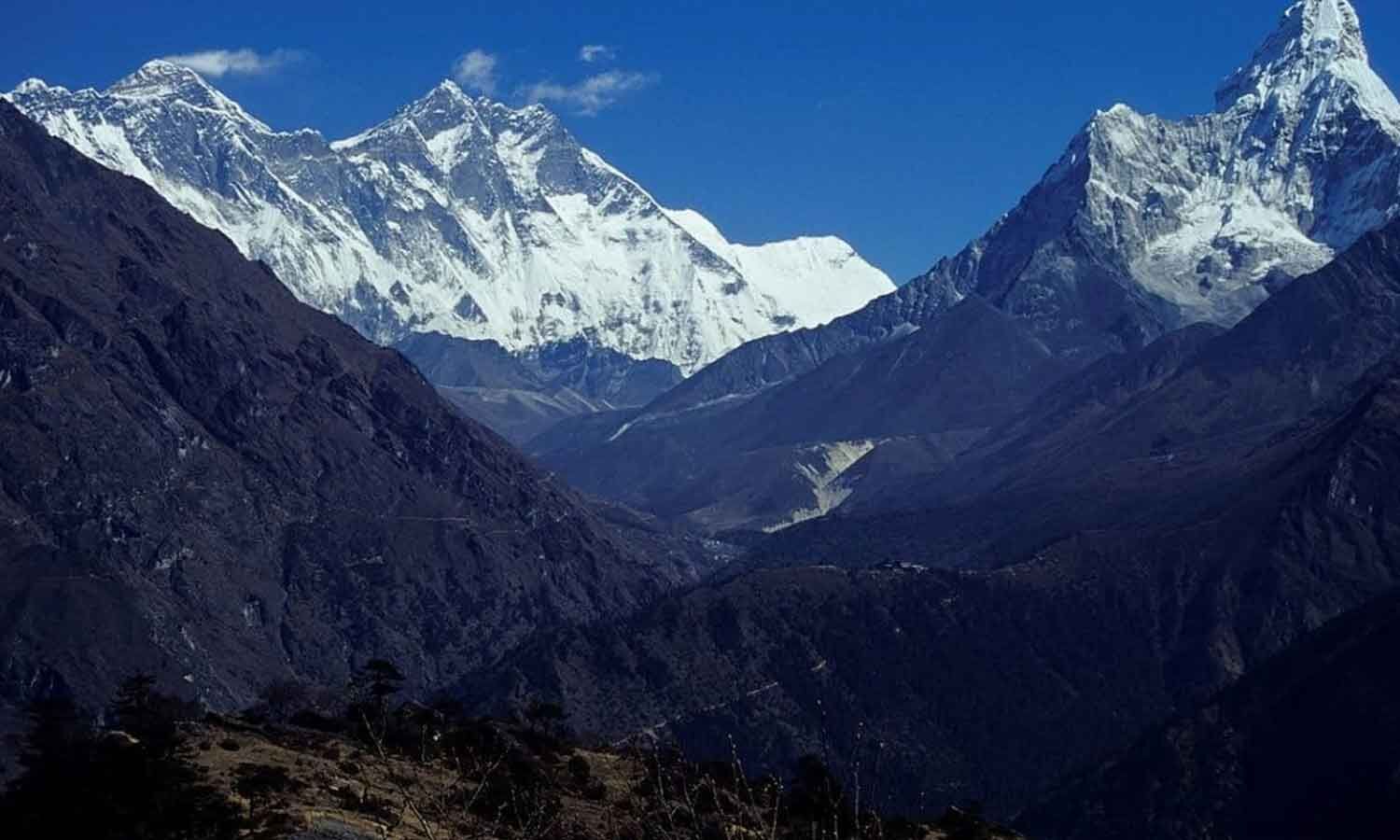
The Himalayas are warming, and their glaciers are shrinking.
When glaciers shrink, they can leave piles of loose rocks and dirt behind.
Heavy rain or quickly melting snow can wash this material downhill.
This can cause landslides, debris flows and dangerous floods.
Some places that used to get snow are now getting rain instead.
Snow, rocks and dirt can block rivers and form temporary dams.
If those dams break, a large rush of water and debris can move downstream.
Warmer nights also mean melting can continue throughout the night.
Scientists say climate change may be increasing these dangers, but it is not the only possible cause of every disaster.

The recent disaster in Nepal has renewed concern about climate change and Himalayan hazards.
Glacial retreat leaves loose, unstable debris that can fuel landslides and destructive debris flows.
Rain is increasingly occurring at elevations that traditionally received snowfall, destabilizing mountain slopes.
Warmer nights allow snow and glacier melt to continue after sunset, increasing runoff risks.
Scientist Manish Mehta cautioned that not every Himalayan disaster should be attributed solely to global warming.
- Who
- Scientists including Manish Mehta of the Wadia Institute of Himalayan Geology, as well as communities and infrastructure in the Himalayas, are affected.
- What
- The recent disaster in Nepal has intensified debate over climate change, glacier retreat and rising risks of flash floods, landslides and debris flows.
- Where
- Across the Himalayan region, including Nepal and areas studied by researchers such as Kedarnath, Rishiganga and Dharali.
- When
- The concerns were renewed after the recent disaster in Nepal; no specific date is provided.
- Why
- Rising temperatures, changing precipitation, warmer nights, glacier retreat and unstable debris may increase the likelihood and severity of mountain hazards.
Climate Change as a Major Risk Multiplier
Disasters Have Multiple Causes
How to interpret Himalayan disasters
Climate Change as a Major Risk Multiplier
The article links rising temperatures, glacier retreat, changing snowfall and rainfall patterns, and warmer nights to growing risks of landslides, debris flows and flash floods.
Disasters Have Multiple Causes
Manish Mehta cautioned against attributing every Himalayan disaster solely to global warming, indicating that disasters should not be explained by climate change alone.
Key facts
- Main concern
- Climate change may be increasing the risk of flash floods, landslides and debris flows in the Himalayas.
- Glacier trend
- Himalayan glaciers are steadily receding.
- Precipitation change
- High-altitude areas that traditionally received snowfall are increasingly experiencing rain.
- Nighttime temperatures
- Higher minimum temperatures allow snow and glacier melt to continue overnight.
- Natural dams
- Snow, rocks and debris can temporarily block rivers before collapsing and sending surges downstream.
- Potential damage
- Debris-laden floods threaten roads, bridges, buildings and settlements.
- Scientific caution
- Manish Mehta said every Himalayan disaster should not be blamed solely on global warming.
Sources
Related news
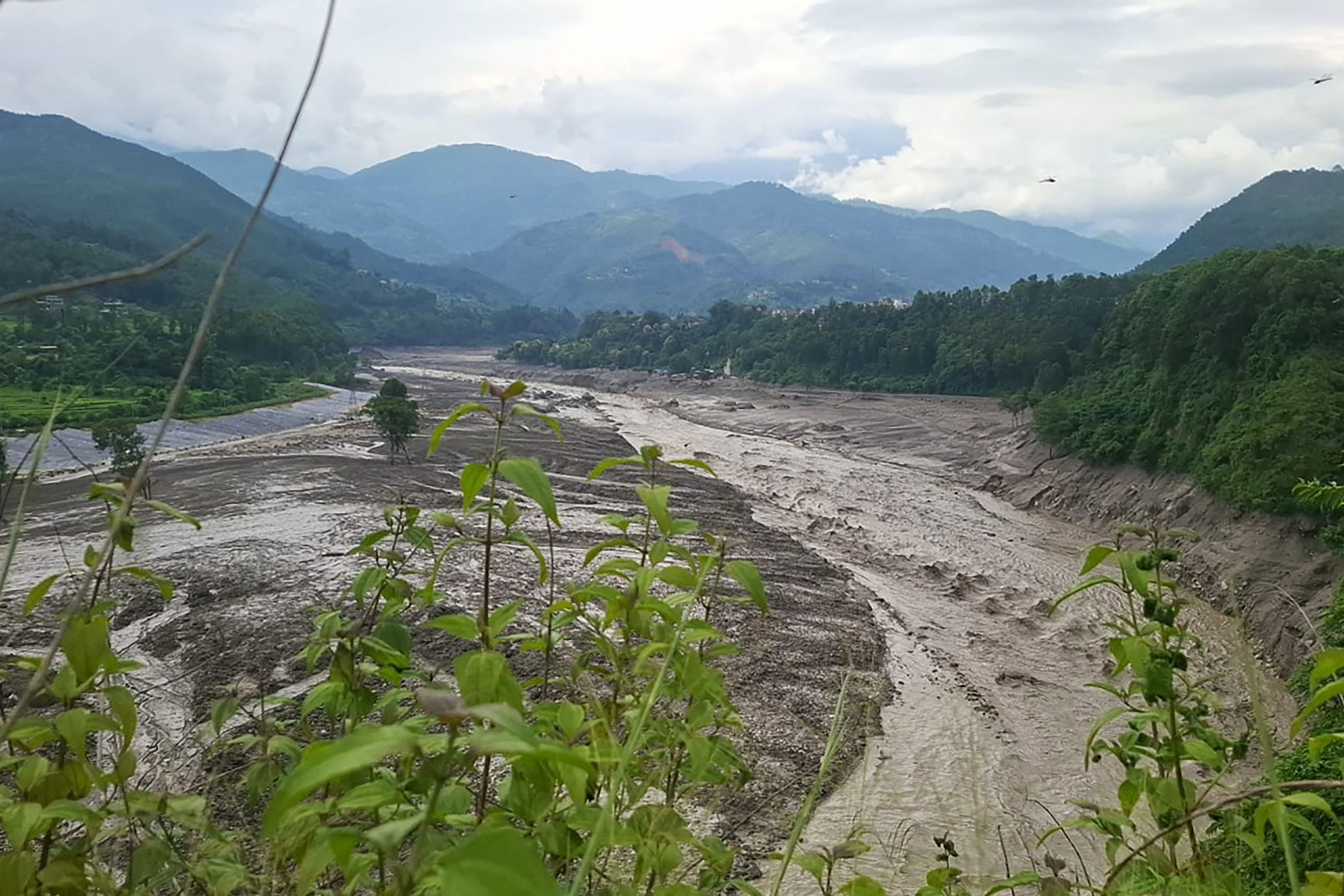
Nepal Flood Highlights Rising Glacier Risks in Warming Himalayas

Melting Himalayan Glaciers Raise Risk of Downstream Floods
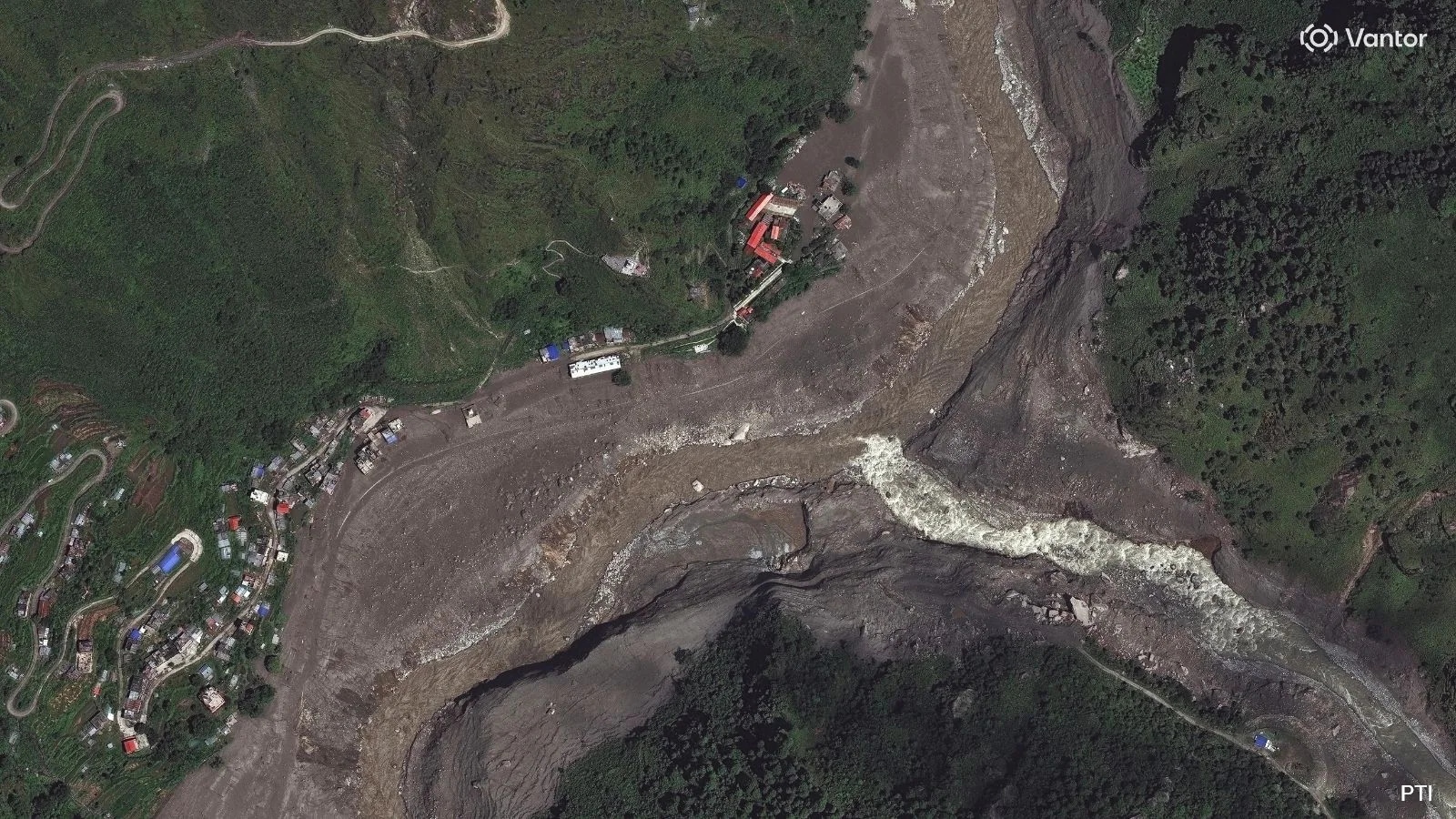
Climate Change, Landslides and Glacial Debris Behind Himalayan Floods
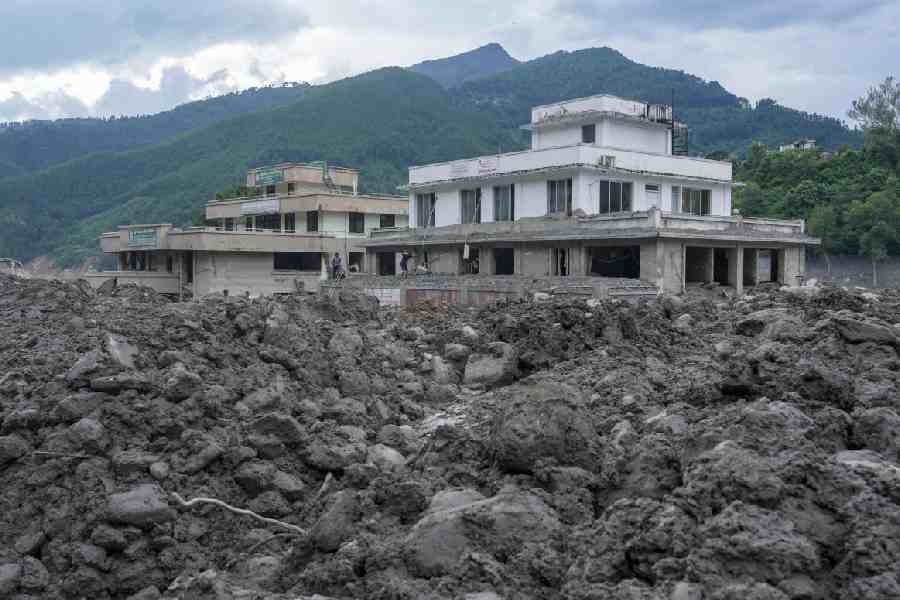
Melting Glaciers Push Nepal Toward Its Adaptation Threshold

Nepal Glacier Collapse Exposes Rising Himalayan Flash-Flood Risks
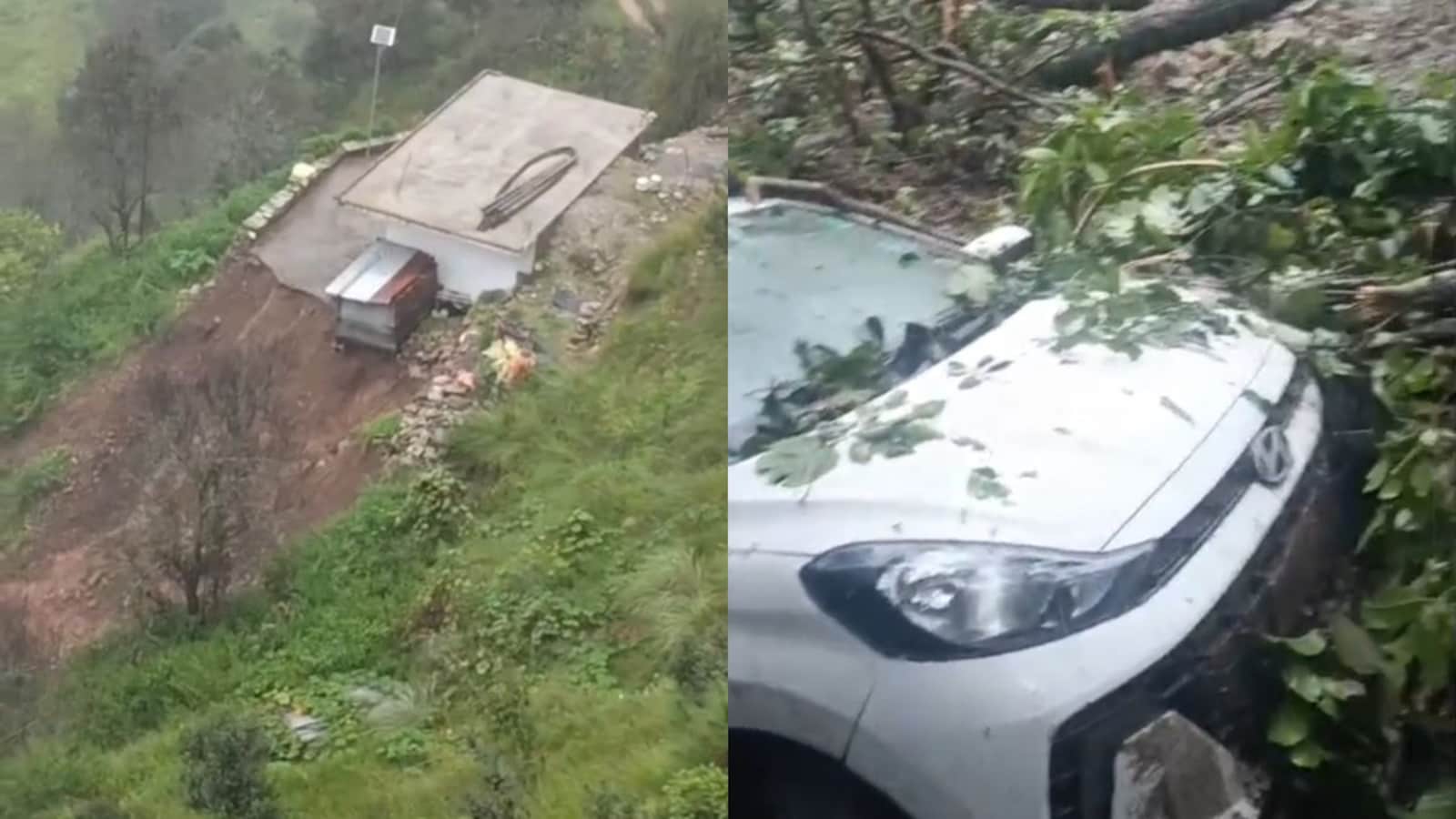
Landslides Threaten Nainital Homes as Uttarakhand Rain Continues

Flash Flood Devastates Nepal's Bhotekoshi River Region

Nepal Families Seek Missing Loved Ones After Deadly Flash Floods

Nepal Flood Death Toll Passes 1,200 Amid Ongoing Search

Nepal Flood Death Toll Tops 1,200 as Searches Continue