3 weeks ago
Pakistan hesitates as Houthi attacks expose Mecca Pact cracks
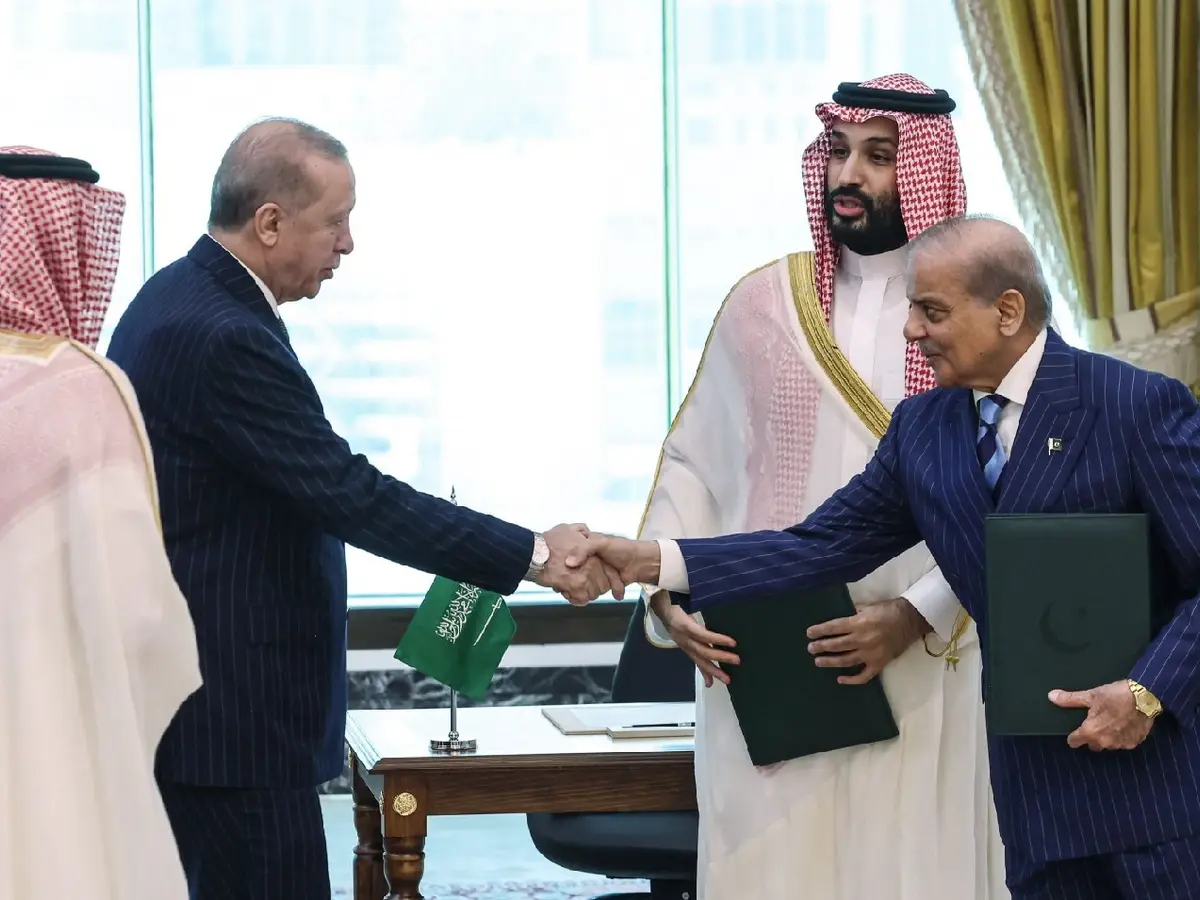
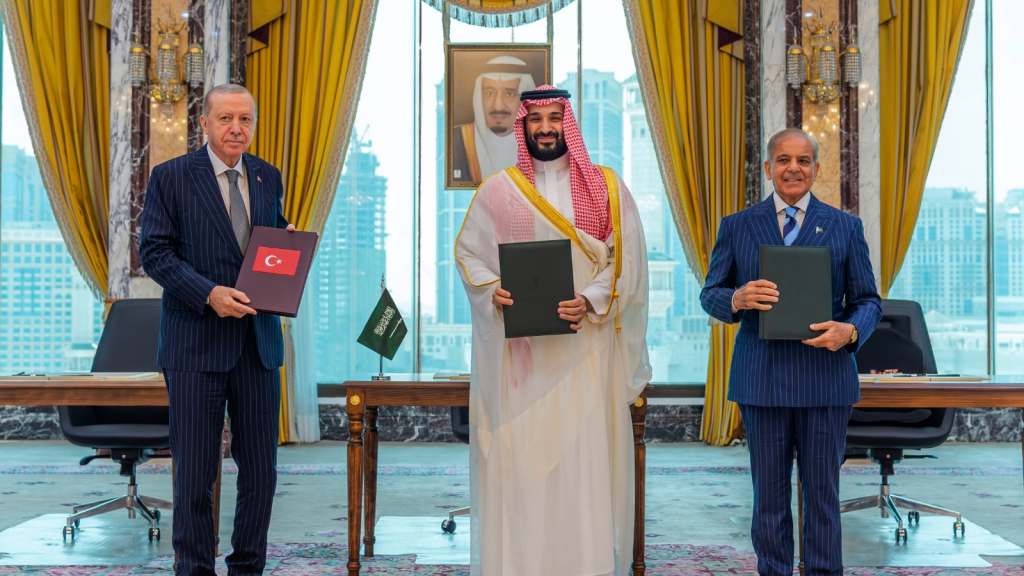
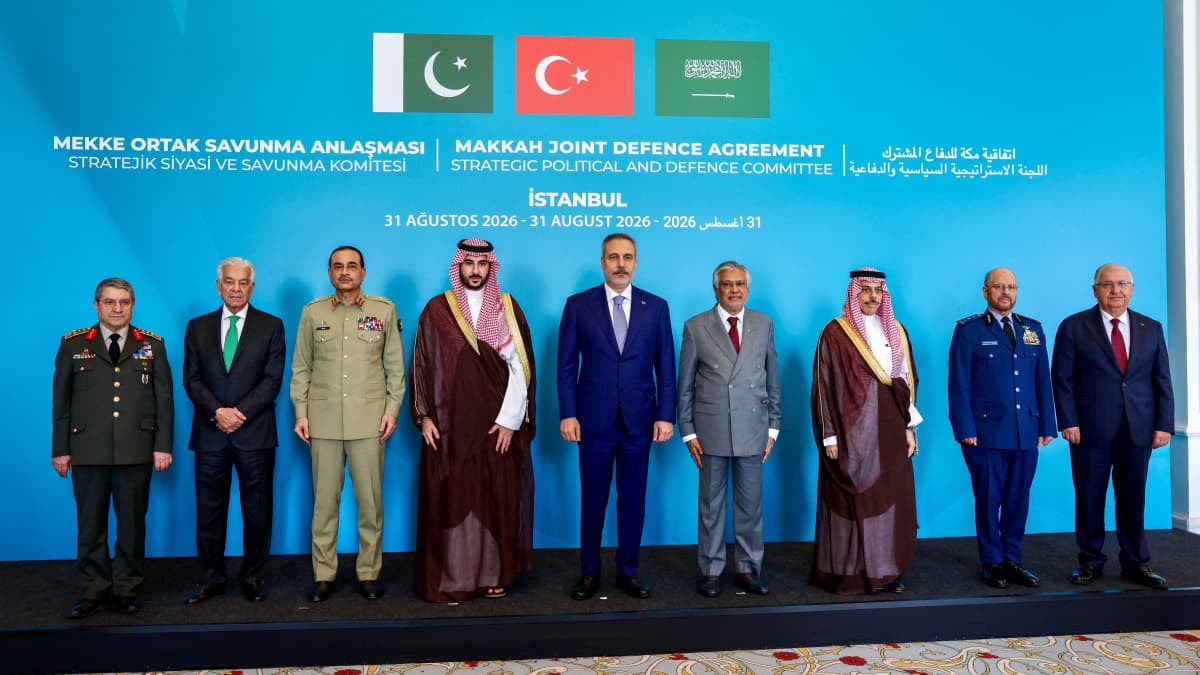
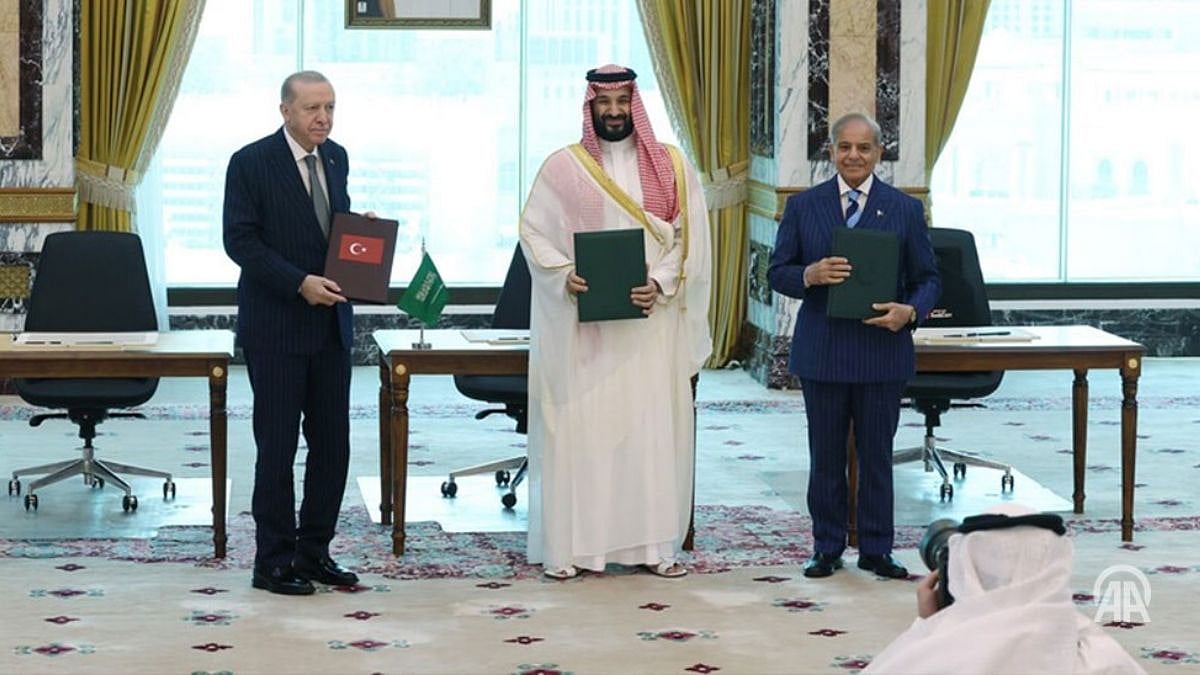
Three countries — Pakistan, Saudi Arabia, and Turkiye — made a special promise called the Mecca Pact.
The promise said that if one of them was attacked, the others would help.
Soon after, a group called the Houthis attacked Saudi Arabia.
But Pakistan did not go to help.
The Houthis attacked an oil facility in Saudi Arabia and a city in Yemen called Mokha.
At least 11 people were killed and 32 others were injured in Mokha.
Leaders said the promise was only for defence and was not meant to upset any country.
But Pakistan has its own problems, like unrest in a region called Balochistan that shares a long border with Iran.
That may be why it chose to stay away, and people are now wondering if the three countries will really keep their promise.

The Mecca Pact, a trilateral defence pact signed by Pakistan, Saudi Arabia, and Turkiye, showed cracks within 24 hours.
Pakistan stayed away from the battlefield after Iran-backed Houthis attacked Saudi Arabia, despite the pact's collective defence clause.
Houthis struck a Saudi Aramco facility in Jazan and attacked Yemen's port city of Mokha, killing at least 11 people and injuring 32.
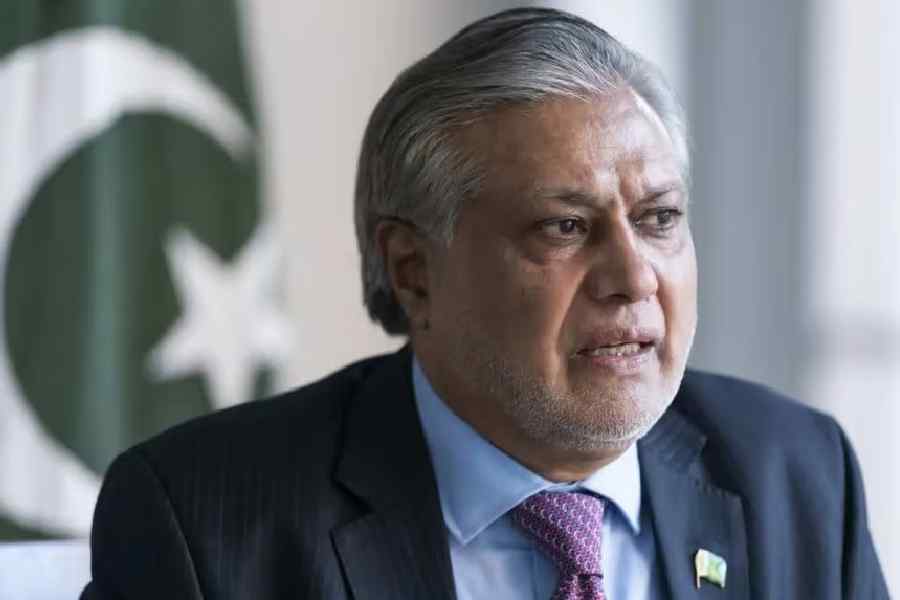
Turkish FM Hakan Fidan affirmed the pact's NATO Article 5-like clause, while Pakistan's Ishaq Dar called the accord defensive and not directed at any country.
Pakistan's reluctance is linked to Iran's military strength and unrest in Balochistan, which shares a 900-kilometre border with Iran.
- Who
- Pakistan, Saudi Arabia, Turkiye, and Iran-backed Houthi rebels; including Pakistan's Army Chief Asim Munir, Deputy PM Ishaq Dar, and Turkish FM Hakan Fidan.
- What
- The trilateral Mecca Pact defence agreement showed cracks within 24 hours when Pakistan declined to join hostilities after Houthis attacked Saudi Arabia and Yemen's port city of Mokha.
- Where
- Saudi Arabia (Jazan), Yemen (Mokha), with related unrest in Pakistan's Balochistan, Quetta, and Pakistan-occupied Kashmir.
- When
- The pact was signed three days before the report; Houthi attacks occurred over the weekend; related incidents from May and July were also cited.
- Why
- Pakistan appeared reluctant to fight Iran-backed forces because of Iran's military strength and instability along the 900-km Balochistan border with Iran.
Critics of the pact's implementation
Pakistan and Turkiye's official position
Collective defence clause
Critics of the pact's implementation
The Mecca Pact's NATO Article 5-like clause means an attack on Saudi Arabia should be treated as an attack on all members, yet Pakistan did not join the battlefield.
Pakistan and Turkiye's official position
Officials say the accord is defensive in nature, not directed against any country, and aims to strengthen collective deterrence against external aggression.
Threat assessment of the pact
Critics of the pact's implementation
Iran says it is not worried by the Mecca Pact, suggesting countries are relying more on their own capabilities rather than outside powers.
Pakistan and Turkiye's official position
Pact members describe the agreement as a defensive deterrent against external aggression, with Pakistan insisting it strengthens collective defence.
Key facts
- Agreement
- Mecca Pact — trilateral defence pact
- Signatories
- Pakistan, Saudi Arabia, Turkiye
- Cracks emerged
- Within 24 hours of signing
- Houthis
- Iran-backed group that declared a maritime blockade of Saudi Arabia
- Jazan attack target
- Saudi Aramco facility processing about 400,000 barrels of crude oil per day
- Mokha casualties
- At least 11 killed (8 military, 3 civilians), 32 injured
- Houthi drones intercepted
- 11 shot down by Yemeni air defences
- Balochistan–Iran border
- 900 kilometres long
Quotes
Ishaq Dar
Pakistan's Deputy Prime Minister and Foreign Minister
“"I wish to reiterate that the Mecca accord is defensive in nature. It is not directed against any country."”
 wionews.com
Sources
Related news

Iran-Backed Attacks Test Turkey-Pakistan-Saudi Arabia Defence Pact
Pakistan weighs response after Houthi attack kills nationals

Mecca Joint Defence Pact Risks Remaining Rhetorical, Report Warns

Saudi Arabia, Turkey, Pakistan Sign Mecca Joint Defence Agreement
How Far Will Saudi Arabia Go for Pakistan's Mecca Pact?
Mecca Defence Pact Raises Questions Over Its Intended Threat
Saudi, Turkey and Pakistan Build Riyadh Defence Pact Secretariat
India Rejects Hague Ruling Upholding Pakistan Water Treaty
Pakistan, Saudi Arabia, Türkiye Hold First Makkah Pact Meeting
India Keeps Indus Treaty Suspended as Pakistan Warns Region
Iran Rejects US Threats Amid Wider West Asia Tensions