2 weeks ago
How Far Will Saudi Arabia Go for Pakistan's Mecca Pact?
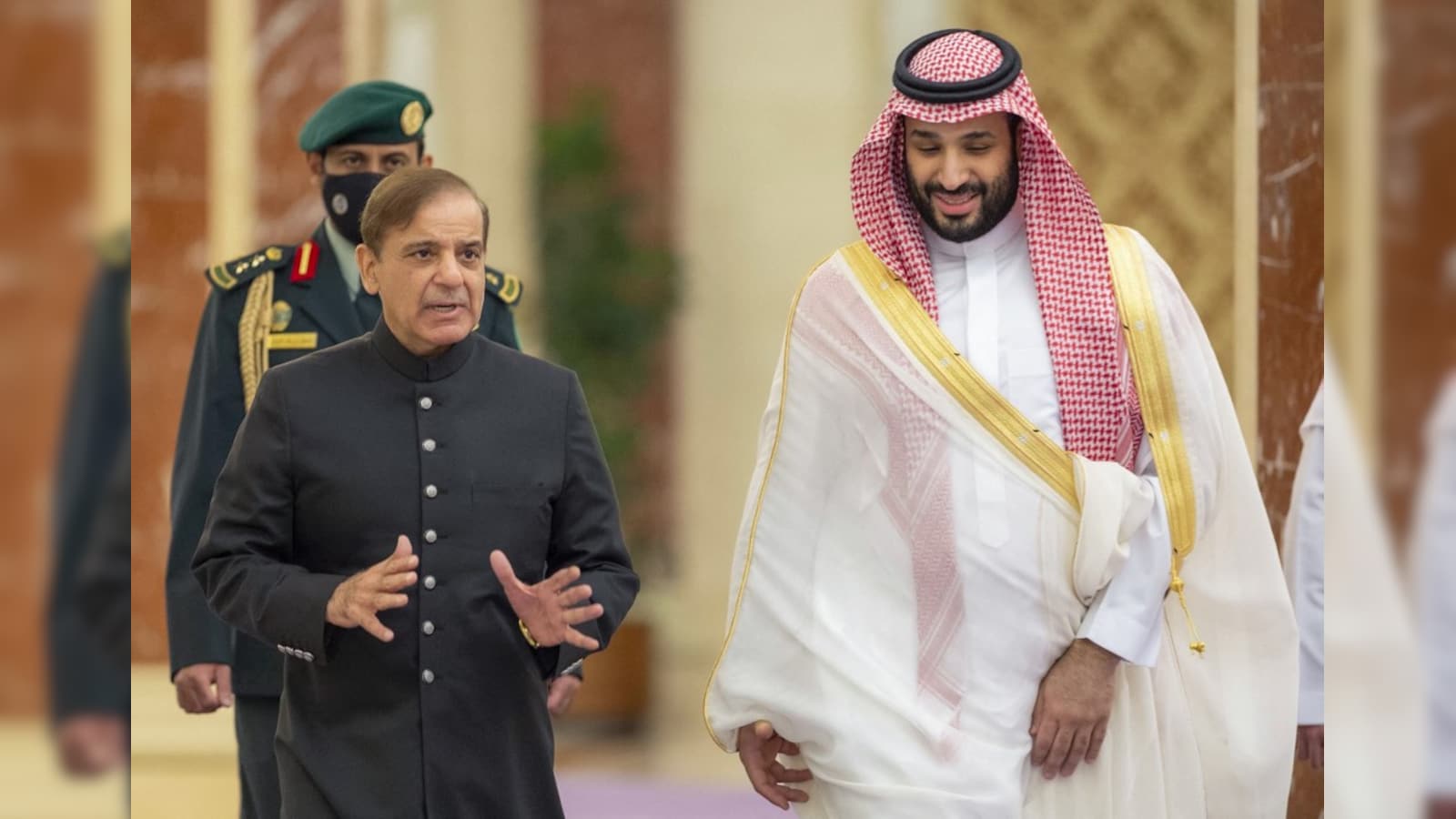
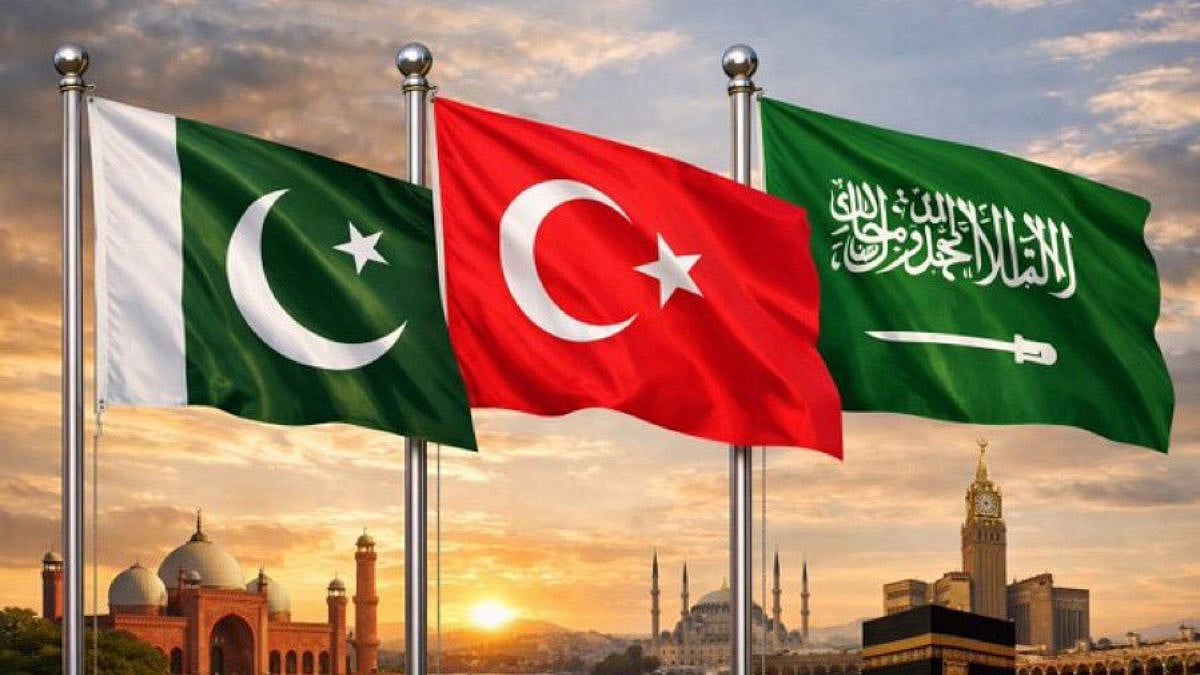
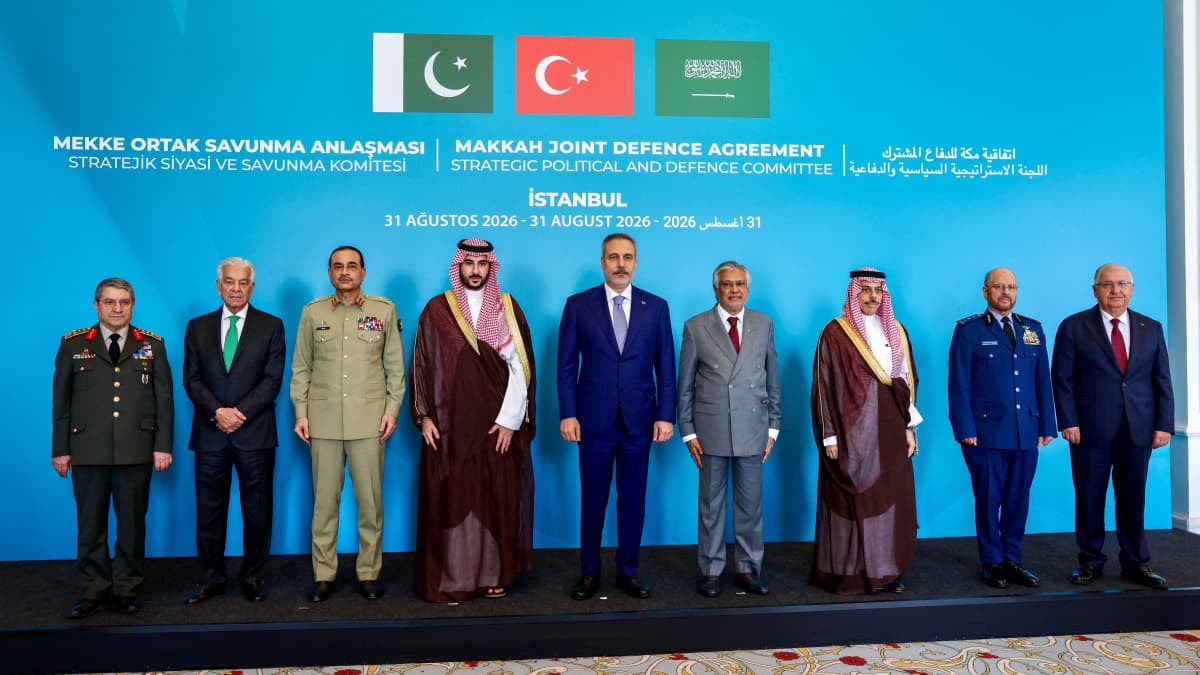
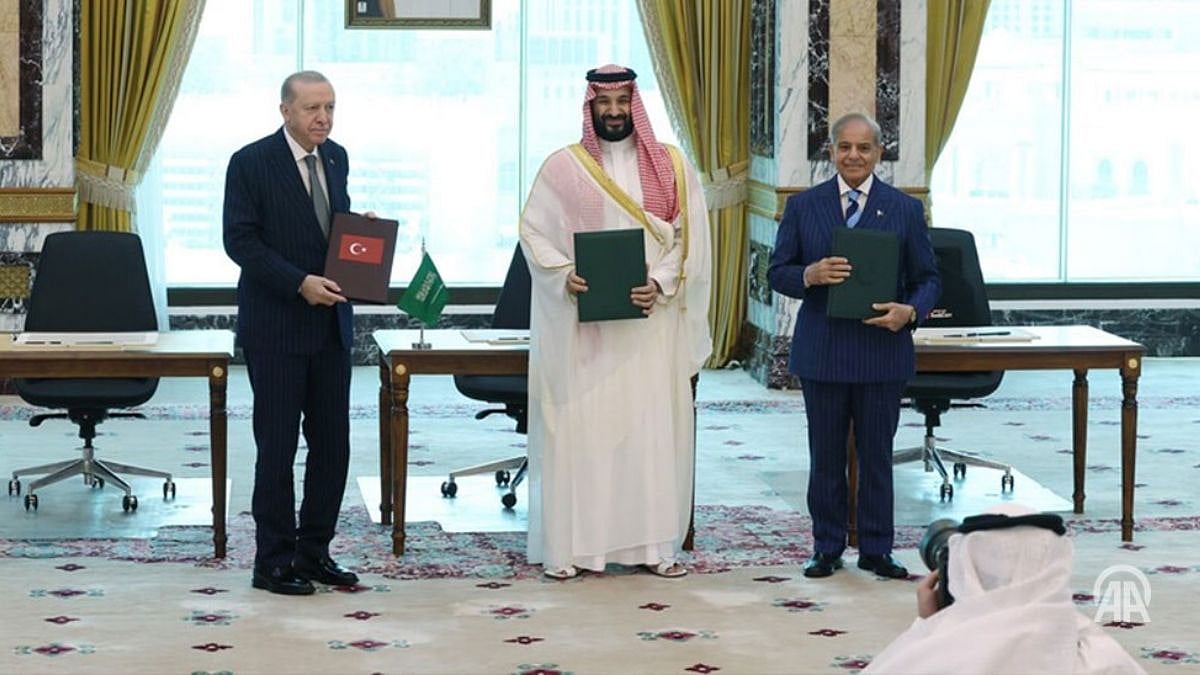
Three countries — Pakistan, Saudi Arabia and Turkiye — signed a special agreement together.
It is called the Mecca Joint Defence Agreement.
The agreement says that if one of the three countries is attacked, it will be treated as an attack on all three, meaning the countries promise to stand by each other.
The countries say the agreement is defensive and not meant to hurt anyone.
Some people call it an "Islamic NATO," like a big club of countries that help each other.
But the article says it might not be so simple.
In the past, Pakistan did not join Saudi Arabia's war in Yemen when asked in 2015.
Saudi Arabia also wants to stay friends with India, Pakistan's neighbour and a big trade partner.
The big question is whether these countries would actually send soldiers and weapons in a real fight, or just offer support and kind words.
That is what the article wants readers to think about.

Pakistan, Saudi Arabia and Turkiye signed the Mecca Joint Defence Agreement on August 7, 2026.
The pact says an armed attack on any one signatory will be treated as an attack on all, while calling itself defensive and not directed at any country.
It builds on the 2025 Pakistan-Saudi Arabia strategic defence relationship, expanding it into a trilateral framework with Turkiye.
Some commentators call the deal an "Islamic NATO" or a Sunni security bloc, though the article's author calls that an oversimplification.
The article questions whether the pact means real military intervention, citing Pakistan's 2015 refusal to join Saudi Arabia's Yemen campaign and Saudi Arabia's growing economic ties with India.
- Who
- Pakistan, Saudi Arabia and Turkiye, the three signatory states; the article also examines the implications for India
- What
- Signed the Mecca Joint Defence Agreement, a trilateral collective-defence pact under which an attack on one is treated as an attack on all
- Where
- The agreement is named after Mecca; the article does not specify the signing venue
- When
- August 7, 2026
- Why
- To formalise and expand Pakistan-Saudi strategic defence cooperation into a trilateral framework with Turkiye amid a more volatile regional security environment
Hard security bloc view
Limited political framework view
Depth of the collective defence commitment
Hard security bloc view
The pact's core clause — an armed attack on any one member is treated as an attack on all — formalises a genuine collective-defence commitment, with some commentators calling it an "Islamic NATO" and a Sunni security bloc.
Limited political framework view
The commitment is unlikely to mean automatic military intervention: Pakistan's parliament declined to join Saudi Arabia's Yemen campaign in 2015, and Saudi Arabia did not intervene militarily during the 2025 India-Pakistan confrontation despite close defence ties.
Saudi Arabia's alignment with Pakistan vs. India
Hard security bloc view
Riyadh has deepened defence ties with Pakistan over decades and has now formalised them in a broader trilateral framework with Turkiye, showing a willingness to expand security cooperation with Islamabad.
Limited political framework view
Saudi Arabia's economic and strategic relationship with India — a major energy customer, investment destination and partner in its diversification agenda — structurally limits how far Riyadh can go in backing Pakistan.
How India should read the pact
Hard security bloc view
The pact strengthens Pakistan's strategic positioning: Pakistan may now receive diplomatic backing, intelligence, military supplies or logistical assistance from Turkiye and potentially limited support from Saudi Arabia in a conflict.
Limited political framework view
The agreement is described as defensive and not directed at any specific country, so India should respond with sustained diplomatic engagement rather than alarmism or complacency.
Key facts
- Agreement
- Mecca Joint Defence Agreement
- Signatories
- Pakistan, Saudi Arabia, Turkiye
- Signed
- August 7, 2026
- Core clause
- An armed attack on any one signatory is treated as an attack on all
- Self-described nature
- Defensive arrangement not directed against any specific country
- Predecessor
- 2025 Pakistan-Saudi Arabia strategic defence relationship
- Commentators' label
- "Islamic NATO" or a Sunni security bloc (called an oversimplification by the article's author)
- Key precedent
- Pakistan declined to join the Saudi-led military campaign in Yemen in 2015
Sources
Related news
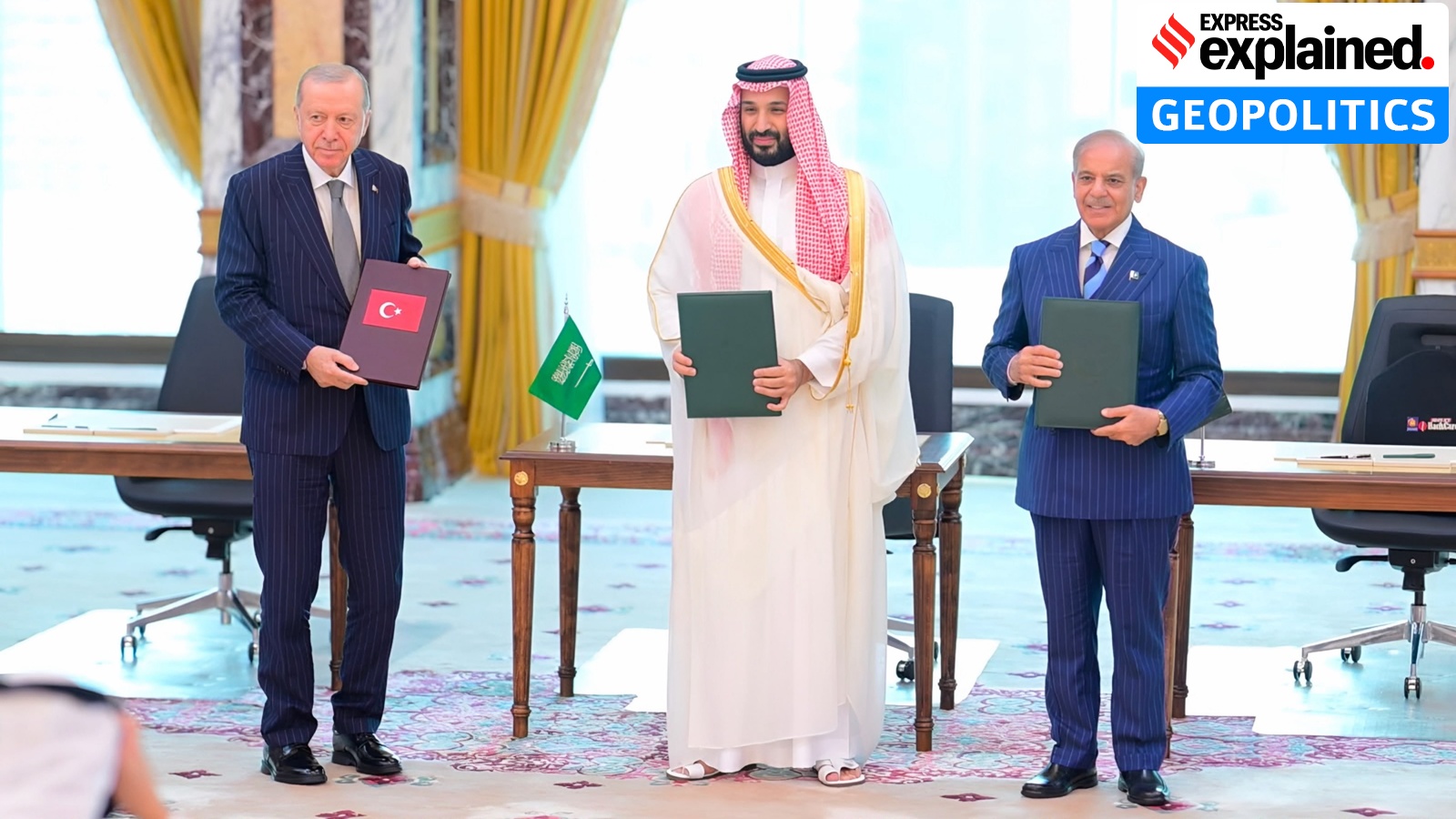
Saudi Arabia, Turkey, Pakistan Sign Mecca Joint Defence Agreement

Mecca Joint Defence Pact Risks Remaining Rhetorical, Report Warns
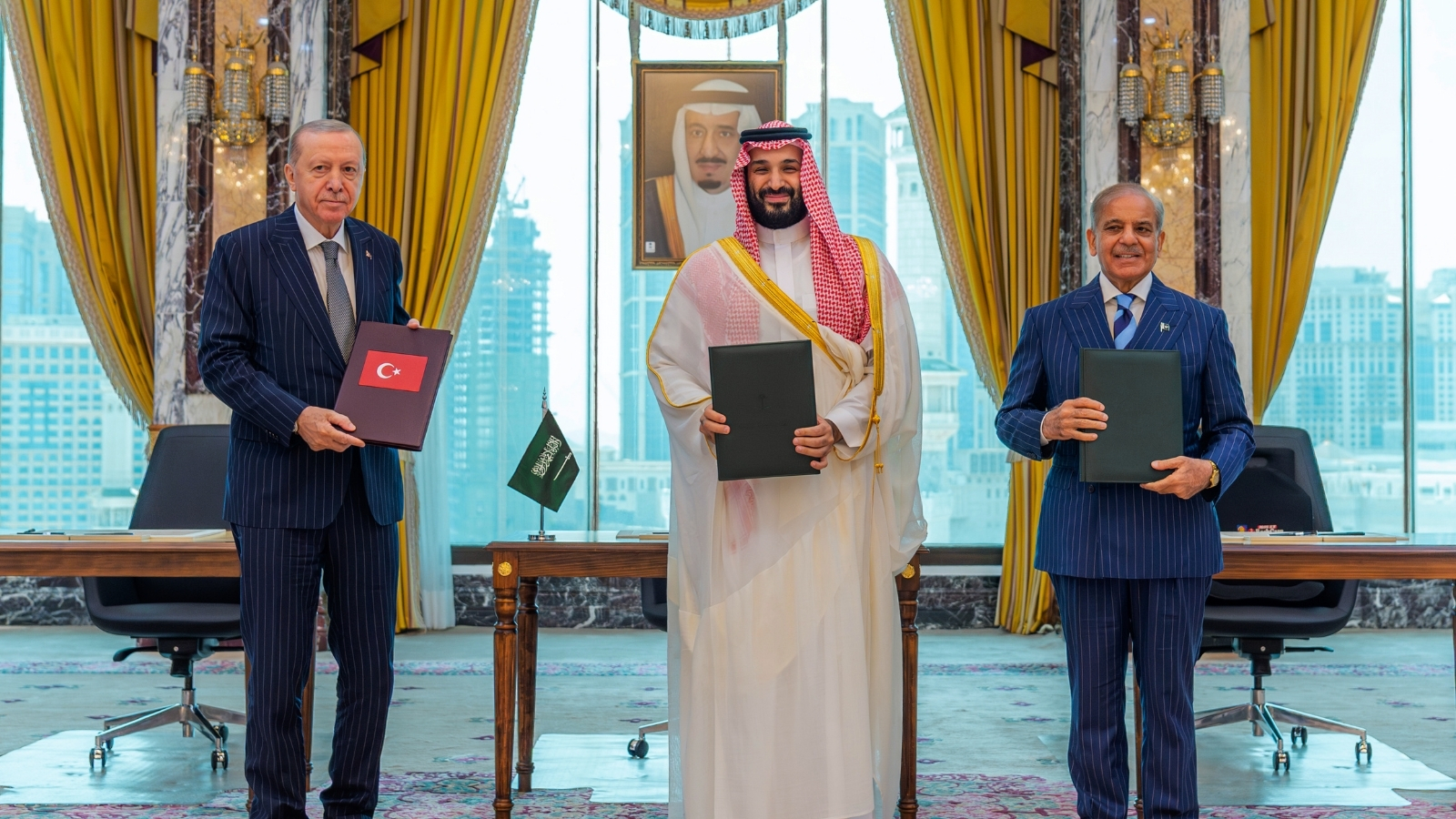
Mecca Pact Offers Pakistan No Blank Security Cheque
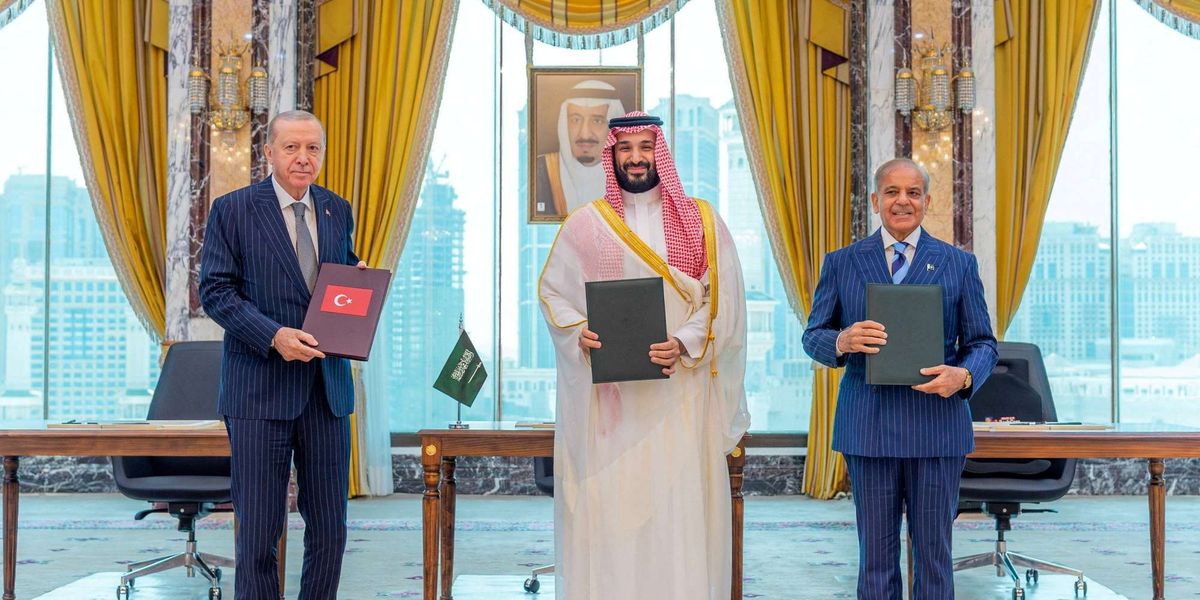
Saudi Arabia, Turkey and Pakistan sign Mecca Joint Defence Agreement
Saudi-Turkey-Pakistan Defence Pact Raises Security Concerns For India

Saudi Arabia, Turkey, Pakistan Sign Mecca Defence Agreement
Saudi, Turkey and Pakistan Build Riyadh Defence Pact Secretariat

Pakistan-Turkiye-Saudi Defence Pact Raises Serious Questions for India

India Watches Cautiously as MECCA Pact Members Meet
Pakistan, Saudi Arabia, Türkiye Hold First Makkah Pact Meeting
Bangladesh Weighs Joining Mecca Pact Amid Non-Alignment Concerns