4 days ago
India Keeps Indus Treaty Suspended as Pakistan Warns Region
India and Pakistan share rivers under a treaty made in 1960.
India put the treaty on hold after an attack in Pahalgam killed 26 people.
India says the treaty will stay paused until Pakistan takes firm action against cross-border terrorism.
Pakistan disagrees and says India cannot suspend the treaty by itself.
Pakistan says more than 250 million people depend on the Indus rivers.
These waters help provide food, electricity, farming and jobs.
Pakistan also says climate change is making its water problems worse.
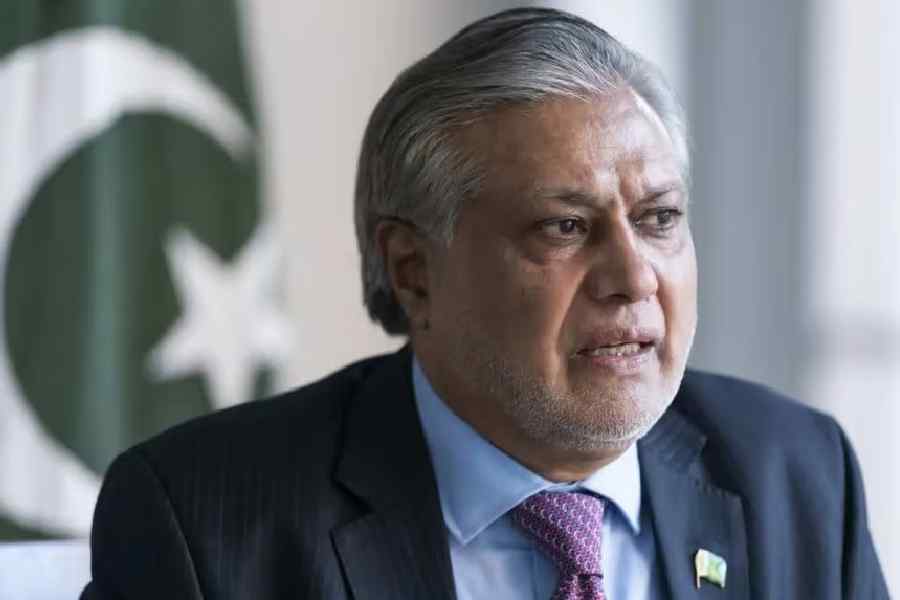
Ishaq Dar has warned that cutting Pakistan’s water could hurt peace and security in the region.

India placed the 1960 Indus Waters Treaty in abeyance in April 2025 after the Pahalgam attack killed 26 people.
India says treaty operations will not resume until Pakistan credibly and irrevocably ends its support for cross-border terrorism.
Pakistan Foreign Minister Ishaq Dar says India’s unilateral suspension has no basis in the treaty or international law.
Dar says more than 250 million Pakistanis depend on the Indus Basin for agriculture, food, energy, livelihoods and economic development.
Pakistan warns that cutting its treaty-allocated water could have profound regional consequences and urges cooperation over shared rivers.
- Who
- India and Pakistan; Pakistan’s Deputy Prime Minister and Foreign Minister Ishaq Dar spoke on Pakistan’s behalf.
- What
- India has kept the 1960 Indus Waters Treaty in abeyance, while Pakistan challenges the decision and warns of regional consequences.
- Where
- The dispute concerns the Indus River system shared by India and Pakistan; Dar addressed it at a virtual seminar organised by the Embassy of Pakistan in Washington.
- When
- India placed the treaty in abeyance in April 2025, following the April 22 Pahalgam attack.
- Why
- India linked the treaty’s restoration to Pakistan ending support for cross-border terrorism, while Pakistan says the suspension lacks a treaty basis and threatens its water and national security.
India’s position
Pakistan’s position
Basis for suspension
India’s position
India says the treaty will remain in abeyance until Pakistan credibly and irrevocably ends its support for cross-border terrorism after the Pahalgam attack.
Pakistan’s position
Pakistan says India’s unilateral decision has no basis in the treaty and that neither country can extinguish treaty obligations through a political declaration.
Water and security
India’s position
India links continued treaty operations and water cooperation to Pakistan’s actions against cross-border terrorism.
Pakistan’s position
Pakistan says the Indus is essential to its economic, food and national security because more than 250 million people depend on it.
Regional implications
India’s position
India’s stated position treats the suspension as a security response tied to terrorism concerns.
Pakistan’s position
Pakistan warns that depriving it of treaty-allocated water could have profound consequences for regional peace and security, and says shared waters should not be weaponised.
Key facts
- Treaty
- The Indus Waters Treaty was signed in 1960 and was brokered by the World Bank.
- River allocation
- The treaty governs six Indus Basin rivers, allocating the three eastern rivers to India and the three western rivers to Pakistan.
- India’s decision
- India placed the treaty in abeyance in April 2025 and says its operations will remain suspended.
- India’s condition
- India says Pakistan must credibly and irrevocably end its support for cross-border terrorism before treaty operations resume.
- Trigger cited
- India’s decision followed the April 22, 2025, Pahalgam terror attack, which killed 26 people.
- Pakistan’s dependence
- Ishaq Dar said more than 250 million Pakistanis depend on the Indus Basin for agriculture, food security, energy, livelihoods and economic development.
- Climate pressures
- Pakistan cited declining per-capita water availability, changing rainfall, glacial retreat, floods, droughts and varying water flows.
Quotes

Ishaq Dar
Pakistan’s deputy prime minister and foreign minister
“Let us therefore preserve the Indus as what it has always been for the peoples of our region — a source of life, livelihood and civilisation, not a fault line for confrontation. Shared waters must never be weaponised.”
 thestatesman.com
 deccanchronicle.com
“Any attempt to deprive Pakistan of the waters rightfully allocated to it under the Indus Waters Treaty would have profound consequences for regional peace and security.”
thestatesman.com
 telegraphindia.com
Sources

Related news

Sharif Declares Every Drop of Pakistan's Water a 'Red Line'
India, Pakistan Clash Over Indus Waters Treaty Compliance

Omar Abdullah Demands Permanent Suspension of the Indus Waters Treaty
Sharif Urges Water Treaty Respect at SCO Summit

Pakistan Warns India Could Use Water as Weapon
Shehbaz Sharif Threatens Direct Response Over Indus Treaty Suspension
Saudi, Turkey and Pakistan Build Riyadh Defence Pact Secretariat
India Rejects Hague Ruling Upholding Pakistan Water Treaty

Pakistan, Saudi Arabia, Türkiye Hold First Makkah Pact Meeting
Iran Rejects US Threats Amid Wider West Asia Tensions