

1 week ago
Iran Rejects Trump Economic Warfare Threats as Pakistan Mediates
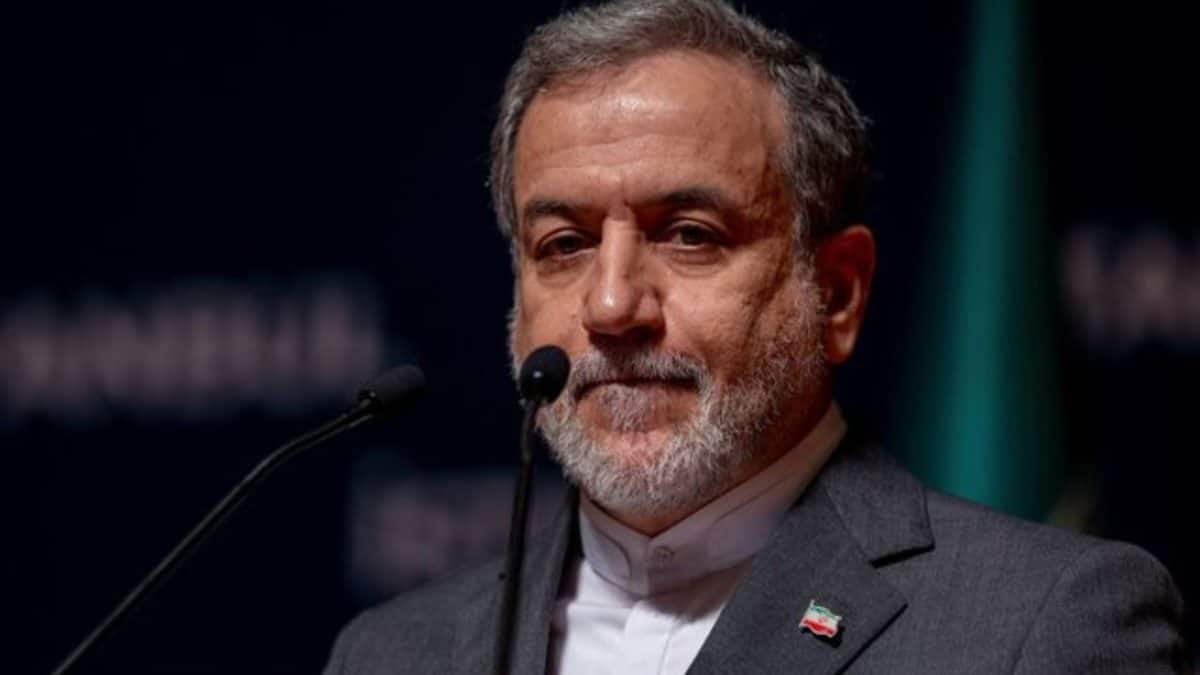
Iran has rejected a new threat of strong economic punishment from US President Donald Trump.
Trump said countries and organizations helping Iran could face serious economic consequences.
Iran’s foreign minister called the plan a failed policy and said it could harm countries’ economic independence.
The United States and Iran have been in conflict since attacks on February 28 led to retaliation across the region.
Pakistan is trying to help both countries lower tensions.
Pakistan also wants to help restart talks that have stopped.
Separately, Pakistan brought home two sailors killed in an attack on a commercial ship.
Six other Pakistani sailors who were hurt in that attack also returned safely.

Iranian Foreign Minister Abbas Araghchi called Donald Trump’s proposed economic measures a continuation of failed US policies.
Trump threatened unprecedented economic isolation against Iran and warned countries assisting Tehran of severe consequences.
Pakistan is maintaining contacts with Washington and Tehran to reduce tensions and revive stalled negotiations.
The diplomatic effort follows the expiration of a 60-day deadline under a June memorandum of understanding brokered by Pakistan.
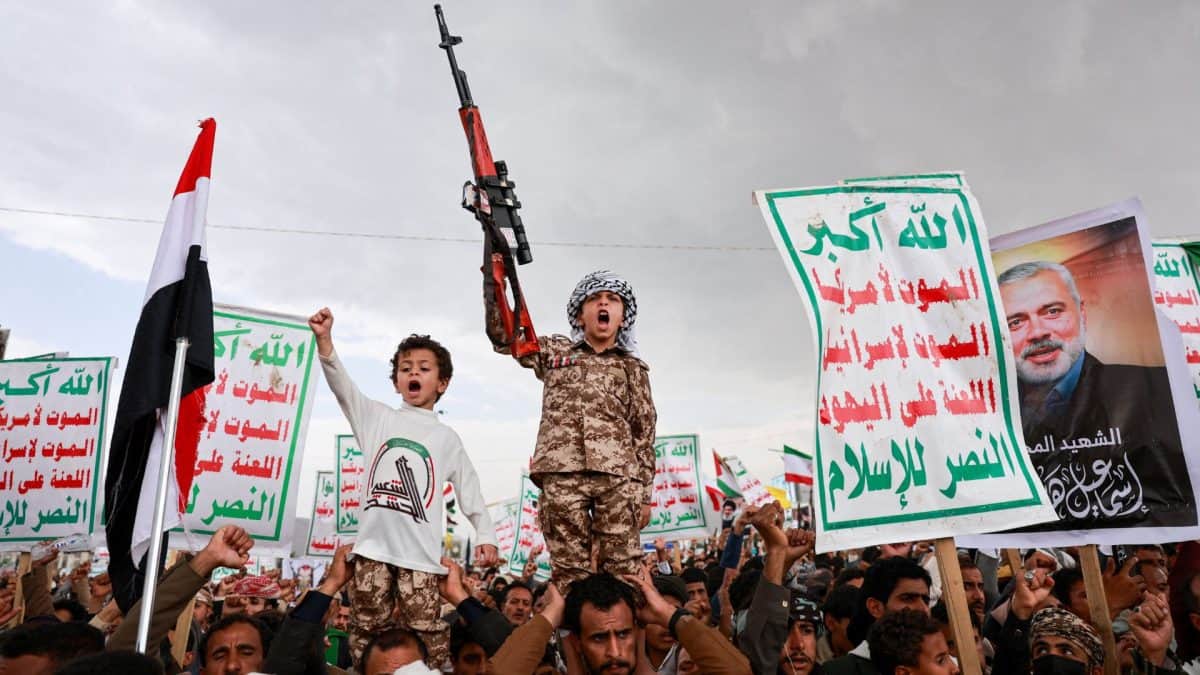
Pakistan repatriated two sailors killed in a Houthi attack, while six injured Pakistani sailors also returned safely.
- Who
- US President Donald Trump, Iranian Foreign Minister Abbas Araghchi, and Pakistan’s political and military leadership are central to the developments.
- What
- Iran rejected Trump’s proposed economic pressure campaign, while Pakistan pursued efforts to de-escalate US-Iran tensions and revive negotiations.
- Where
- The tensions involve the United States and Iran, while Pakistan is conducting diplomatic efforts from Islamabad; the sailors were attacked in the Bab el-Mandeb Strait.
- When
- The statements and diplomatic efforts were reported on Thursday; the conflict began on February 28, and a 60-day deadline under a June memorandum has expired.
- Why
- Trump said the measures were intended to isolate Iran, while Pakistan is seeking to prevent further escalation and restore dialogue.
Iran’s Position
United States Position
Economic pressure on Iran
Iran’s Position
Iran says the threatened economic measures continue failed policies, threaten the global economy and undermine sovereignty worldwide.
United States Position
Trump described the plan as unprecedented economic warfare and warned that entities providing Iran with financial or other support would face severe economic consequences.
Key facts
- Iran’s response
- Foreign Minister Abbas Araghchi described the US plan as a continuation of failed policies.
- Trump’s threat
- Trump called the proposed measures the most severe economic operation against any country and threatened consequences for countries assisting Iran.
- Pakistan’s role
- Pakistan is communicating with both Washington and Tehran to support de-escalation and a return to negotiations.
- Expired deadline
- A 60-day deadline under a June memorandum of understanding brokered by Pakistan has expired.
- Conflict start
- The article says war began on February 28 after US-Israeli attacks prompted Iranian retaliation across the region.
- Sailors repatriated
- Two Pakistani nationals killed in a Houthi attack were brought home, and six injured Pakistani sailors also returned.
Quotes

Abbas Araghchi
Iran's Foreign Minister
“"The so‑called 'Economic D-Day' is a diversion from America's own crisis: unprecedented debt & surging interest costs. Doubling down on failed policies will only bring further defeat -- and enmity of Iranians."”
 firstpost.com
“"ANY country that allows its financial institutions, businesses, airports, or government entities to provide any type of lifeline to Iran will itself face TREMENDOUS Economic Consequences."”
firstpost.com
Sources
Related news

US Prepares Tough Iran Sanctions as Pakistan Seeks Mediation
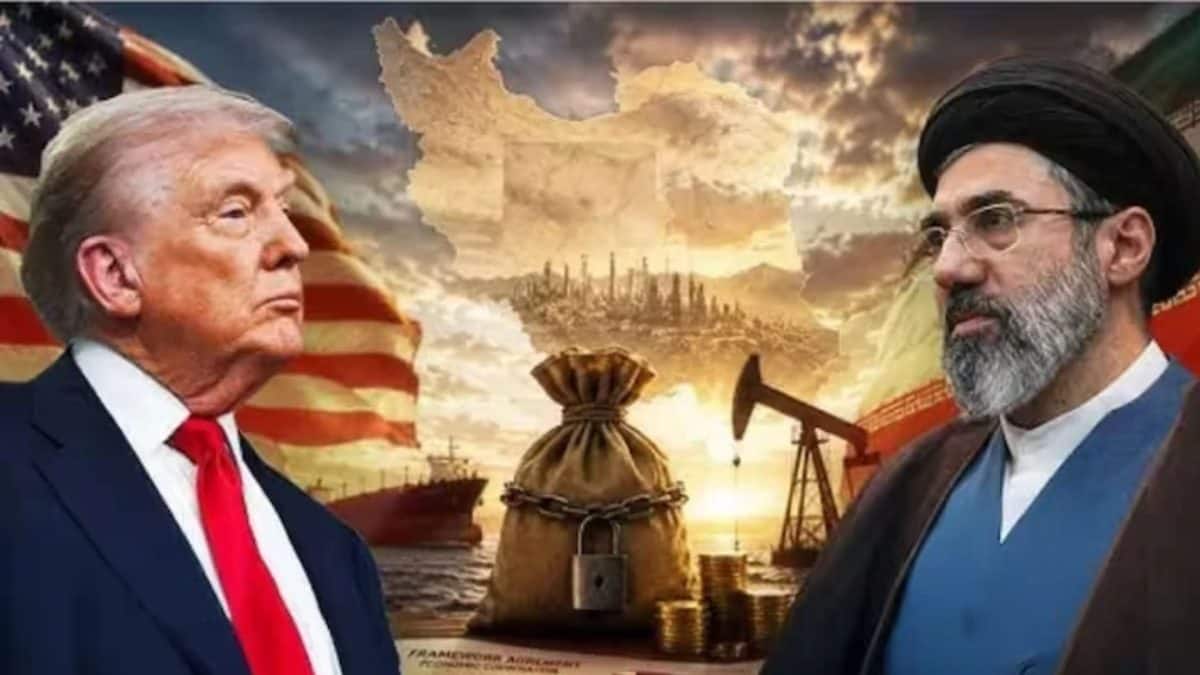
Iran Rejects Trump Sanctions Threat as Pezeshkian Backs Diplomacy

Trump Announces Unprecedented Economic Campaign to Isolate Iran, Warns Allies
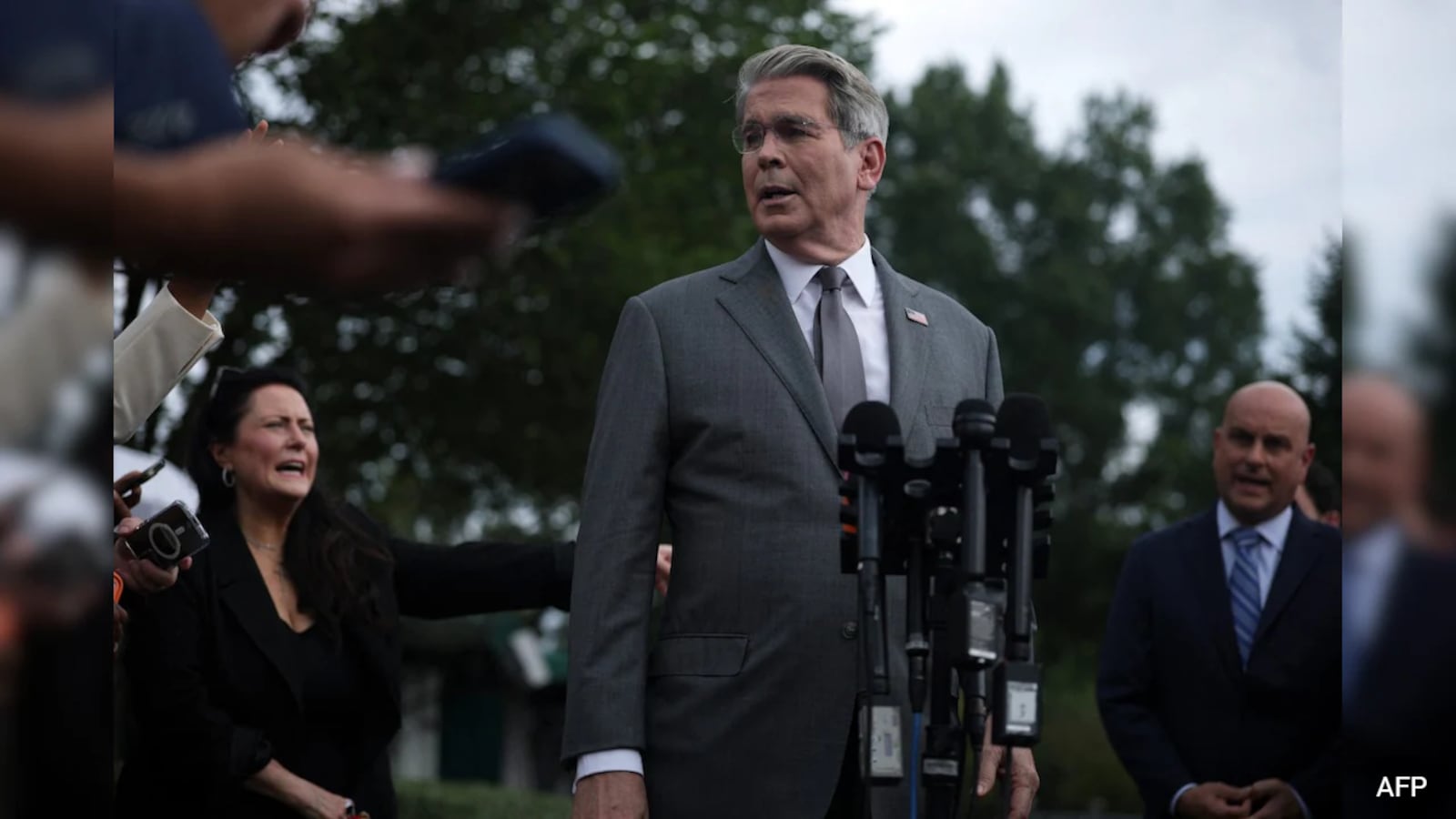
US Threatens Iran With Economic D-Day as Tehran Responds

Trump Announces Economic D-Day Against Iran, Warns Global Supporters
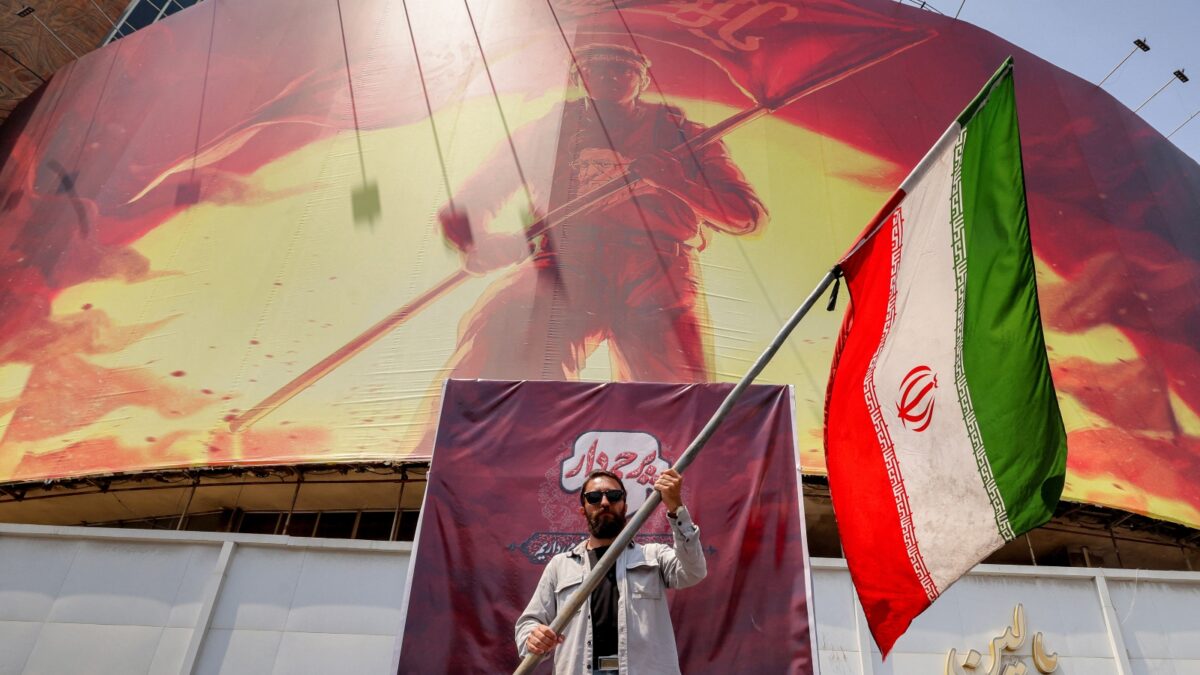
US Escalates Economic Pressure as Iran Plans Sanctions Response
Iran’s Proxy Network Weakens, But Its Wars Persist

Welspun Corp, Perma-Pipe Plan Jordan Pipe Manufacturing JV

WhatsApp Group Exposed Vast Hawala Network Tied to Crime

India Seek First Win Over Syria in U20 Qualifiers
Turkey-Israel Rivalry Deepens Over Syria and Regional Influence
