2 days ago
India Rejects Hague Ruling Upholding Pakistan Water Treaty

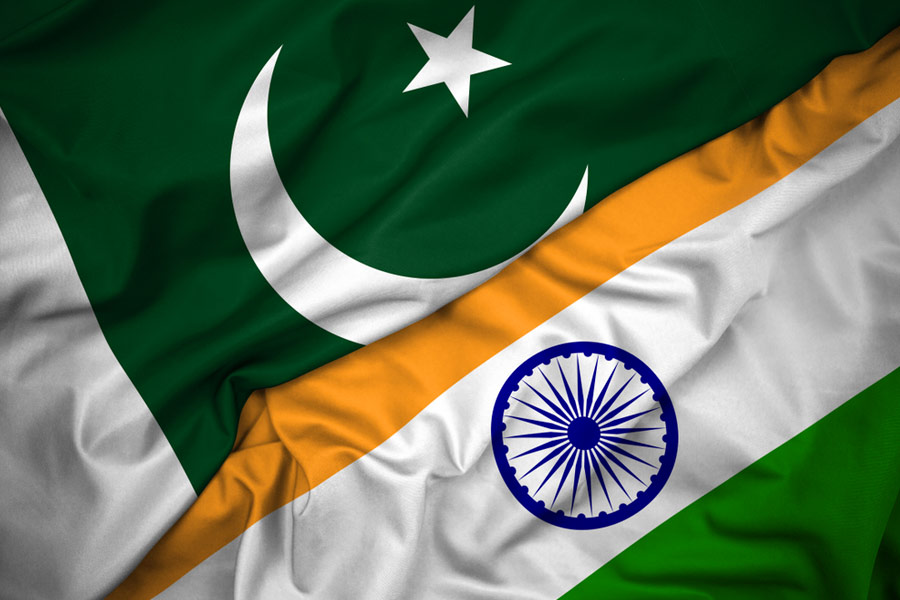
India and Pakistan share water under a treaty signed in 1960.
India suspended the treaty after an attack in Kashmir killed 26 civilians.
India said some attackers were from Pakistan, while Pakistan denied involvement.
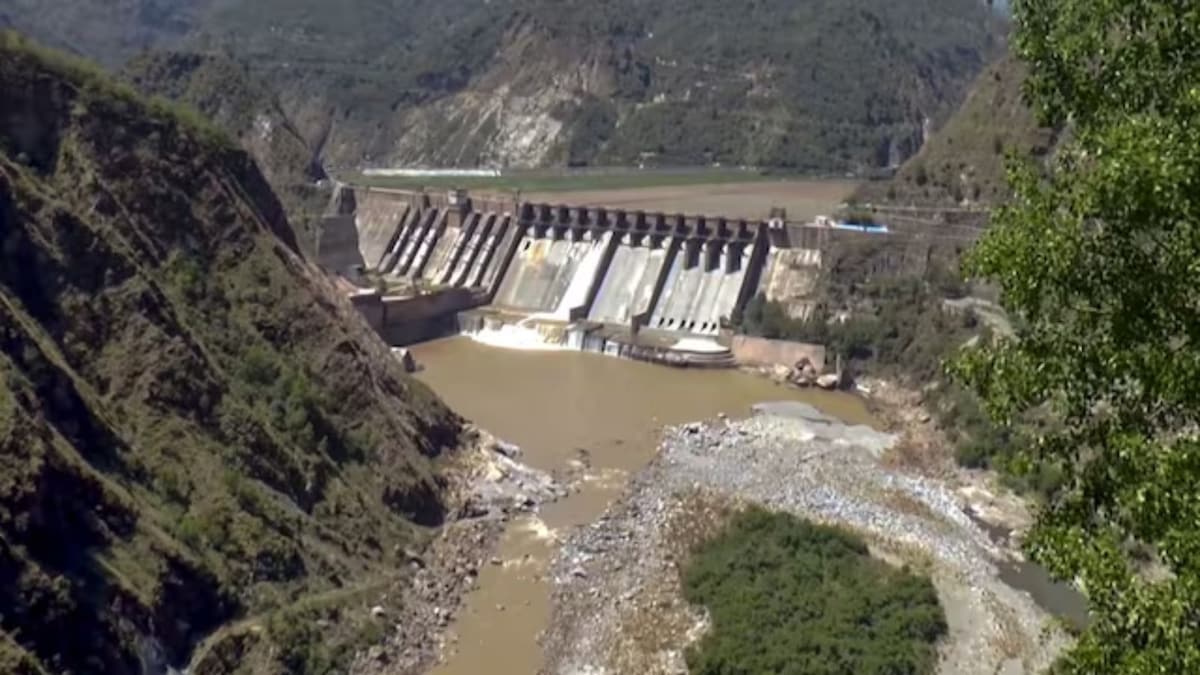
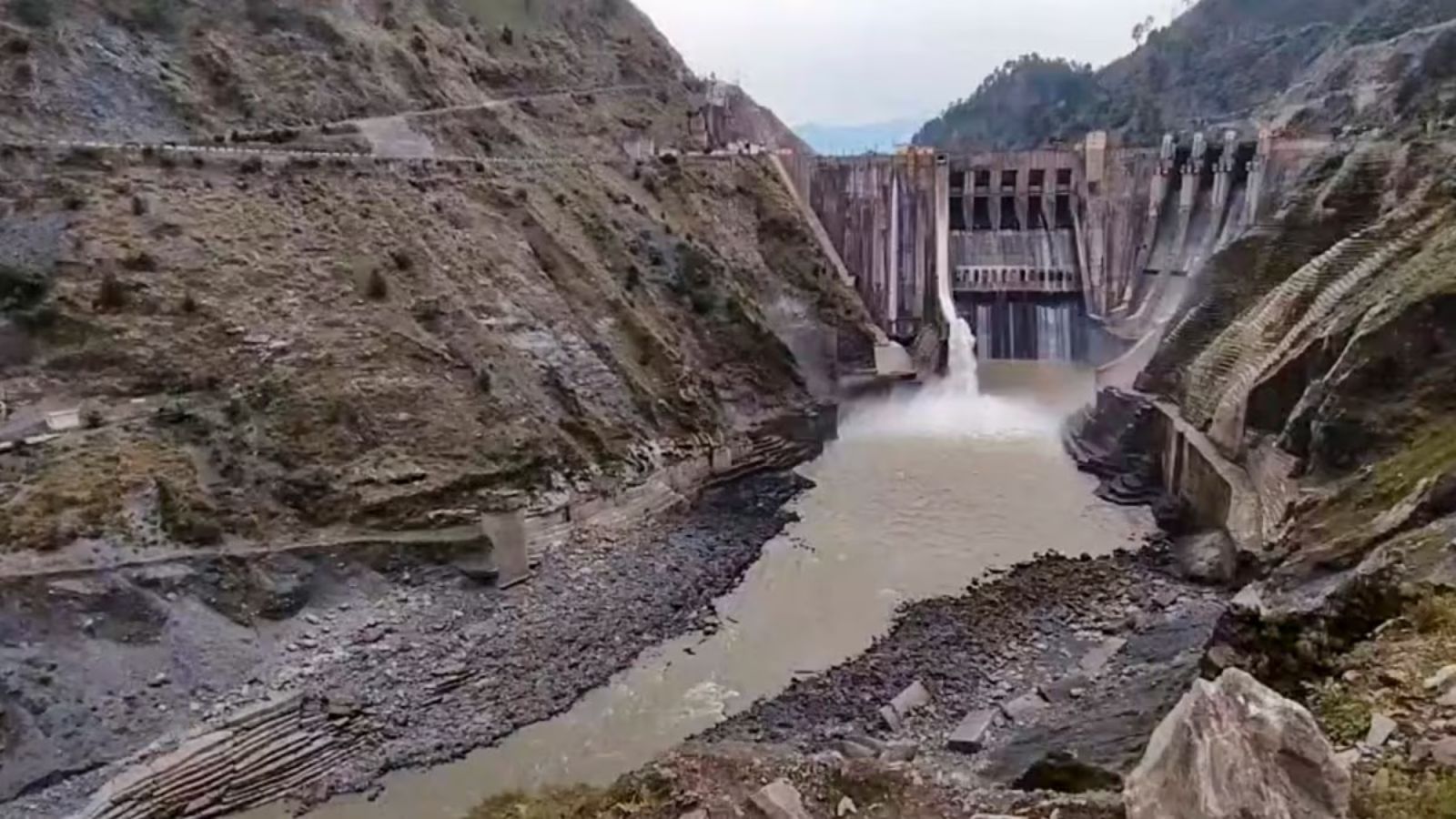
Pakistan challenged India’s actions involving two hydroelectric projects.
A court in The Hague said India could not suspend the treaty on its own.
The court also said India must follow the treaty’s rules while building projects on the Western Rivers.
A World Bank-appointed expert will review the projects by July 2027.
India said it does not accept the court’s authority and that the ruling will not affect its actions.
Pakistan’s deputy prime minister said the dispute concerns whether countries must honor international treaties.

The Permanent Court of Arbitration ruled that the Indus Waters Treaty remains fully in force.
The court said India must follow treaty obligations governing hydroelectric projects on the Western Rivers.
India rejected the ruling, saying the court is illegally constituted and has no jurisdiction over its sovereign decisions.
A World Bank-appointed neutral expert will assess the hydroelectric projects’ treaty compliance by July 2027.
India cannot build parts of the Ratle plant above specified levels until 90 days after the expert’s decision.
- Who
- The Permanent Court of Arbitration, India, Pakistan, a World Bank-appointed neutral expert, and Pakistan’s Deputy Prime Minister Ishaq Dar are central to the dispute.
- What
- The court ruled that the Indus Waters Treaty remains in force and placed limits on construction at the Ratle Hydro-Electric Plant.
- Where
- The dispute concerns the Hague-based Permanent Court of Arbitration and hydroelectric projects in Kashmir’s Himalayan region.
- When
- The ruling was issued on Monday, August 31; India suspended the treaty in April of the previous year, and the expert’s assessment is due by July 2027.
- Why
- India suspended the treaty after a Kashmir attack that killed 26 people and later increased reservoir capacity at two hydroelectric projects; Pakistan challenged those actions.
Court and Pakistan
India
Treaty status
Court and Pakistan
The court said the Indus Waters Treaty remains fully in force and that none of the examined grounds justified its suspension or termination. Pakistan said the treaty contains no provision allowing either country to place it in abeyance unilaterally.
India
India said its decision to hold the treaty in abeyance remains in force and rejected the court’s authority to rule on that decision.
Hydroelectric construction
Court and Pakistan
The court said India must observe treaty obligations governing projects on the Western Rivers and temporarily restricted construction at the Ratle Hydro-Electric Plant.
India
India said the court’s current and future pronouncements would have no effect on its actions involving its projects.
Terrorism and treaty obligations
Court and Pakistan
The court said the treaty addresses water rights and obligations, not terrorism or the use of force, and that India’s allegations would not establish a material breach by Pakistan even if assumed true. Pakistan denied involvement in the attack.
India
India said it would keep the treaty in abeyance until Pakistan credibly and irrevocably abandoned support for cross-border terrorism.
Key facts
- Treaty
- The Indus Waters Treaty has governed water sharing between India and Pakistan since 1960.
- Pakistan’s water supply
- The treaty ensures water supplies to 80% of Pakistani farms.
- India’s position
- India said the court is illegally constituted, lacks jurisdiction over its sovereign decisions, and that the treaty suspension remains in force.
- Court’s finding
- The Permanent Court of Arbitration said none of the grounds examined justified suspending or terminating the treaty.
- Neutral expert
- A World Bank-appointed neutral expert will assess whether the hydroelectric projects comply with the treaty by July 2027.
- Ratle restriction
- India cannot build the Ratle dam wall and power intake structure above specified levels until 90 days after the expert’s decision.
- Pakistan’s position
- Pakistan’s Deputy Prime Minister Ishaq Dar said neither country could unilaterally suspend treaty obligations under international law.
Quotes

India’s Ministry of Foreign Affairs
Indian government ministry responsible for foreign affairs
“In a unanimous decision, the Court found that none of these grounds could justify suspension or termination of the Treaty. Accordingly, the Indus Waters Treaty remains fully in force, and India must observe its obligations under the Treaty, including those relating to the design and operation of its hydro-electric projects on the Western Rivers.”
 telegraphindia.com
 theprint.in
theprint.in
theprint.in
“This so called Court was constituted by the World Bank in patent breach of the terms of the Treaty and India categorically rejects its so-called award, just as it has firmly rejected all prior pronouncements by this illegally constituted body.”
theprint.in

Ishaq Dar
Pakistan’s deputy prime minister
“The treaty contains no provision permitting either party to unilaterally suspend or place it in abeyance”
telegraphindia.com
Sources

Related news
Hague Court Says India Must Uphold Indus Waters Treaty
India Rejects Hague Award, Keeps Indus Waters Treaty Suspended

Pakistan Urges India to Uphold Indus Waters Treaty Ruling

India Rejects Hague Order to Restore Indus Waters Treaty
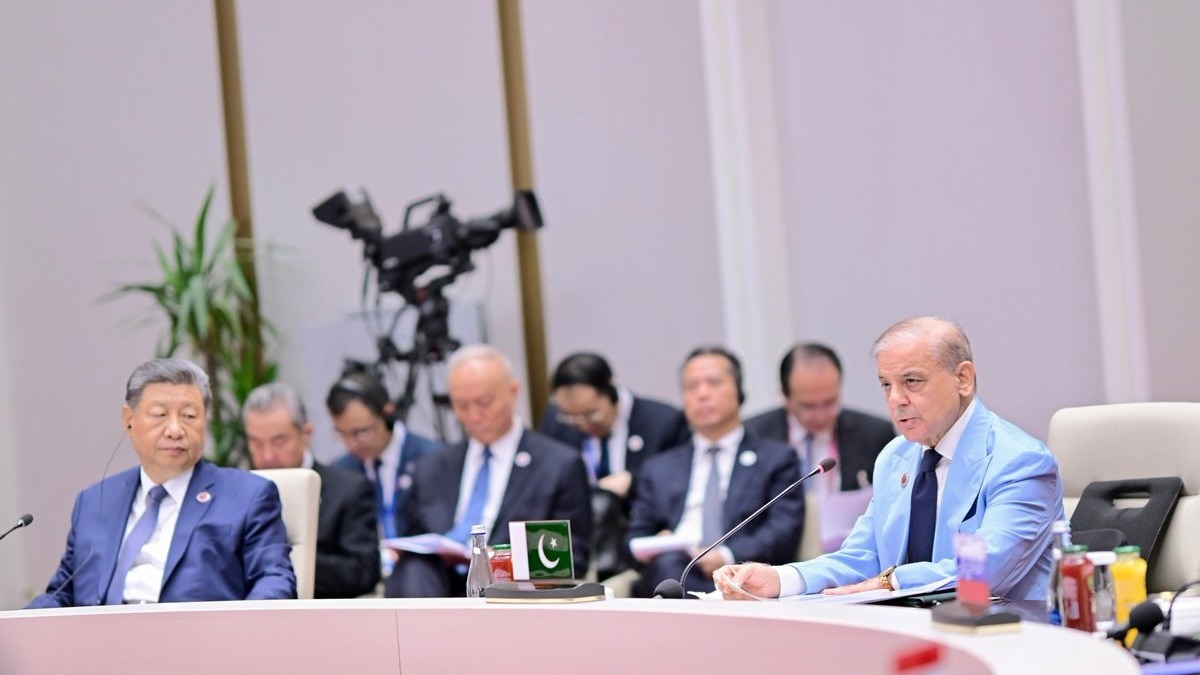
Pakistan Raises Indus Treaty Concerns as India Rejects Hague Ruling

Saudi, Turkey and Pakistan Build Riyadh Defence Pact Secretariat

Pakistan, Saudi Arabia, Türkiye Hold First Makkah Pact Meeting
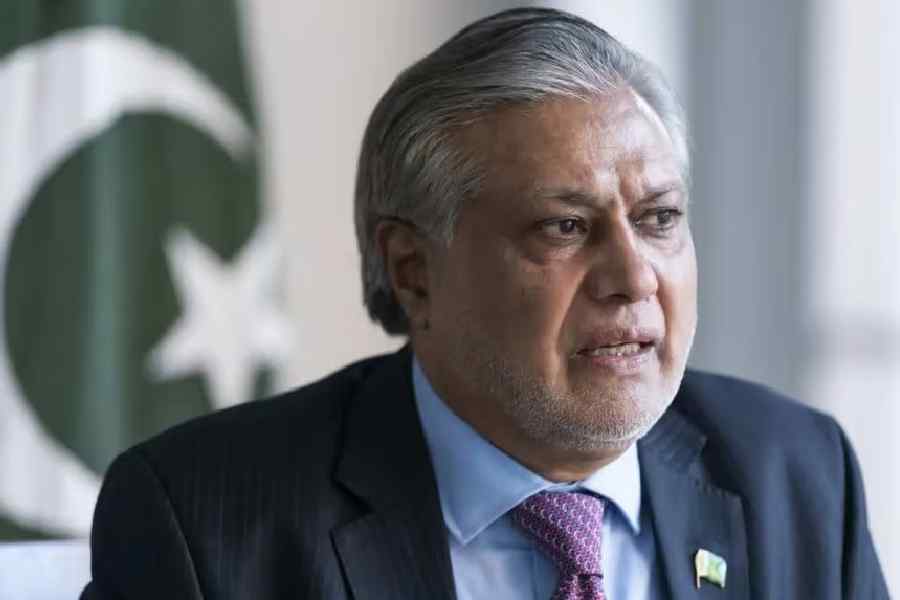
India Keeps Indus Treaty Suspended as Pakistan Warns Region
Iran Rejects US Threats Amid Wider West Asia Tensions