5 days ago
Nepal-Tibet Floods Reveal a Hidden Himalayan Chain Reaction
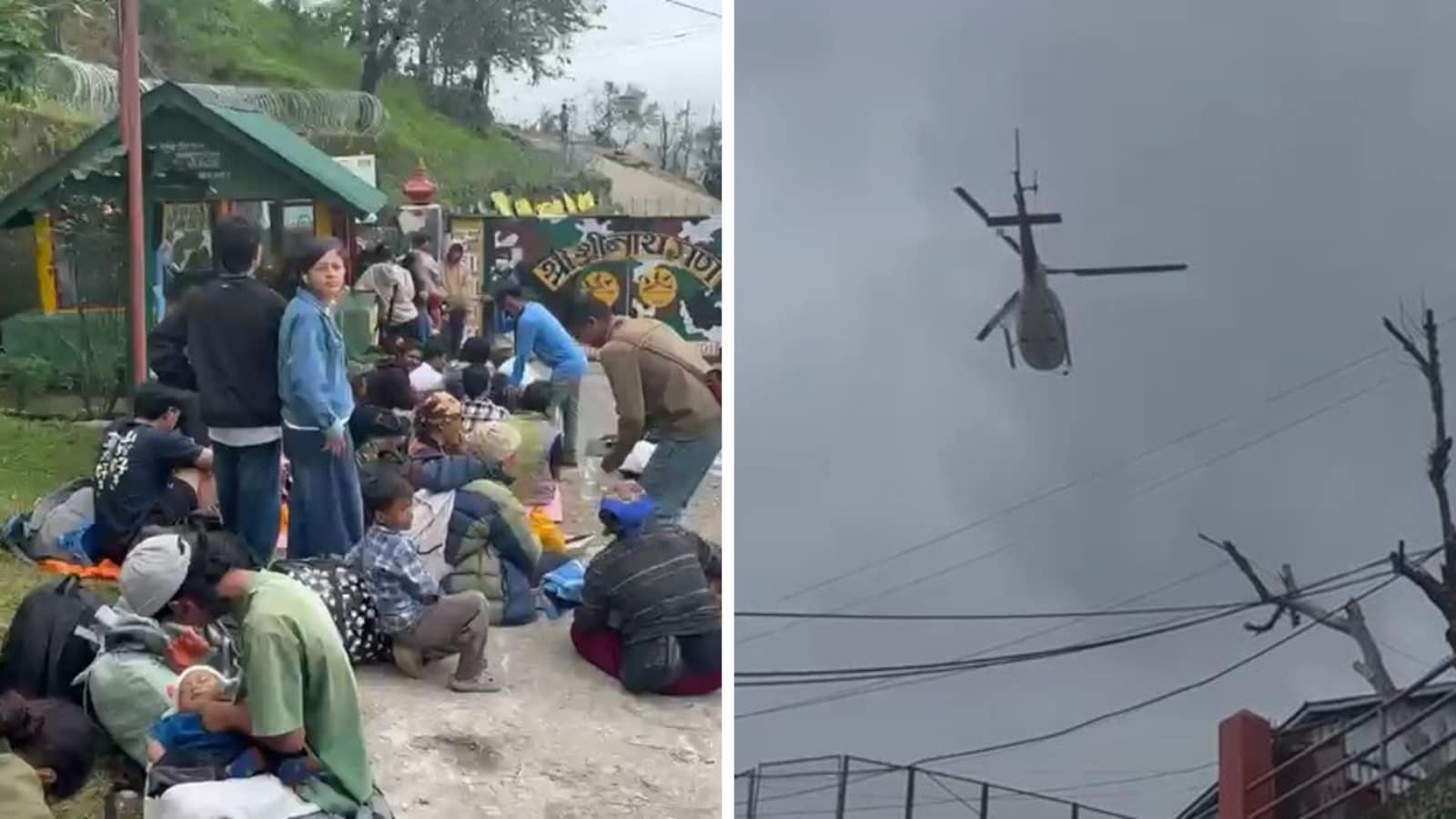
A sudden disaster happened near the Nepal-Tibet border.
At first, officials thought an earthquake might have caused it.
Scientists later said the signal looked more like a landslide.
They believe a mixture of rock and ice blocked the Lhende River.
Water built up behind the blockage and then broke through.
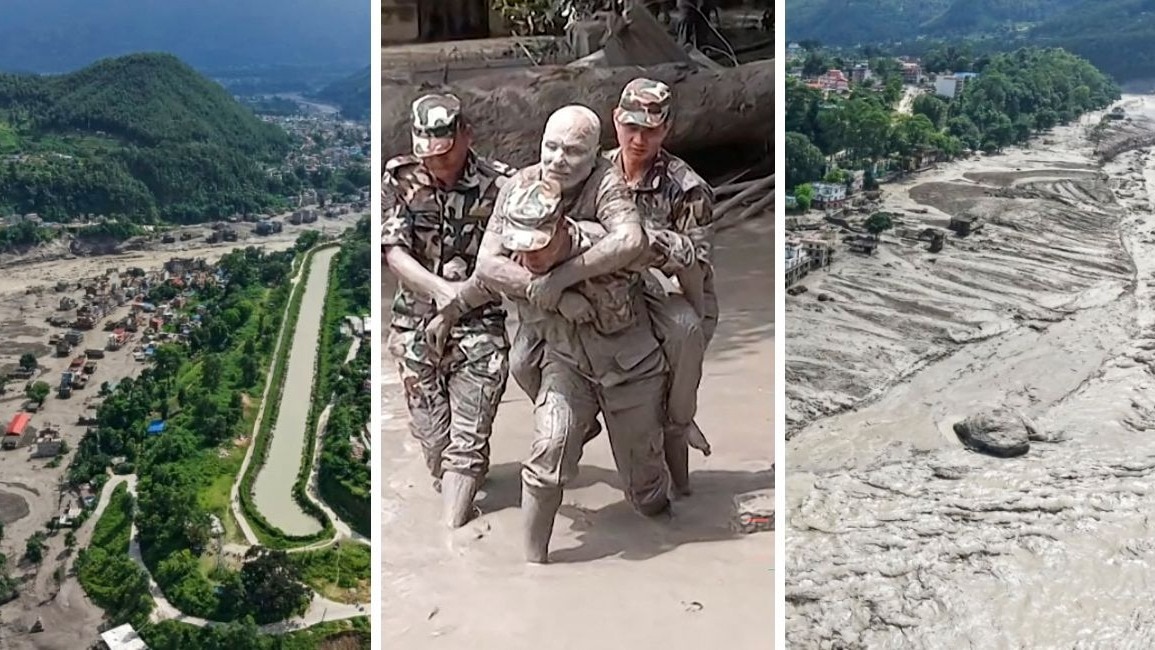
The rushing water carried mud, rocks, trees and buildings downstream.
This made the event much more dangerous than an ordinary rainstorm flood.
There was not much rain before the disaster, so normal warning systems had few clues.
Scientists are studying whether warmer temperatures and melting glaciers are making Himalayan slopes less stable, but they have not directly blamed climate change for this event.

A rock-and-ice avalanche may have blocked Nepal’s Lhende River before unleashing a destructive flood.
United States Geological Survey analysis found the reported magnitude 4.4 earthquake signal was more consistent with a landslide.
Satellite analysis indicated that part of a glacier may have collapsed into the river system.
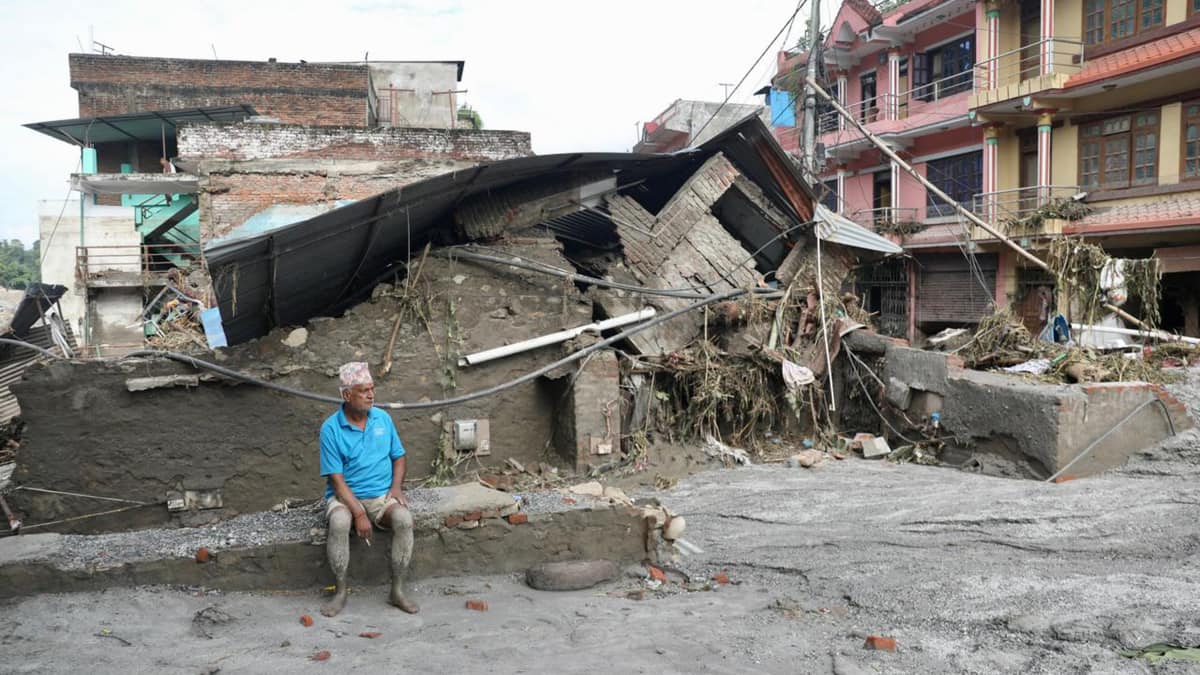
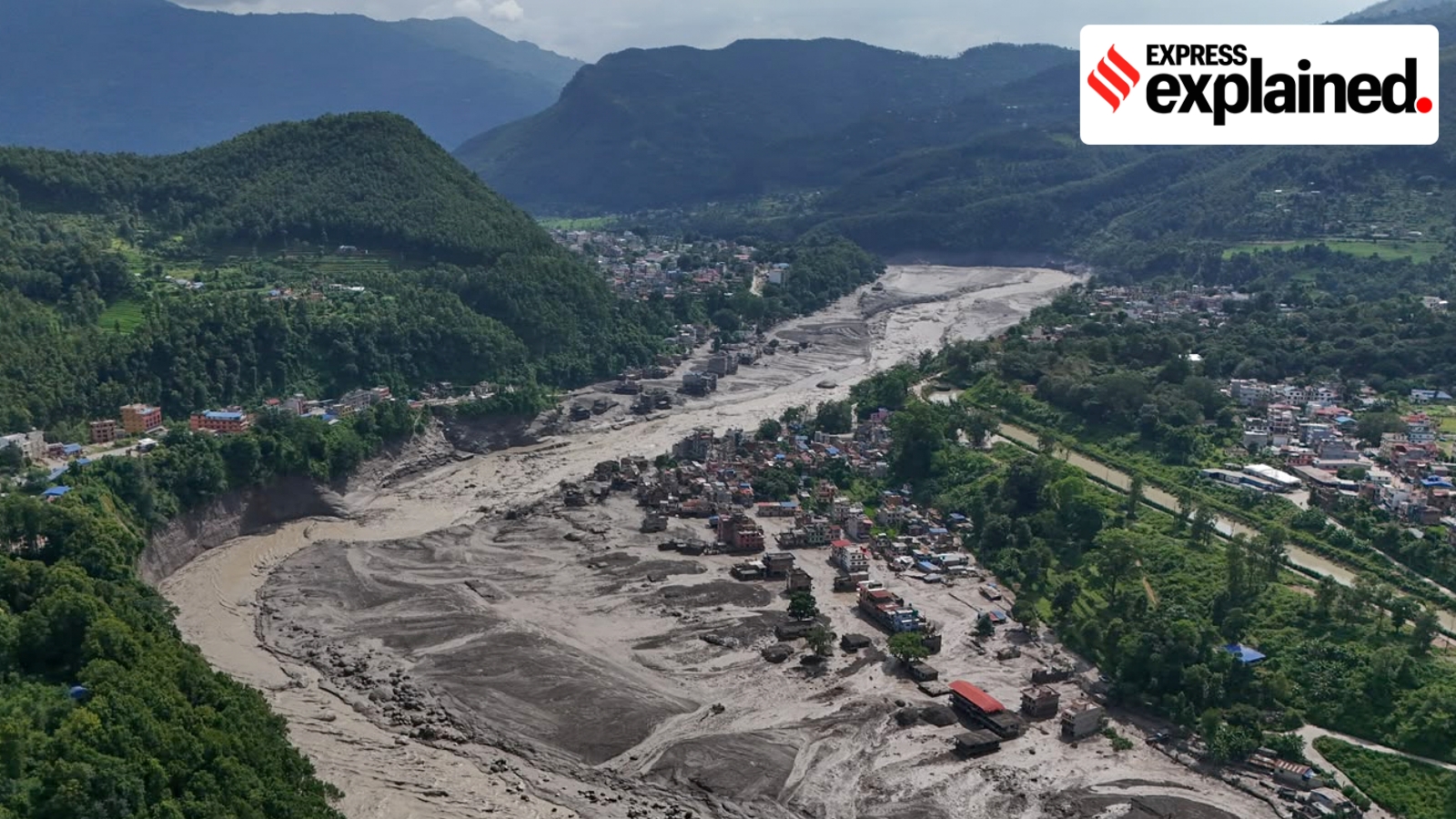
The resulting torrent carried water, sediment, rocks, trees and buildings through narrow mountain valleys.
Little rainfall preceded the disaster, making conventional flood-warning systems less likely to detect it.
- Who
- Scientists, authorities and communities in Nepal and the Tibet border region were involved or affected.
- What
- A suspected rock-and-ice avalanche or glacier collapse may have blocked the Lhende River and caused a debris-filled flood.
- Where
- In the Nepal-Tibet border region, with impacts extending into downstream river systems.
- When
- The disaster occurred on August 26; the articles do not specify the year for this event.
- Why
- A temporary natural dam appears to have failed after a landslide or avalanche, releasing stored water and debris.
Initial earthquake theory
Emerging landslide explanation
What triggered the flood?
Initial earthquake theory
Nepal’s Foreign Minister Shishir Khanal initially said an earthquake may have triggered a landslide that blocked a river.
Emerging landslide explanation
Further analysis by the United States Geological Survey found the seismic signal was more consistent with energy from a landslide, while researchers reported no unusual activity on the Chinese side.
Was climate change responsible?
Initial earthquake theory
The region’s warming, glacier retreat and degrading permafrost may be increasing the conditions that allow landslides, ice avalanches and glacial floods.
Emerging landslide explanation
Researchers caution that this individual landslide or glacier collapse cannot be attributed to climate change without a formal attribution study.
Key facts
- Suspected trigger
- A rock-and-ice avalanche or landslide in Nepal.
- Affected river
- The Lhende River was reportedly blocked by the moving rock and ice.
- Reported seismic signal
- Initially described as a magnitude 4.4 earthquake, but later analysis linked it more closely to landslide energy.
- Rainfall
- There was no significant rainfall immediately before the disaster.
- Flood composition
- The flow carried water, sediment, boulders, mud, trees and buildings.
- Climate-change assessment
- Scientists have not established that climate change directly caused this individual event.
- Regional risks
- Rising temperatures, glacier retreat and permafrost degradation may affect the stability of Himalayan slopes.
Sources
Related news
Nepal Flood Exposes Himalayan Cascading Hazard Risks

Nepal Glacier Avalanche Exposes Cascading Himalayan Disaster Risks
Nepal Flash Flood Echoes Himalayan Disasters, Signals Future Risks
Nepal Avalanche Floods Echo Chamoli With Greater Downstream Impact
Scientists Investigate Deadly Nepal Floods After Landslide and River Blockage
Nepal Border Flood Mystery Shifts From Earthquake To Glacier Collapse

Nepal Thanks India as Glacial Disaster Rescue Efforts Continue
Nepal Warns of Heavy Rain After Deadly Floods
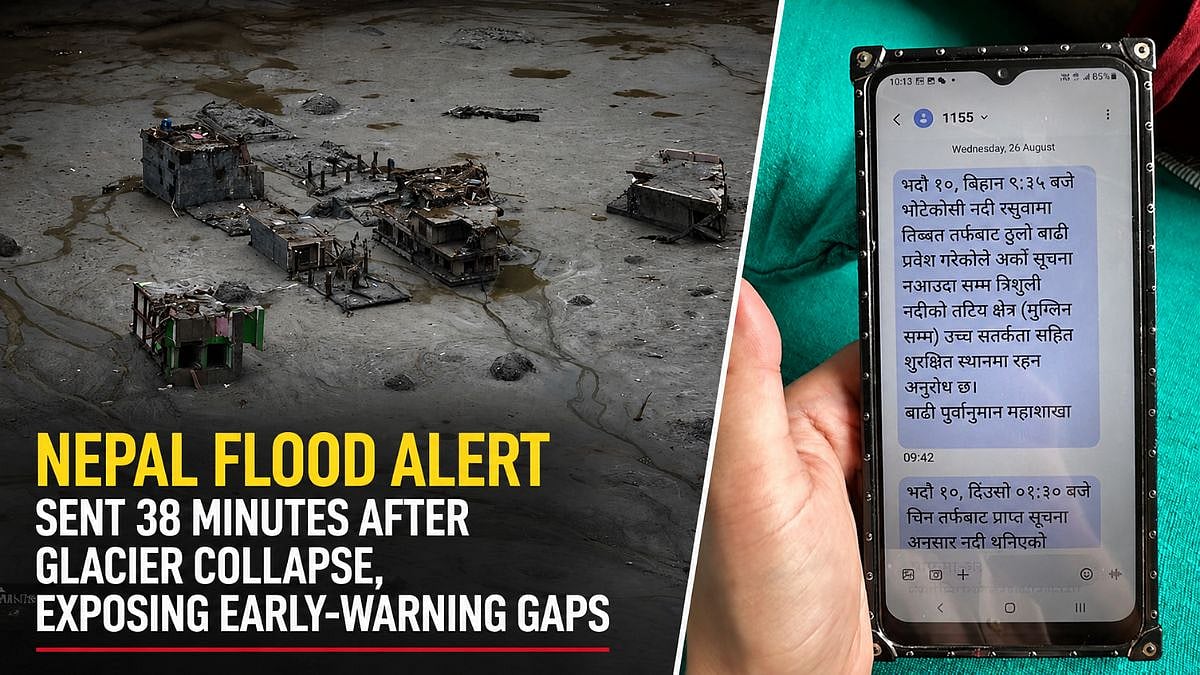
Nepal Flood Exposes Delayed Alerts and Cross-Border Warning Gaps

Bhotekoshi Flood Crisis: Nepal PM Shah Calls for Courage

Nepal PM Thanks India, China Amid Climate Compensation Demand