

6 days ago
Scientists Investigate Deadly Nepal Floods After Landslide and River Blockage
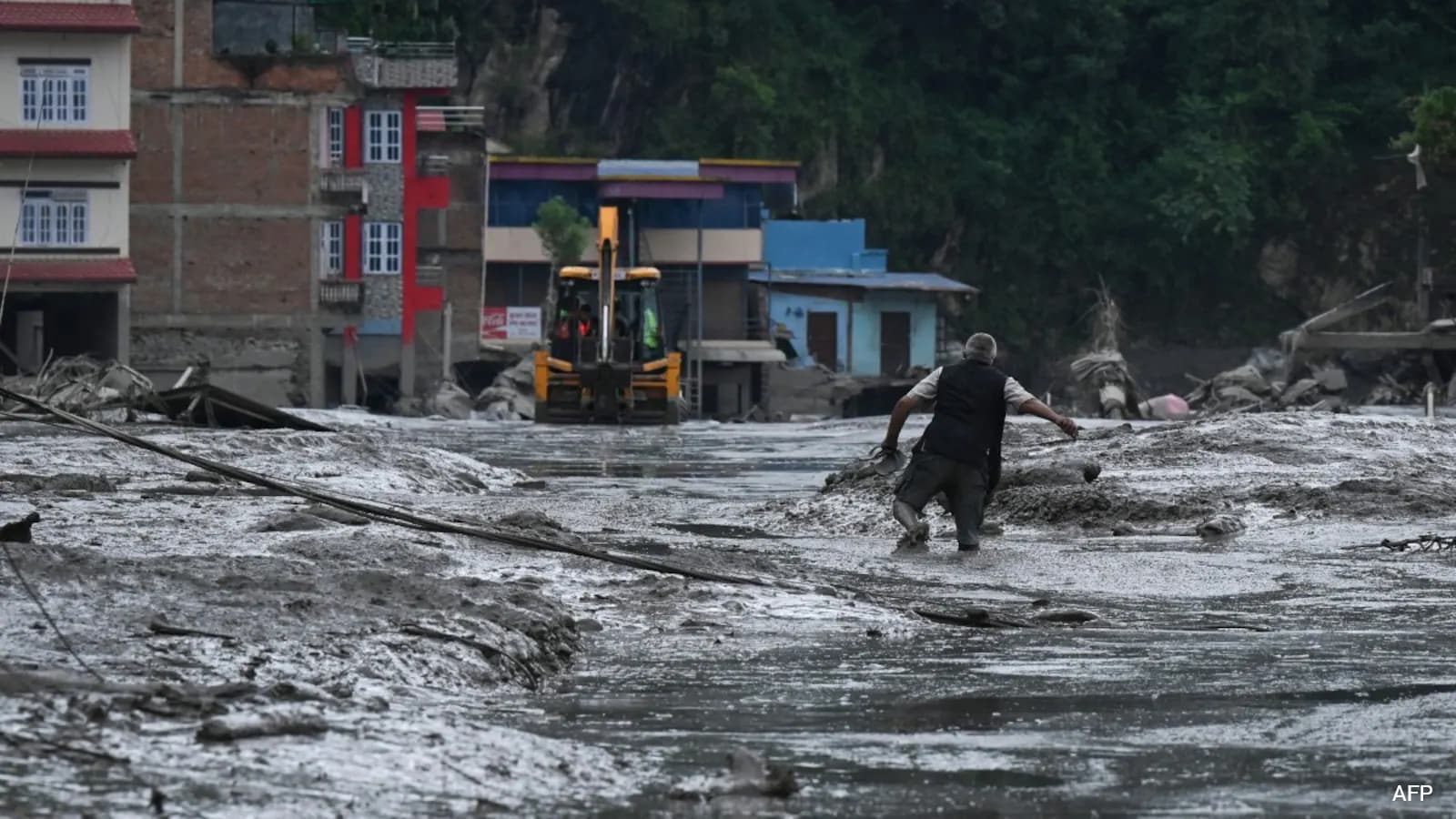
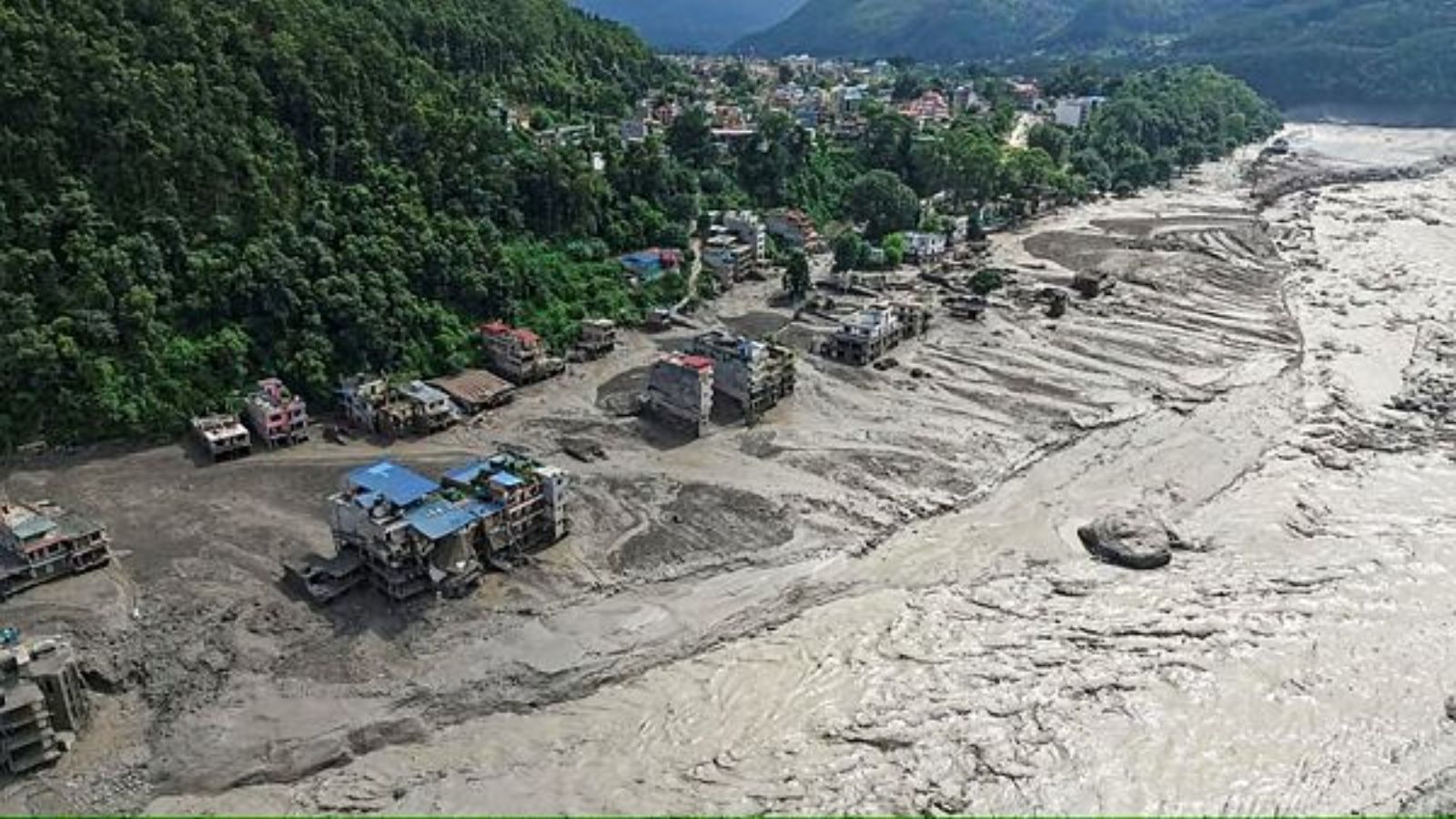
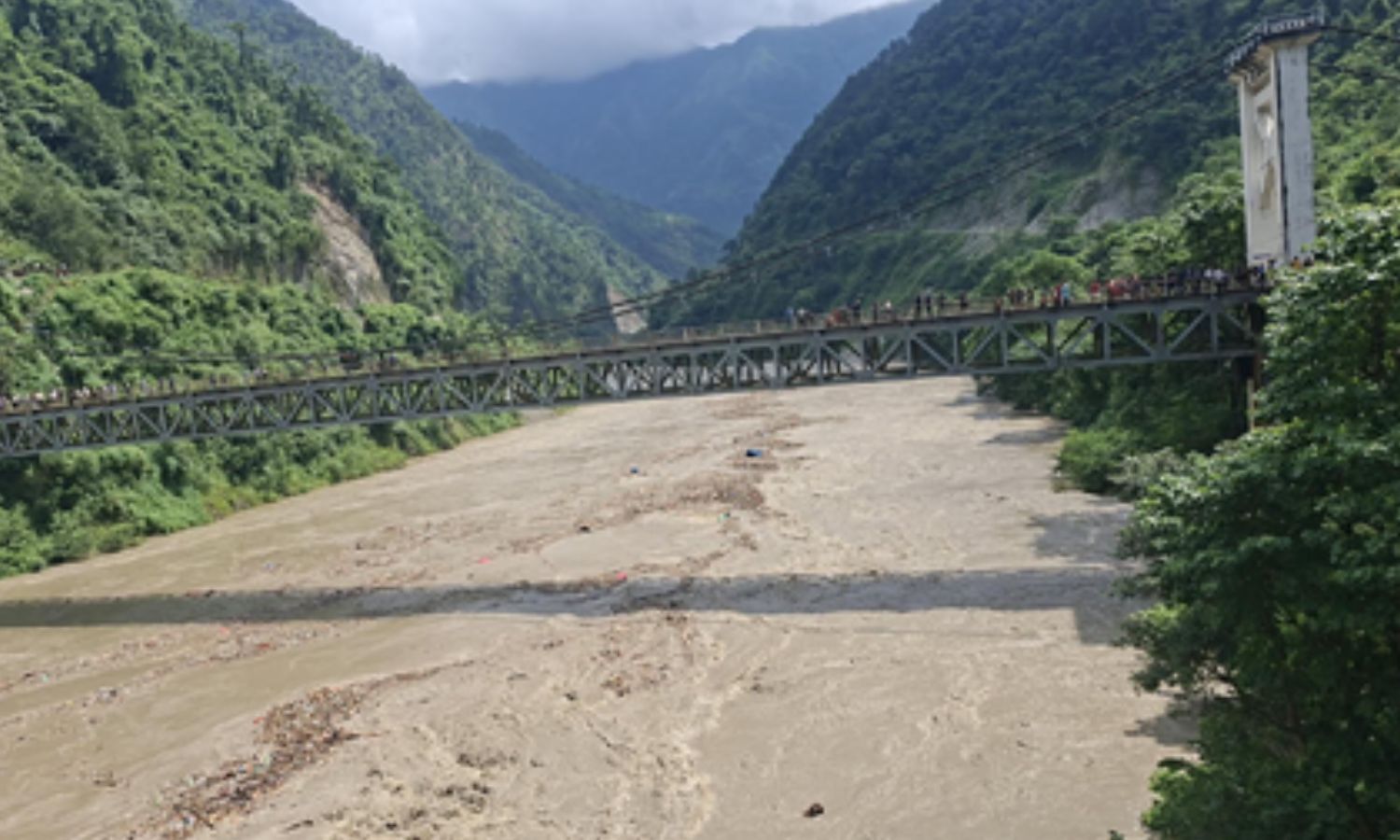
A huge flow of mud, rocks and water swept through areas near Nepal’s border with Tibet.
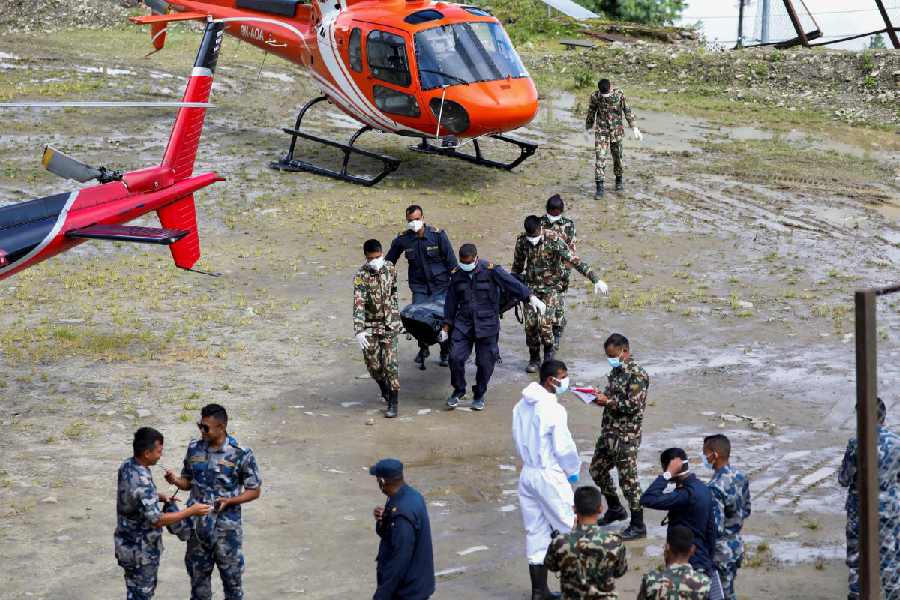
At least 160 people died, and many others are still missing.
Officials first thought an earthquake caused a landslide that blocked a river.
The United States Geological Survey said the shaking may actually have been caused by the landslide itself.
The landslide may have created a temporary dam, which later broke and released a powerful flood.
Experts said people probably cannot outrun this kind of flow once they see it.
Climbing to higher ground may be safer than trying to drive away.
Scientists are also checking whether climate change made the disaster more likely.
They say no firm connection can be made until further studies are completed.

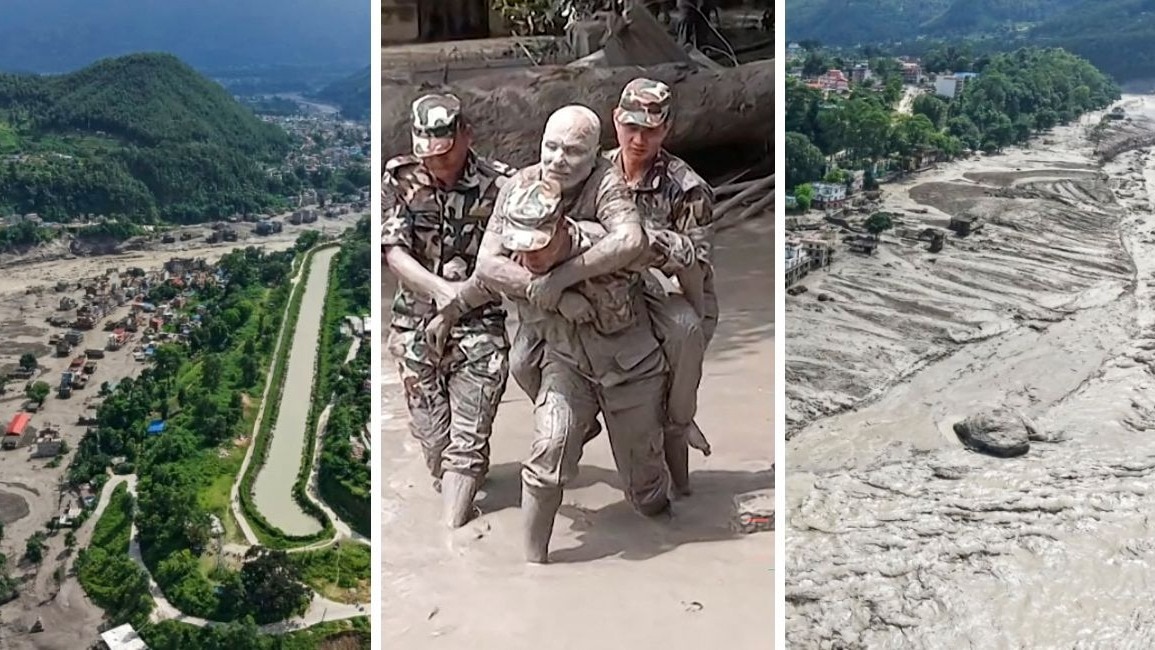
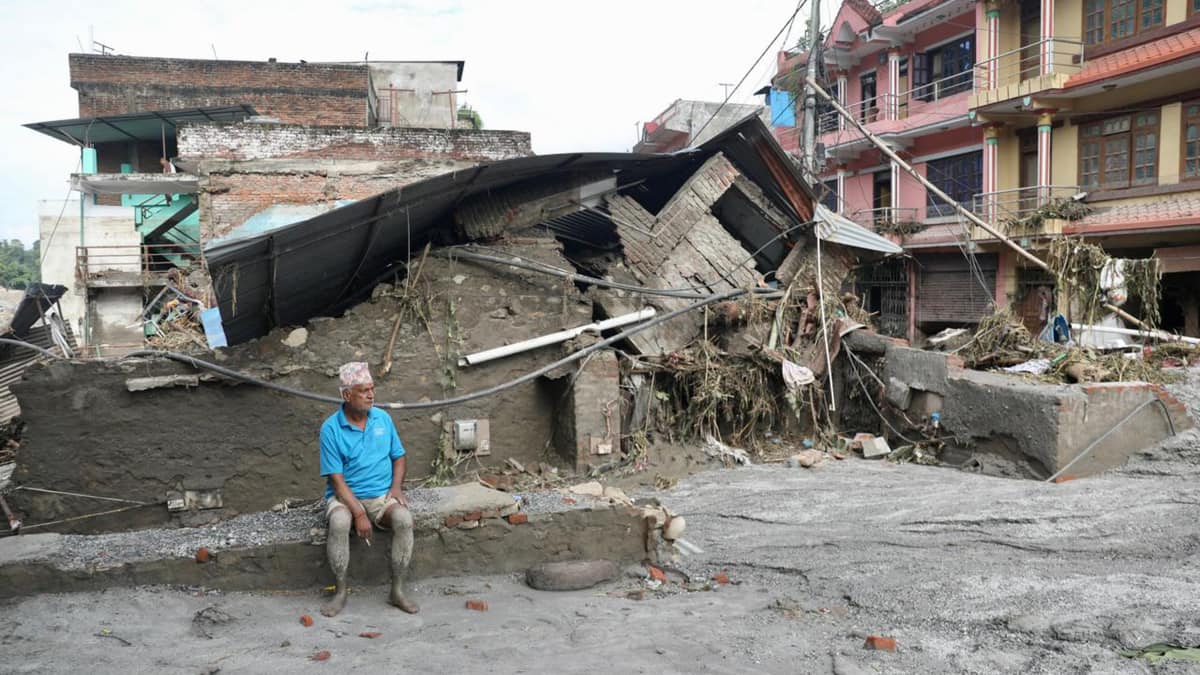
At least 160 people were killed and hundreds remain missing after mud and water surged along the Nepal-Tibet border.
Nepal’s foreign minister said an earthquake may have triggered a landslide that blocked a river before the barrier broke.
The United States Geological Survey said seismic analysis instead indicated that the energy came from a landslide, not an earthquake.
Experts said the fast-moving debris behaved like liquid concrete, making escape by foot or vehicle nearly impossible.
Scientists have not established a climate-change link, although warming, glacier retreat and permafrost loss may increase Himalayan hazards.
- Who
- At least 160 people were killed, hundreds were reported missing, and scientists and officials are investigating the disaster.
- What
- A landslide and cascading flood sent a fast-moving mixture of mud, rocks and water downstream.
- Where
- Along the Nepal-Tibet border, including Nepal’s Rasuwa District and the Lhende River area.
- When
- The disaster struck Wednesday morning; the article does not provide a calendar date.
- Why
- The precise cause is uncertain; possible explanations include a rock-ice avalanche or landslide that blocked the river and later released accumulated water.
Initial Earthquake Explanation
Landslide-Based Explanation
What triggered the disaster?
Initial Earthquake Explanation
Nepal’s Foreign Minister Shishir Khanal said an earthquake likely triggered a landslide, which blocked a river before the obstruction breached.
Landslide-Based Explanation
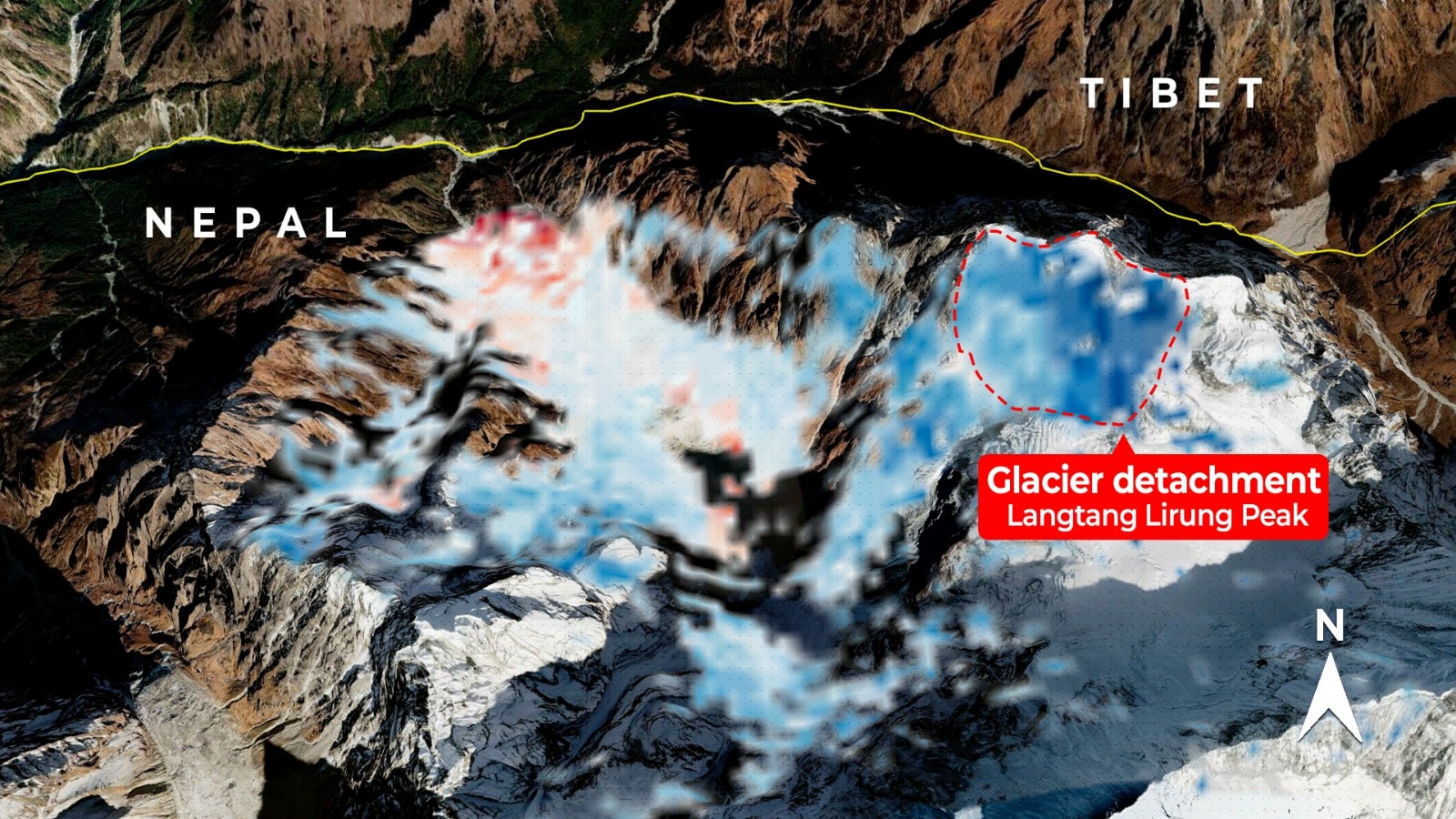
The United States Geological Survey said additional analysis indicated the seismic energy was generated by a landslide, while the International Centre for Integrated Mountain Development identified a possible rock-ice avalanche as the cause of the blockage.
Was climate change responsible?
Initial Earthquake Explanation
The article says it is too early to draw a firm link between this specific disaster and climate change, and no event-attribution study has yet established one.
Landslide-Based Explanation
Researchers said documented Himalayan trends—including more heat waves, glacier retreat and permafrost reduction—can increase conditions associated with landslides and glacial lake outburst floods.
Key facts
- Deaths
- At least 160 people were killed.
- Missing
- Hundreds of people were reported missing.
- Possible trigger
- Experts identified a possible rock-ice avalanche or landslide that blocked the Lhende River.
- Initial official explanation
- Nepal’s foreign minister said an earthquake may have triggered the landslide.
- USGS assessment
- The United States Geological Survey said seismic energy appeared to have been generated by a landslide rather than an earthquake.
- Escape guidance
- Hydrologist Hatim Sharif said running or fleeing by vehicle would not help once the flow is visible; reaching ground at least 20 feet, or six meters, higher may be safer.
- Potential warning measure
- River-level gauges could potentially provide authorities with 20 to 30 minutes of warning.
- Further risk
- An upstream blockage could produce another flood, according to an ICIMOD climate and environmental risk specialist.
Quotes
Dorothy Heinrich
Researcher at the University of Reading
“In these mountain environments, the rivers can be quite narrow in areas.”
 NDTV
NDTV
“Running will not help”
NDTV

US Geological Survey
United States government geological science agency
“additional analysis of long period seismic waves indicate that the seismic energy was instead generated by a landslide.”
NDTV
Sources
Related news
Nepal-Tibet Floods Reveal a Hidden Himalayan Chain Reaction

Nepal Flood May Have Begun With Border Ice Avalanche
Scientists Suspect Ice-Rock Avalanche Triggered Deadly Nepal Floods
Nepal Flood Exposes Himalayan Cascading Hazard Risks
Nepal Border Flood Mystery Shifts From Earthquake To Glacier Collapse

Nepal Floods Expose Climate, Geological, and Planning Risks
Satellite Radar May Strengthen Nepal's Flood Warning Systems
Nepal Plans New Landslide Warning System Along China Border

Nepal Thanks India as Glacial Disaster Rescue Efforts Continue
Nepal Warns of Heavy Rain After Deadly Floods
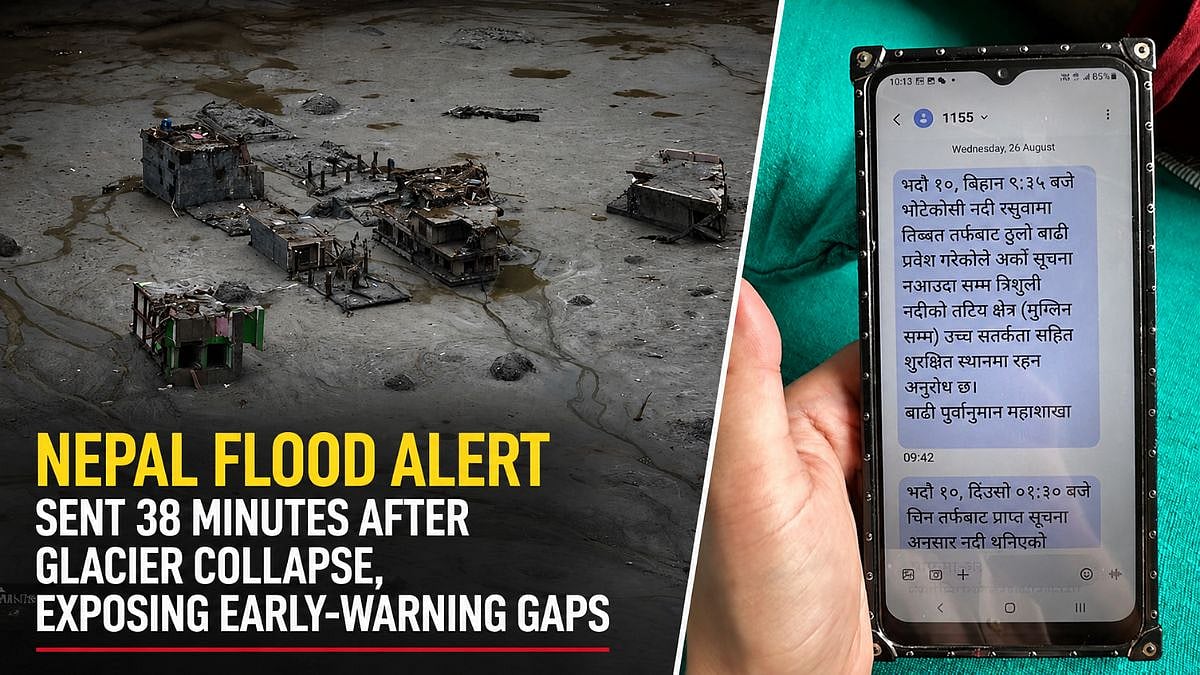
Nepal Flood Exposes Delayed Alerts and Cross-Border Warning Gaps
