5 days ago
Nepal Flash Flood Echoes Himalayan Disasters, Signals Future Risks
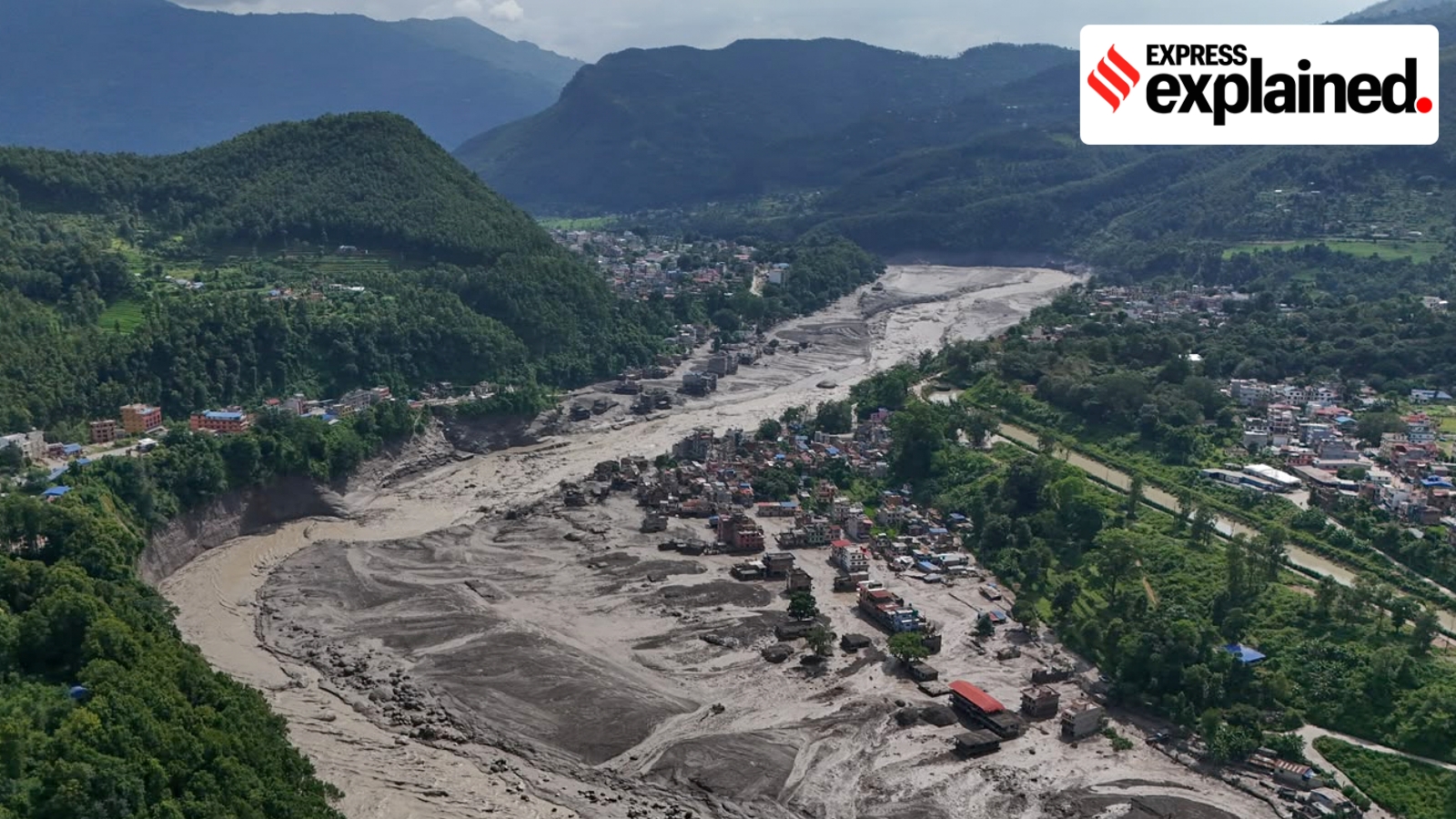
A very large flood rushed through Nepal’s mountain rivers and destroyed homes, roads, and bridges.
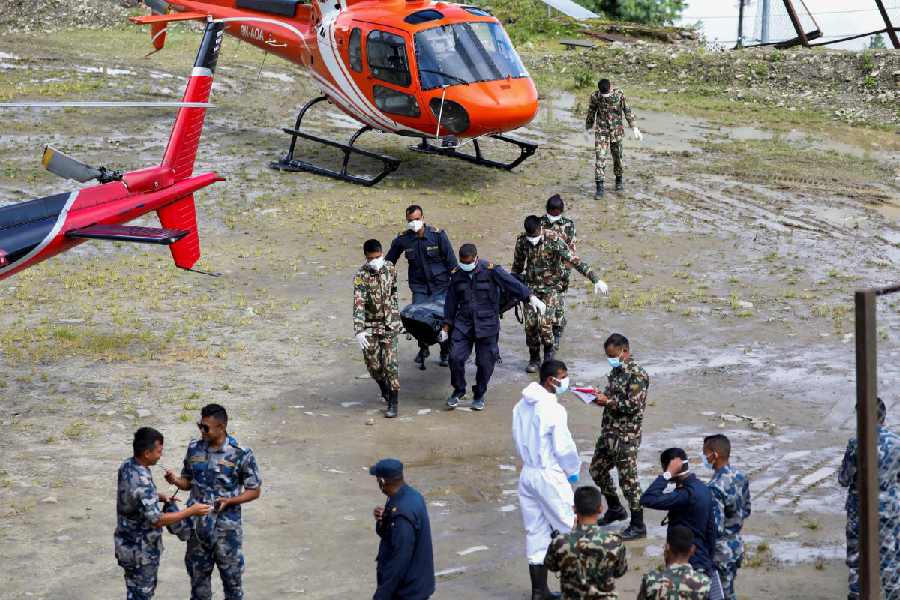
More than 350 people have died.
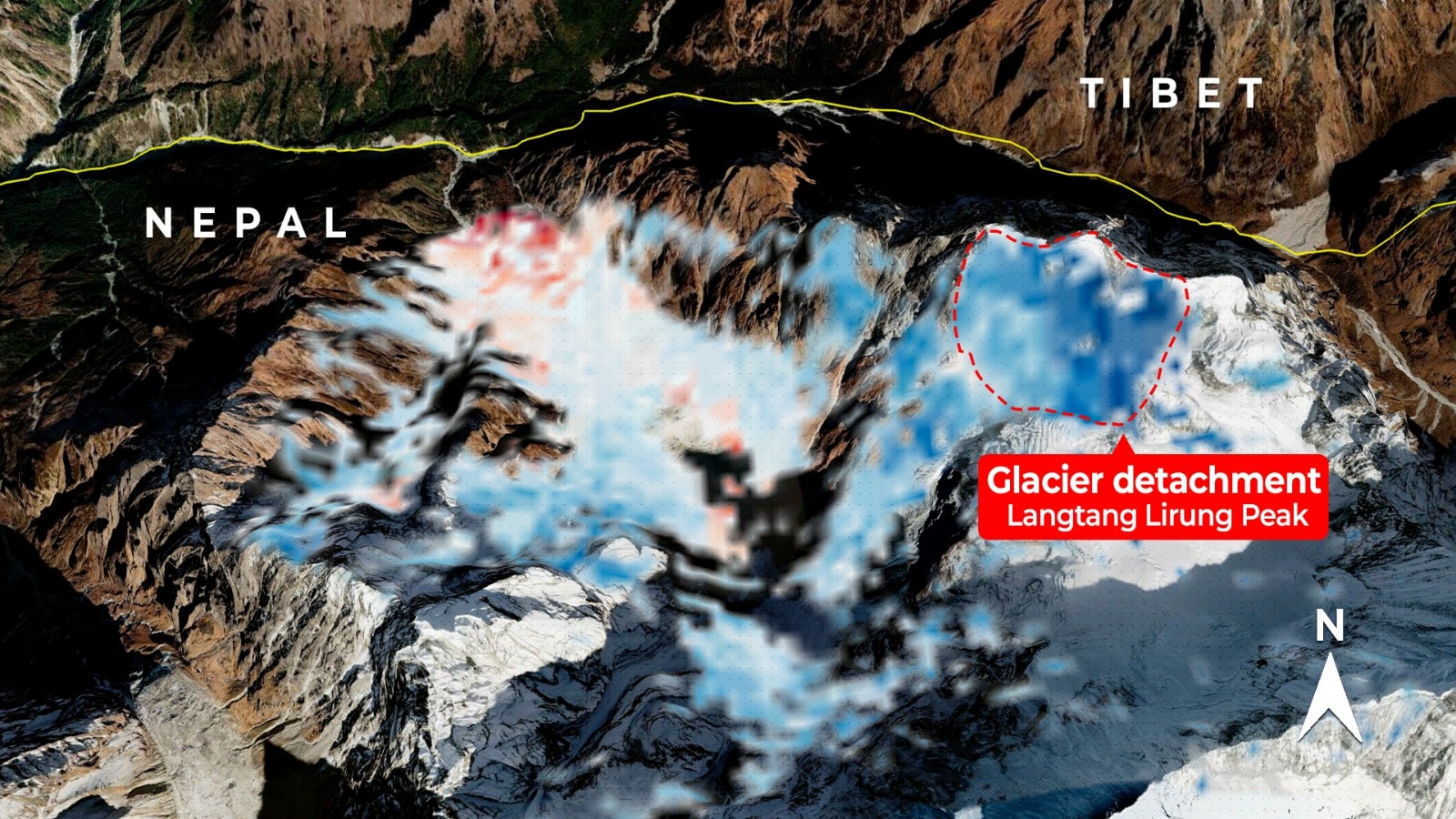
Scientists think a large piece of ice and rock fell from a glacier, or that a lake near a glacier suddenly burst.
The exact cause is still being studied.
The rushing water picked up mud, rocks, and trees, making the flood even stronger.
Similar disasters have happened in India, including at Kedarnath, Chamoli, and Sikkim.
Experts say climate change, heavy rainfall, landslides, earthquakes, and construction can make Himalayan areas more dangerous.
They want better warning systems and evacuation plans to help protect people.

Flooding in Nepal’s Bhotekoshi-Trishuli river system has killed more than 350 people, with the reported death toll later reaching 359.
The disaster began in Rasua district after a suspected rock-and-ice avalanche, glacial collapse, or glacial-lake outburst.
The United States Geological Survey initially reported a magnitude 4.4 earthquake but later concluded the signal came from a glacial collapse and debris flow.
Experts say the event resembles India’s 2021 Chamoli disaster in its trigger and the 2013 Kedarnath disaster in its downstream destruction.
Scientists and disaster officials recommend early-warning systems, evacuation planning, and tighter regulation of construction in the fragile Himalayan region.
- Who
- Residents and communities in Nepal’s Rasua district and downstream areas were affected; scientists and disaster officials are investigating the event.
- What
- A major flash flood and debris flow struck the Bhotekoshi-Trishuli river system, causing extensive destruction and more than 350 deaths.
- Where
- Northeastern Nepal, beginning in Rasua district and affecting areas along the Bhotekoshi river, also known downstream as the Trishuli.
- When
- The event began on a Wednesday; the articles do not provide a specific calendar date for the disaster.
- Why
- The suspected trigger was a glacial rock-and-ice avalanche, glacial collapse, or glacial-lake outburst; the precise sequence remains uncertain.
Glacial-Lake Outburst Explanation
Ice-and-Rock Avalanche Explanation
Likely trigger
Glacial-Lake Outburst Explanation
Glaciologist Syed Iqbal Hasnain said the absence of visible ice blocks in disaster videos could indicate a glacial-lake outburst, possibly involving a supra-glacial lake.
Ice-and-Rock Avalanche Explanation
The event is currently understood by some experts as a rock-and-ice avalanche caused by a large glacier block breaking off and triggering a landslide.
Role of seismic activity
Glacial-Lake Outburst Explanation
The initial earthquake report was later rejected by the United States Geological Survey, which said no earthquake had occurred.
Ice-and-Rock Avalanche Explanation
The first USGS report identified a magnitude 4.4 earthquake, and the revised measurement was described in the article as 5.2, though later analysis attributed the signal to a glacial collapse and debris flow.
Key facts
- Reported deaths
- More than 350 people; one report cites a death toll of 359.
- Affected river system
- The Bhotekoshi river, whose lower section is also called the Trishuli.
- Initial earthquake report
- The United States Geological Survey initially reported a magnitude 4.4 earthquake.
- Revised USGS assessment
- Additional analysis attributed the seismic signal to a glacial collapse and debris flow, not an earthquake.
- Comparable Indian disasters
- Kedarnath in 2013, Chamoli in 2021, South Lhonak Lake in Sikkim in 2023, and Dharali in Uttarakhand last year.
- Indian mitigation program
- India’s National GLOF Risk Mitigation Programme is a Rs 150-crore effort targeting early-warning connections for 195 glacial lakes.
- Recommended safeguards
- Early-warning systems, evacuation plans, and stricter monitoring and regulation of construction and other activities.
Quotes
Safi Ahsan Rizvi
A retired IPS officer and former National Disaster Management Authority official.
“As of now, no such early warning system exists, not in Nepal as well. The Chinese and the Nepalese sides may have some informal mechanism to exchange information but an established mechanism does not exist. The same is the case in India as well.”
 indianexpress.com
“As of now, the Nepal event looks very similar to the Chamoli disaster of 2021 in the way it got triggered. But in terms of its impact downstream, and the destruction it has caused, it is more like the Kedarnath tragedy of 2013.”
indianexpress.com

US Geological Survey
The United States government agency that analyzed the seismic signal from the Nepal disaster.
“This event was initially reported as a magnitude 4.4 earthquake. Additional analysis of nearby seismic stations, long period seismic waves and satellite imagery led to the determination that the seismic event was instead a glacial collapse and debris flow, and that no earthquake had occurred.”
indianexpress.com
Sources
Related news
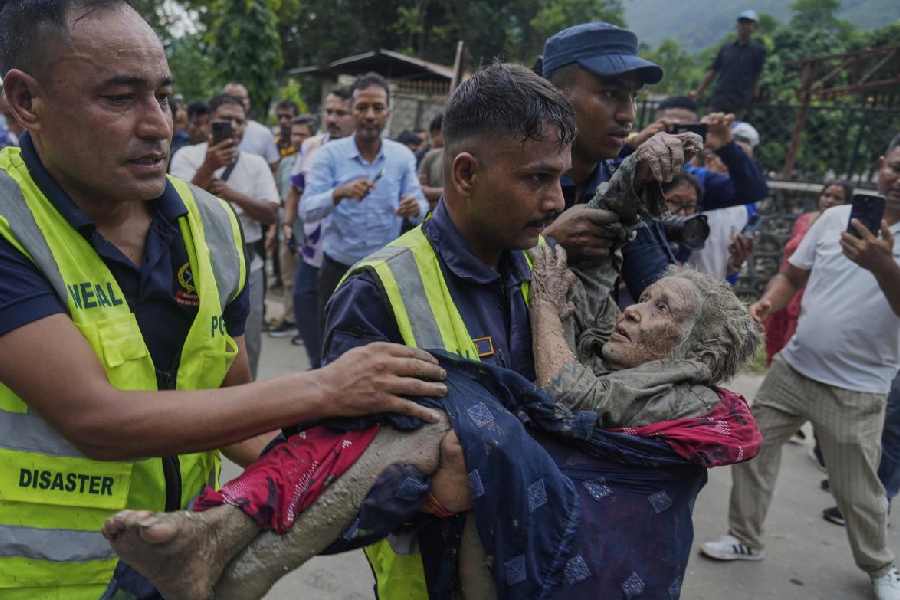
Nepal Avalanche Floods Echo Chamoli With Greater Downstream Impact

Nepal Flood Tragedy Highlights Need for Himalayan Early Warnings
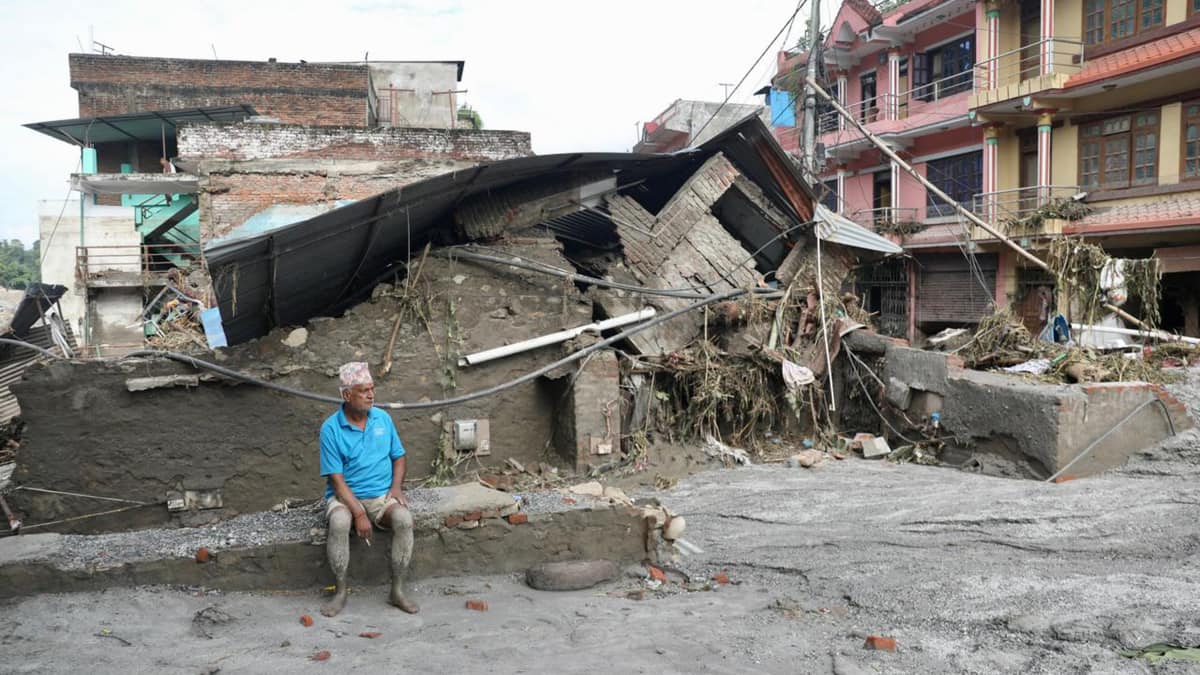
Nepal Flood Exposes Himalayan Cascading Hazard Risks
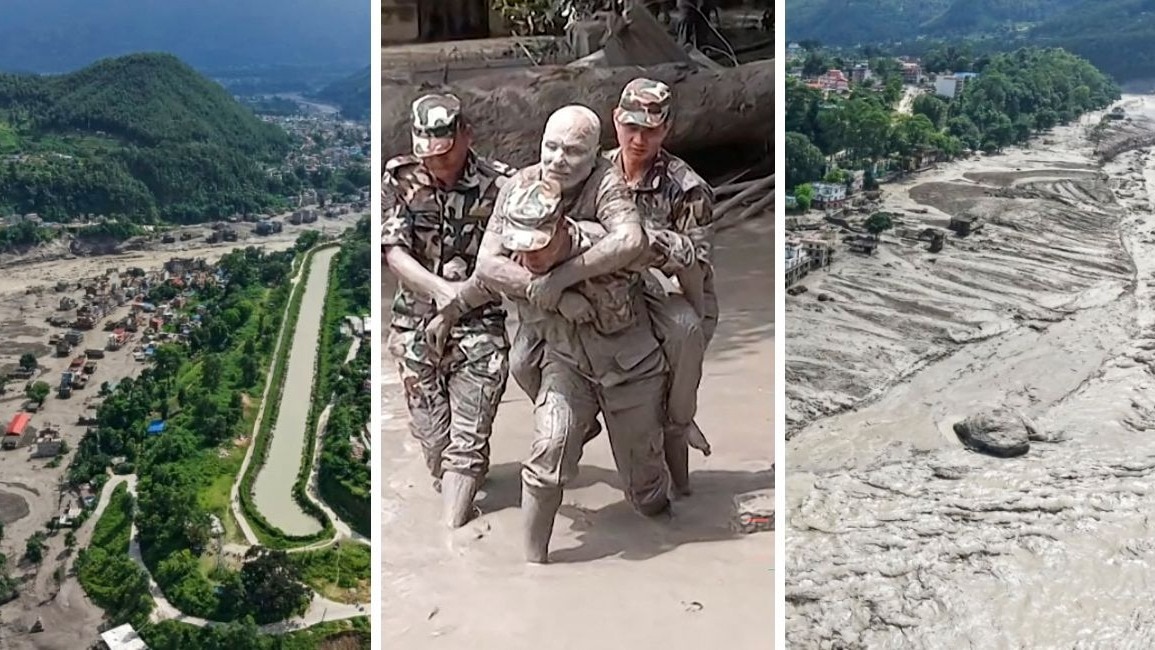
Nepal-Tibet Floods Reveal a Hidden Himalayan Chain Reaction

Nepal Flash Floods Expose Glacier Risks Amid Climate Concerns

Nepal Glacier Avalanche Exposes Cascading Himalayan Disaster Risks

Nepal Flood Death Toll Passes 1,200 Amid Ongoing Search

Nepal Flood Death Toll Tops 1,200 as Climate Risks Rise
Bihar on Alert as Rivers Swell, Sone Barrage Gates Open
Satellite Radar May Strengthen Nepal's Flood Warning Systems
Nepal Plans New Landslide Warning System Along China Border