6 days ago
Nepal Border Flood Mystery Shifts From Earthquake To Glacier Collapse
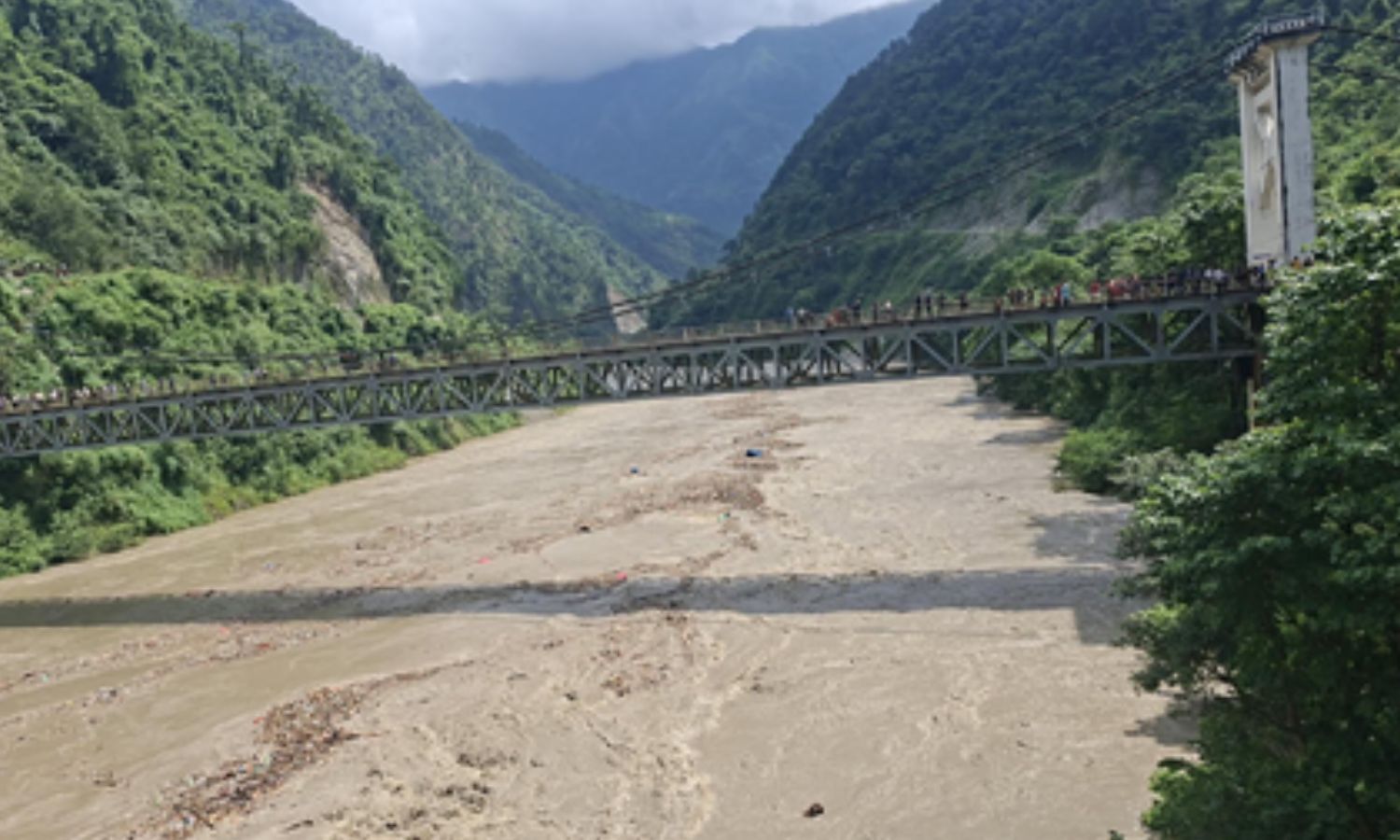
A very large flood suddenly hit the border between Nepal and China.
At first, officials thought an earthquake had caused it.
The U.S. Geological Survey later said the earthquake signal was actually made by a collapsing glacier and falling rocks.
Scientists believe the ice and rocks blocked a river, sending water and debris downstream.
Warm weather and melting ice may have weakened the glacier.
However, researchers say more investigation is needed to know the exact cause.
The flood affected China’s border port of Gyirong in Tibet.
The event has raised concerns because Himalayan glaciers are losing ice and can cause dangerous floods.
Nepal and China have discussed sharing warnings, but a formal system is not yet operating.

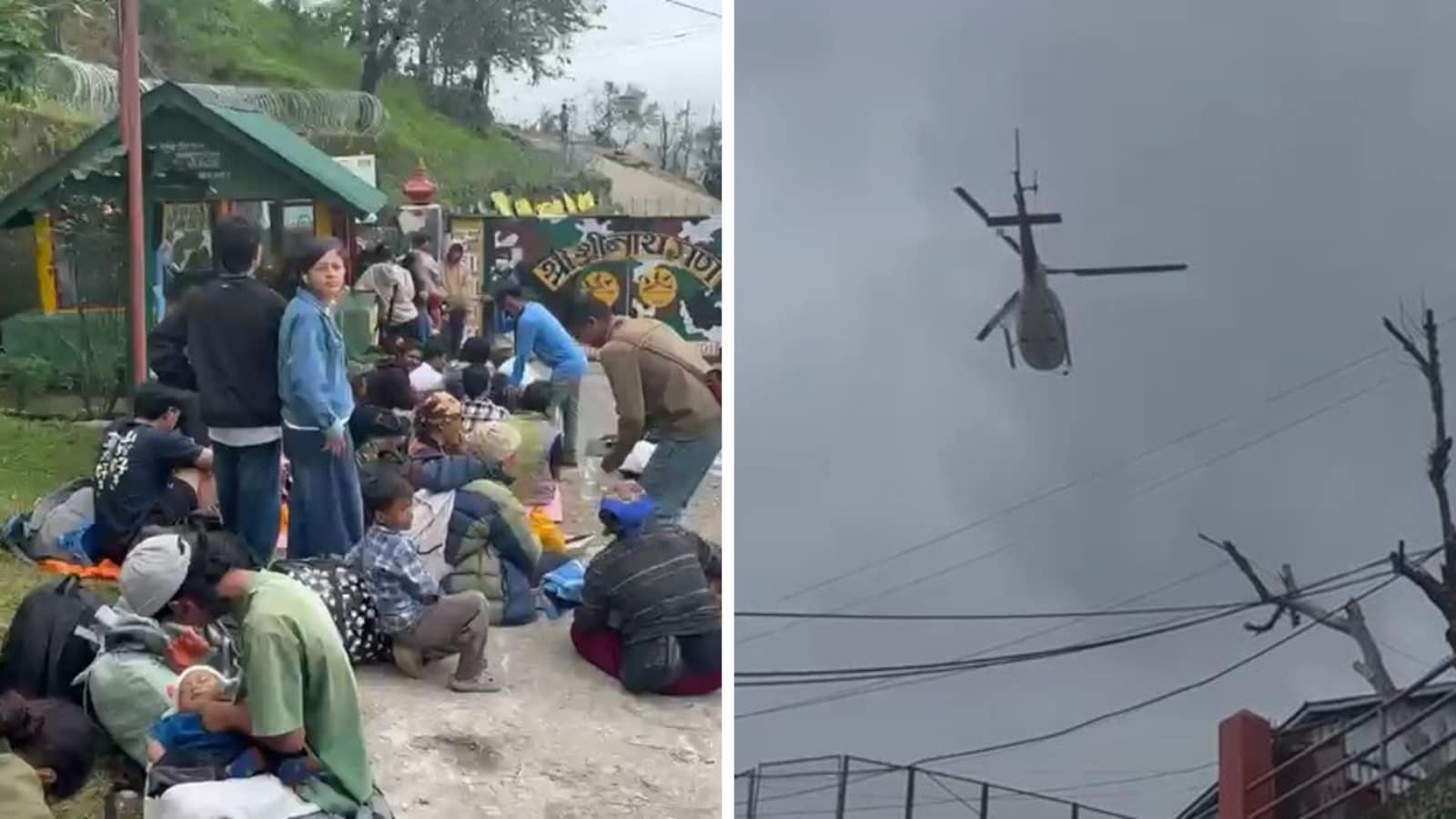
A sudden flood struck the China-Nepal border on Wednesday, causing severe damage and casualties near Tibet’s Gyirong port.
Nepal initially reported a magnitude 4.4 earthquake, but the U.S. Geological Survey later said no earthquake had occurred.
Satellite analysis indicated that a massive rock-and-ice avalanche blocked the Lhende River and triggered downstream flooding.
Scientists are investigating whether warm weather, melting ice, or another unseen factor caused the glacial collapse.
The disaster has renewed concerns about Himalayan glacier loss and the absence of a formal Nepal-China real-time warning system.
- Who
- Communities and authorities in Nepal and China were affected; Nepal Foreign Minister Shisir Khanal, the U.S. Geological Survey, and scientific experts commented on the event.
- What
- A sudden flood was triggered after a suspected rock-and-ice avalanche blocked the Lhende River; an initially reported earthquake was later ruled out by the U.S. Geological Survey.
- Where
- The event occurred near the China-Nepal border, reportedly on the Nepal side, and affected the Gyirong border port in Xigaze, Tibet.
- When
- Wednesday morning; the initial earthquake report was made at 8:37 a.m. local time, with flooding reported three minutes later.
- Why
- The precise cause remains under investigation, but experts suspect a glacial collapse possibly weakened by recent warm weather and melting ice.
Glacial Collapse Explanation
Alternative or Competing Explanations
What triggered the disaster?
Glacial Collapse Explanation
ICIMOD, the revised U.S. Geological Survey assessment, and international scientists point to a massive rock-and-ice avalanche or glacial collapse that generated earthquake-like seismic signals.
Alternative or Competing Explanations
Some experts cautioned that warm-weather melting may explain only part of the event and that another factor may not yet have been identified.
Earthquake interpretation
Glacial Collapse Explanation
Later analysis of seismic waves and satellite imagery concluded that no tectonic earthquake occurred.
Alternative or Competing Explanations
Nepal’s initial parliamentary account cited a magnitude 4.4 earthquake detected at 8:37 a.m., three minutes before the reported flood, although officials said this needed verification.
Possible dam involvement
Glacial Collapse Explanation
The Chinese Embassy in Nepal said claims that a dam collapse caused the disaster were fake news and described the event as an earthquake or earthquake-like glacier collapse on the Nepal side.
Alternative or Competing Explanations
The report notes broader concerns that China’s dam-building in Tibet and downstream areas could increase ecological and human vulnerability, though it does not establish that a dam caused this flood.
Key facts
- Initial explanation
- Nepal initially reported that a magnitude 4.4 earthquake had struck Tibetan territory shortly before the flood.
- Revised assessment
- The U.S. Geological Survey later determined that no earthquake had occurred and attributed the seismic signal to a glacial collapse and debris flow.
- Suspected mechanism
- A massive rock-and-ice avalanche reportedly blocked the Lhende River, triggering cascading floods downstream.
- Affected location
- Chinese media reported severe casualties at the Gyirong border port in Xigaze, Tibet.
- Possible contributing factor
- Experts said recent warm weather may have melted snow and glacier ice, weakening the collapsing section.
- Glacier loss
- The report says studies have found that Himalayan glaciers have lost nearly one-third of their ice over the past three decades.
- Warning-system concern
- Nepal and China have discussed sharing real-time information on floods and landslides, but no formal implementation agreement has been signed.
Quotes
Shisir Khanal
Nepal’s foreign minister who addressed Parliament about the flood and reported earthquake
“We, however, need to verify this”
 thehansindia.com

International Centre for Integrated Mountain Development
A Kathmandu-based regional mountain research organization that examined satellite imagery
“a massive rock–ice avalanche occurred in Nepal, blocking the Lhende river and triggering cascading floods downstream”
thehansindia.com
Sources
Related news

USGS Confirms Glacial Collapse Caused Deadly Nepal Flash Floods

China Links Nepal-Tibet Flood Disaster to Glacier Collapse

China Rejects Flood Trigger Claim After Himalayan Disaster
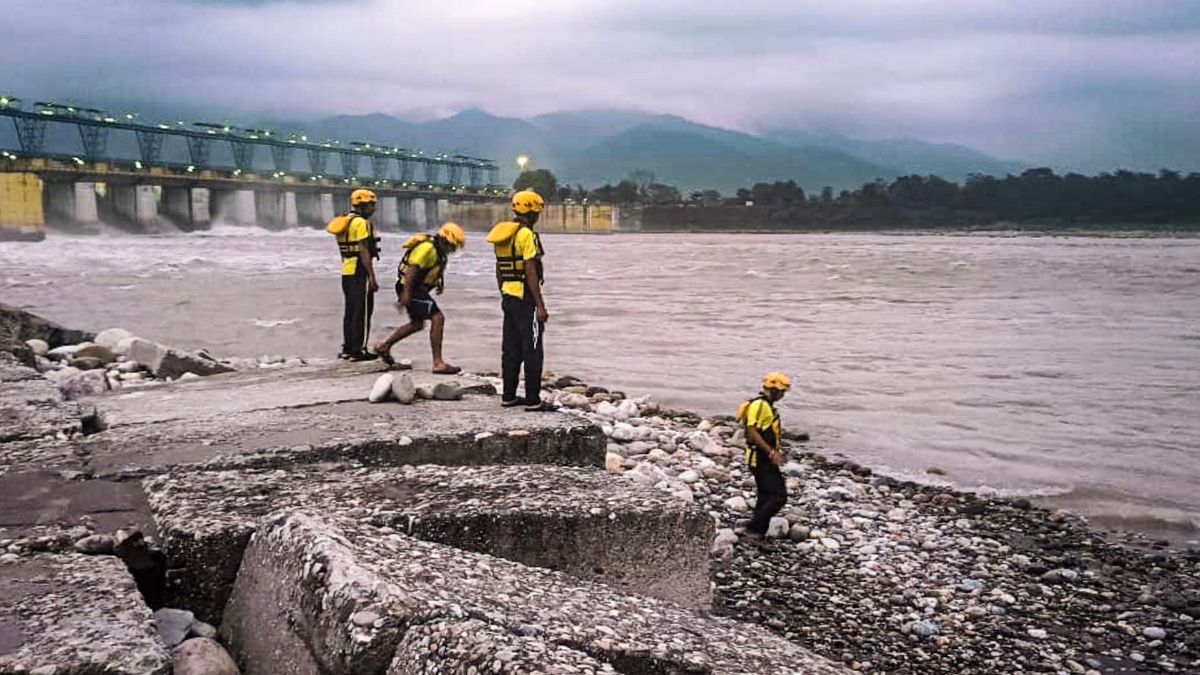
Glacial Collapse, Not Earthquake, Blamed for Nepal-Tibet Floods
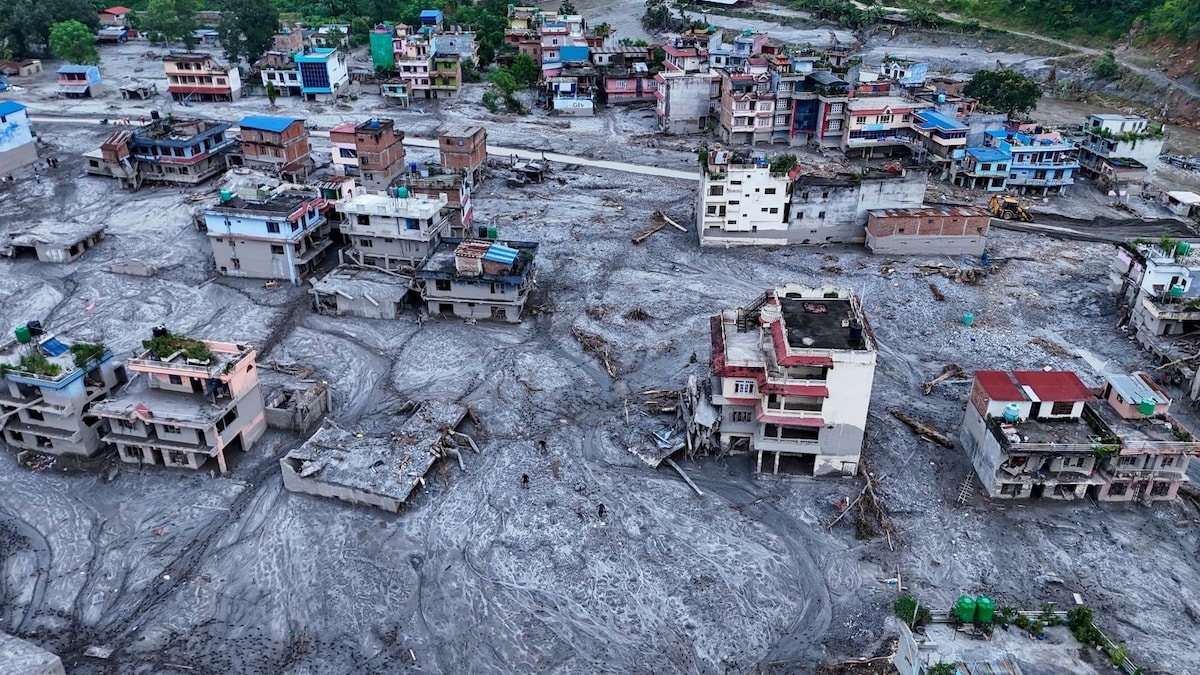
China, Nepal Link Glacier Collapse to Deadly Border Floods

Nepal Thanks India as Glacial Disaster Rescue Efforts Continue
Nepal Warns of Heavy Rain After Deadly Floods
Nepal Flood Exposes Delayed Alerts and Cross-Border Warning Gaps

Bhotekoshi Flood Crisis: Nepal PM Shah Calls for Courage

Nepal PM Thanks India, China Amid Climate Compensation Demand