13 hrs ago
Satellite Warning Signs Raised Questions After Nepal-China Glacier Disaster

Scientists found signs that a glacier was becoming unstable before it collapsed.
Satellite images showed faster water movement inside the glacier.
They also showed brown meltwater and a crack spreading into nearby rock.
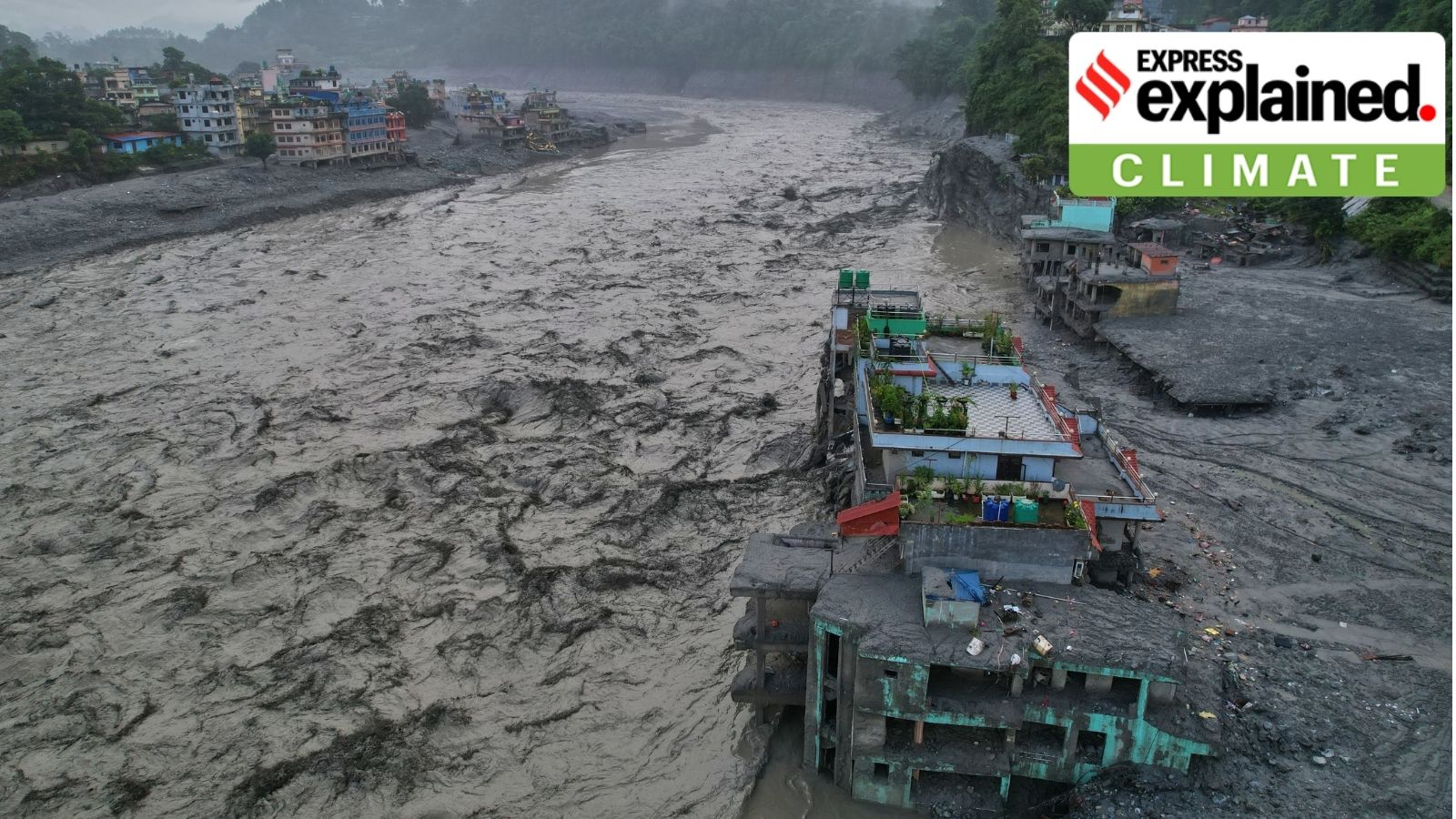
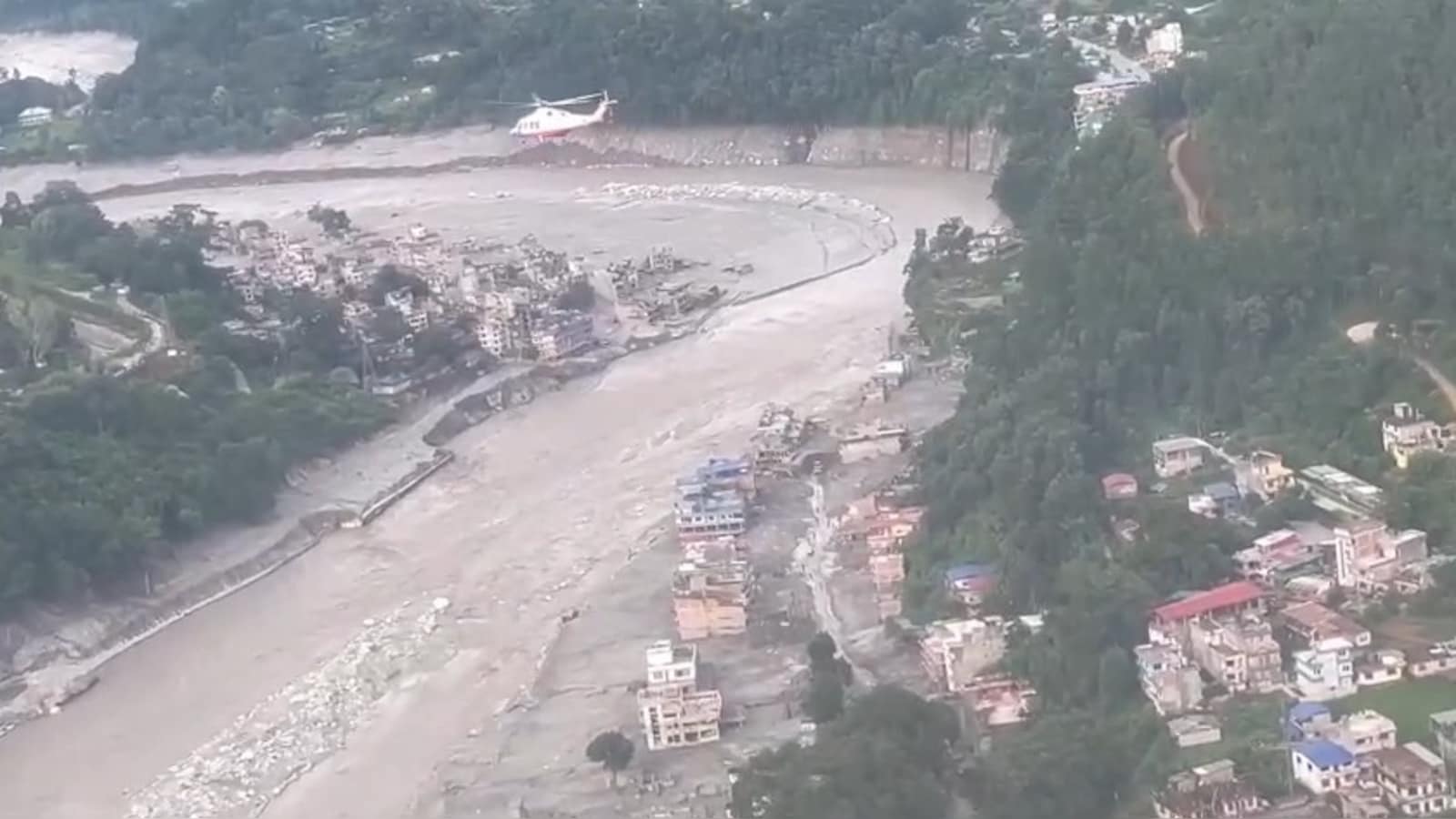
The collapse caused huge floods along the Nepal-Tibet border.
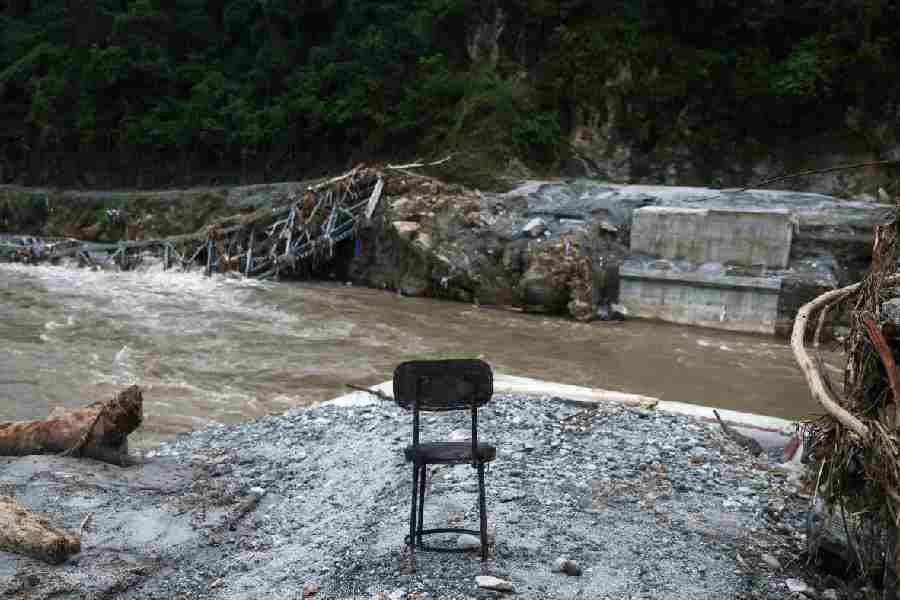
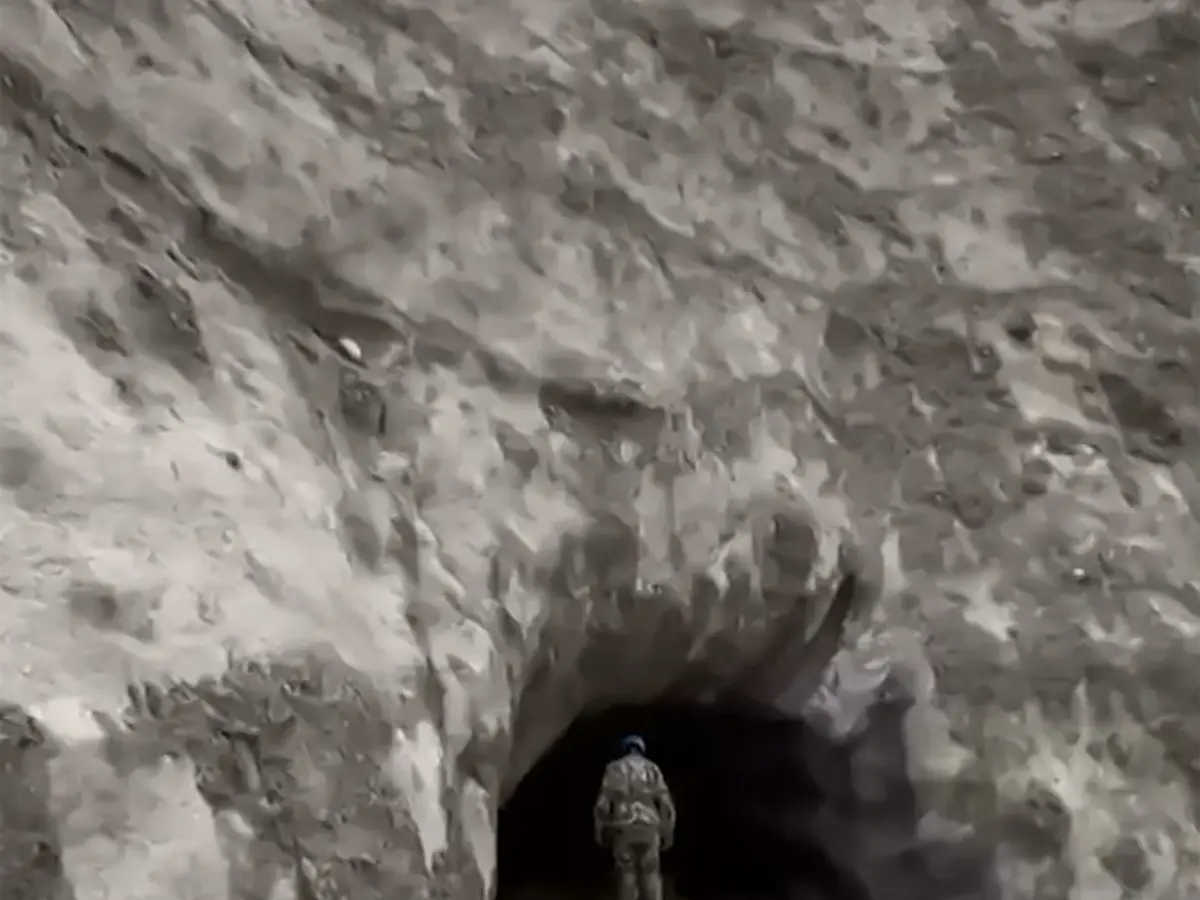
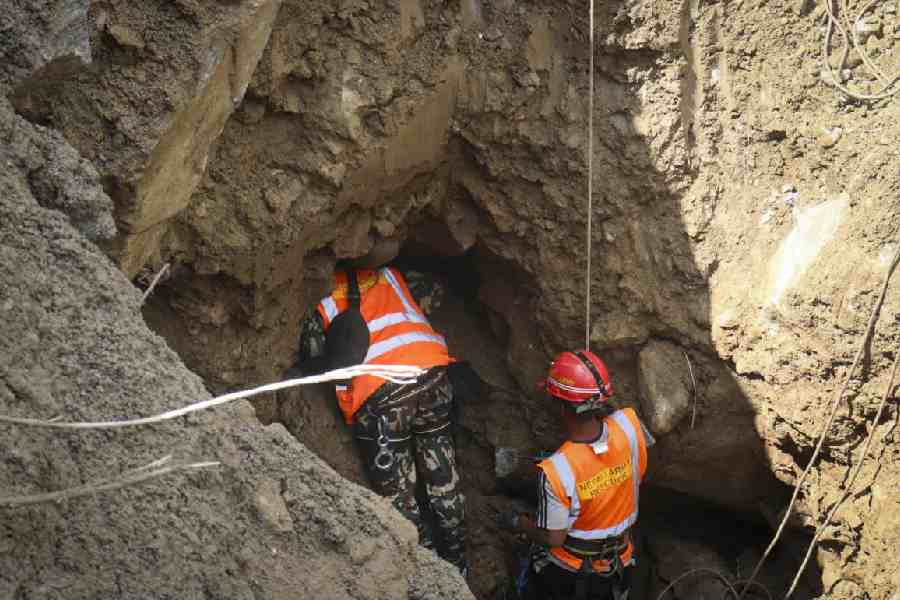
The floods damaged hydropower projects and trapped many workers in tunnels.
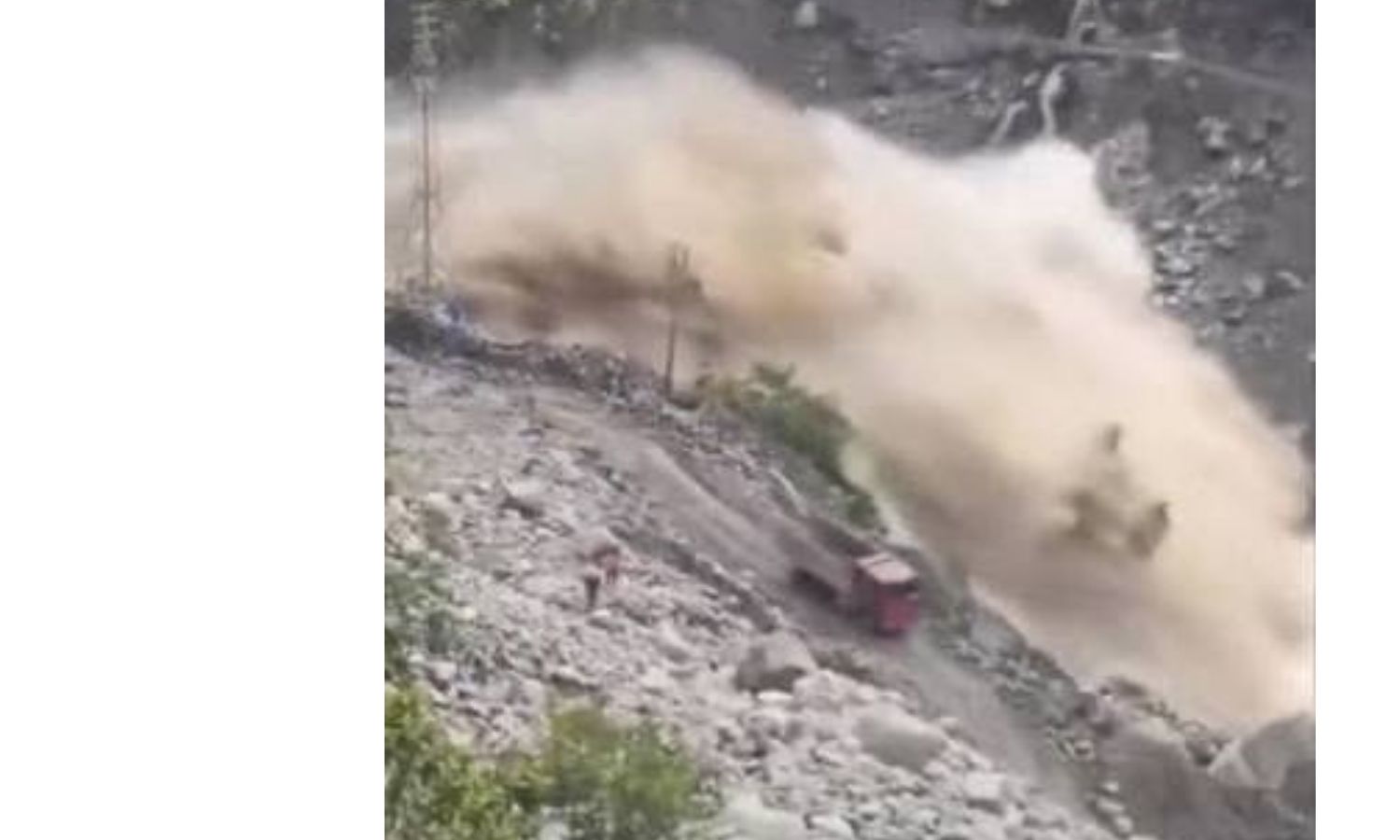
At the Rasuwagadhi border checkpoint, the avalanche moved too quickly for a normal warning system to help much.
Farther downstream, people may have had 10 minutes or more to escape.
Scientists said better warning systems might have saved some lives in those areas.
More than 1,000 people died, and thousands of others were still missing.

Scientists identified glacier changes, brown meltwater, and a spreading bedrock crack before the collapse.
The avalanche triggered devastating floods along the Nepal-Tibet border and damaged hydropower projects.
Warning time at the Rasuwagadhi checkpoint was likely too short for conventional evacuation systems.
Researchers said systems farther downstream, where warning time may have exceeded 10 minutes, could have saved lives.
More than 1,000 people died, nearly 4,500 remained missing, and hundreds of workers were feared trapped.
- Who
- Residents, hydropower workers, rescue teams, and scientists, including geologist Jakob Steiner, were involved in the disaster and its assessment.
- What
- A glacier collapse triggered deadly floods, while scientists found satellite indications of possible instability beforehand.
- Where
- The disaster affected the Nepal-Tibet border, the Rasuwagadhi checkpoint, settlements along the Trishuli River, Nepal’s Nuwakot district, and downstream areas in India.
- When
- The satellite warning signs appeared in the days before the collapse; the HiRISK assessment was prepared on August 28, 2026, and reported on September 2, 2026.
- Why
- Scientists linked the warning signs to possible glacier and surrounding-rock instability; the findings prompted questions about disaster preparedness and early-warning systems.
Better Warnings Could Have Saved Lives
The Avalanche Was Too Fast for Some Evacuations
Potential for earlier action
Better Warnings Could Have Saved Lives
Scientists found satellite-observed changes before the collapse, and they said properly developed warning systems farther downstream could have saved a significant number of lives.
The Avalanche Was Too Fast for Some Evacuations
The assessment said warning time at the Rasuwagadhi border checkpoint would probably have been too short for a conventional system to evacuate people.
Protection for hydropower workers
Better Warnings Could Have Saved Lives
The repeated disasters and the assessment’s findings support stronger preparation, monitoring, and protection for workers near hydropower infrastructure.
The Avalanche Was Too Fast for Some Evacuations
The available findings do not establish that warning systems could have protected all workers, particularly those near areas reached rapidly by the avalanche.
How to improve monitoring
Better Warnings Could Have Saved Lives
Jakob Steiner said AI-assisted satellite monitoring could help identify risks across the Himalayas, while stronger preparedness could improve responses.
The Avalanche Was Too Fast for Some Evacuations
The region contains thousands of glaciers and difficult terrain, making monitoring and rapid warnings challenging to deliver at scale.
Key facts
- Assessment
- The HiRISK assessment was prepared on August 28 and identified pre-event indications in satellite imagery.
- Warning signs
- Researchers observed faster water movement inside the glacier, brown meltwater, and a crack spreading into nearby bedrock.
- Rasuwagadhi warning time
- The report said the avalanche likely moved too quickly for a conventional evacuation warning at the checkpoint.
- Downstream warning time
- Some downstream areas may have had 10 minutes or more of warning.
- Death toll
- The reported death toll had crossed 1,000.
- Missing people
- Nearly 4,500 people remained missing according to the latest figures cited.
- Recovered bodies
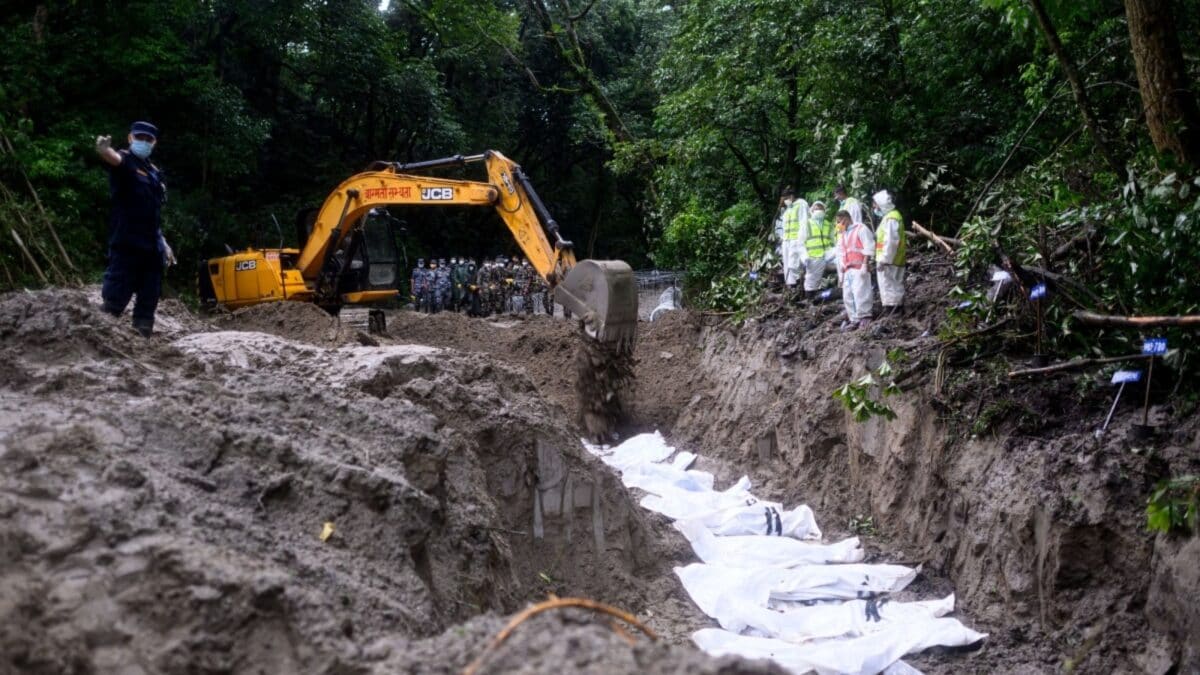
- Police located 24 bodies in one house in Nuwakot, while at least 17 were recovered from rivers downstream in India.
Quotes
Jakob Steiner
Geologist and co-author of the HiRISK assessment
“There are thousands and thousands of glaciers in High Mountain Asia”
 news18.com
Sources
Related news
Nepal-Tibet Glacial Collapse Spurs Calls for Early Warnings
Nepal Flood Exposes Gaps in Himalayan Early Warnings

Nepal Floods Expose Warning Gaps, Spur China Data Push
Nepal’s Sudden Ice Collapse Exposes Gaps in Flood Warnings

China Rejects Flood Trigger Claim After Himalayan Disaster

Nepal Families Perform Last Rites as Flood Bodies Remain Unidentified
Helicopter Journey Reveals Nepal's Valley of Flood Devastation
Nepal Tunnel Survivor Alleges Chinese Supervisor Abandoned Workers During Flood
Hope Rises for Workers Trapped in Nepal Hydropower Tunnel
Bhotekoshi Flood Crisis: Nepal PM Shah Calls for Courage