

43 mins ago
Nepal Flood Death Toll Tops 1,200 as Climate Risks Rise

A very large flood hit parts of Nepal after an ice-and-rock avalanche in the Himalayas.
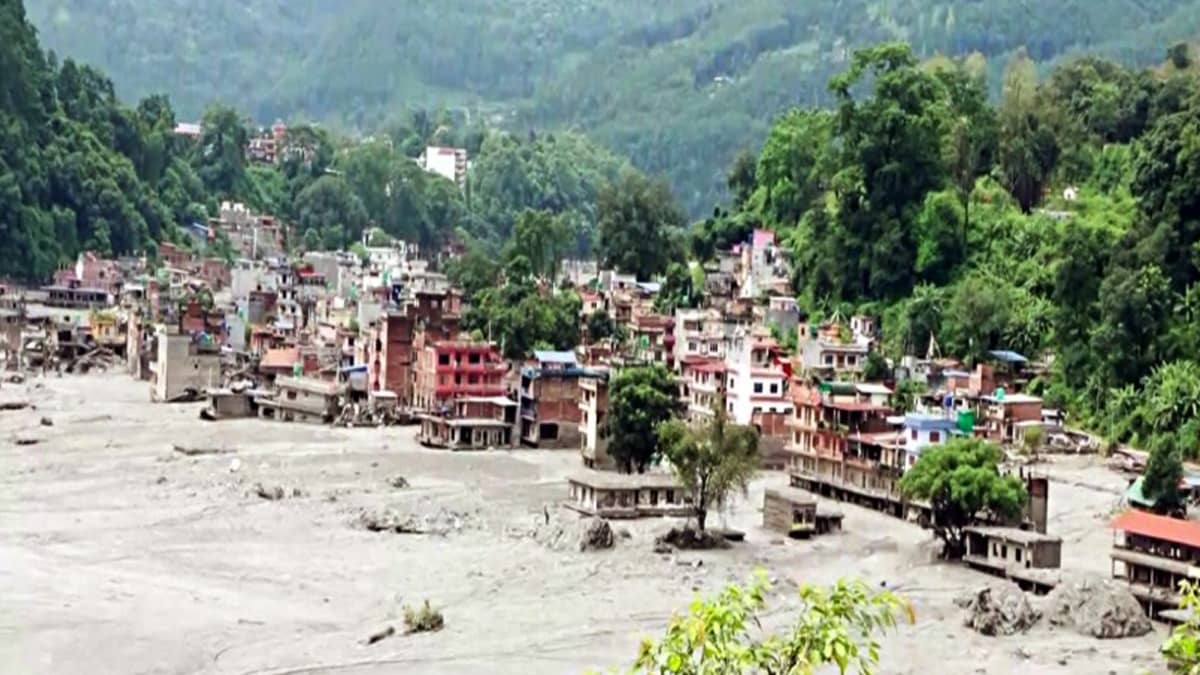
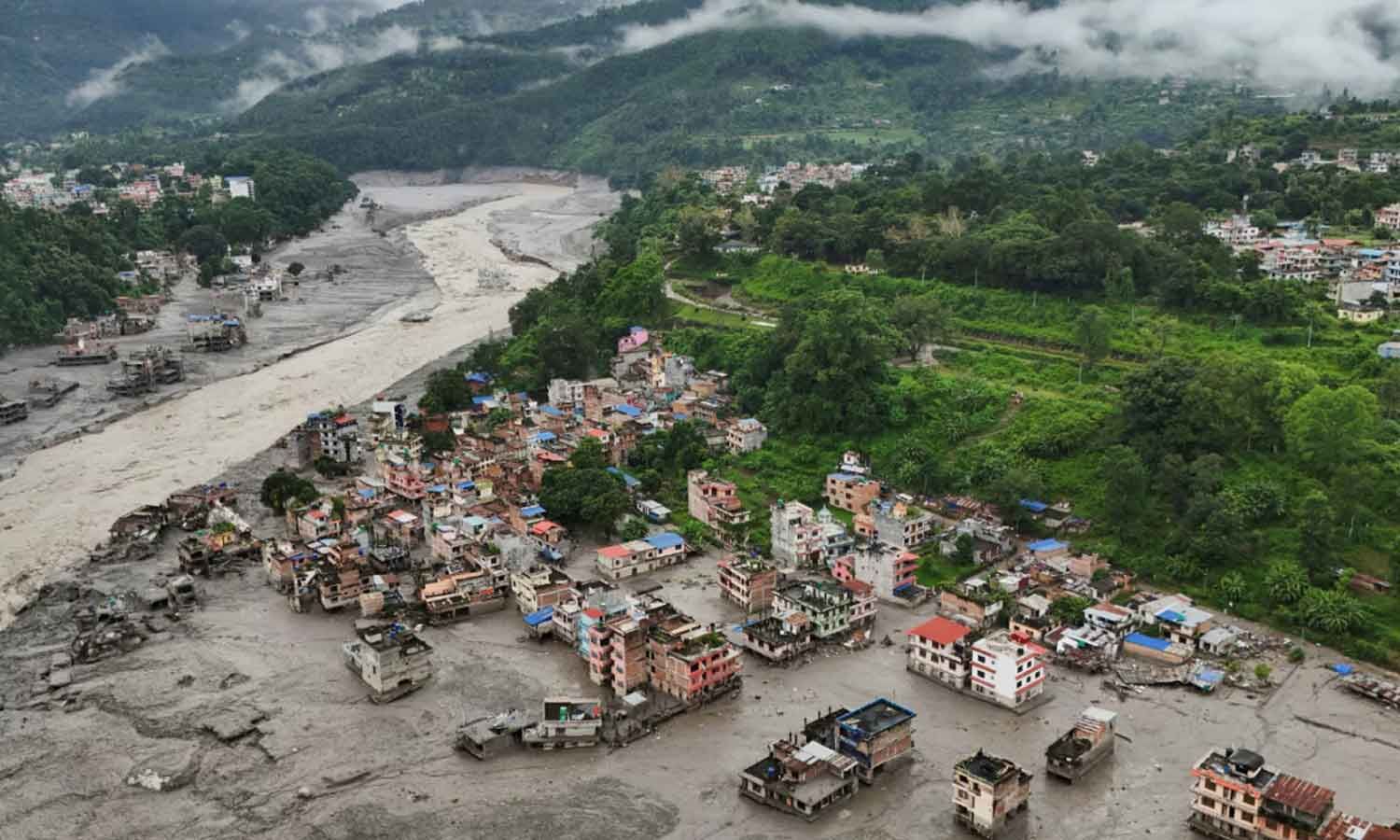
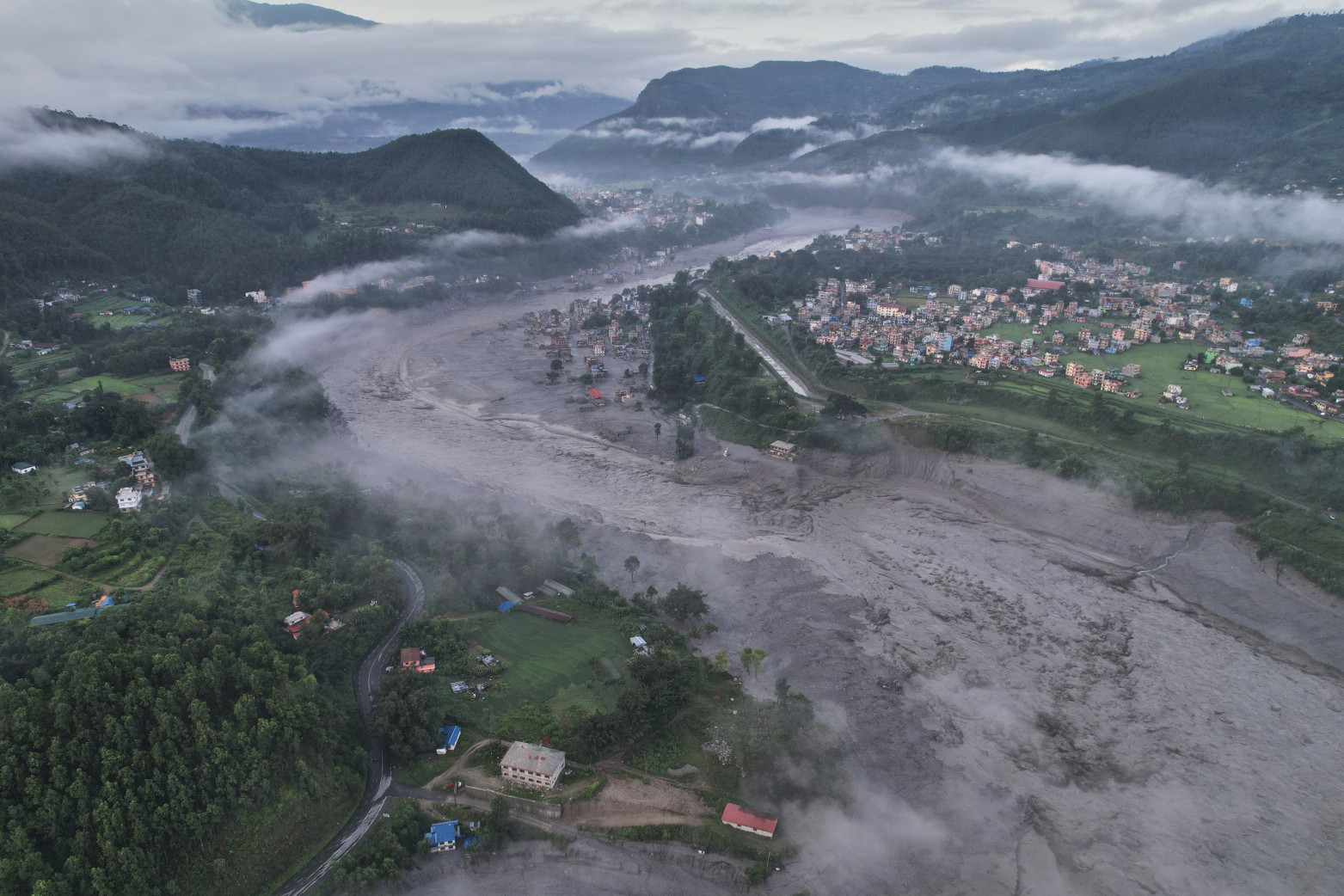
Many towns, villages and hydropower sites were damaged.
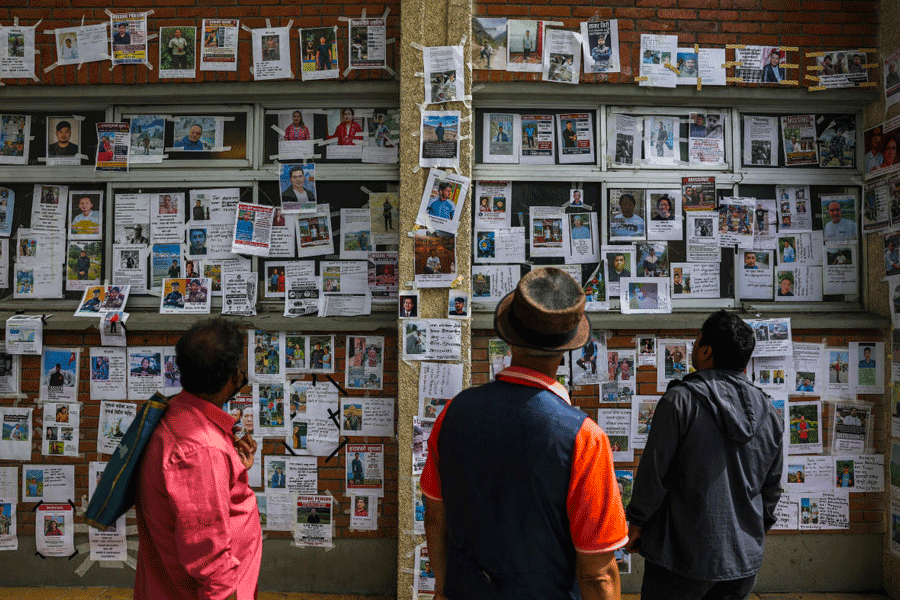
Officials say more than 1,200 people have died, and thousands are still missing.
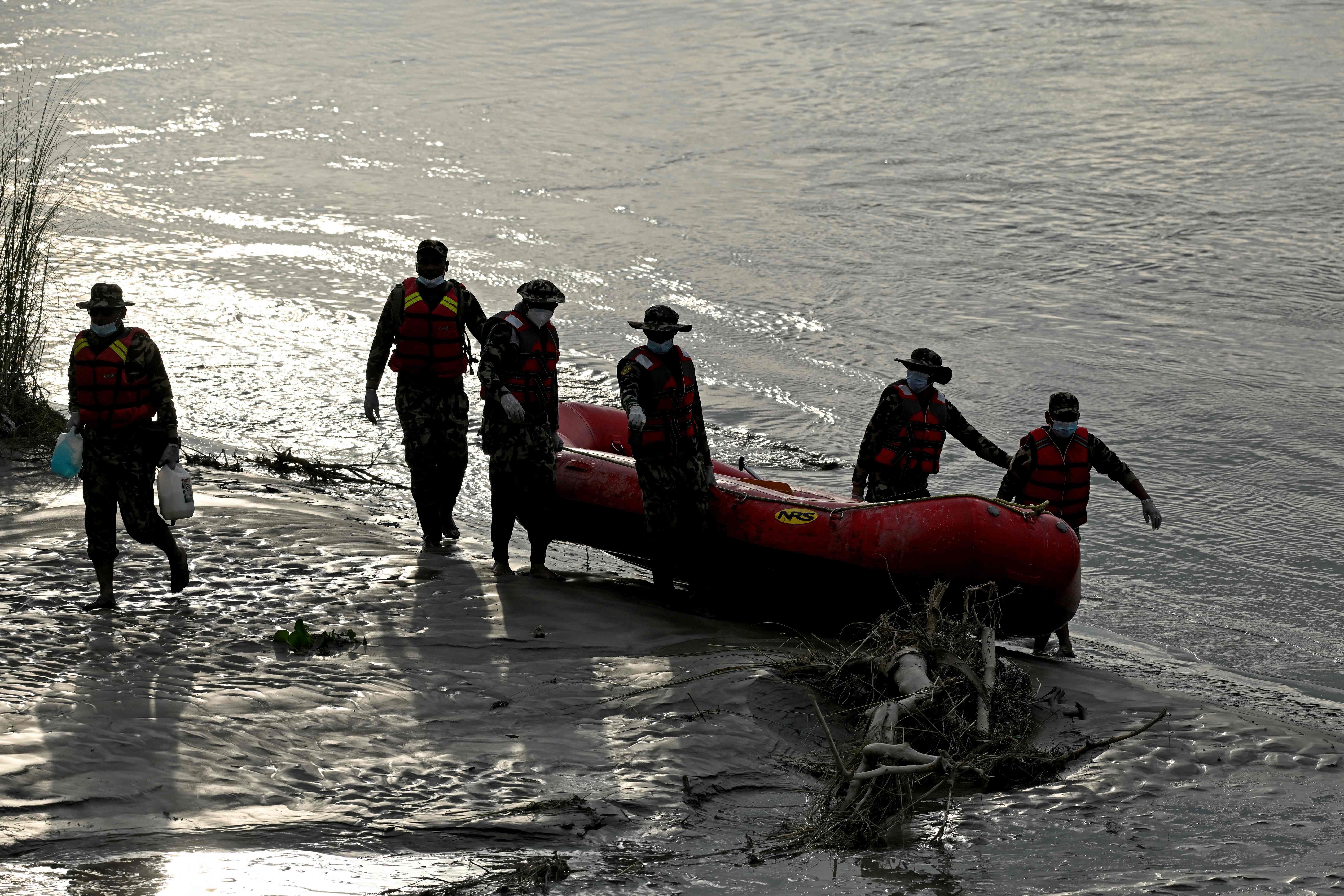
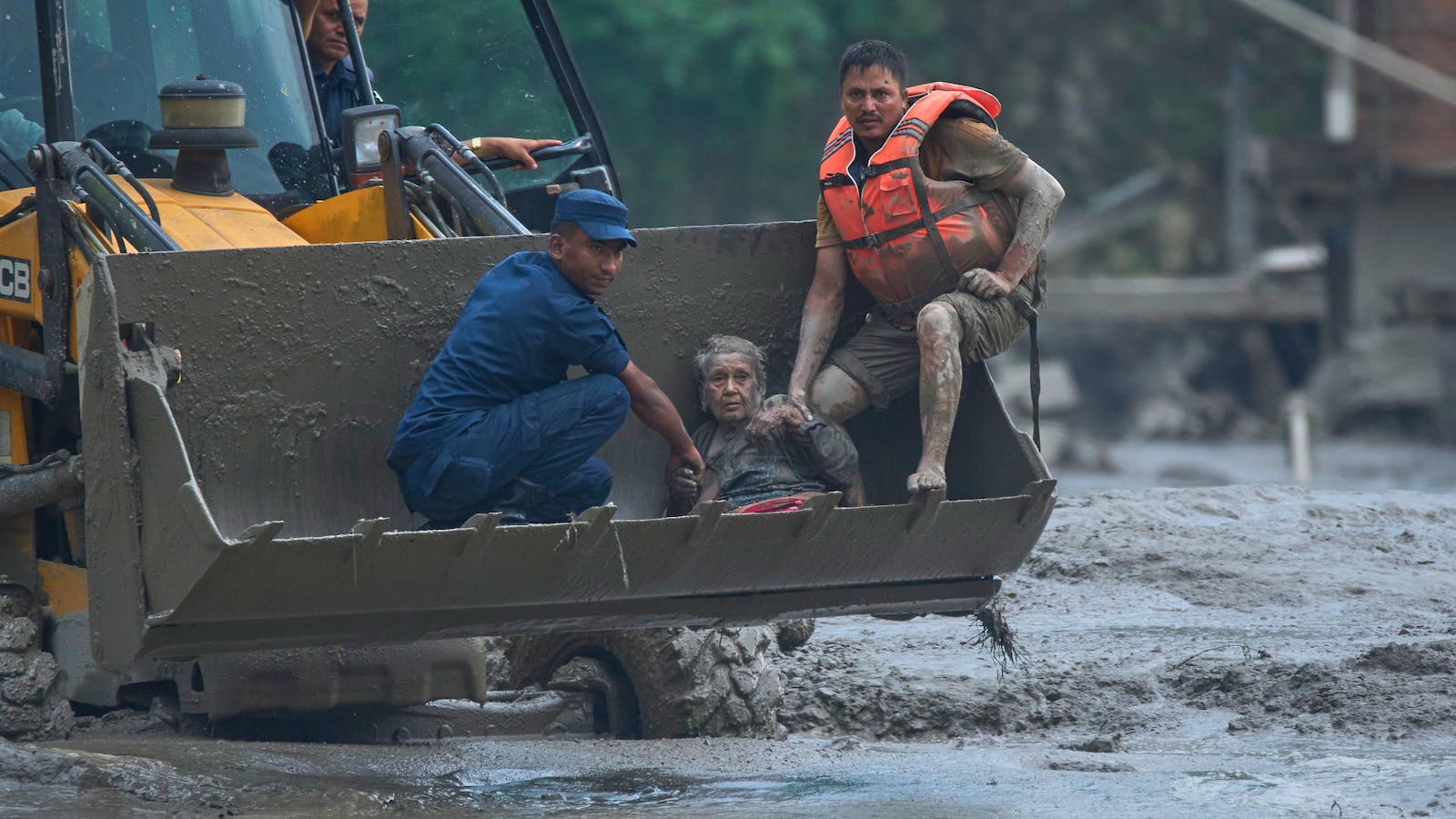
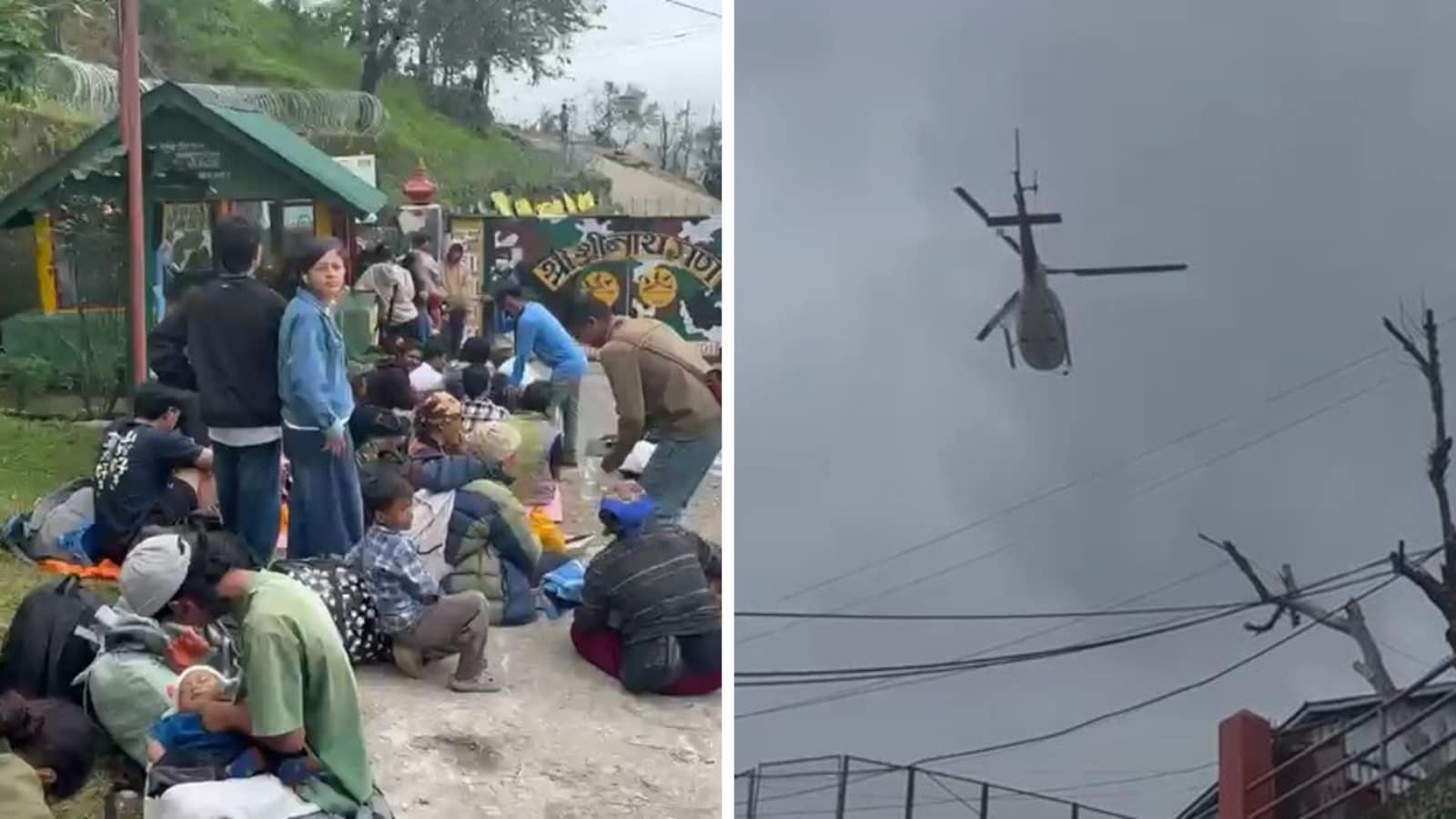
Rescue workers have saved nearly 12,000 people.
Some missing workers may be inside tunnels covered by mud and rocks.
Rain is making the searches harder.
Other countries have sent experts and equipment to help Nepal.
Nepal’s prime minister says climate change may be making mountain disasters more dangerous.

Nepal’s disaster authority reported 1,204 deaths, while 1,114 bodies had been recovered and 4,216 people were reported missing in one account.
Security forces have rescued 11,993 people and deployed about 21,314 personnel for search, rescue and relief operations.
The August 26 floods followed an ice-rock avalanche near the Nepal-Tibet border and devastated northern and central Nepal.
Search teams are struggling to reach missing hydropower workers because tunnels are buried under debris and continuing rain is disrupting operations.
Prime Minister Balendra Shah urged the international community to recognize the disaster’s connection to climate change and support Nepal.
- Who
- Nepalese rescue and security forces, international technical teams, missing residents and foreign nationals, and Prime Minister Balendra Shah.
- What
- A flash flood has killed at least 1,204 people, displaced or stranded others, and triggered continuing search, identification and relief operations.
- Where
- Northern and central Nepal, including Rasuwa, Nuwakot, Dhading and other affected districts along the Bhotekoshi and Trishuli rivers.
- When
- The flood struck on August 26; the reported update was issued on Wednesday, about a week later.
- Why
- The floods were reported to have been triggered by an ice-rock avalanche; Prime Minister Shah said the disaster also highlighted growing climate-change risks in the Himalayas.
Key facts
- Reported death toll
- 1,204, according to Nepal’s National Disaster Risk Reduction and Management Authority.
- Recovered bodies
- 1,114 bodies were reported recovered in one official update; Nepal Police said postmortem and legal identification had been completed for 1,113.
- Missing people
- 4,216 people were reported missing in one account, including 583 foreigners; another official update described approximately 3,900 people as out of contact.
- Rescued people
- 11,993 people have been rescued by helicopter and overland routes.
- Rescue deployment
- About 21,314 security personnel have been mobilized.
- Infrastructure damage
- Around 400 megawatts of hydropower capacity was disrupted, while roads and 73 bridges were damaged.
- International assistance
- Expert teams and assistance have come or been pledged from countries including India, China, South Korea and several other nations, as well as international institutions.
Quotes

Balendra Shah
Prime Minister of Nepal
“According to experts, the flash flood in Bhotekoshi of Rasuwa district was caused by an ice-rock avalanche in the Himalayas. This incident shows the increasing risk the people of the mountain region have to bear with the occurrence of climate change.”
 theprint.in
“Therefore, We need to present the fact in a strong manner to the international community that the disaster is linked to climate change.”
theprint.in
Sources
Related news
Nepal Flood Toll Reaches 903 as Thousands Remain Missing
Nepal Flash Flood Death Toll Reaches 903, Thousands Remain Missing
Nepal Flash Flood Death Toll Rises as Search Continues
Nepal Flood Death Toll Reaches 1,127 as Survivor Hopes Fade
Nepal Flood Death Toll Reaches 675 as Thousands Remain Missing
Nepal Flash Flood Death Toll Reports Diverge as Rescue Continues
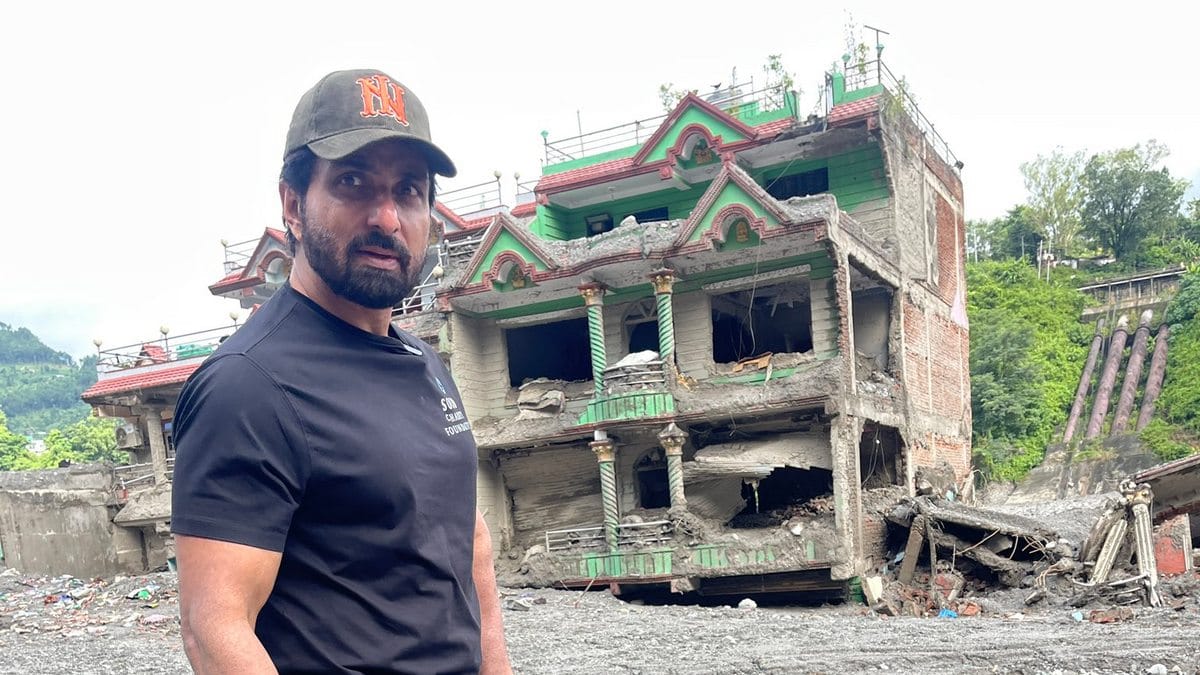
Sonu Sood Takes Flood Relief To Devastated Nepal Villages
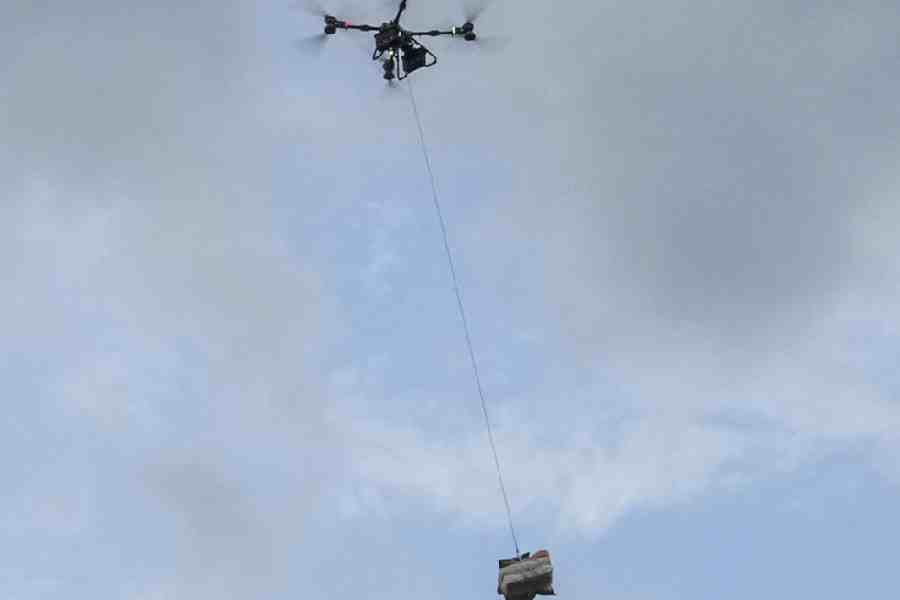
Nepal’s Drones Carry Bodies, Aid During Devastating Floods
Nepal Army Choppers Rescue Flood Victims

Nepal Reports 1.6 Million Affected by Bhotekoshi Floods
