1 week ago
Nepal Flood Highlights Risks of Construction Along Himalayan Rivers
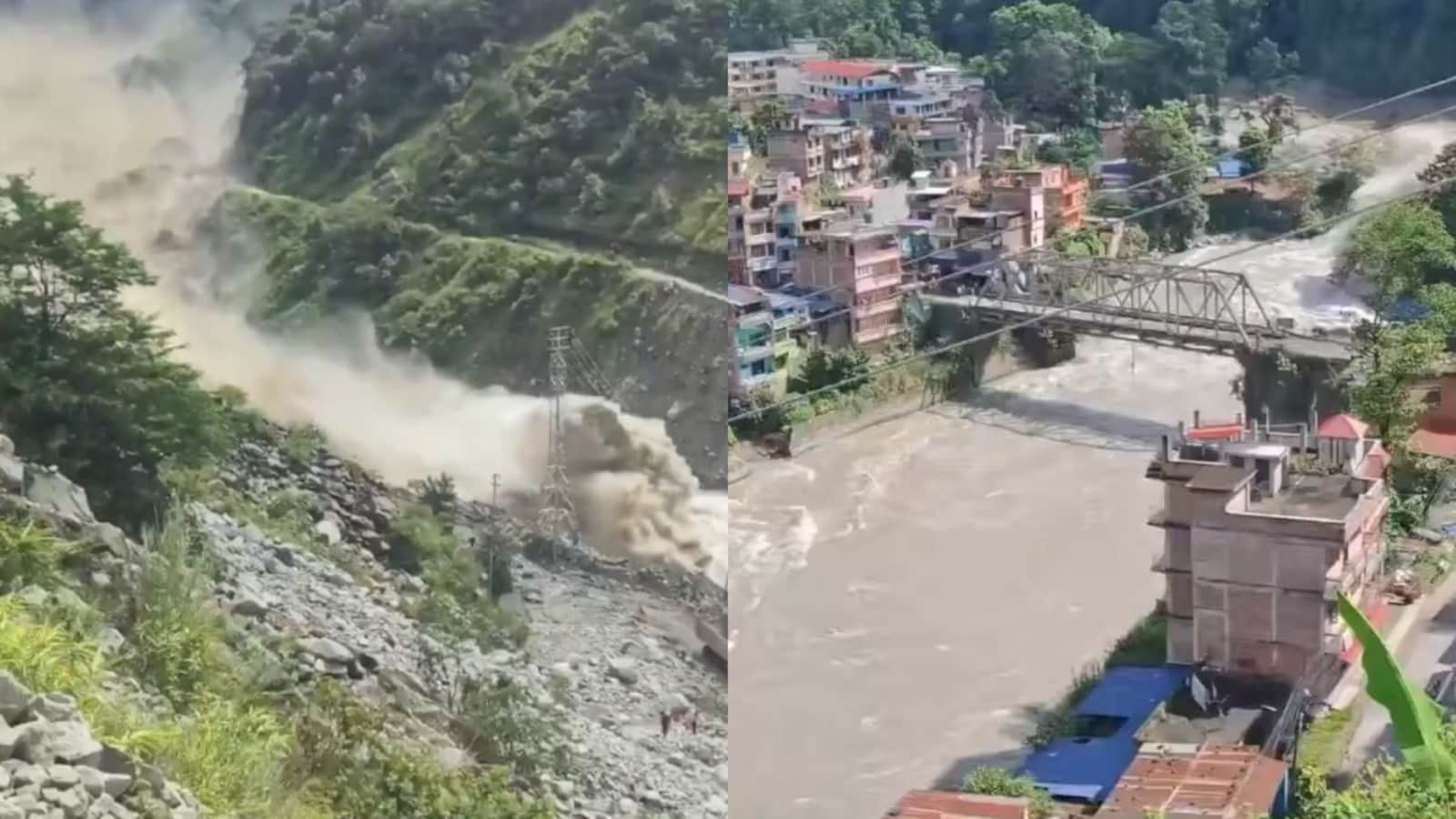
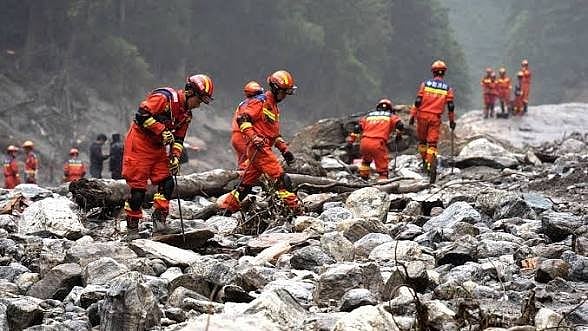
A large flood recently struck the Rasuwa region of Nepal.
Scientists think an avalanche of ice and rocks, or a glacier collapse, may have started it.
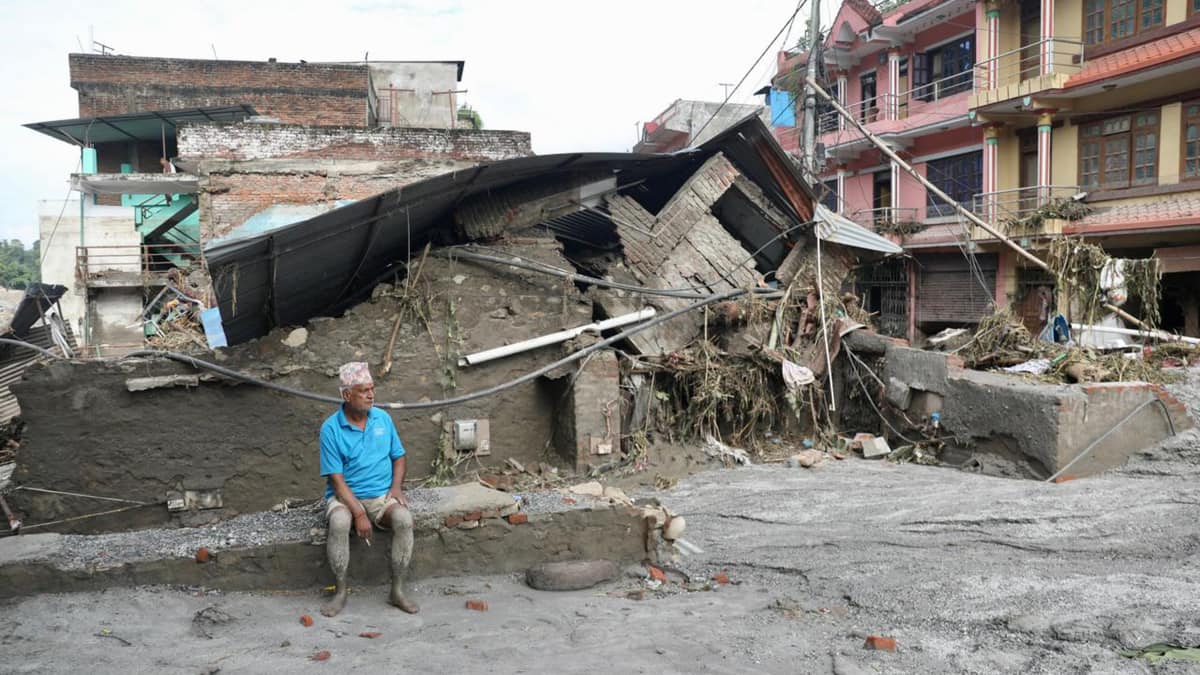
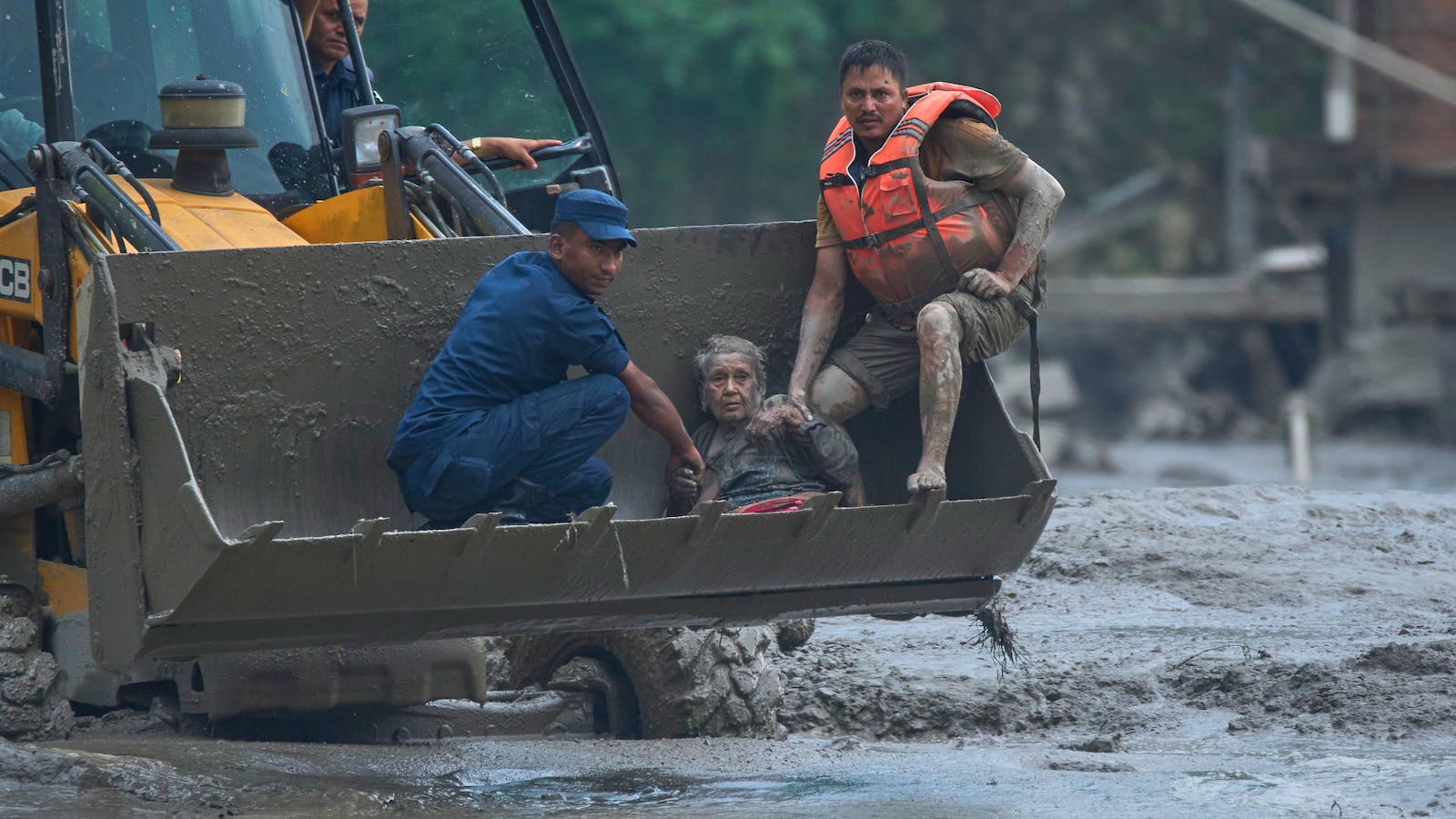
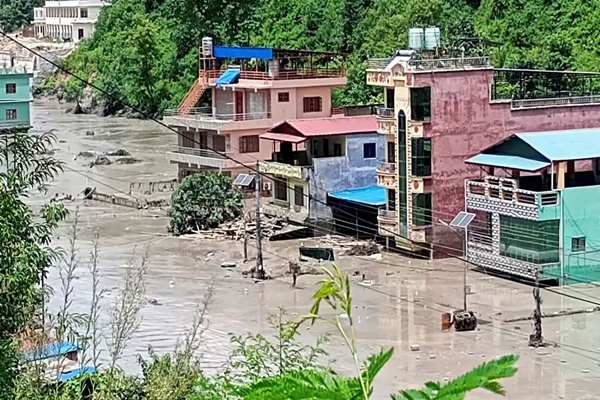
The rushing water and debris damaged homes, bridges and hydropower projects.
Experts are still studying exactly what happened.
They say warmer mountain temperatures can make glaciers, snow and frozen ground less stable.
Building houses and roads close to rivers can make floods more dangerous for people.
Older mountain villages were often built on higher ground for safety.
The damaged slopes may still collapse or cause more landslides.
Officials are telling people to stay away from rivers while the danger continues.

A suspected ice-and-rock avalanche or glacier collapse triggered a destructive flash flood in Nepal’s Rasuwa region.
The flood damaged homes, bridges, hydropower projects and other infrastructure across the river corridor.
Cryosphere expert Dr Mohd. Farooq Azam warned that construction near riverbanks and on floodplains increases disaster risks.
Scientists are examining whether an earthquake, snowmelt and unusually warm conditions contributed to the event.
Authorities have urged residents to avoid riverbanks because weakened slopes could produce secondary landslides after the flood.
- Who
- Residents, infrastructure operators and communities in Nepal’s Rasuwa region were affected; cryosphere expert Dr Mohd. Farooq Azam assessed the disaster.
- What
- A suspected ice-and-rock avalanche or glacier collapse generated a destructive flash flood that damaged homes, bridges, hydropower projects and other infrastructure.
- Where
- Rasuwa region, near the Nepal-Tibet border, with impacts downstream along the river corridor.
- When
- The article describes a recent disaster and says a red alert remains in place; it does not provide an exact date.
- Why
- The apparent trigger was a glacier collapse or ice-and-rock avalanche; an earthquake, snowmelt and unusually warm conditions may also have contributed, but the exact sequence remains uncertain.
Key facts
- Suspected trigger
- An ice-and-rock avalanche or glacier collapse
- Affected area
- Rasuwa region of Nepal, near the Nepal-Tibet border
- Damage
- Homes, bridges, hydropower projects and other infrastructure were damaged
- Flood type
- Scientists say it was probably not a traditional Glacial Lake Outburst Flood because no large glacial lake was identified at the source
- Ongoing risk
- Weakened slopes may cause secondary landslides for weeks or months
- Expert
- Dr Mohd. Farooq Azam, Senior Intervention Manager for Cryosphere at the International Centre for Integrated Mountain Development
- Precaution
- Authorities advised residents to stay away from riverbanks and remain alert under a continuing red alert
Quotes
Dr Mohd. Farooq Azam
Senior Intervention Manager for Cryosphere at ICIMOD
“Now settlements are happening very close to river banks and sometimes over the rivers. They have some overhanging pillars and structures, and they establish some shops and markets.”
 NDTV
NDTV
“If we see indigenous Himalayan people in old times, they used to be away from these rivers. The houses are always at very high altitude.”
NDTV
Sources
Related news
Melting Glaciers Push Nepal Toward Its Adaptation Threshold
Nepal Flood Triggers Warning Of Potential Second Surge
Nepal Flood Exposes Himalayan Cascading Hazard Risks

Nepal Glacier Avalanche Exposes Cascading Himalayan Disaster Risks
Why Nepal Remains Vulnerable to Glacial Floods and Earthquakes
Nepal Floods Raise Alarms Over Himalayan Disaster Risks
Nepal Floods Expose Himalayan Disaster Risks and Regional Divisions

Bowring Hospital to Collect DNA from Kin of Missing Persons

India responds to Nepal’s climate compensation demand after floods

Nepal Disaster Warns India to Build Safer Himalayan Towns
Nepal Floods Leave Indians Missing as India Sends Relief