

6 days ago
Nepal Flood Triggers Warning Of Potential Second Surge
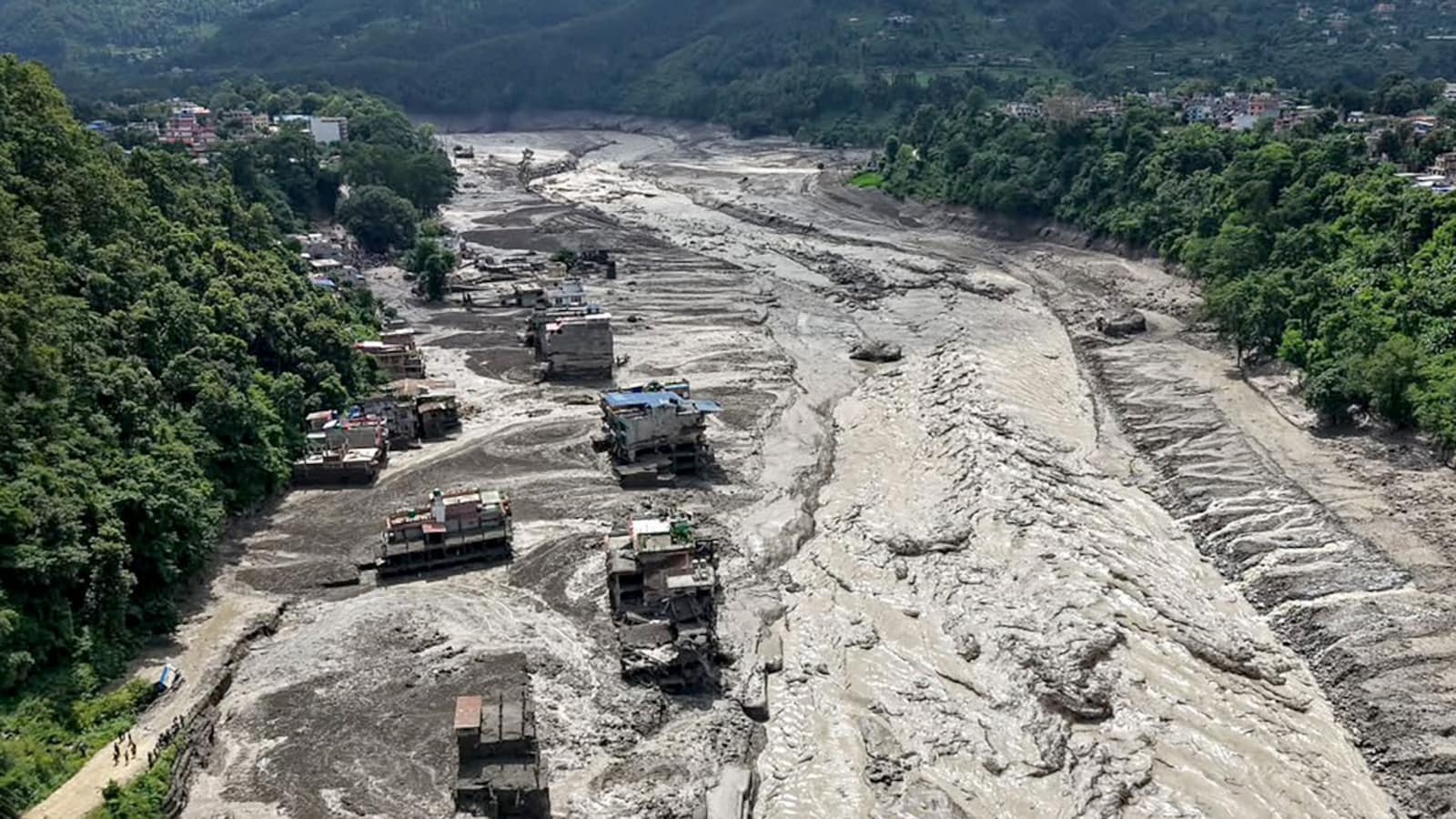
A very large flood suddenly rushed through part of Nepal’s mountains.
It carried water, rocks and mud down two river systems.
Scientists think an avalanche of ice and rocks may have blocked a river and then released the flood.
They are not certain that this was the cause.
Some of the blockage may still be upstream near the Nepal-China border.
If it breaks, another flood could happen.
People near Jilong port have been told to evacuate.
Scientists are watching rivers, earthquakes and satellite information to understand the danger.
They also say it is too early to know whether climate change caused this particular flood.

A flash flood struck Nepal’s Rasuwa district on August 26, sending water, boulders and sediment through the Bhote Koshi and Trishuli river systems.
The International Centre for Integrated Mountain Development warned that a blockage remains upstream near the Nepal-China border and could cause another flood.
Scientists suspect an ice-rock avalanche or temporary landslide dam triggered the surge, but the cause has not been confirmed.
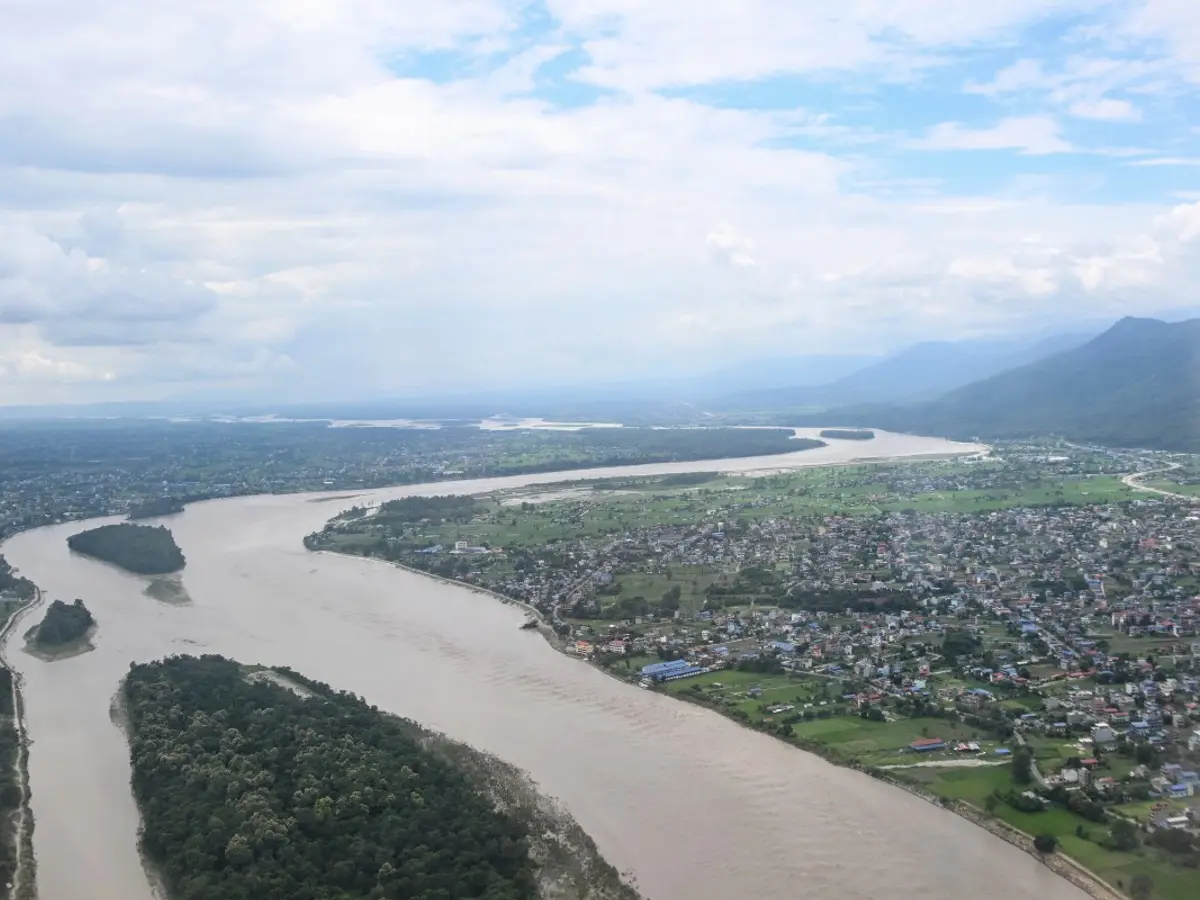
Trishuli River levels rose as much as nine metres at Galchchi and seven metres at Malekhu within about 30 minutes.
Evacuations are underway at Jilong port, while downstream areas in Nuwakot and Dhading are being monitored.
- Who
- Communities and authorities in Nepal, with warnings from the International Centre for Integrated Mountain Development and its scientists.
- What
- A sudden flash flood damaged infrastructure and monitoring systems, while a remaining upstream blockage raised fears of a second surge.
- Where
- Rasuwa district and the Bhote Koshi–Trishuli river systems in Nepal, with monitoring in Nuwakot and Dhading and evacuation orders for Jilong port.
- When
- The flood began around 9 a.m. local time on August 26; the article describes the warning as following the Wednesday disaster.
- Why
- Scientists suspect an ice-rock avalanche may have blocked the Lhende Khola, creating a temporary dam that could release more water if it fails.
Avalanche And Blockage Explanation
Unconfirmed Causes And Attribution
What triggered the flood?
Avalanche And Blockage Explanation
Preliminary video, field observations and hydrological evidence support the possibility that an ice-rock avalanche entered the Lhende Khola, blocked the river and released a sudden surge.
Unconfirmed Causes And Attribution
ICIMOD says the suspected avalanche remains unconfirmed, and scientists are also investigating a temporary landslide dam and other possible explanations.
Role of seismic signals
Avalanche And Blockage Explanation
Unusual signals recorded at monitoring stations in Jilong and Zhangmu could be consistent with an avalanche or another major slope failure.
Unconfirmed Causes And Attribution
Researchers have not established a direct causal relationship between the seismic signals and the flood.
Climate change connection
Avalanche And Blockage Explanation
ICIMOD scientists say changing glaciers, snow conditions, permafrost and mountain slopes are increasing concern about cryosphere-related hazards.
Unconfirmed Causes And Attribution
Scientists caution that it is too early to determine whether climate change contributed to this specific flood.
Key facts
- Organization
- The International Centre for Integrated Mountain Development is a Kathmandu-based intergovernmental organization serving eight Hindu Kush Himalayan countries.
- Suspected trigger
- A possible ice-rock avalanche in the Lhende Khola, though scientists have not confirmed the cause.
- Remaining danger
- A blockage is reportedly still lodged upstream near the Nepal-China border.
- River rise at Galchchi
- The Trishuli River rose by as much as nine metres in about 30 minutes.
- River rise at Malekhu
- River levels increased by about seven metres over a similar period.
- Evacuation
- Authorities ordered evacuations for Jilong port.
- Other areas monitored
- Nuwakot and Dhading districts are being watched for downstream effects.
Quotes
Mohd. Farooq Azam
Senior Cryosphere Specialist at ICIMOD
“The increasing frequency of cryosphere hazards is now visible more than ever. The pace is so fast that our ongoing efforts are not able to cope with this rapid change. Today's disaster in the Lhende Khola is another cause for regional collaboration where governments should take some joint, consolidated steps to react to such cross-border hazards,”
 NDTV
NDTV
“The same site devastated by last year's Rasuwa flood is once again under threat. An ice avalanche in the Lhende Khola is the suspected trigger, but the cause remains unconfirmed. With a blockage still lodged upstream on the Nepal-China border, authorities warn a second flood is imminent and evacuation orders are now in place for Jilong port.”
NDTV
Sources
Related news
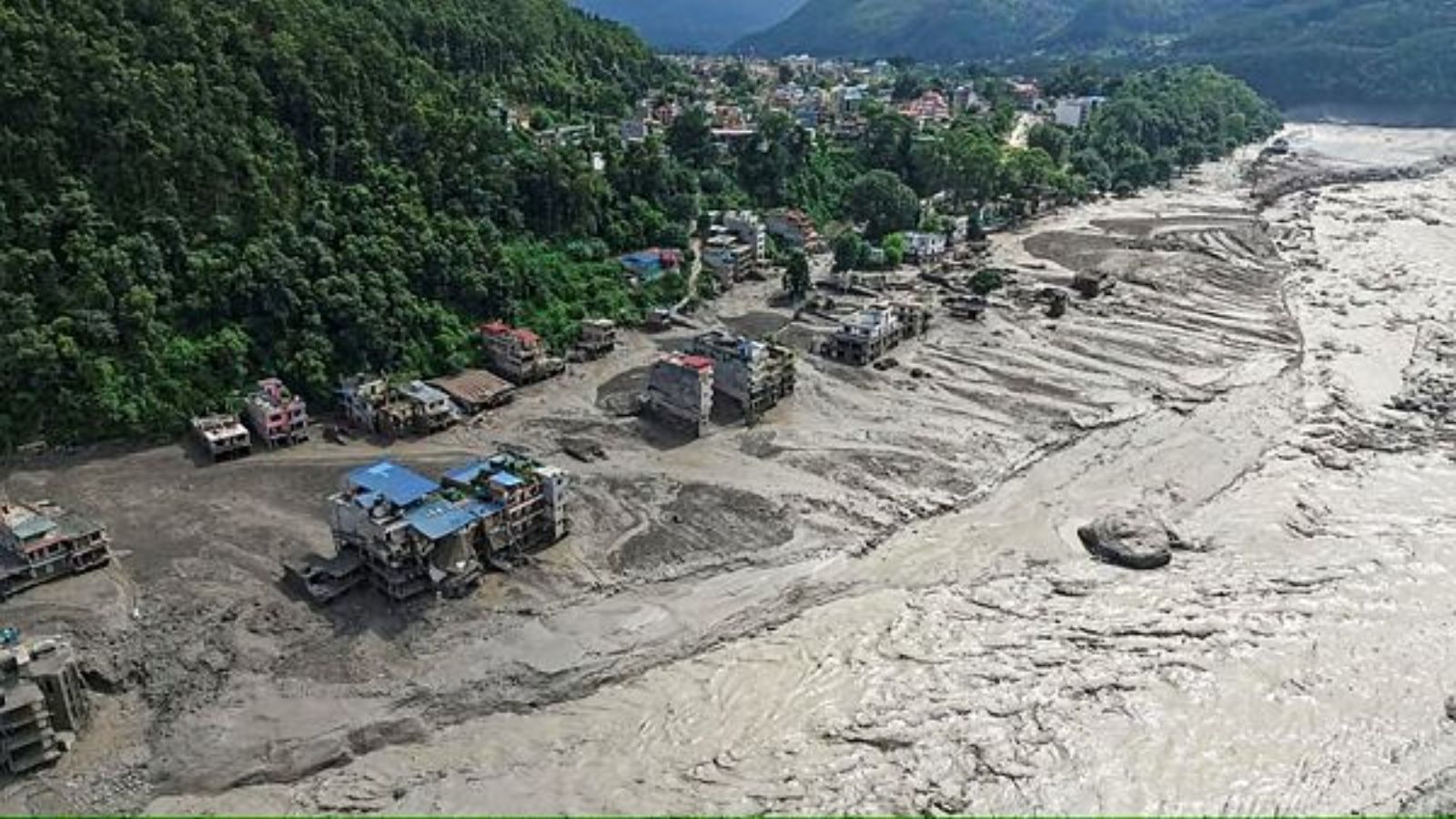
Scientists Suspect Ice-Rock Avalanche Triggered Deadly Nepal Floods
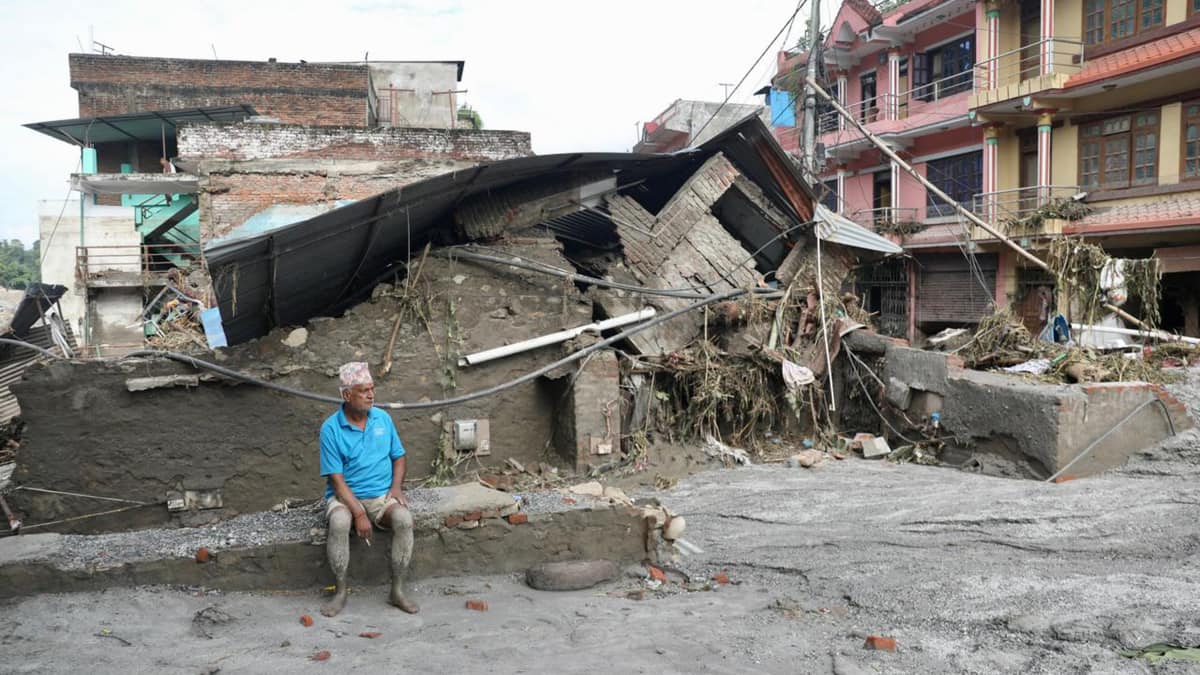
Nepal Flood Exposes Himalayan Cascading Hazard Risks
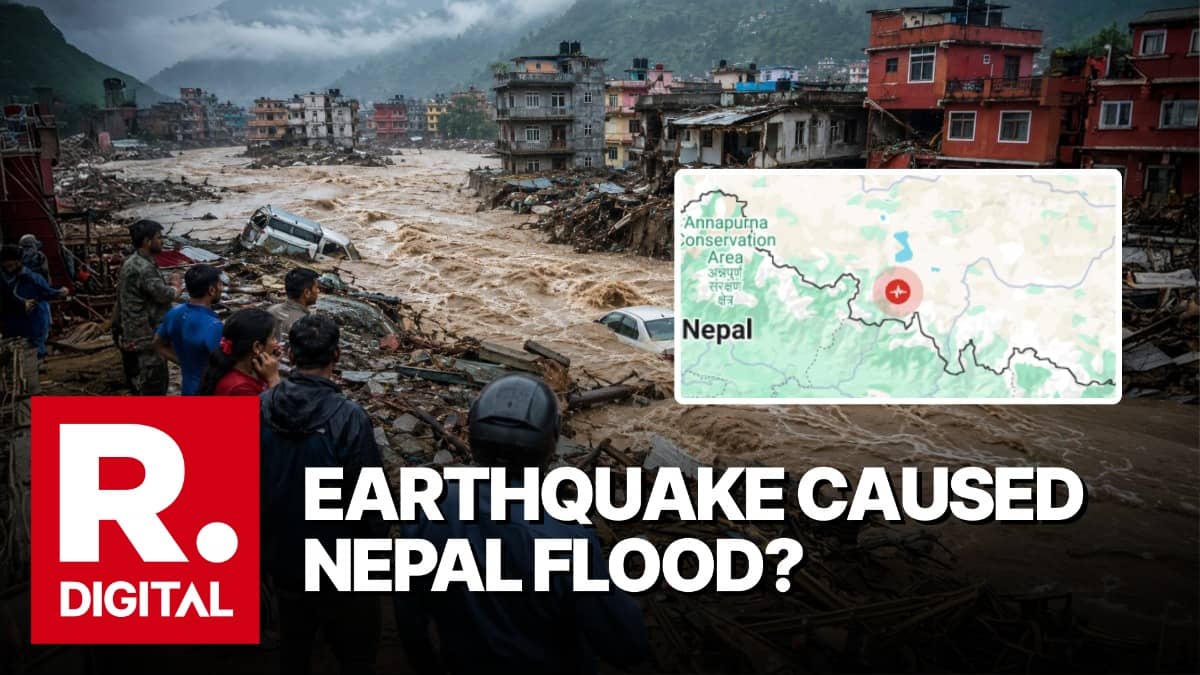
Nepal Flash Floods: Possible Avalanche, Earthquake or GLOF Triggers

Scientists Link Nepal Floods to Possible Ice-Rock Avalanche

Nepal Flood May Have Begun With Border Ice Avalanche

Nepal Thanks India as Glacial Disaster Rescue Efforts Continue
Nepal Warns of Heavy Rain After Deadly Floods
Nepal Flood Exposes Delayed Alerts and Cross-Border Warning Gaps
India to Rebuild Nepal School After Principal Saves 1,600
Maharashtra Mountaineers Join Search for Missing Nepal Trekkers
