1 hr ago
Nepal Disaster Warns India to Build Safer Himalayan Towns

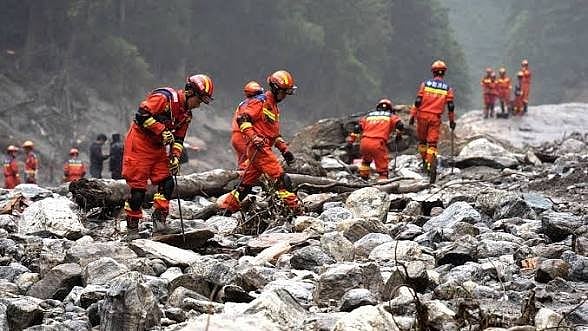
A large piece of ice and rock broke away from a mountain in Nepal.
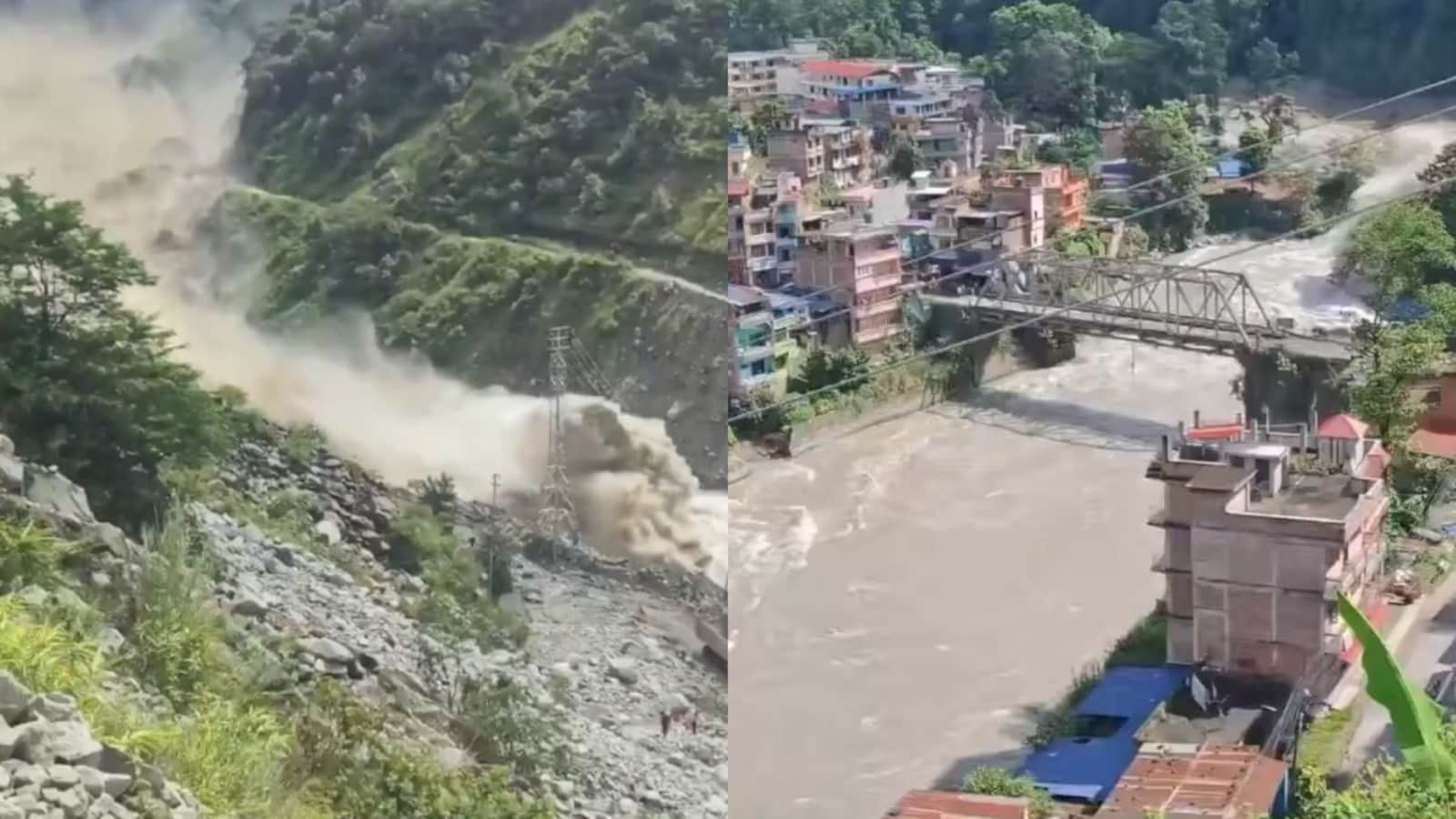
It rushed downhill and entered a river.
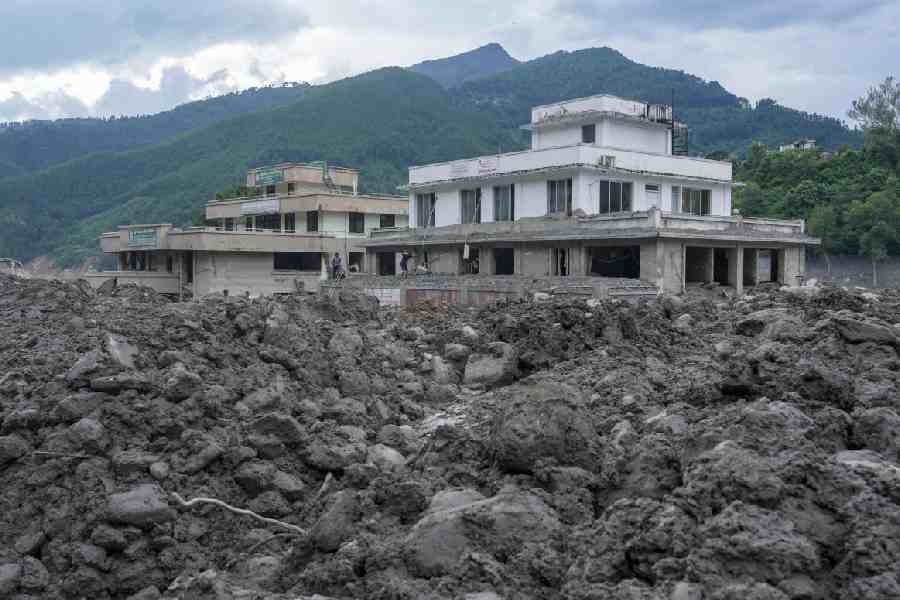
The river carried mud, rocks and other debris toward towns and villages.
The water rose very quickly, leaving little time for people to react.
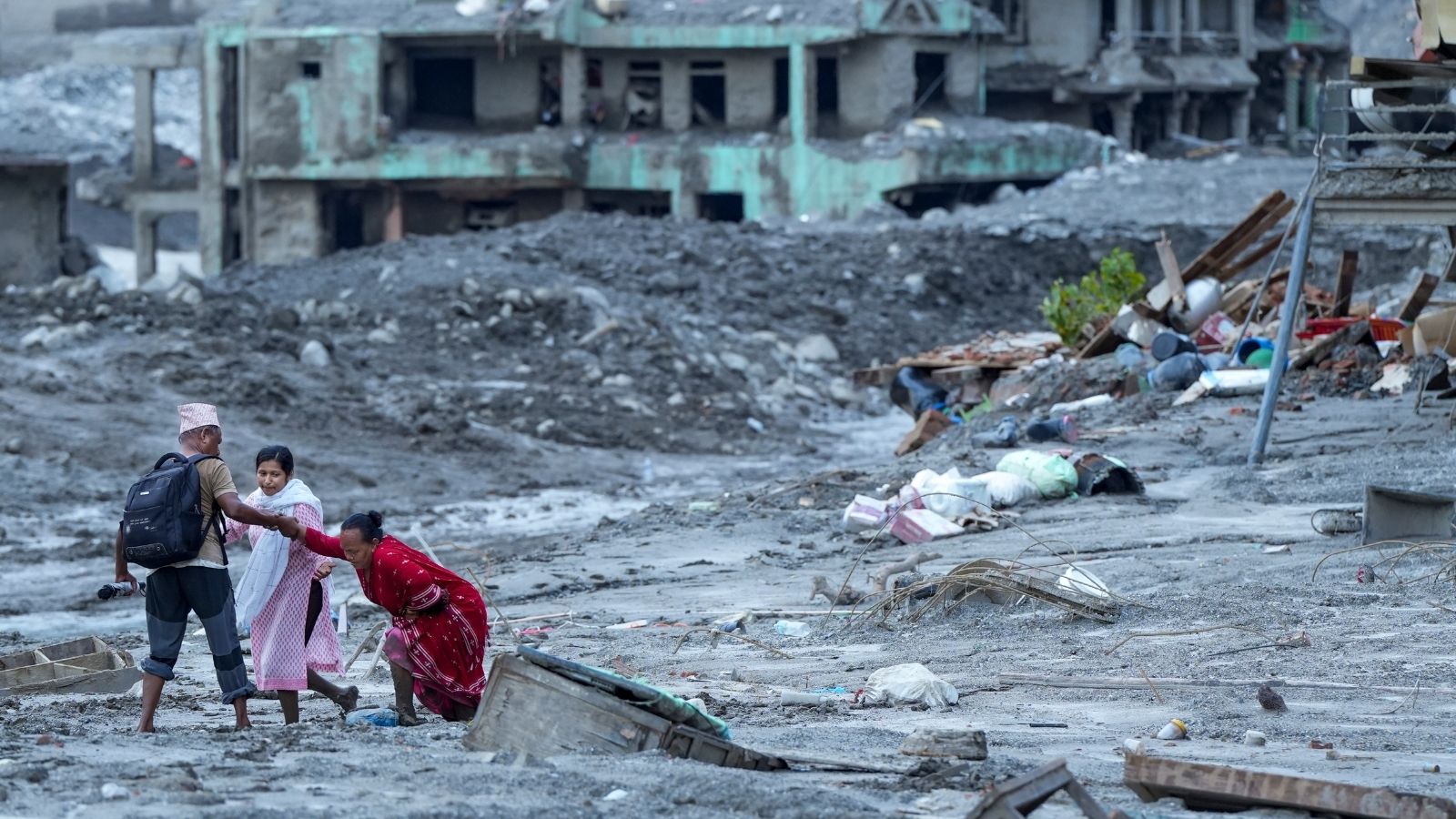
Bridges, roads and power facilities were badly damaged, and many people died or went missing.
An Indian urban planner says this is a warning for towns in India’s Himalayas.
He says mountains should not be treated like flat land when roads, hotels and power projects are built.
He recommends smaller projects and planning that considers the whole valley, including areas upstream and downstream.

A glacier ice-and-rock avalanche in Nepal’s Langtang range triggered destructive floods through connected river systems.
The Trishuli River rose nearly nine metres in about 30 minutes, damaging or destroying 19 bridges and around 40 kilometres of roads.
More than 430 megawatts of electricity-generation capacity went offline, while the reported death toll exceeded 1,000.
Urban planner Dikshu C. Kukreja says Himalayan development must account for fragile geology, climate risks and connected river valleys.
Kukreja advocates smaller, distributed infrastructure, stronger traffic management and coordinated planning across administrative boundaries.
- Who
- Communities in Nepal were affected; urban planner Dikshu C. Kukreja discussed the implications for India.
- What
- An ice-and-rock avalanche triggered a debris-filled flood that caused widespread damage and prompted calls for safer Himalayan development.
- Where
- The initial collapse occurred at about 5,200 metres in Nepal’s Langtang range, with impacts downstream through the Lhende, Bhote Koshi and Trishuli river systems.
- When
- The disaster began on the morning of 26 August; the articles do not specify the year.
- Why
- The event was triggered by a mountain ice-and-rock collapse, while its relevance to India concerns expanding infrastructure in a fragile, hazard-prone region.
Key facts
- Initial trigger
- A mass of glacier ice and rock broke away at around 5,200 metres in the Langtang range.
- River rise
- The Trishuli River climbed nearly nine metres in about 30 minutes.
- Infrastructure damage
- Nineteen bridges and roughly 40 kilometres of roads were damaged or destroyed.
- Power capacity affected
- More than 430 megawatts of electricity-generation capacity was knocked offline.
- Reported deaths
- The death toll had crossed 1,000 at the time of writing.
- Indian Himalayan Region
- NITI Aayog describes it as stretching about 2,500 kilometres across 13 states and Union Territories.
- Estimated population
- Nearly 50 million people live in the Indian Himalayan Region, according to the article.
Quotes
Dikshu C Kukreja
Architect, urban planner and socio-environmentalist interviewed about Himalayan development.
“The Himalayas are not the plains. The topography of mountains is completely different, and it affects the whole landscape.”
 thebetterindia.com
“Development must happen, but it must be micro-development, not mega-development.”
thebetterindia.com
Sources
Related news
Nepal Flood Highlights Risks of Construction Along Himalayan Rivers

Nepal Glacier Disaster Exposes India’s Himalayan Risk-Planning Challenge
Nepal's Rasuwa Floods Expose Risks of Himalayan Infrastructure

Environmentalists Link Nepal Flash Floods to Himalayan Development Practices
Melting Glaciers Push Nepal Toward Its Adaptation Threshold
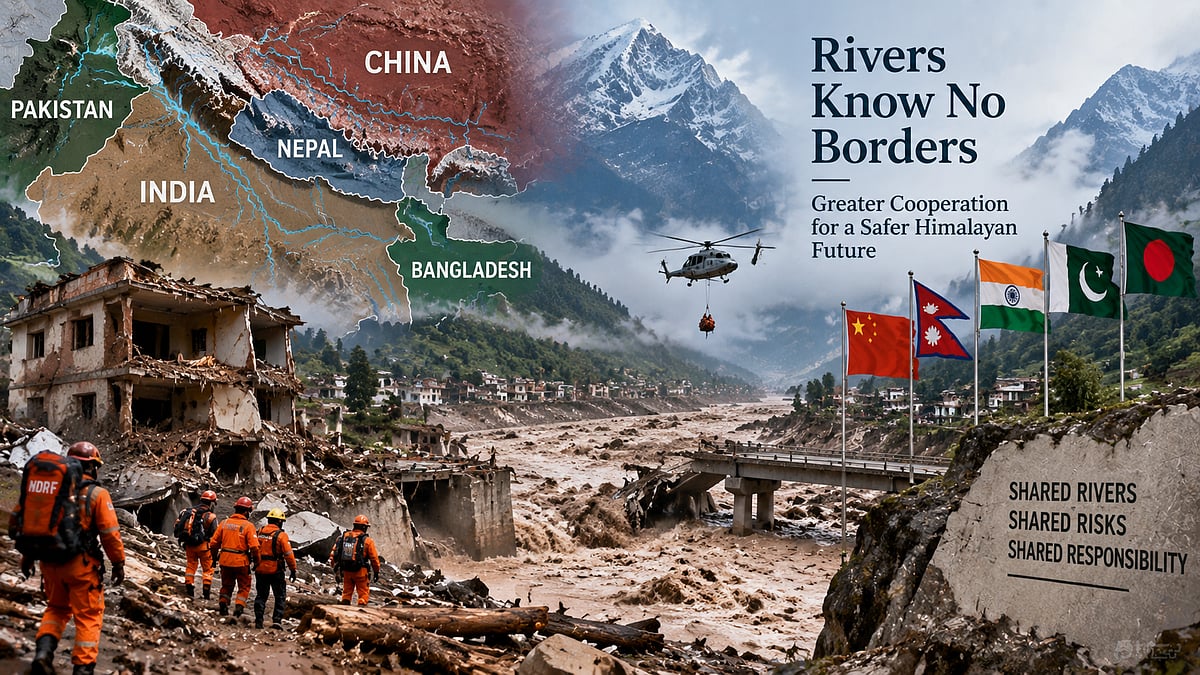
Nepal Floods Expose Himalayan Disaster Risks and Regional Divisions

Bowring Hospital to Collect DNA from Kin of Missing Persons

India responds to Nepal’s climate compensation demand after floods
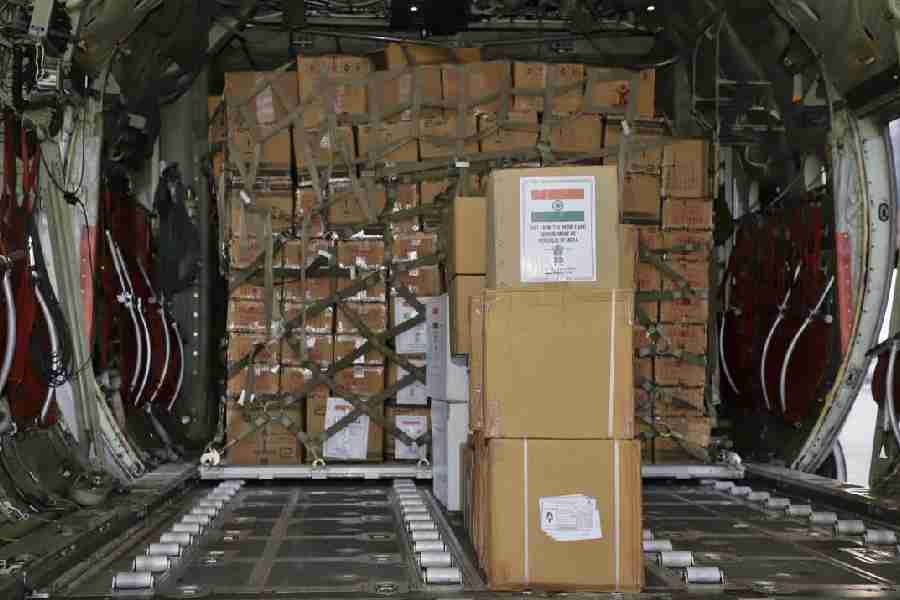
Nepal Floods Leave Indians Missing as India Sends Relief