1 hr ago
Nepal Flood Death Toll Passes 1,200 Amid Ongoing Search

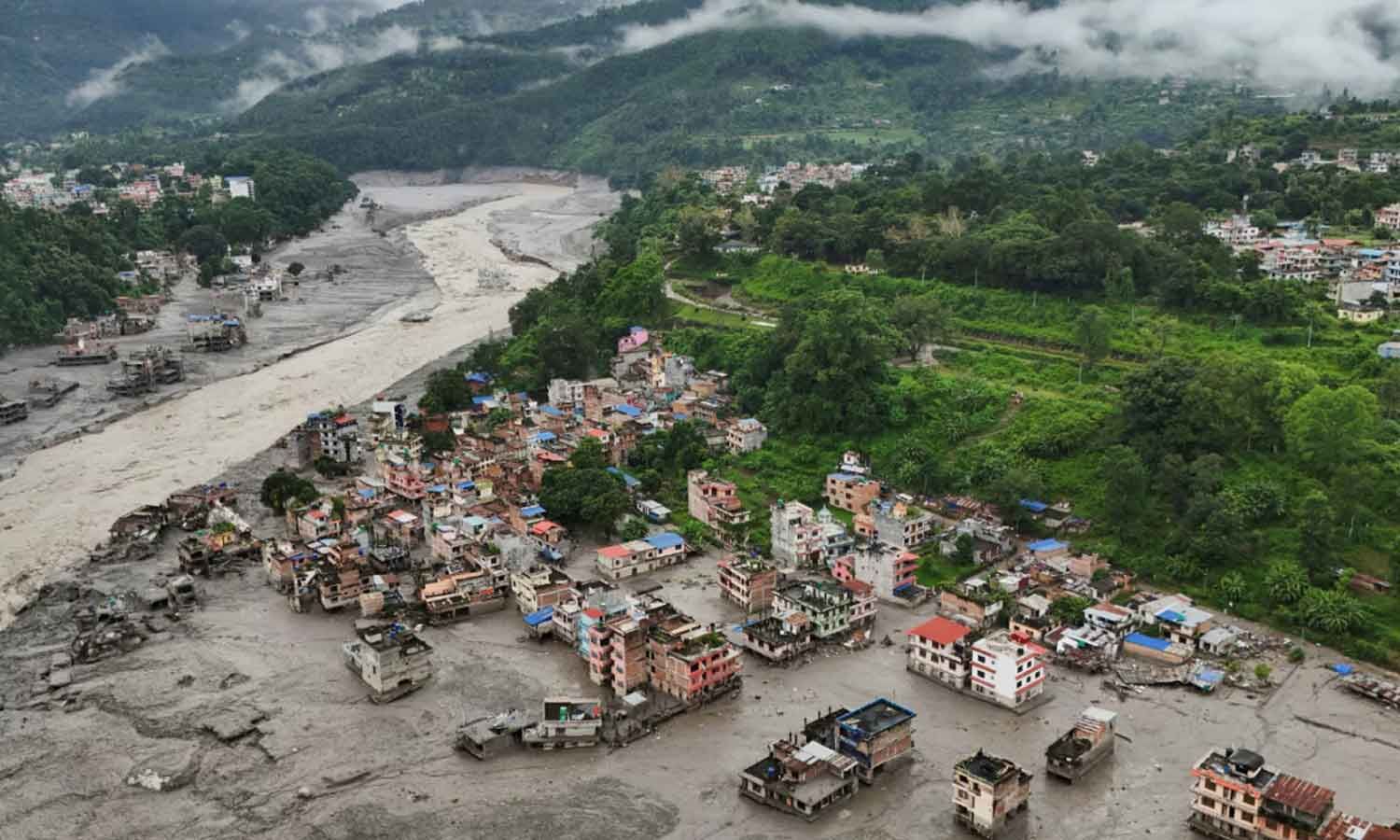
A very large flood hit parts of Nepal after a natural event near the Nepal-China border.
More than 1,200 people have died, and thousands are still missing.
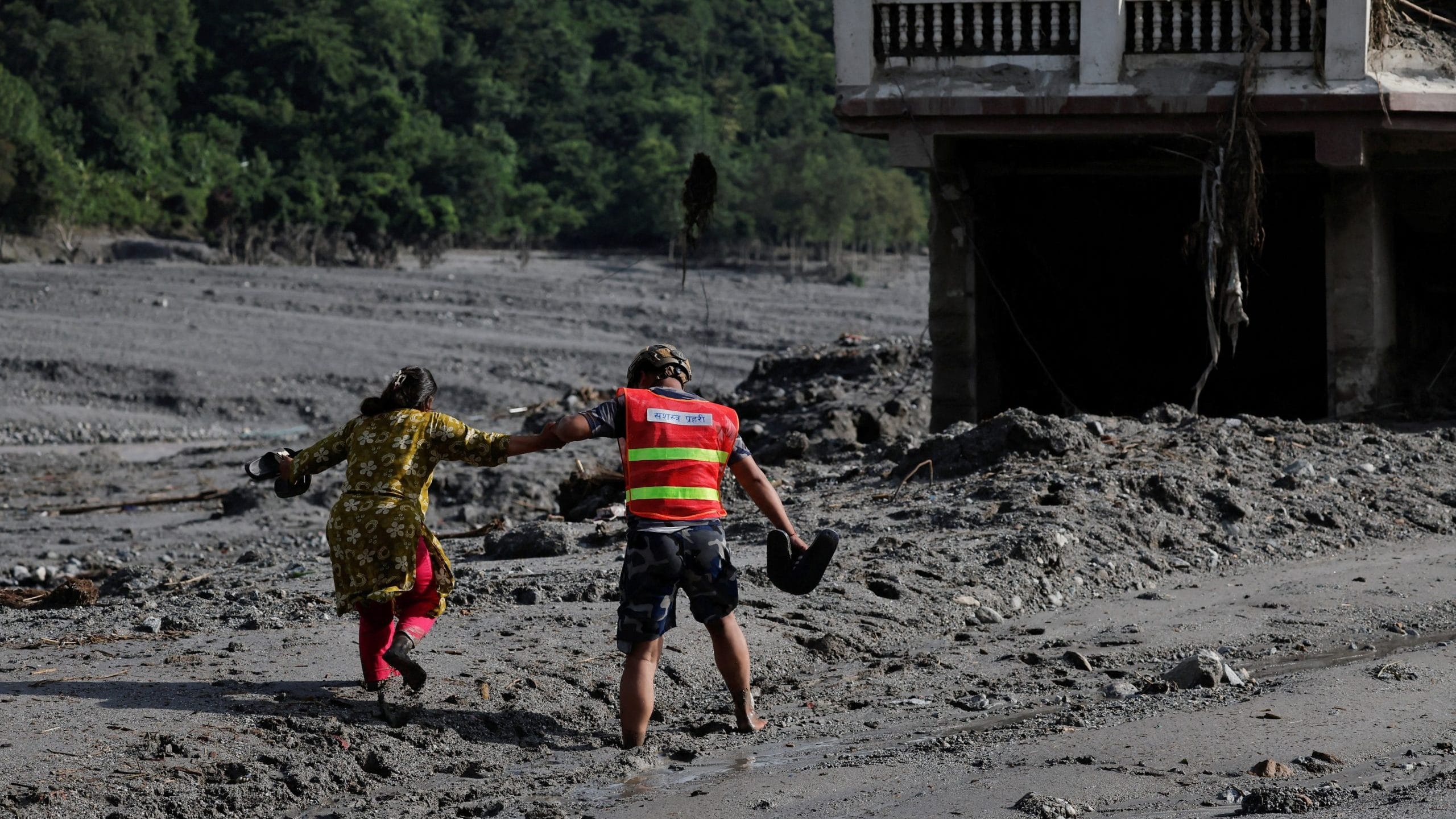
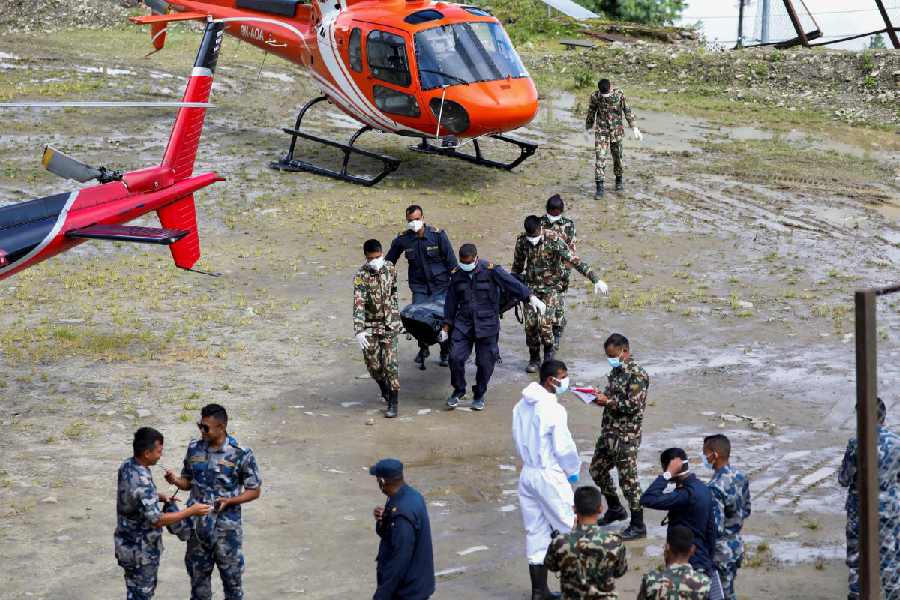
Rescue workers are searching for people even though the mountains and weather make the work difficult.
India has sent rescue workers, medicine, food and other supplies to help Nepal.
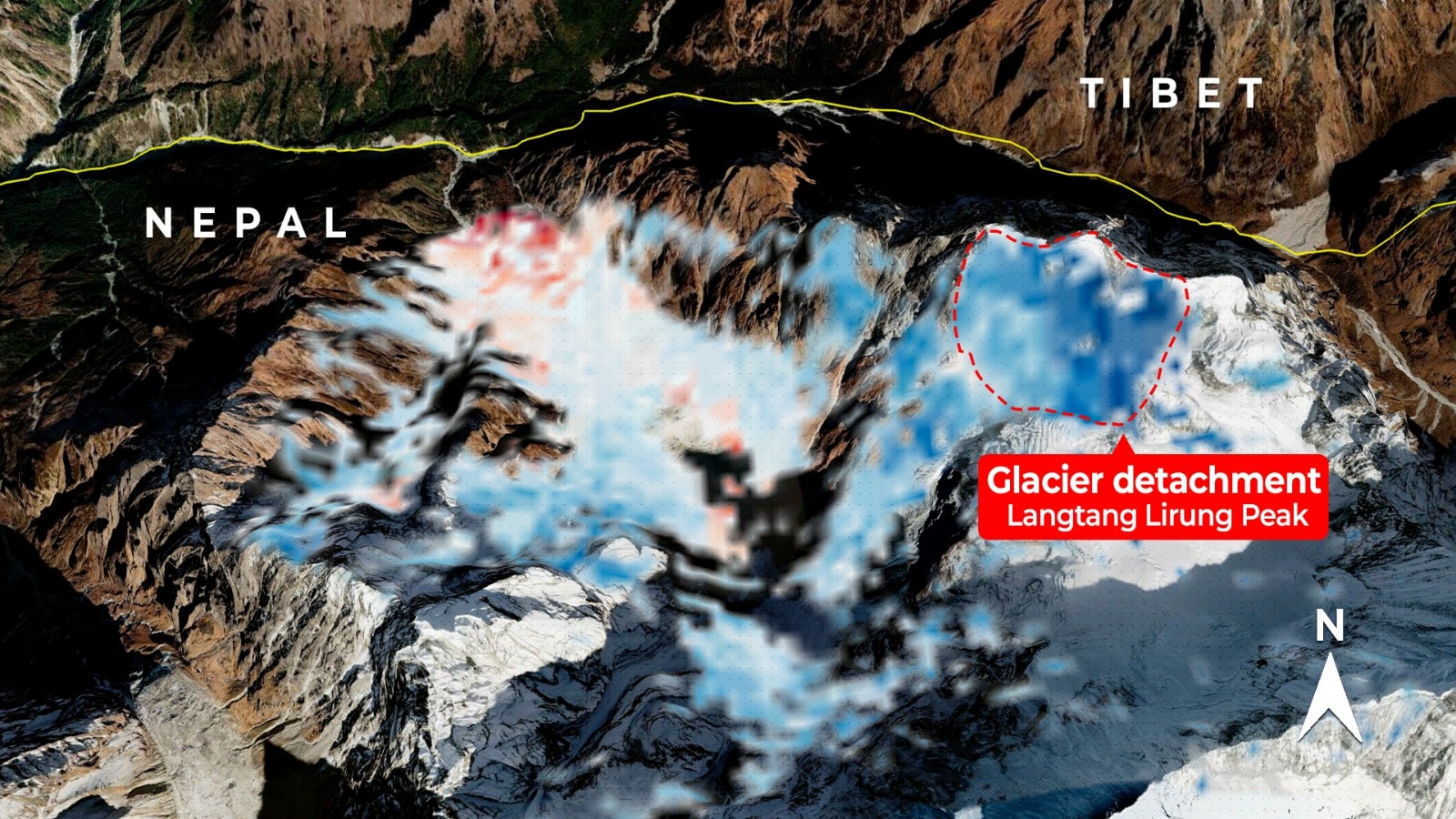
Experts said an avalanche blocked a river tributary and that trapped water later broke through.
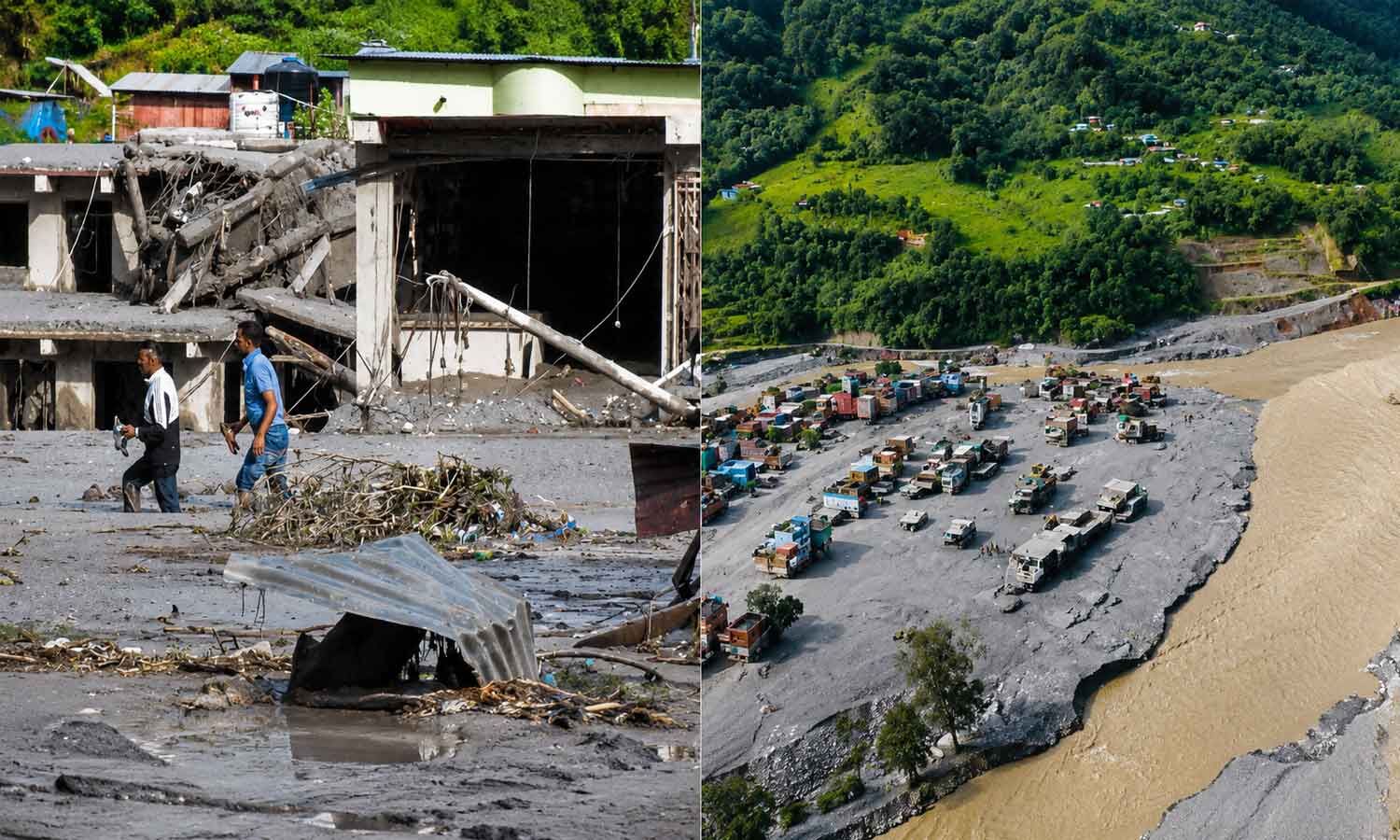
The flood then moved downstream and damaged communities and infrastructure.
Nepal’s prime minister said the disaster shows why climate-related dangers in the Himalayas need more international attention.
Workers have started temporarily burying some victims while searches continue.

Nepal’s reported flood death toll reached 1,204, with 4,216 people still missing.
Search-and-rescue, recovery and identification operations entered their eighth day under difficult weather and terrain conditions.
The flash floods followed a glacial collapse in Tibet on August 26, according to Nepal’s Ministry of External Affairs.
India’s fifth Air Force delivery brought an 11-member rescue team, specialised equipment and 5.5 tonnes of medicines.
India has sent more than 68 tonnes of emergency supplies, while Nepal has begun temporary burials for victims.
- Who
- Flood victims, Nepalese rescue and recovery teams, the Nepal government, and Indian humanitarian personnel are involved.
- What
- A catastrophic Bhote Koshi River flash flood has killed 1,204 people, left 4,216 missing and prompted continuing search operations and international aid.
- Where
- The floods affected northern and central Nepal, after an event near the Nepal-China border, with impacts extending toward the Trishuli River.
- When
- The disaster followed a glacial collapse on August 26; search operations were in their eighth day on Wednesday.
- Why
- Experts said an avalanche blocked the Lengde Khola, allowing accumulated water to breach the natural barrier; Nepal’s prime minister also linked the disaster to growing climate-related risks.
Climate-risk emphasis
Immediate physical-trigger emphasis
How the disaster is being explained
Climate-risk emphasis
Prime Minister Balendra Shah said Nepal must draw stronger international attention to disasters caused by climate change and the growing risks facing the Himalayan region.
Immediate physical-trigger emphasis
Experts identified an avalanche blocking the Lengde Khola as the immediate event that created an impounded body of water, which later broke through and caused the flood.
Main policy focus
Climate-risk emphasis
Nepal’s government is emphasizing the broader climate-related danger and what the disaster means for the country’s future.
Immediate physical-trigger emphasis
The expert account focuses on the local chain of events involving the avalanche, breached natural barrier and downstream flooding.
Key facts
- Reported death toll
- 1,204 people
- People missing
- 4,216
- Search duration
- Eighth day
- Indian Air Force delivery
- An 11-member rescue team, specialised equipment and 5.5 tonnes of essential medicines
- Total Indian relief sent
- More than 68 tonnes of emergency relief materials and specialised rescue teams
- Flood mechanism cited by experts
- An avalanche blocked the Lengde Khola, and accumulated water later breached the natural barrier
- Victim recovery
- Nepal has begun temporary burials while search-and-rescue operations continue
Quotes

Balendra Shah
Prime Minister of Nepal
“The huge disaster, whose impacts of climate change we have suddenly experienced, has kept us working around the clock to manage the damage. At the same time, another profound question has arisen in our minds: How did this disaster come upon us?”
 thestatesman.com
Sources
Related news
Nepal Flood Toll Rises as Rescue Teams Face More Flooding
Nepal Flood Toll Reports Diverge as India Expands Aid
Nepal-Tibet Flash Flood Toll Rises as Fresh Threat Looms

India Sends 10 Tonnes of Aid After Nepal Floods

Nepal Flood Death Toll Tops 1,200 as Climate Risks Rise

India Sends More Aid as Nepal Flood Rescue Continues
Bihar on Alert as Rivers Swell, Sone Barrage Gates Open
Satellite Radar May Strengthen Nepal's Flood Warning Systems
Nepal Plans New Landslide Warning System Along China Border