

1 hr ago
Nepal Families Seek Missing Loved Ones After Deadly Flash Floods
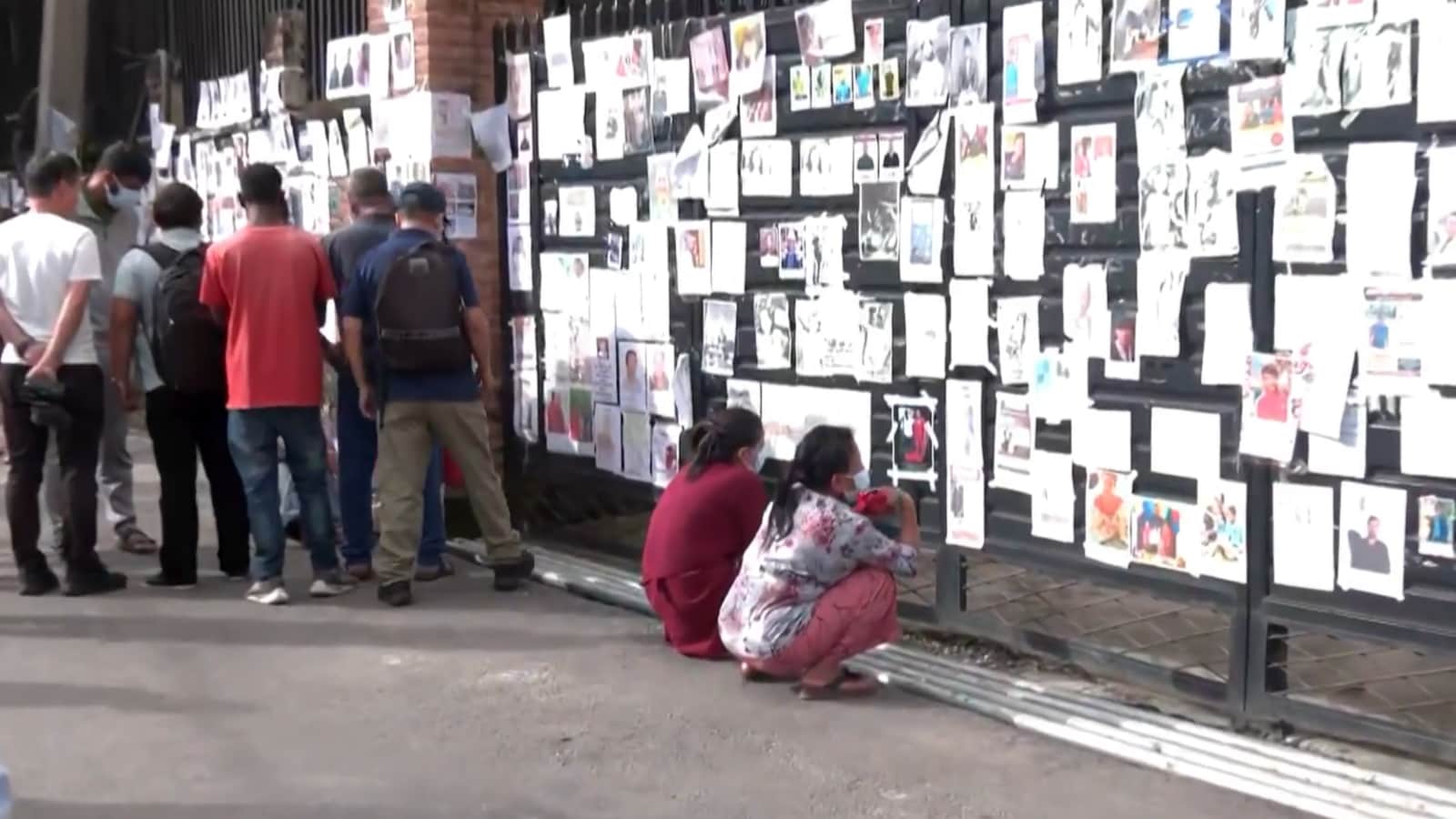
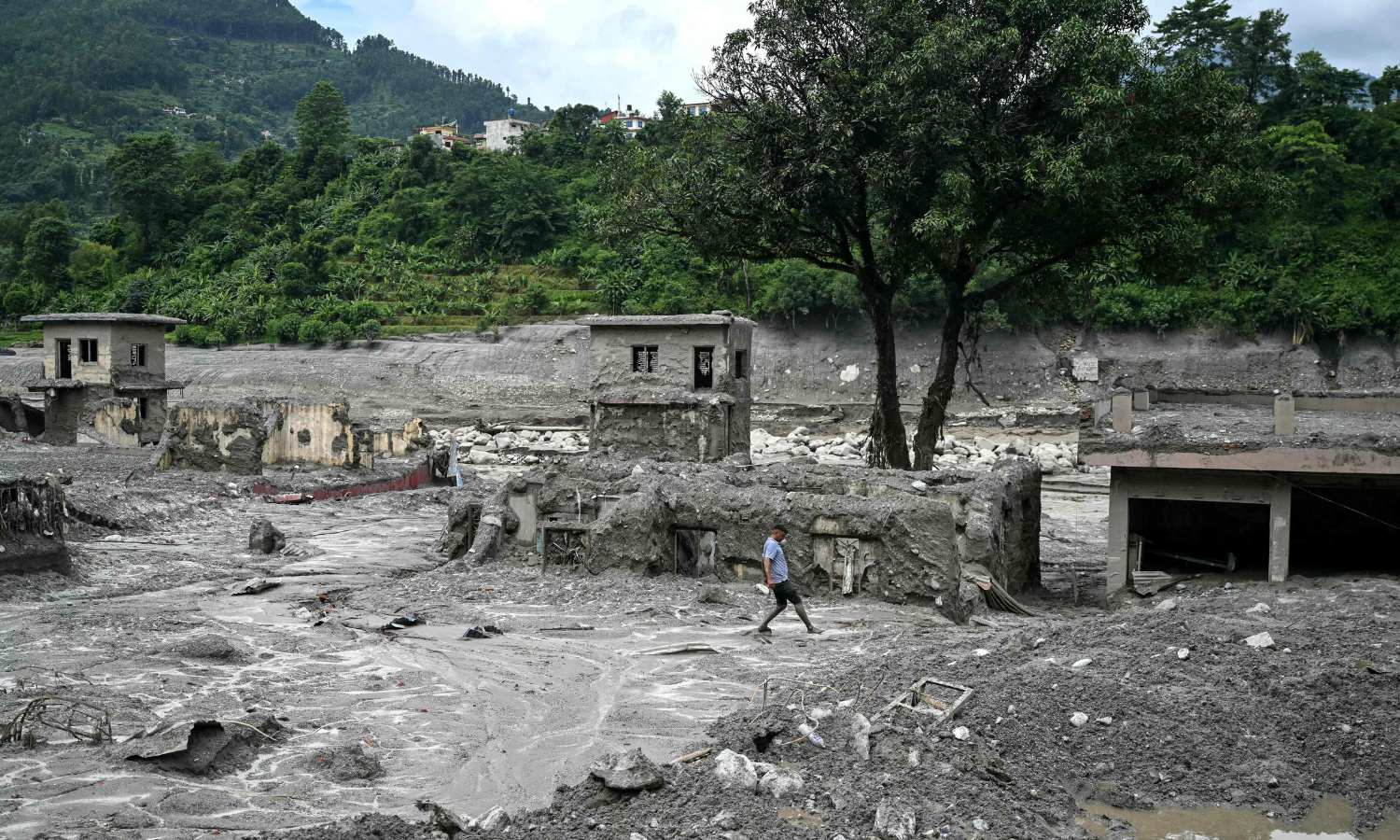
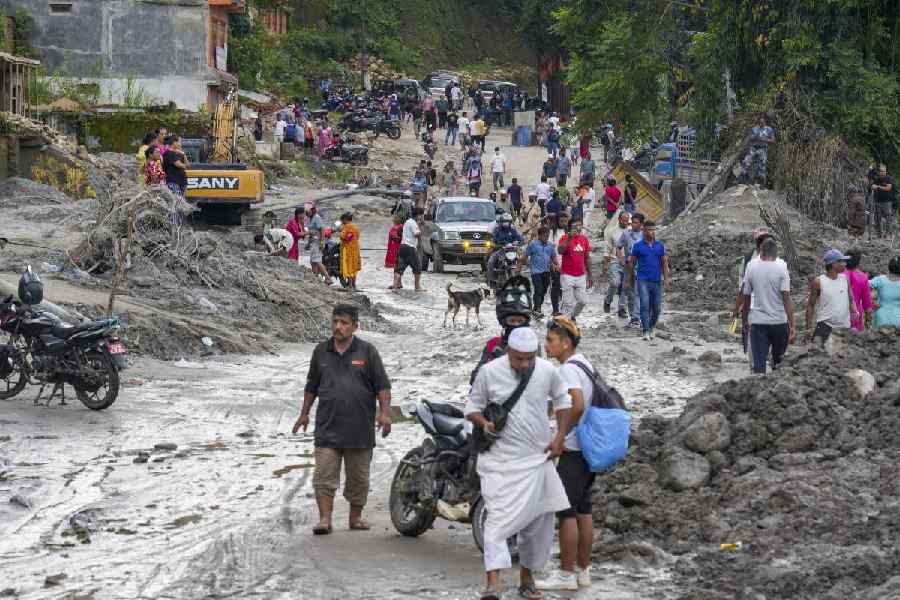
Severe flash floods struck Nepal on August 26 and killed more than 1,200 people.
Thousands of others are still missing.
Families are waiting outside a Kathmandu hospital and looking at photographs to find their relatives.
Many bodies cannot yet be identified because they are badly damaged.
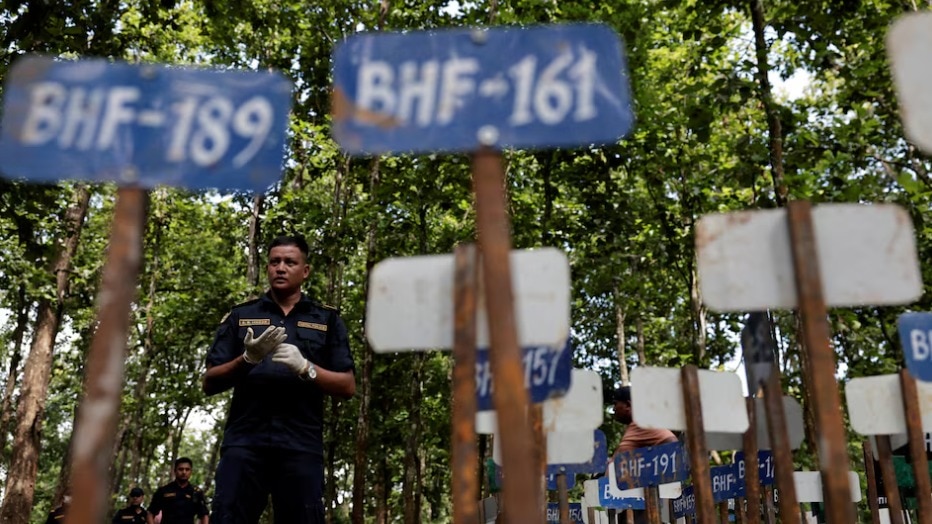
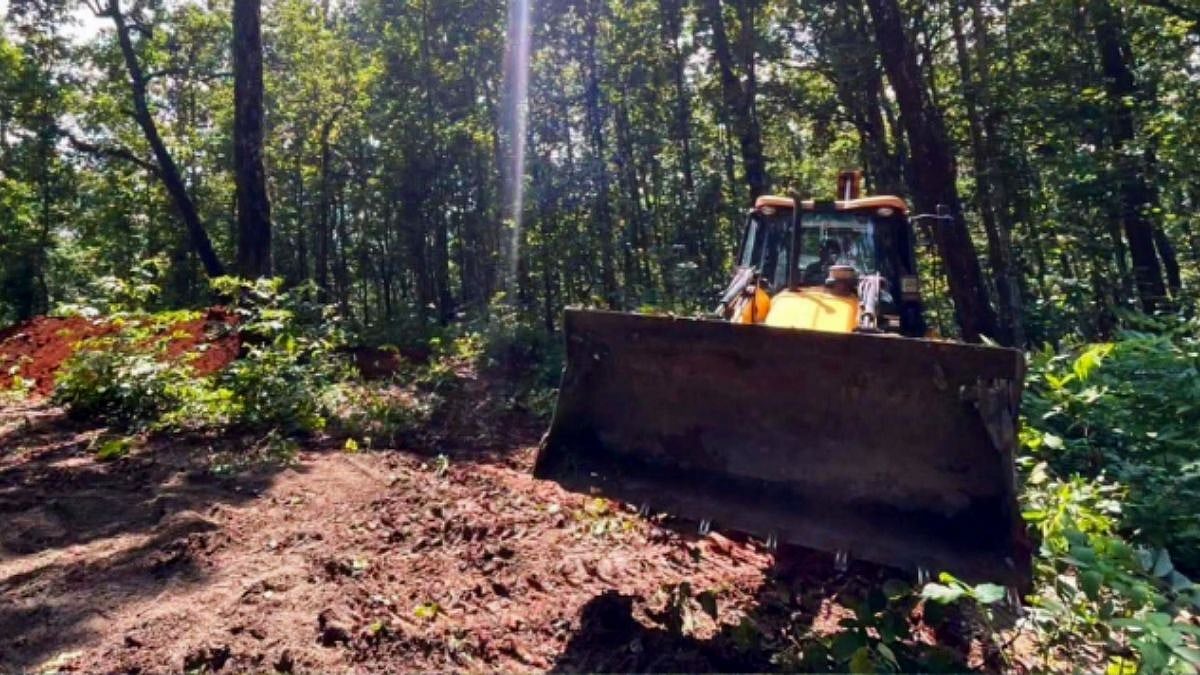
Some bodies are being buried temporarily with numbers and signs so they can be found later.
DNA samples may help match the bodies to families.
In some places, families are holding symbolic funerals using straw figures for people who are still missing.
Nepal’s foreign minister says climate change and melting glaciers contributed to the disaster.
Nepal plans to ask wealthier countries for help because it says they have contributed much more to global warming.

More than 1,200 people have died and over 4,000 remain missing after Nepal’s August 26 flash floods.
At least 161 unidentified bodies remained at Tribhuvan Hospital in Kathmandu as of September 2.
Families outside the hospital display photographs while doctors struggle to collect fingerprints and other identifying marks.
Authorities are temporarily burying bodies with labels and DNA samples so they can later be exhumed and identified.
Nepal says it will seek international climate compensation, arguing that major emitters bear moral responsibility for the disaster.
- Who
- Families of missing people, doctors, Nepali authorities, and Nepal’s Foreign Minister Shisir Khanal.
- What
- Families are searching for and identifying victims after flash floods, while Nepal prepares a climate-compensation appeal.
- Where
- Tribhuvan Hospital in Kathmandu and affected districts including Chitwan and Nuwakot, Nepal.
- When
- The floods occurred on August 26; the hospital situation described was current as of September 2.
- Why
- Bodies need identification and safe temporary burial, while Nepal attributes the disaster partly to climate change and seeks international assistance.
Key facts
- Reported deaths
- More than 1,200 people
- People missing
- Over 4,000
- Unidentified bodies
- At least 161 at Tribhuvan Hospital as of September 2
- Flood date
- August 26
- Temporary burial depth
- 1.5 metres in Chitwan
- Burial spacing
- A 40-centimetre gap between bodies
- Identification methods
- DNA samples, photographs, fingerprints, identification marks, and numbered burial sites
- Nepal’s diplomatic position
- Post-disaster assistance should be treated as a climate-related moral liability of major emitting nations
Quotes
Shisir Khanal
Nepal’s foreign minister
“This is not a matter to be limited merely to relief or rehabilitation assistance. The role of the world's large and wealthy nations in climate change is significant, whereas ours is extremely minimal. Yet, we are paying a heavy price... We will turn this into an issue of justice in the international arena.”
 NDTV
NDTV
“We are paying the ultimate price for a global crisis we did not create. The rapid melting of glaciers and these catastrophic mountain tsunamis are direct consequences of global climate change.”
NDTV
Sources
Related news
Nepal Begins Temporary Burials as Flood Toll Reaches 752
Nepal Begins Mass Burials as Families Search for Flood Victims

Nepal Temporarily Buries Unidentified Flood Victims for Later Identification
Nepal Begins Mass Burials as Flood Death Toll Reaches 903

Nepal Families Perform Last Rites as Flood Bodies Remain Unidentified
Nepal Buries Unidentified Flood Victims, Preserving DNA for Identification
Sonu Sood Takes Flood Relief To Devastated Nepal Villages
Nepal’s Drones Carry Bodies, Aid During Devastating Floods
Nepal Army Choppers Rescue Flood Victims

Nepal Reports 1.6 Million Affected by Bhotekoshi Floods
