

5 days ago
Scientists Examine Glacier Collapse Behind Nepal Flood Hazards
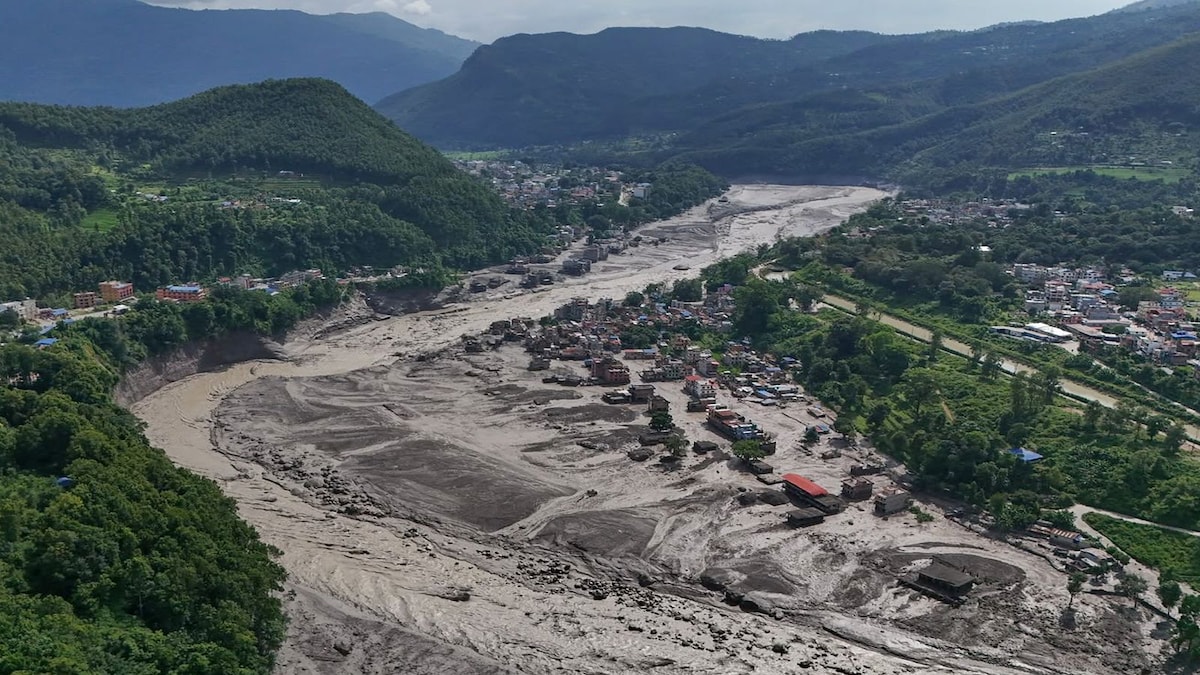
Scientists are studying floods and other hazards in Nepal.
A glacier collapsed, but they do not yet know exactly why.
The Himalayas are getting warmer quickly.
Their glaciers are losing ice faster than before.
Since 2000, glaciers in the Hindu Kush Himalaya have been losing ice at about twice the earlier rate.
Changes in frozen water and ice can make dangerous events more likely.
These events include avalanches, landslides, debris flows and sudden glacial lake floods.
Scientists are examining how these changes may be connected to the rising river and flooding.

Scientists say it is too early to determine exactly what caused the glacier collapse.
The Himalayas are warming rapidly, while glaciers are losing ice at an accelerating rate.
Glaciers across the Hindu Kush Himalaya are losing ice at about twice the rate seen since 2000.
Rapid changes in the cryosphere are increasing risks from glacial lake outbursts, avalanches, debris flows and landslides.
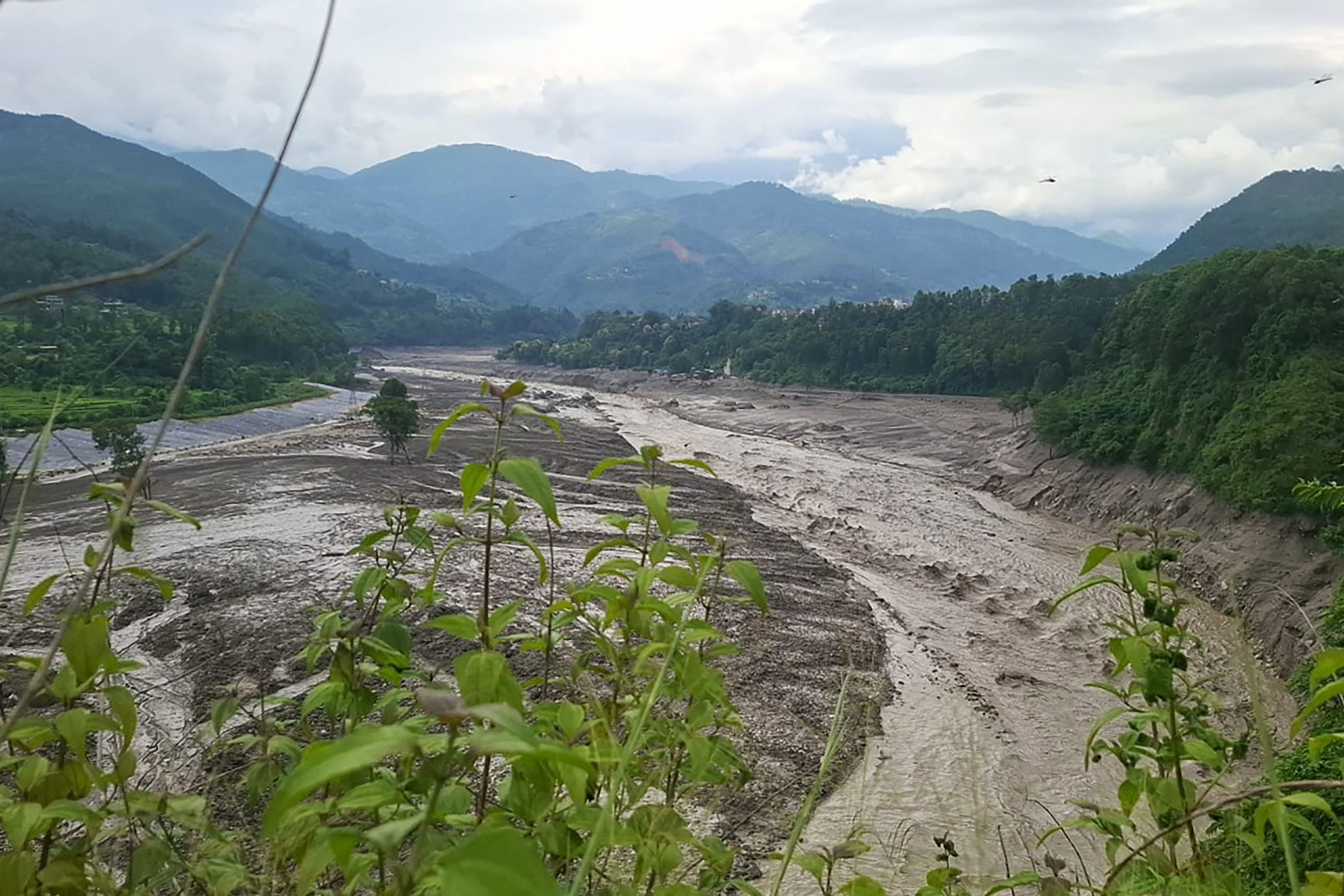
The reported hazards include flooding, debris flow and rising rivers in Nepal.
- Who
- Scientists studying the glacier collapse and related hazards.
- What
- Flooding and rising rivers in Nepal were linked with a glacier collapse, debris flow and wider cryosphere changes.
- Where
- Nepal, the Himalayas and the Hindu Kush Himalaya.
- When
- Why
- The exact cause of the glacier collapse has not been established; scientists point to rapid warming and accelerating ice loss as factors increasing hazards.
Key facts
- Exact cause
- Scientists say it is too early to establish exactly what caused the glacier collapse.
- Regional warming
- The Himalayas are warming rapidly.
- Glacier loss
- Glaciers across the Hindu Kush Himalaya are losing ice at about twice the rate seen since 2000.
- Reported hazards
- The hazards include glacial lake outbursts, avalanches, debris flows and landslides.
- Flood impacts
- The event involves flooding, debris flow and a rising river in Nepal.
Sources
Related news
Nepal Flood Highlights Rising Glacier Risks in Warming Himalayas

Nepal Glacier Collapse Exposes Rising Himalayan Flash-Flood Risks
Glacier Collapse May Have Triggered Deadly Nepal Flood

Nepal Flash Floods Expose Glacier Risks Amid Climate Concerns

Himalayan Glacier Loss Raised Nepal Flood Disaster Risks

Satellite Images Reveal Glacier-Linked Collapse Behind Nepal-China Floods

Nepal Thanks India as Glacial Disaster Rescue Efforts Continue
Nepal Warns of Heavy Rain After Deadly Floods
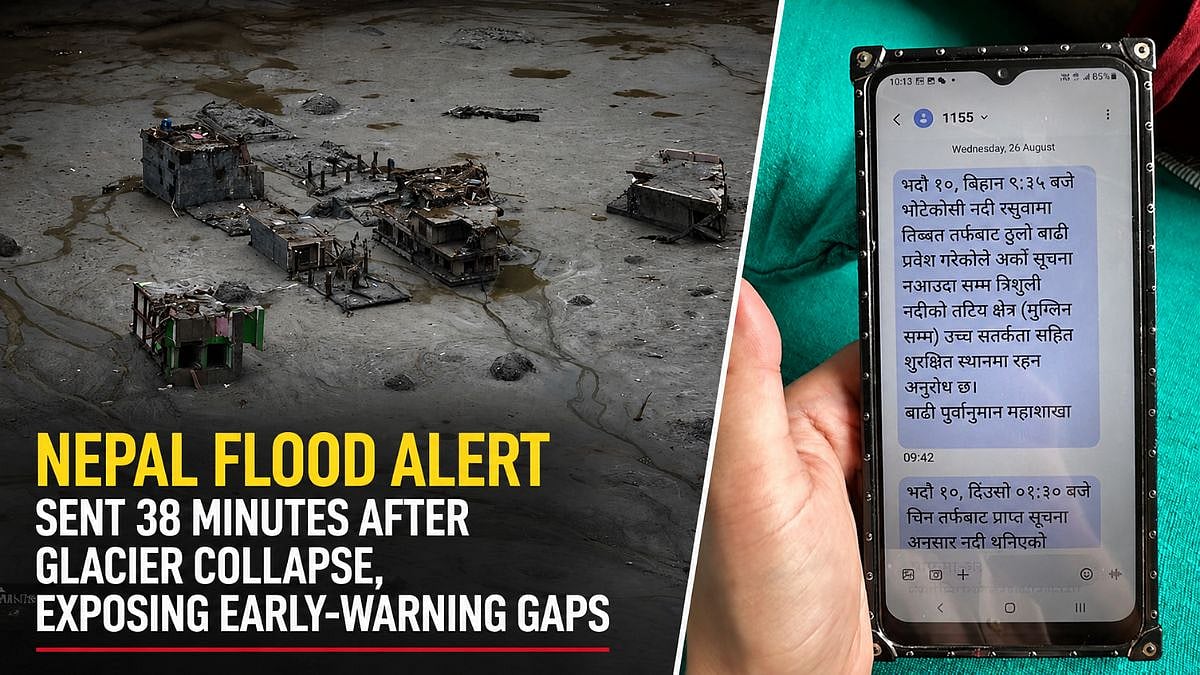
Nepal Flood Exposes Delayed Alerts and Cross-Border Warning Gaps
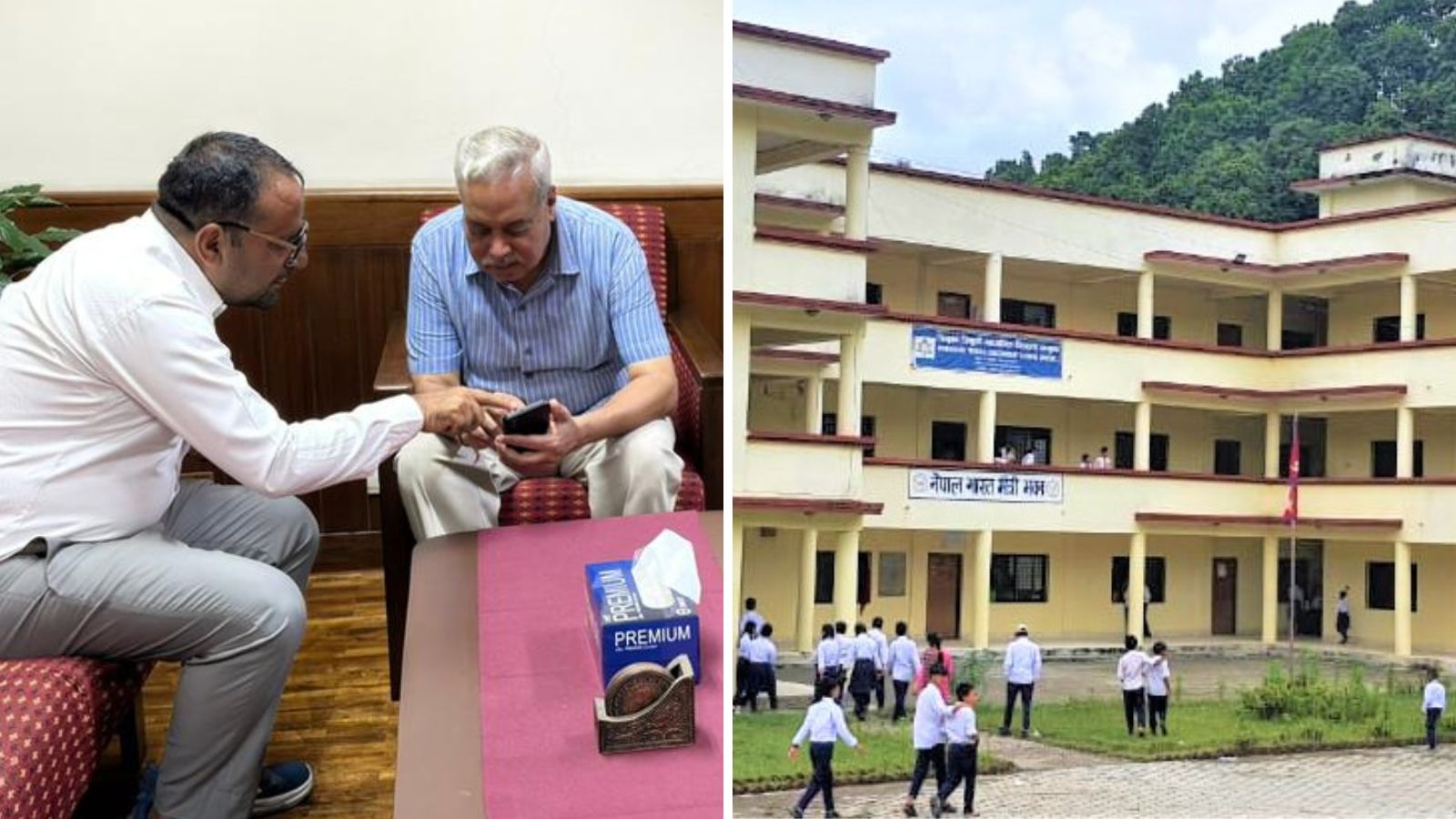
India to Rebuild Nepal School After Principal Saves 1,600
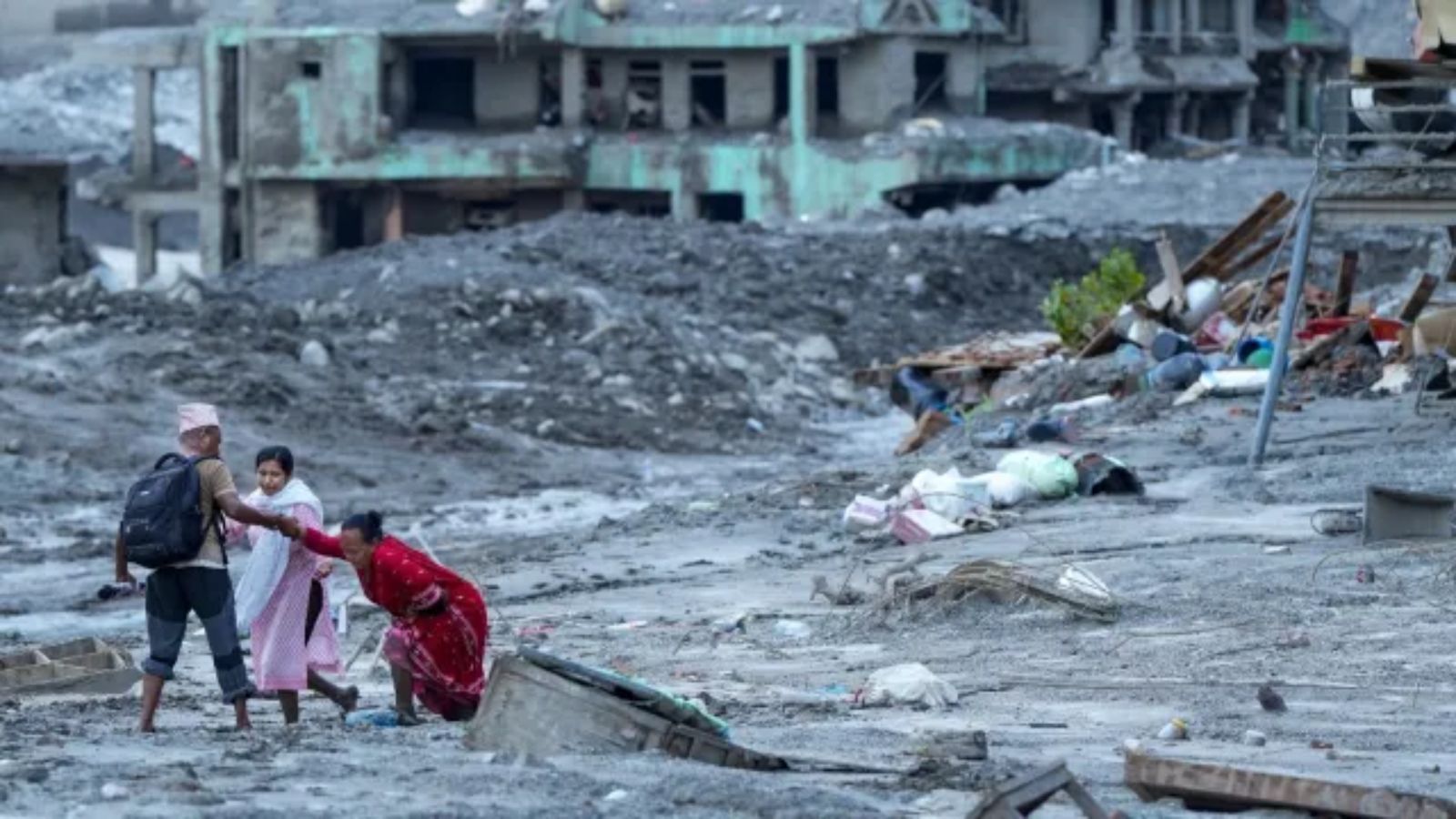
Maharashtra Mountaineers Join Search for Missing Nepal Trekkers
