

5 days ago
Nepal Monitors Two Lakes as Flood Risk Persists Downstream
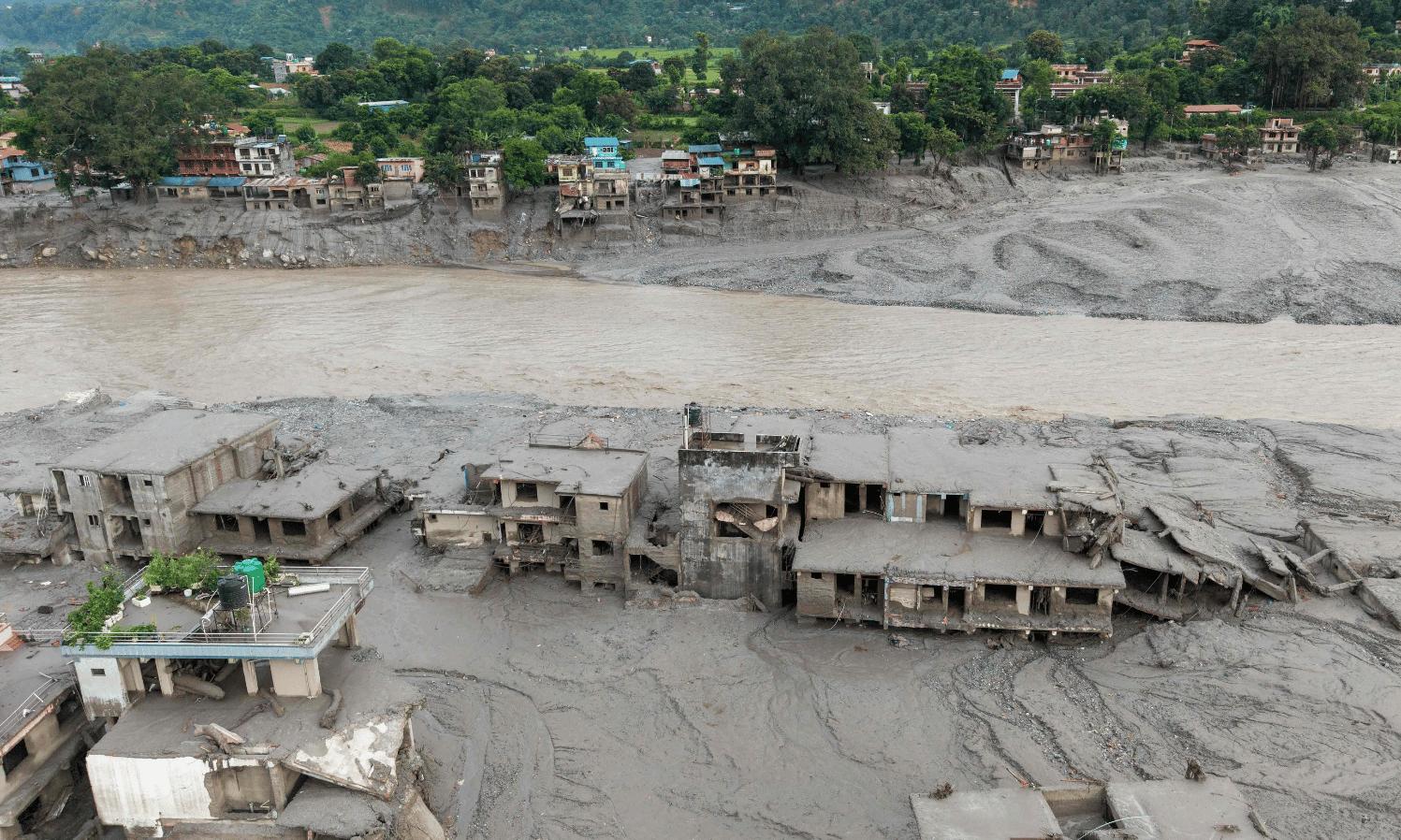
A glacier collapse in Nepal sent rocks, ice, mud, and water into rivers on Wednesday.
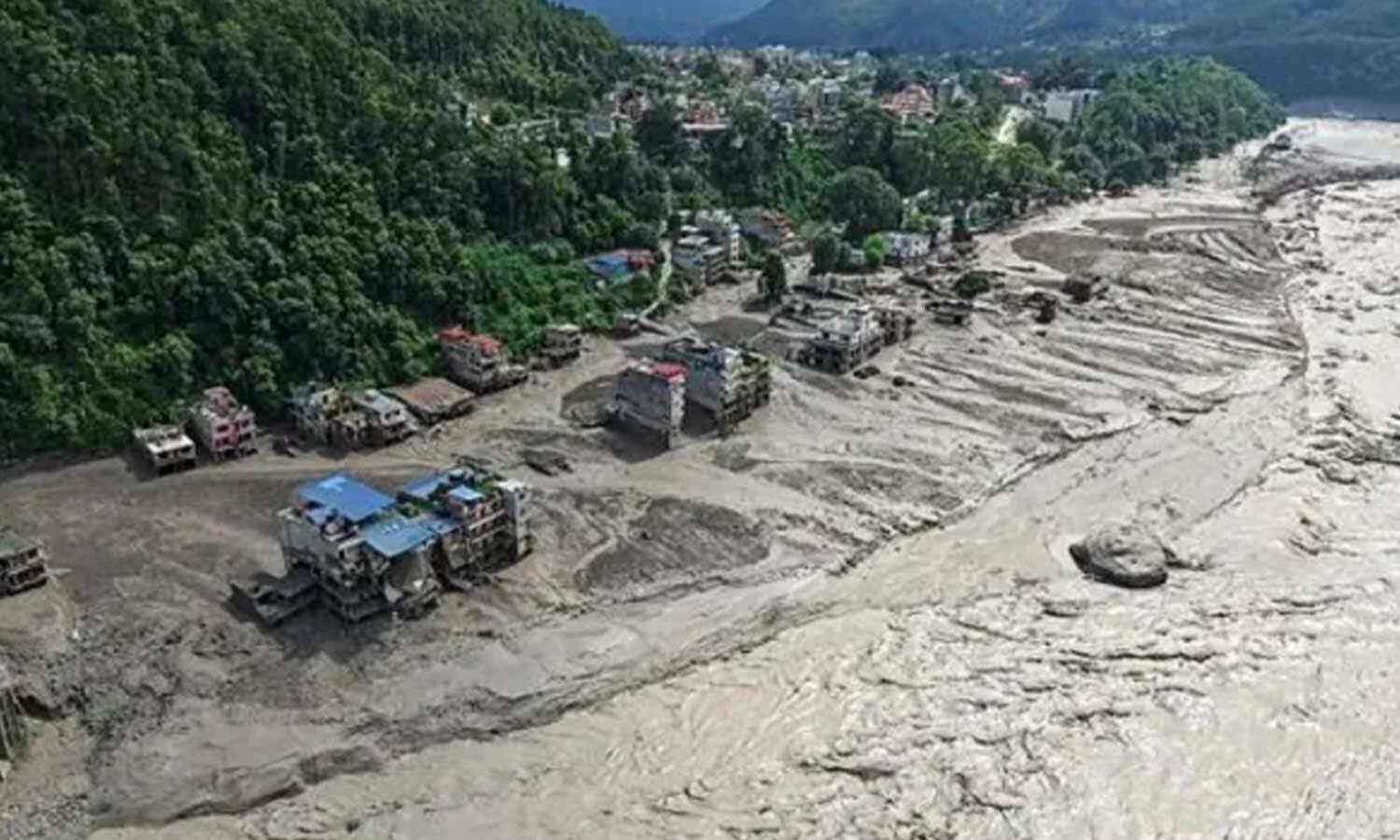
The resulting floods destroyed houses and bridges, and hundreds of people died.
Officials are watching two lakes near the affected area.
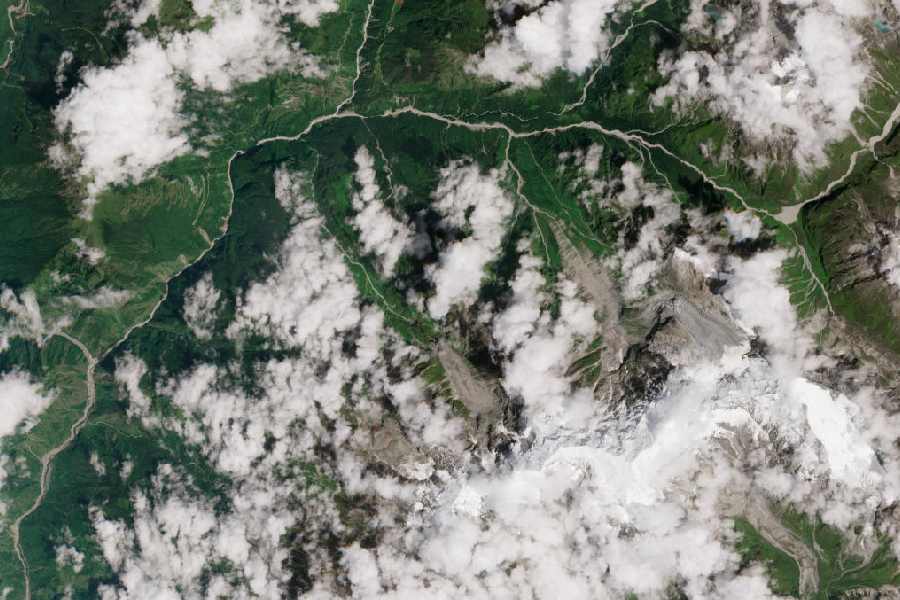
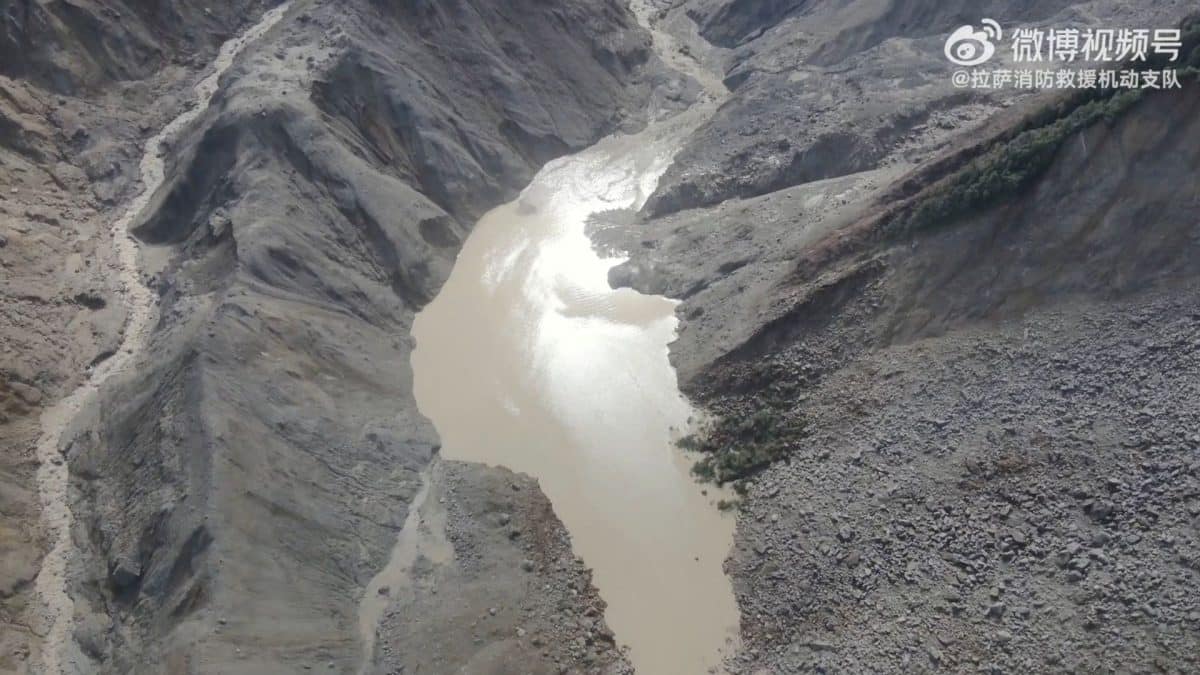
One lake began overflowing, although satellite images also showed water draining from it.
The other lake is larger and appeared to be growing.
It did not have a visible outlet, so water pressure might still be increasing.
Nepal says the danger will continue until both lakes are empty.
Authorities plan to use cameras, sensors, satellites, and possibly helicopters to watch the area.

Nepal is monitoring two lakes upstream from a flood zone where hundreds died on Wednesday.
Officials said flood risks will continue until both lakes are fully drained.
One lake began overflowing on Friday, while satellite images showed water draining from it.
A second, larger lake appeared to be growing without a visible outlet, suggesting pressure may still be building.
Nepal plans to install downstream cameras and sensors, including near Timure, with possible helicopter deployment.
- Who
- Nepalese authorities and the Disaster Management Authority are monitoring the lakes.
- What
- Two upstream lakes are being monitored because they may continue posing a flood risk after a glacier-related flood event.
- Where
- The lakes are upstream from the flood zone in Nepal, with planned monitoring near the border town of Timure.
- When
- The destructive flood occurred on Wednesday; one lake began overflowing and satellite imagery showed drainage on Friday.
- Why
- Officials are concerned that water from the lakes could create further flooding, particularly as one lake appeared to be growing without a visible outlet.
Key facts
- Affected country
- Nepal
- Initial disaster
- A suspected glacier collapse sent rock, ice, mud, and debris into river systems.
- Reported deaths
- Hundreds of people died in Wednesday's flooding.
- Lakes monitored
- Two lakes upstream from the flood zone.
- First lake
- Aerial footage showed brown water accumulating; later satellite imagery showed water draining, while officials said it began overflowing on Friday.
- Second lake
- It appeared larger and continued growing without a visible outlet as of Friday morning.
- Planned response
- Nepal plans to install cameras and sensors downstream and is assessing helicopter deployment.
Sources
Related news

Lake Burst Risk Eases After China-Nepal Glacier Collapse
Nepal and China Warn of Fresh Himalayan Flood Threats
Shrinking Barrier Lake Keeps Nepal On Flood Alert
Nepal Reports New Glacial Lakes After Bhote Koshi Floods
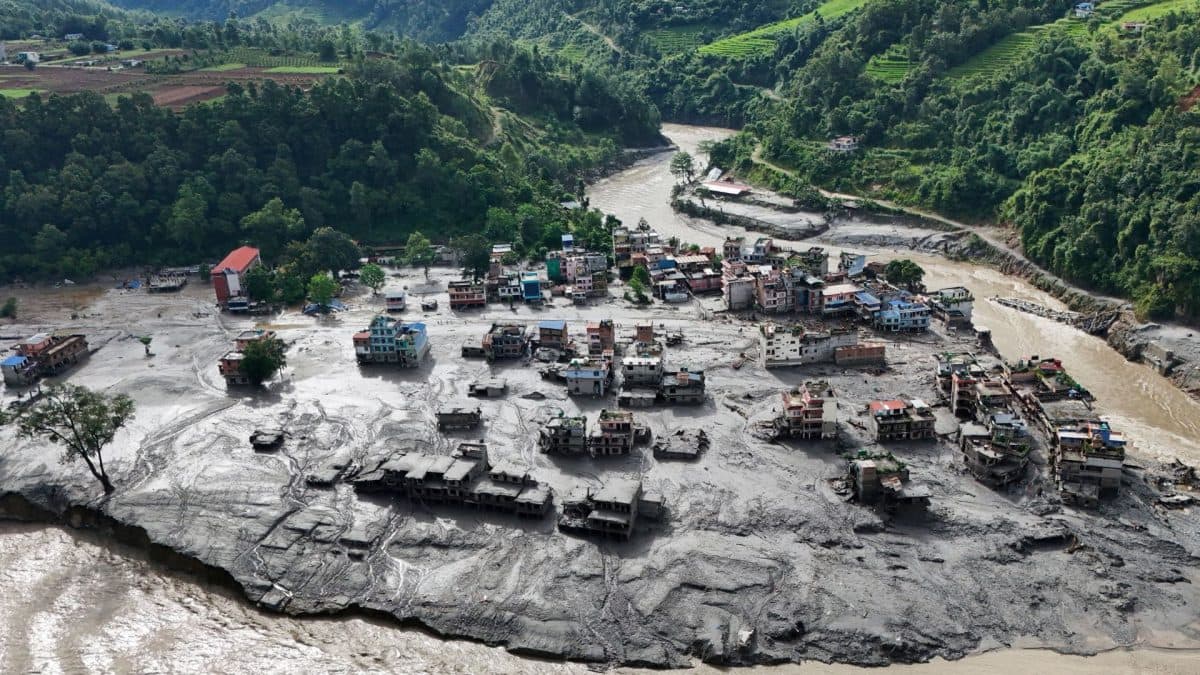
China Warns Nepal Barrier Lake Could Breach Within 72 Hours
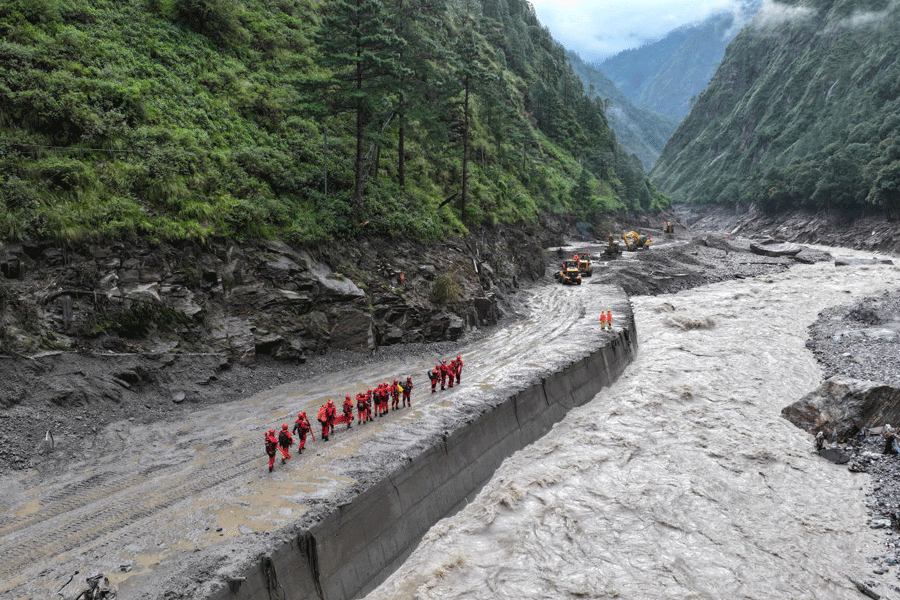
Overflowing Lake Threatens Flood-Hit China-Nepal Border Regions
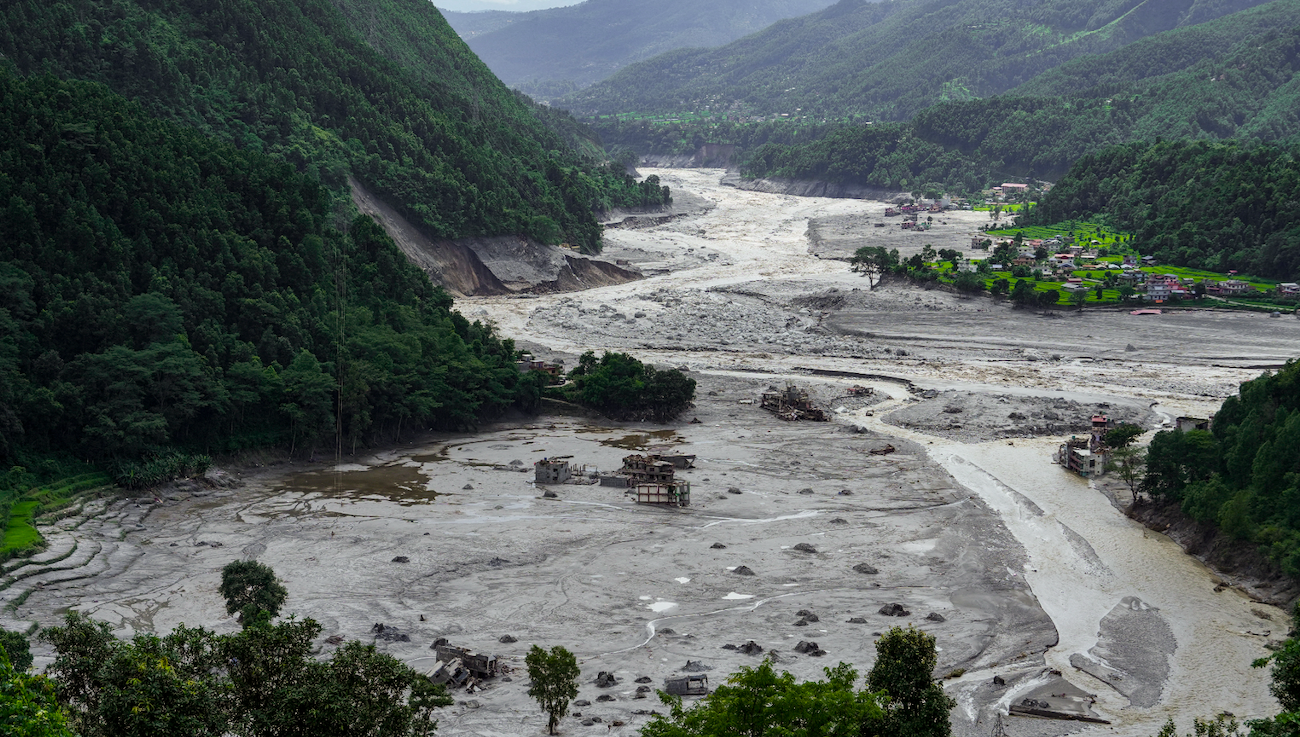
Kailash Flood Tragedy Puts Sadhguru’s Safety Claims Under Fire
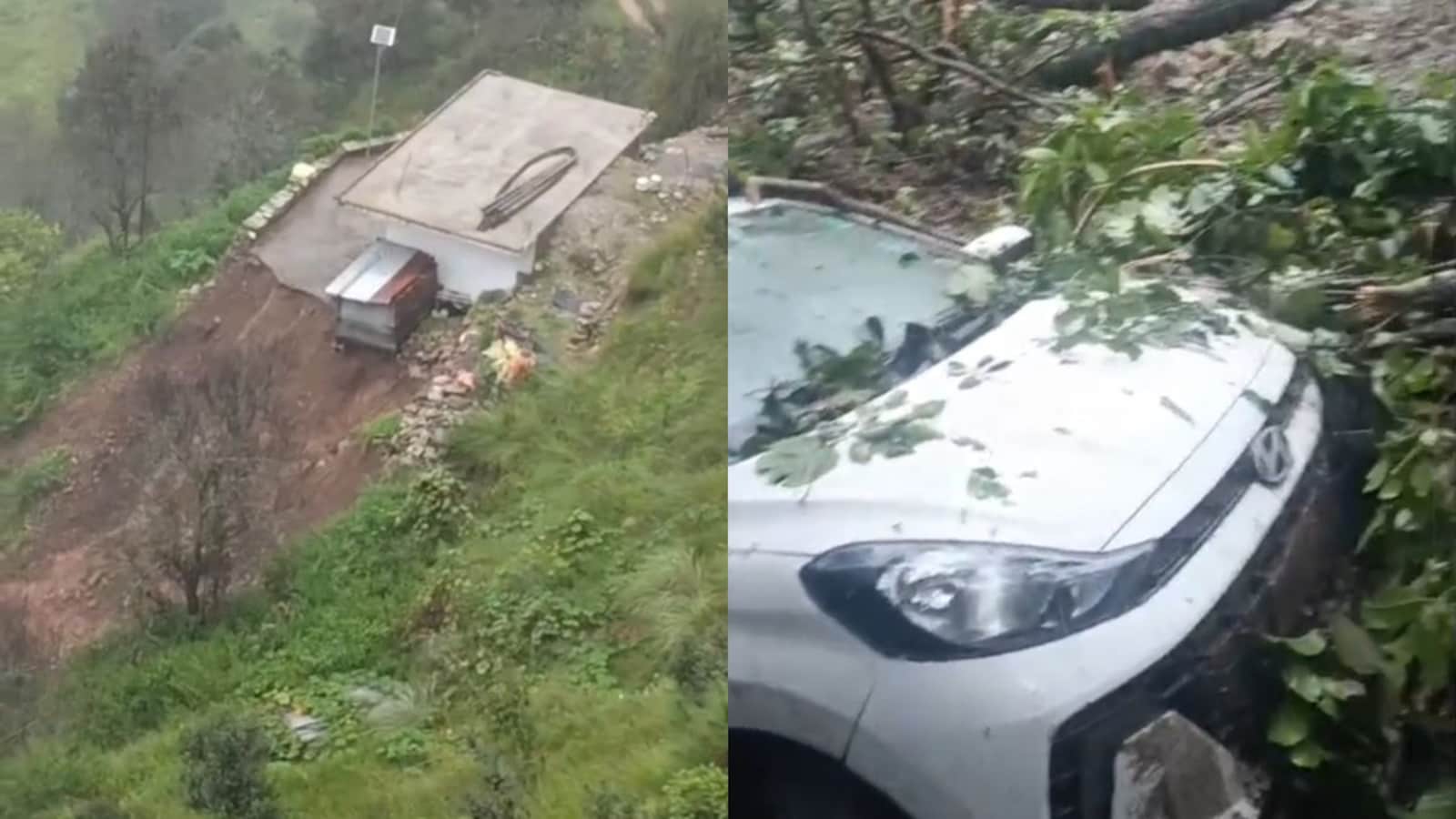
Landslides Threaten Nainital Homes as Uttarakhand Rain Continues

Flash Flood Devastates Nepal's Bhotekoshi River Region

Nepal Families Seek Missing Loved Ones After Deadly Flash Floods

Nepal Flood Death Toll Passes 1,200 Amid Ongoing Search
