5 days ago
Nepal and China Warn of Fresh Himalayan Flood Threats
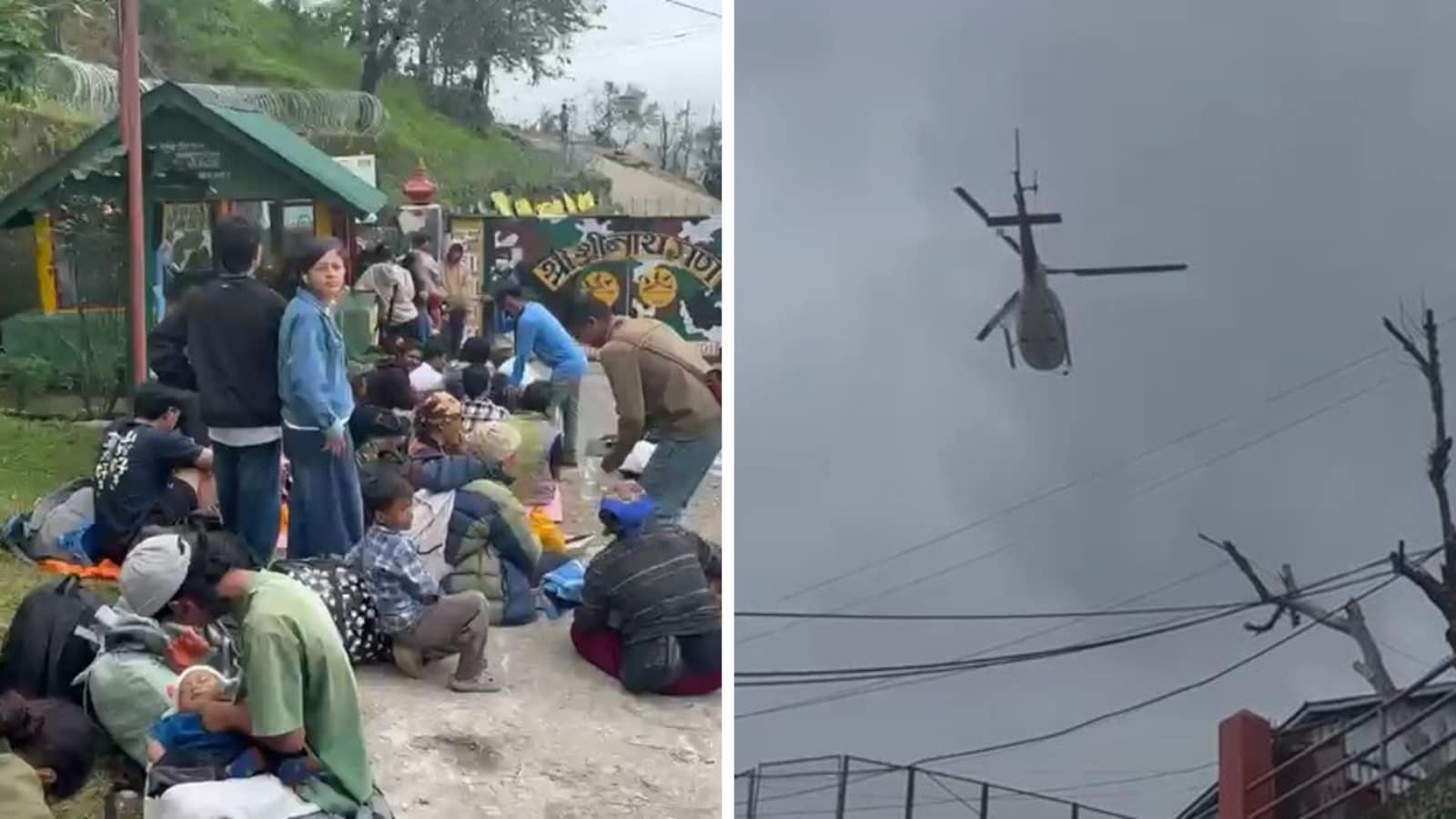
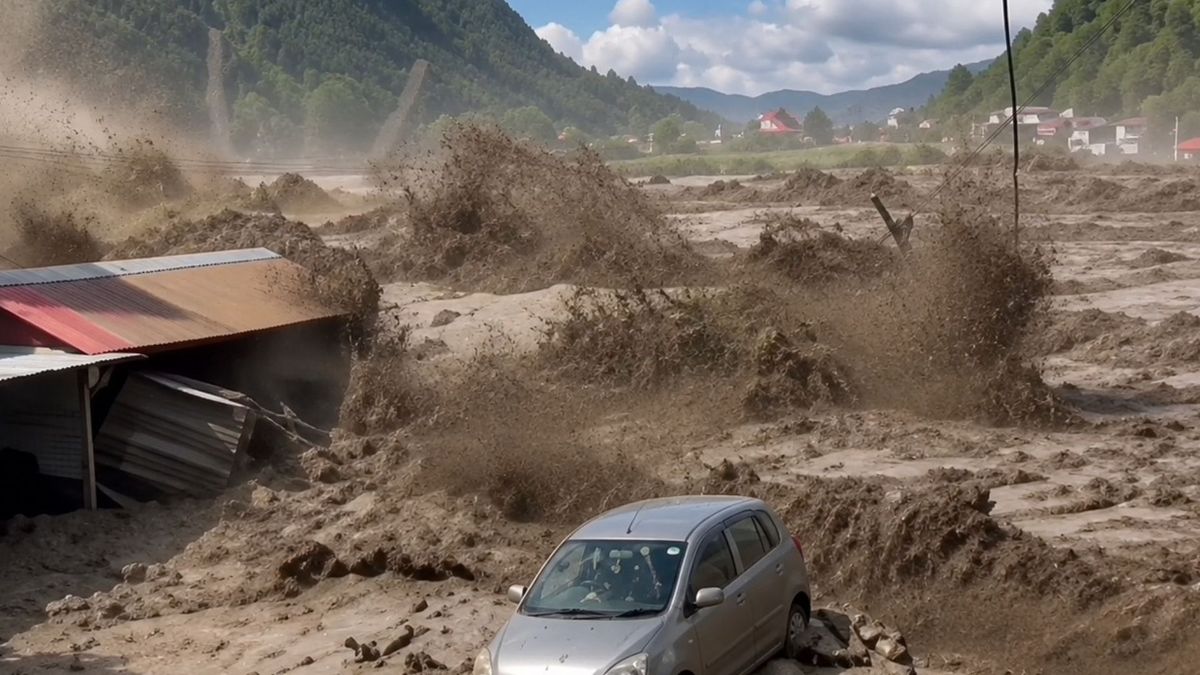
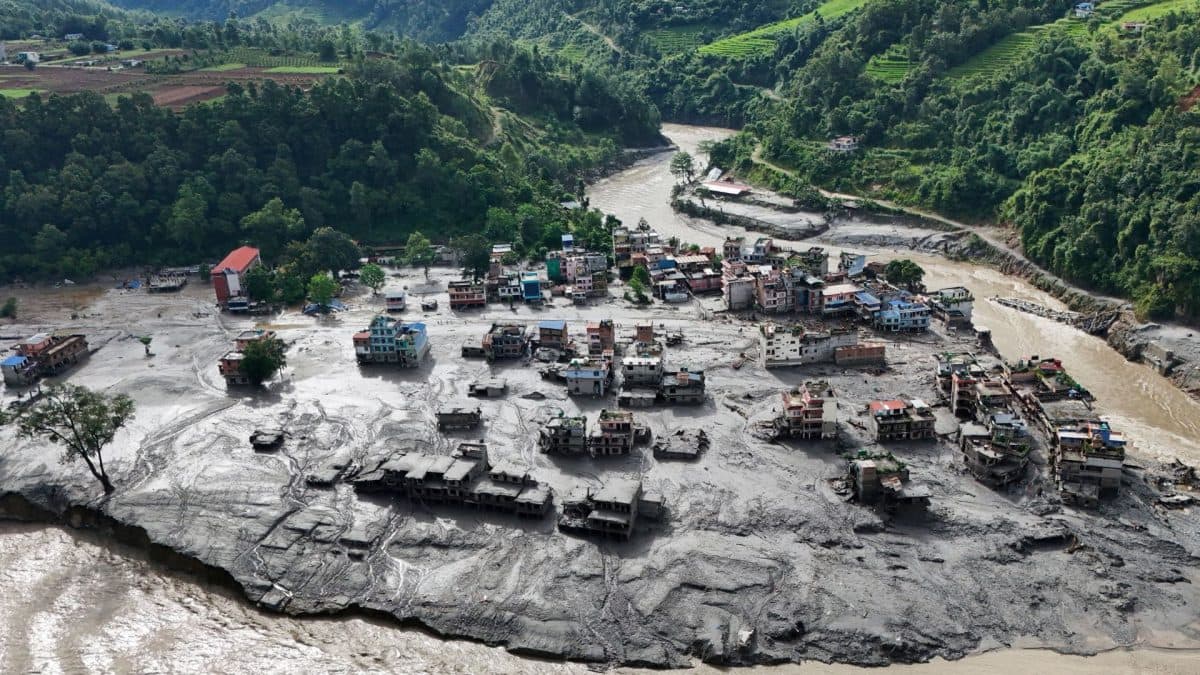
A huge flood hit areas near Nepal and China.
Reports said at least 362 or 389 people died, and nearly 1,000 people were still missing.
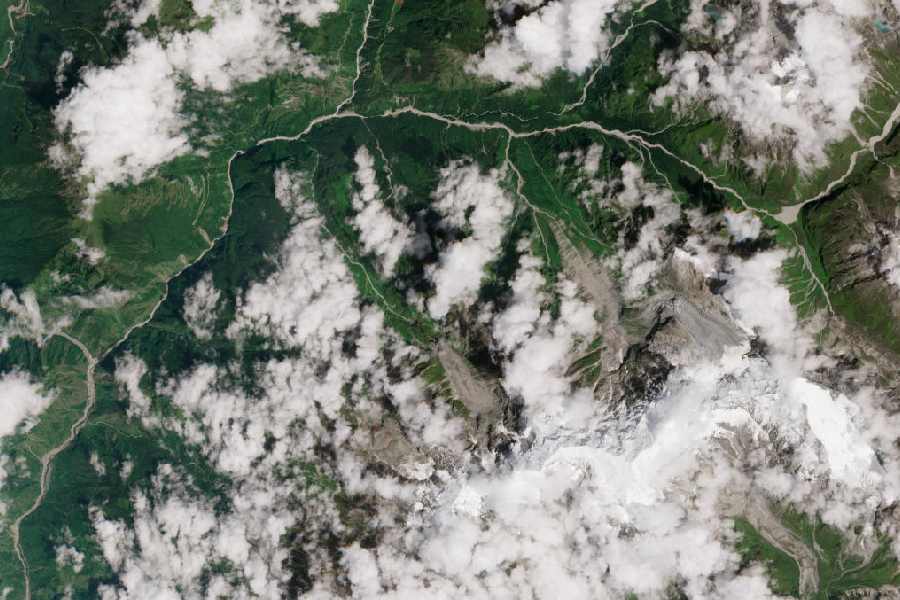
Nepal and China said a collapsing glacier helped cause the flood.
The collapse pushed rocks, ice, mud and other debris into rivers.
The debris blocked rivers and formed lakes that are filling with water.
Officials warned that the lakes could break through their barriers and cause more flooding.
China said about 3 million cubic meters of water could enter one lake in three days.
More rain could make the danger worse.
Rescuers and residents were told to move away from rivers and dangerous areas.

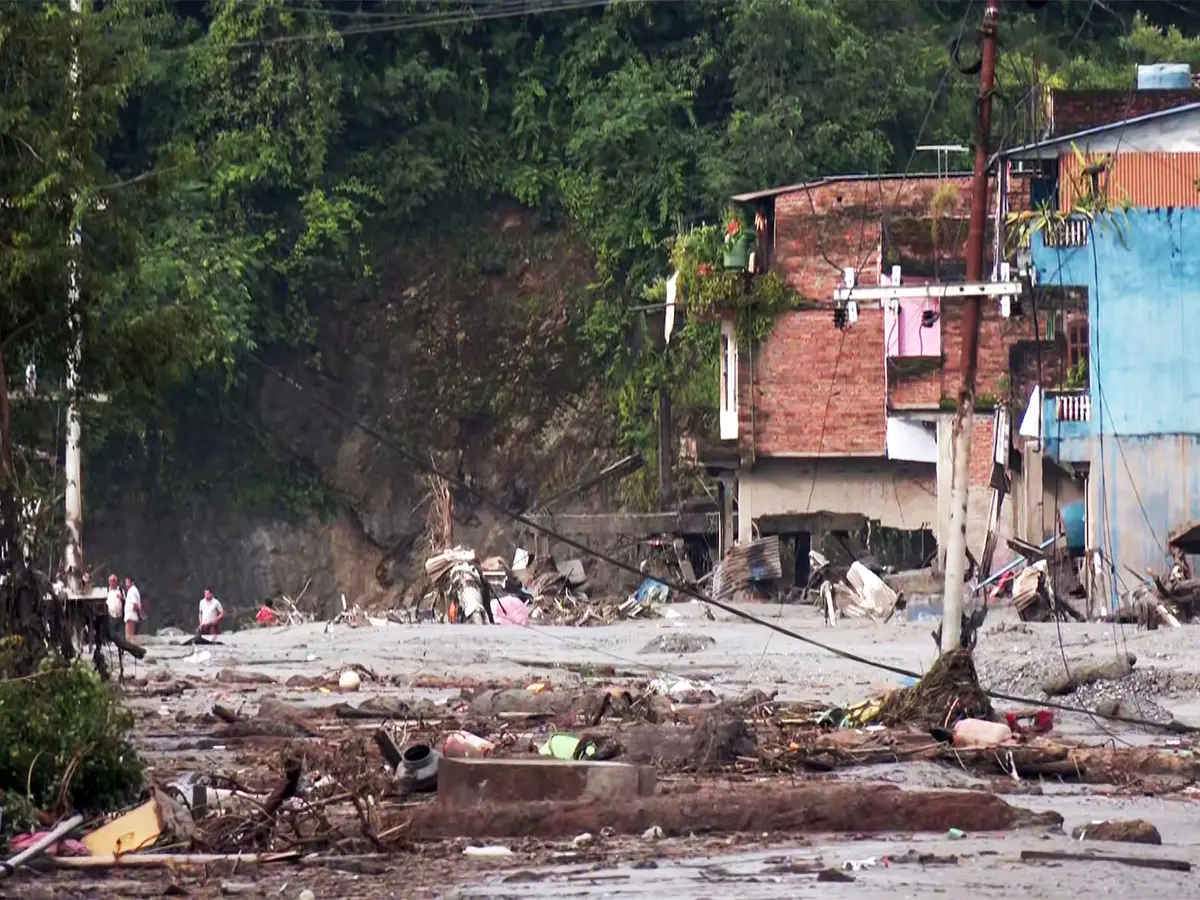
At least 362 people were reported killed, while another report put the death toll at 389, and nearly 1,000 remained missing after Wednesday’s flood.
Nepal and China attributed the disaster to a glacier collapse that sent rock, ice, mud and debris into mountain river systems.
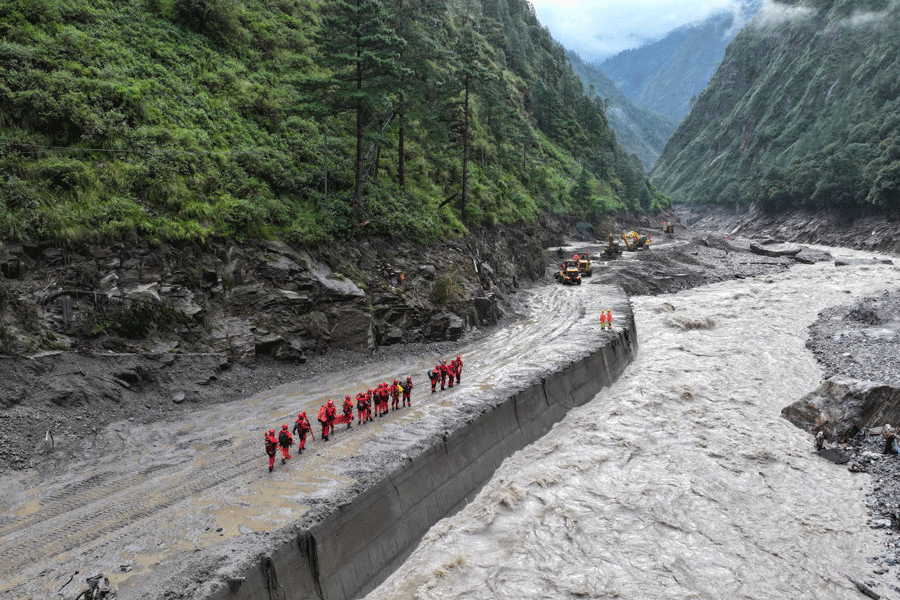
Debris-blocked lakes on both sides of the border were rising and threatened to burst, prompting warnings to residents and rescuers.
China said about 3 million cubic meters of water could enter a dammed lake over three days, with peak flow expected around September 1.
More rain was forecast, and some Nepalese rescue workers moved to higher ground as authorities monitored the danger.
- Who
- Residents, rescuers, and authorities in Nepal and China’s Tibet region, with Nepalese and Chinese emergency teams involved in the response.
- What
- A catastrophic flood killed hundreds and left nearly 1,000 missing, while rising debris-blocked lakes created a risk of further flooding.
- Where
- The Himalayan border regions of Nepal and China’s Tibet, including the Bhote Koshi and Trishuli river areas.
- When
- The main flood struck Wednesday; warnings about the lakes and rescue operations continued Thursday, with peak flow in China expected around September 1.
- Why
- Nepal and China attributed the flood to a glacier collapse, while debris blocked rivers and formed lakes; forecast rain could increase the danger.
Key facts
- Reported deaths
- One report said at least 389 people were killed; another reported at least 362 deaths.
- Missing people
- Nearly 1,000 people remained missing after Wednesday’s flood.
- Water threat in China
- About 3 million cubic meters of water were expected to enter a dammed lake over three days.
- Expected peak flow
- Chinese authorities expected peak flow around September 1.
- Main cause cited
- Nepal and China blamed a glacier collapse that pushed rock, ice, mud and debris into river systems.
- Weather outlook
- Rainfall was forecast over the coming week and could worsen the threat.
- Response
- Chinese authorities monitored the lakes and conducted flood simulations and risk assessments; some Nepalese rescuers moved to higher ground.
Quotes

Nepal's disaster authority
Nepalese government disaster-response authority
“Residents of the lower banks... passengers, rescuers engaged in rescue operations, and all concerned are requested to exercise special caution and stay in safe places away from the river banks and risky areas.”
 deccanchronicle.com
 telegraphindia.com
“We are here for rescue and don't want to be near the danger zone.”
deccanchronicle.com
Zhu Jinfeng
Researcher in the Chinese water resources ministry's hydrology department
“The volume of water is continuing to increase, and so is the risk.”
deccanchronicle.com
telegraphindia.com
Flood survivor
Survivor interviewed in Timure, Nepal, after the flood
“They all died and I lived”
telegraphindia.com
Sources
Related news
China Warns Nepal Barrier Lake Could Breach Within 72 Hours
China Warns Nepal Barrier Lake Faces High Breach Risk

New Barrier Lake Raises Second Flood Risk In Nepal

Nepal Barrier Lake Breaches Banks, Raising Fresh Flood Threat
Overflowing Lake Threatens Flood-Hit China-Nepal Border Regions
China Warns New Barrier Lake Could Trigger Another Nepal Flood

Nepal Thanks India as Glacial Disaster Rescue Efforts Continue
Nepal Warns of Heavy Rain After Deadly Floods
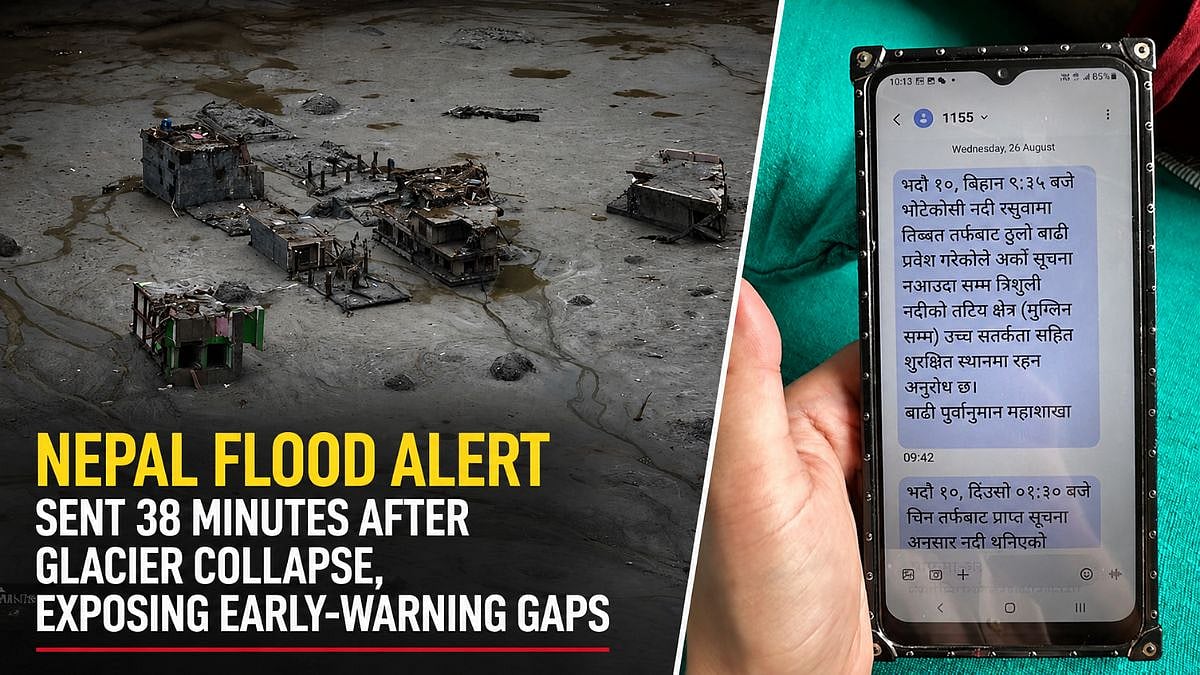
Nepal Flood Exposes Delayed Alerts and Cross-Border Warning Gaps

Bhotekoshi Flood Crisis: Nepal PM Shah Calls for Courage

Nepal PM Thanks India, China Amid Climate Compensation Demand