4 days ago
Lake Burst Risk Eases After China-Nepal Glacier Collapse

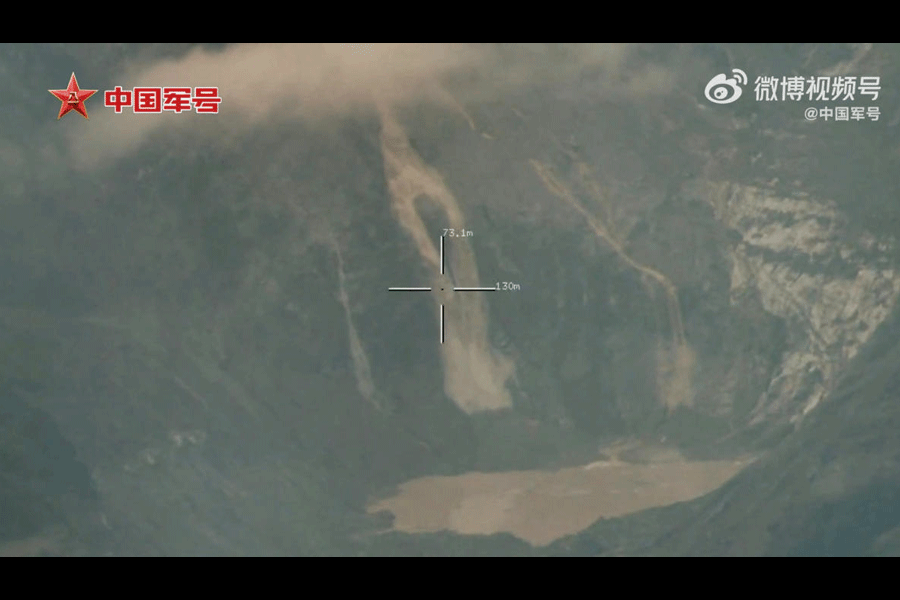
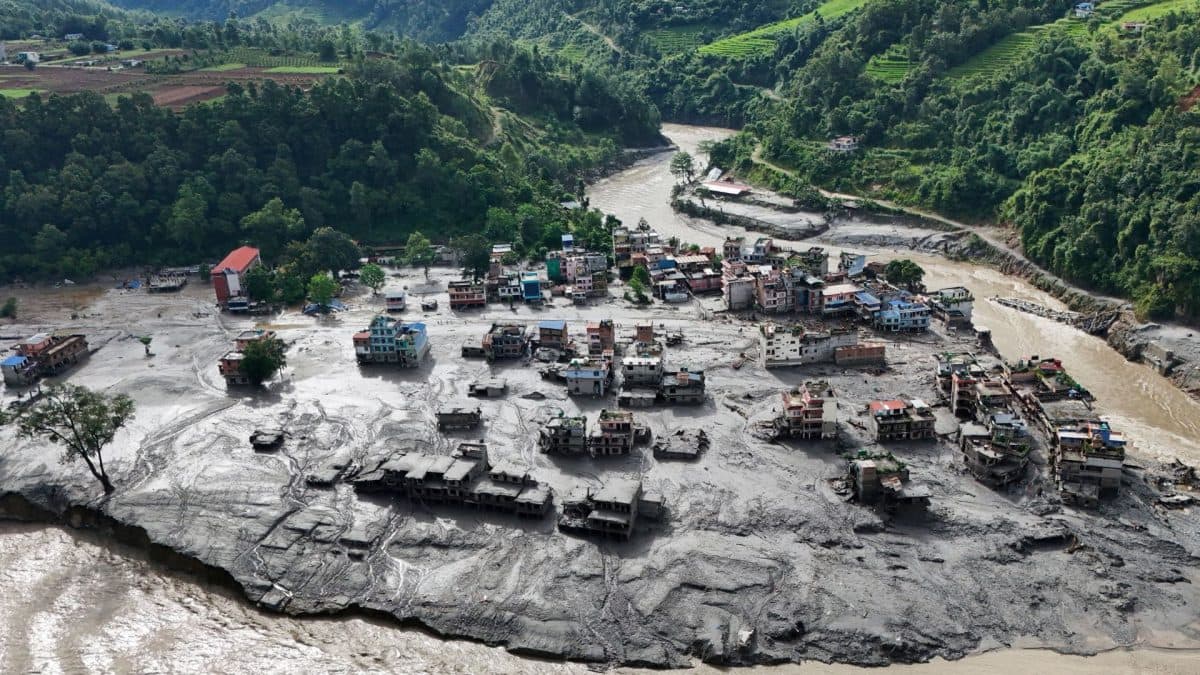
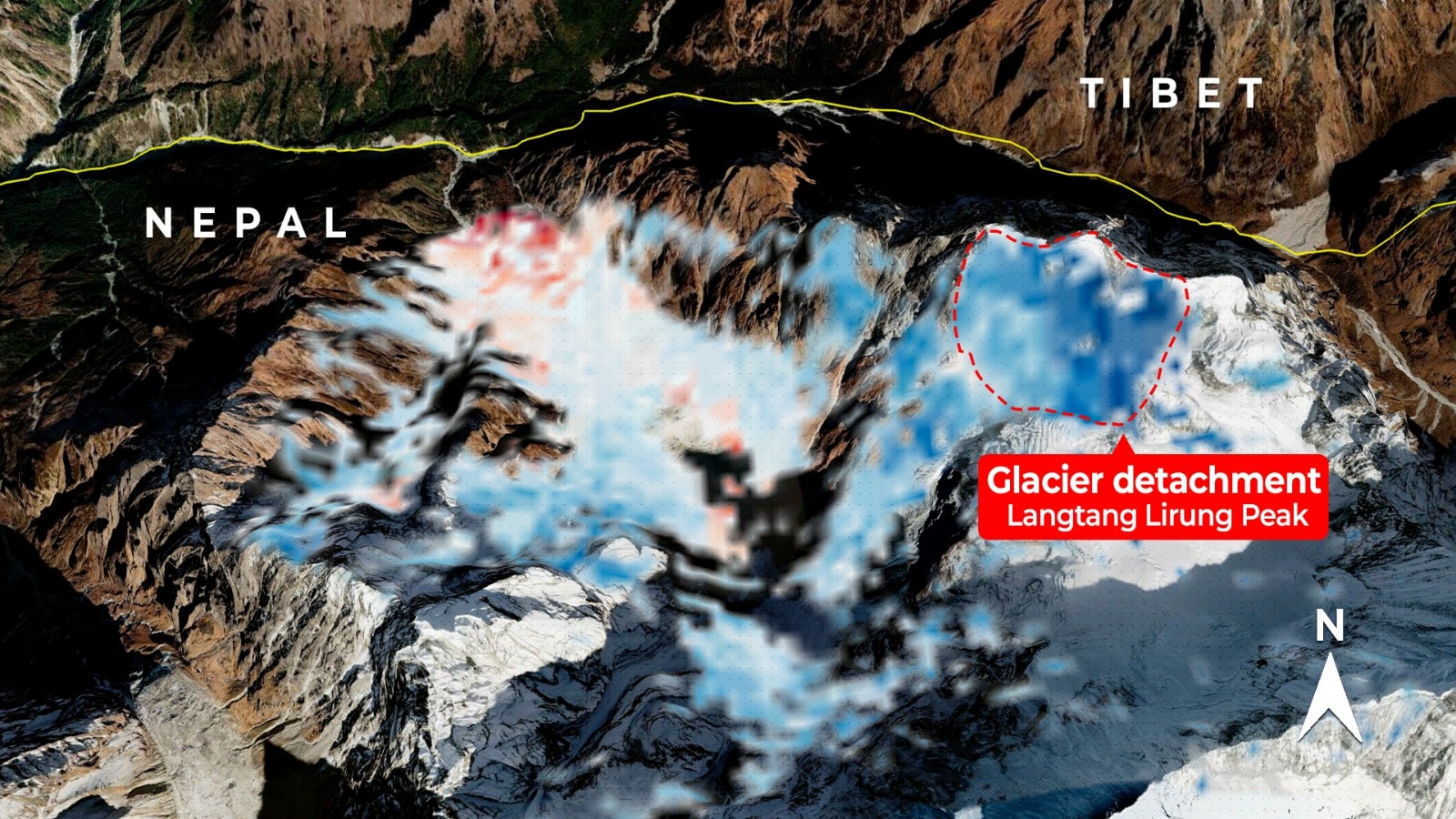
A glacier collapsed near the China-Nepal border and sent rocks, ice, mud, and water down the valley.
The flood destroyed the Gyirong border crossing complex.
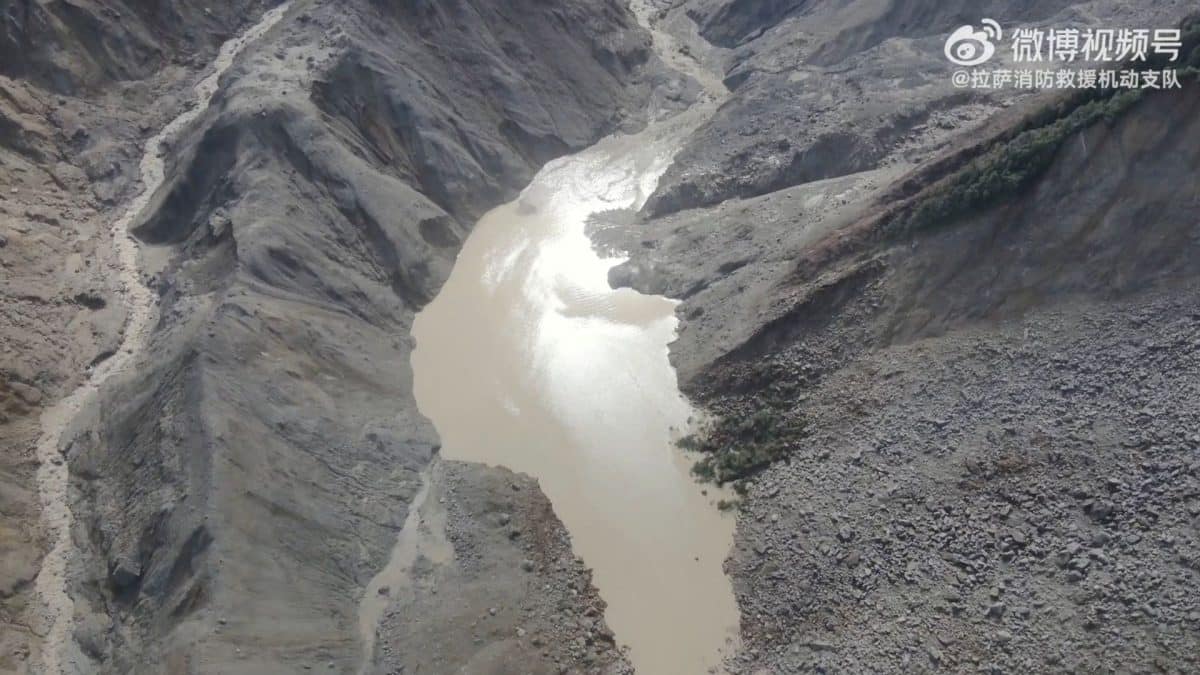
It also created lakes behind piles of glacier debris.
Officials worried that one lake could suddenly break open and cause another flood.
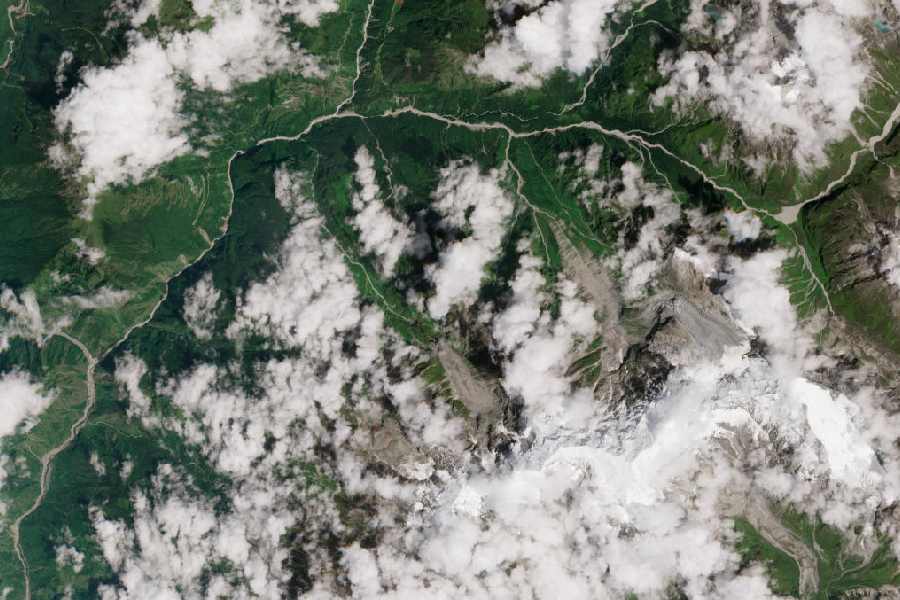
Satellite pictures showed that the smaller lake was getting smaller as water slowly moved through it.
This means the immediate danger from that lake has decreased.
However, another larger lake is nearby, and nobody yet knows how deep it is.
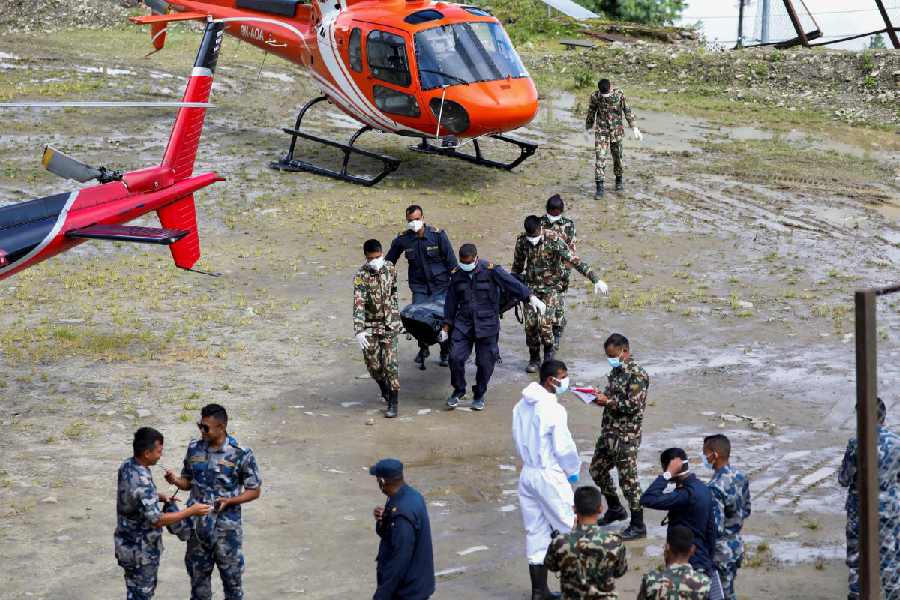
Rescue workers are still searching the rubble while authorities watch the lakes and manage the continuing flood risk.

Satellite imagery showed the smaller lake shrinking to about 99,000 square meters by Saturday morning.
Water appeared to be slowly flowing through the lake, reducing the immediate risk of a sudden burst.
A second lake below the glacier-collapse site was estimated to exceed 120,000 square meters, but its depth remains unknown.
An overflow temporarily halted rescue operations, although authorities later judged conditions manageable.
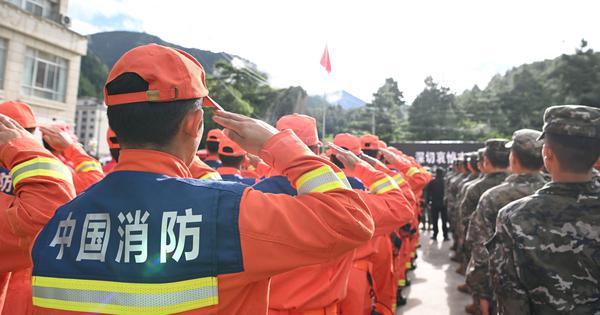
China reported seven deaths and 554 missing people, while hundreds of residents, workers, and tourists were evacuated.
- Who
- Chinese authorities, rescue workers, China Anneng teams, and Nepalese disaster officials are responding to the disaster.
- What
- A glacier collapse caused a destructive flood and created two potentially dangerous lakes; the smaller lake’s surface area has shrunk.
- Where
- Near the Gyirong border crossing on the China-Nepal border in Tibet, at the confluence of two rivers.
- When
- The glacier collapsed on Wednesday, and the smaller lake was assessed through Saturday morning.
- Why
- Glacier-collapse debris formed the lakes, which could cause further flooding and endanger rescue operations downstream.
Immediate Risk Is Declining
Flood Danger Remains
Smaller lake’s stability
Immediate Risk Is Declining
Chinese authorities said satellite imagery showed the lake shrinking and water slowly flowing through it, reducing the threat of a sudden burst.
Flood Danger Remains
A Nepalese Disaster Management Authority official said flood risks would continue until both lakes had fully drained.
Rescue operations
Immediate Risk Is Declining
After a Friday overflow, authorities assessed the situation and deemed conditions manageable, allowing rescue work to continue.
Flood Danger Remains
The overflow temporarily stopped rescue work, while the second lake, dangerous terrain, and damaged communications continued to threaten operations.
Reported casualty scale
Immediate Risk Is Declining
The specific figures cited by Chinese authorities were seven dead and 554 missing.
Flood Danger Remains
The reports also described the disaster more broadly as having killed hundreds and left thousands missing, creating a discrepancy with the later specific figures.
Key facts
- Smaller lake area
- About 99,000 square meters on Saturday morning, down 21,000 square meters from Thursday.
- Second lake area
- Estimated at more than 120,000 square meters; its depth is unknown.
- Reported China death toll
- Seven people as of early Saturday.
- People missing
- 554 people remained missing.
- Evacuations
- Nearly 500 villagers and construction workers, along with 555 tourists, were evacuated.
- Monitoring team
- China Anneng deployed a 15-member team using drones, portable satellite stations, and mobile cameras.
- Rescue conditions
- More than 50 workers searched the rubble on Saturday morning despite rain, damaged roads, and disrupted communications.
Quotes
Chen Hongqi
Senior engineer at the Ministry of Natural Resources' Geological Disaster Technical Guidance Center
“We estimate its area to be over 120,000 square meters, but its depth is currently unknown”
 telegraphindia.com
 theprint.in
Sources
Related news

China Resumes Rescue Work as Border Barrier Lake Risk Eases
China Warns Nepal Barrier Lake Could Breach Within 72 Hours
Nepal and China Warn of Fresh Himalayan Flood Threats

Nepal Barrier Lake Breaches Banks, Raising Fresh Flood Threat
Lake overflow on Nepal-China border halts rescue efforts
Shrinking Barrier Lake Keeps Nepal On Flood Alert
Satellite Radar May Strengthen Nepal's Flood Warning Systems
Nepal Plans New Landslide Warning System Along China Border

Nepal Thanks India as Glacial Disaster Rescue Efforts Continue
Nepal Warns of Heavy Rain After Deadly Floods
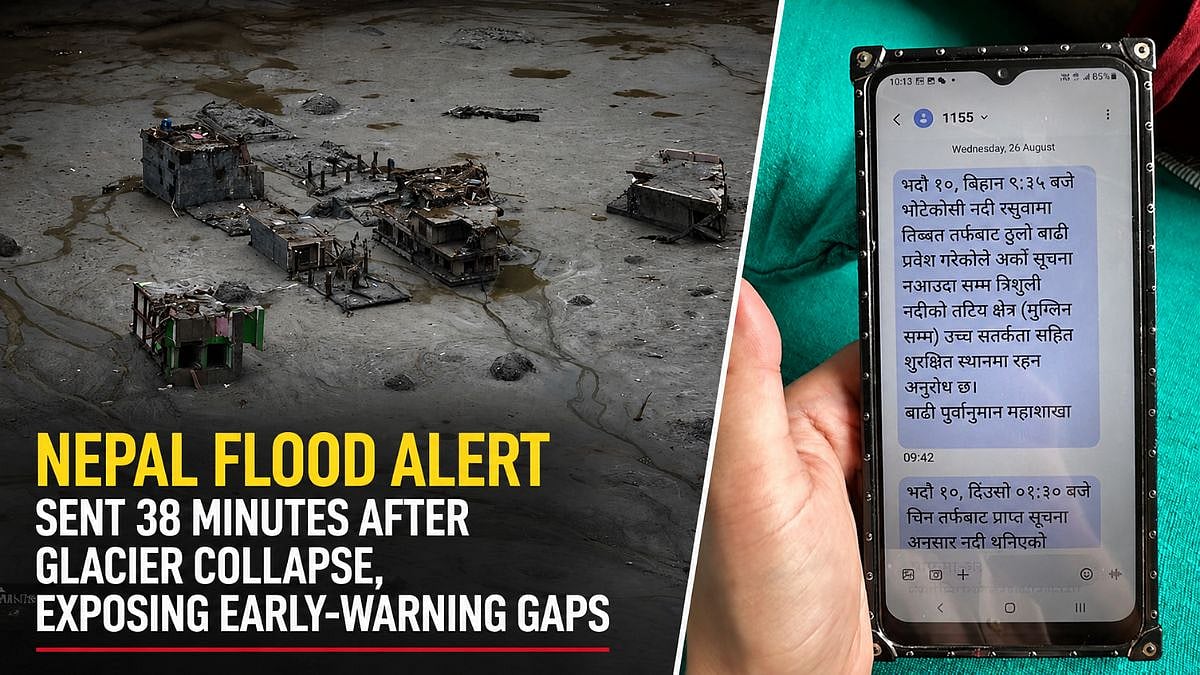
Nepal Flood Exposes Delayed Alerts and Cross-Border Warning Gaps