0 months ago
US-Iran Conflict Reveals Shift Toward Constrained Multidomain Competition
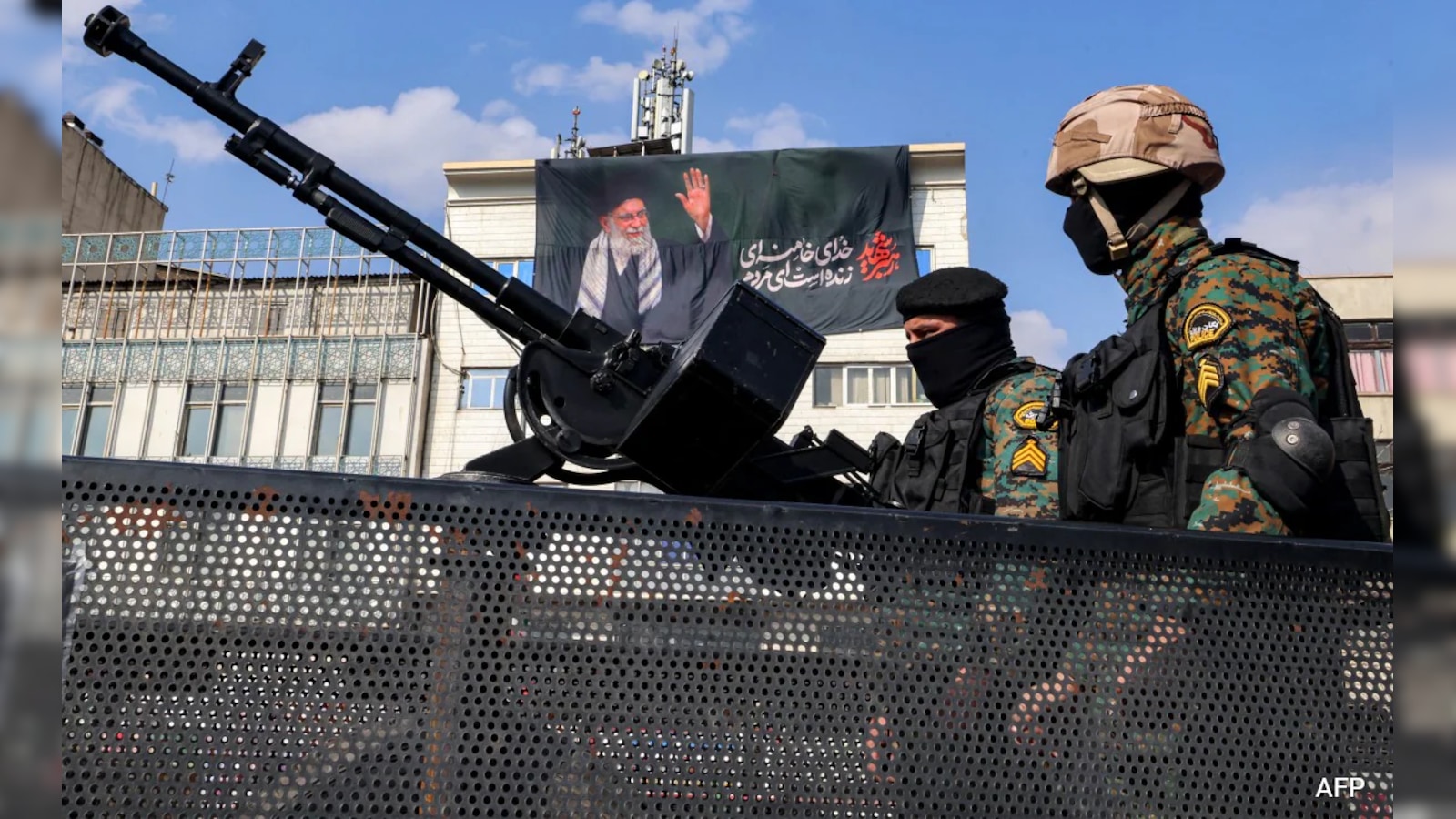
The United States and Iran are in a conflict right now, and an expert wrote an article about what it teaches us.
The article says that having the strongest army does not mean you can easily win anymore.
A long time ago, during the Second World War, countries fought huge wars using all their factories, money and people.
That war was very deadly, and about 70 to 85 million people died.
After the war, the winners built new groups like the United Nations to help keep the peace.
That only worked because the winners won completely and were extremely powerful.
Today wars are very different.
Countries use computers, money limits, spying, information and other tricks, not just soldiers and bombs.
Wars today rarely end with one clear winner.
That is why countries like India need to be strong in many ways and make their own decisions.

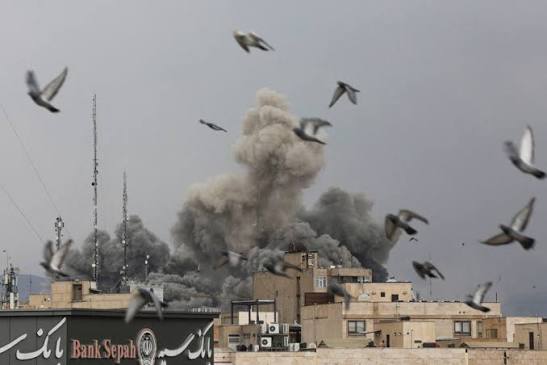
An opinion analysis argues the US-Iran conflict shows overwhelming military superiority no longer guarantees decisive political victory.
The conflict has settled into calibrated escalation, deterrence, diplomacy and strategic signalling rather than producing a decisive outcome.
The Second World War is described as the culmination of industrial warfare, with an estimated 70 to 85 million deaths.
The post-war order — the United Nations, Bretton Woods institutions and the Marshall Plan — relied on decisive victory, collapsed defeated states and American economic and strategic dominance.
Modern warfare now spans cyber operations, economic sanctions, technological competition, intelligence, information campaigns and proxy conflicts.
- Who
- The United States and Iran as the conflicting parties; author Milinda Moragoda, a former Cabinet Minister and diplomat from Sri Lanka; and India, whose strategic position the article discusses.
- What
- Analysis of the US-Iran conflict arguing that military superiority no longer guarantees decisive political victory and that warfare has become constrained, multidomain competition.
- Where
- The conflict involves Iran; the article also addresses global implications, Indian Ocean maritime security and India's strategic position.
- When
- No specific dates are stated; the article refers to 'the current phase' of the conflict and contrasts it with the Second World War.
- Why
- To explain why a decisive victory like 1945 is unlikely today and why strategic autonomy, resilience and multidomain strength matter for countries such as India.
Key facts
- Article type
- Opinion piece
- Author
- Milinda Moragoda, former Sri Lankan Cabinet Minister and diplomat; founder of the Pathfinder Foundation
- Conflict parties
- United States and Iran
- Second World War estimated deaths
- 70 to 85 million
- Post-war order institutions
- United Nations, Bretton Woods institutions, Marshall Plan
- Conditions enabling post-war order
- Decisive military victory, collapse of defeated states, American economic and strategic dominance
- Historical figures cited
- Winston Churchill, Franklin D. Roosevelt, General Douglas MacArthur
- Modern warfare domains
- Cyber operations, economic sanctions, technological competition, intelligence, information campaigns, proxy conflicts
Sources
Related news
Iran War Exposes Limits of American Military Power
India Urged to Master Information Warfare Beyond the Battlefield

Ukraine War Becomes a Contest of Endurance
Iran Survives Militarily as Economic Costs Intensify
Trump Desperate to Quit Iran War as Peace Deal Eludes
Six Months Into Iran War, No Winners and Global Costs

Japan Cricket Boss Defends Asian Games Facilities Against Concerns

Mitsubishi Revives Pajero With 201PS Fifth-Generation SUV

Europe's Bond Selloff Deepens as Middle East Tensions Lift Oil

Uday Kotak Warns Global Bond Markets Face Roller-Coaster Volatility

Global Bond Sell-Off Pushes Japan Yields To 30-Year High