5 days ago
Six Months Into Iran War, No Winners and Global Costs
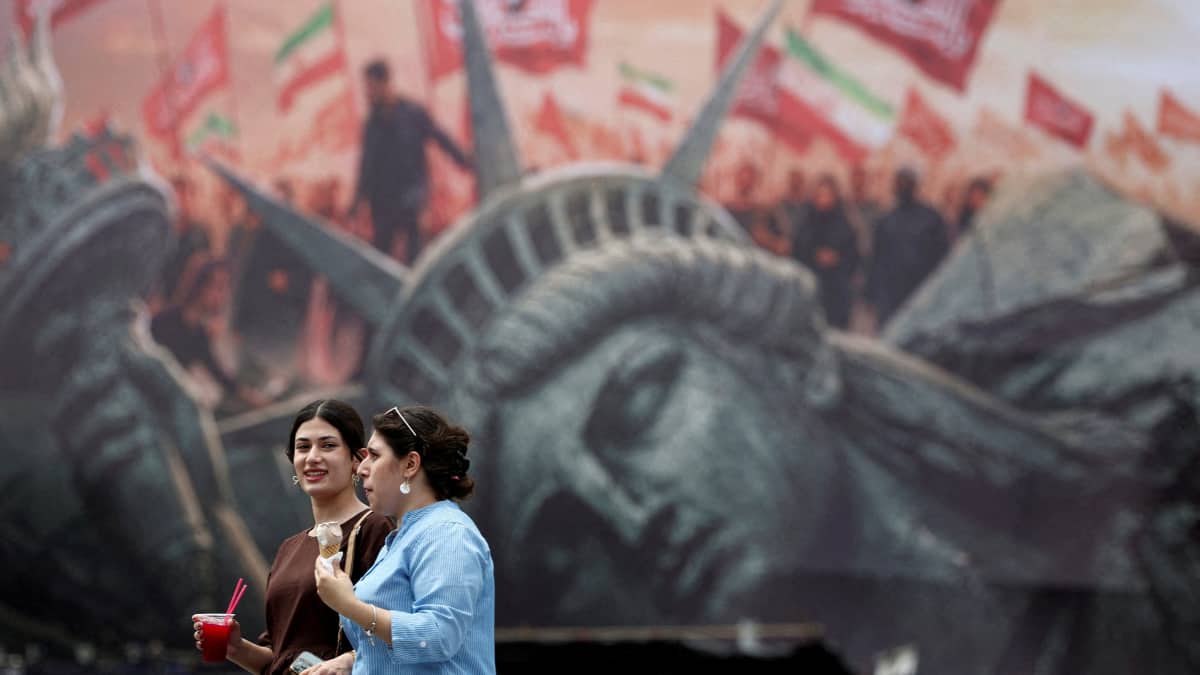
The United States and Israel have been fighting Iran for six months.
Iran has not surrendered, and ships still face major problems passing through the Strait of Hormuz.
Iran's military and economy have been badly hurt, but it can still use missiles and drones.
The war has also made travel and trade in the Middle East more difficult.
Oil, insurance and transportation have become more expensive.
The world economy has slowed, but not as much as some people feared.
The attacks may have delayed Iran's ability to make a nuclear weapon, but inspectors cannot check all of Iran's nuclear materials.
The war has also hurt President Trump's popularity and used up important U.S. military equipment.

The six-month U.S.-Israeli war has become an unpopular stalemate with no clear end.
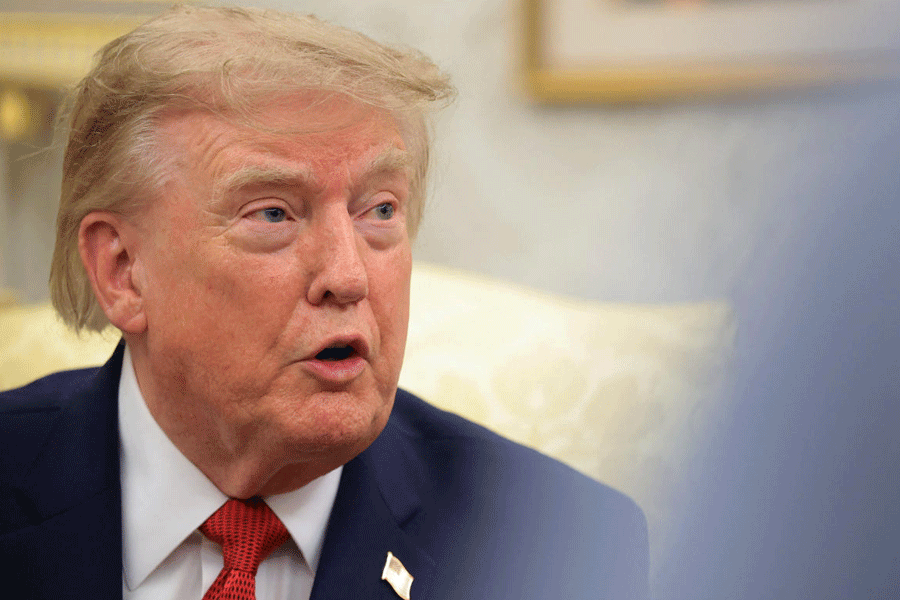
President Donald Trump's approval rating fell from 40% to 33%, while 31% of Americans approve of the conflict.
Iran's military and economy have suffered heavy damage, but it retains missiles, drones and the ability to attack shipping and regional U.S. facilities.
Disruption around the Strait of Hormuz has increased energy, insurance and transport costs, although global growth has remained more resilient than feared.
The strikes may have delayed Iran's nuclear program, while depleted U.S. munitions, casualties and extended deployments have reduced military readiness.
- Who
- The United States, Israel, Iran, President Donald Trump, U.S. allies and regional shipping interests are central to the conflict.
- What
- A six-month U.S.-Israeli war against Iran has produced military, political, economic and nuclear consequences without forcing Iran to surrender.
- Where
- The conflict involves Iran, the Middle East, the Strait of Hormuz, Gulf states and nearby Red Sea shipping routes.
- When
- The assessment was published August 27, after six months of war.
- Why
- The United States and Israel said military action was needed because of Iran's missile buildup and nuclear ambitions; preventing an Iranian nuclear weapon is President Trump's stated main goal.
Supporters of Continued Pressure
Advocates of De-escalation
Military action
Supporters of Continued Pressure
Supporters argue that Iran's missile buildup and nuclear ambitions required military action and that continued pressure could prevent Iran from obtaining a nuclear weapon.
Advocates of De-escalation
Critics argue that military strikes have not forced Iran to surrender, have produced a costly stalemate and have left the region less secure.
Political strategy
Supporters of Continued Pressure
Republican lawmakers who favor sustained pressure believe President Trump should continue military action against Tehran.
Advocates of De-escalation
More isolationist Republicans and many voters want a quick end to the conflict, while rising prices and the war's unpopularity are creating political costs for Trump.
Nuclear program
Supporters of Continued Pressure
The strikes damaged three known enrichment plants and suspected weapons-related sites and may have extended Iran's nuclear breakout timeline from up to six months to up to one year.
Advocates of De-escalation
The program's condition remains uncertain because U.N. inspectors have not returned, and Iran's stockpile of roughly 440 kilograms of uranium enriched to 60% cannot currently be fully verified.
Key facts
- Trump approval rating
- Reuters/Ipsos polling put President Trump's approval rating at 33%, down from 40% since the conflict began.
- Conflict approval
- Just 31% of Americans approved of the conflict in the polling cited.
- Global growth forecast
- The International Monetary Fund expects 3.0% global growth this year, down from its January forecast of 3.3%.
- Iran food inflation
- Iran's Statistical Center reported year-on-year food inflation of 128% in July.
- Iranian military losses
- Admiral Brad Cooper said U.S. forces destroyed 161 Iranian naval vessels and disabled 82% of Iran's air defenses.
- Nuclear material
- The International Atomic Energy Agency has been unable to verify the location of roughly 440 kilograms of uranium enriched to 60%.
- U.S. military costs
- A Congressional Research Service report said 42 U.S. military aircraft had been lost; the second article also reported 18 U.S. service members killed and more than 750 injured.
- U.S. interceptor stocks
- By July, the United States had used about 65% of its Patriot interceptors and reduced its THAAD interceptor stockpile by at least 38%.
Sources
Related news
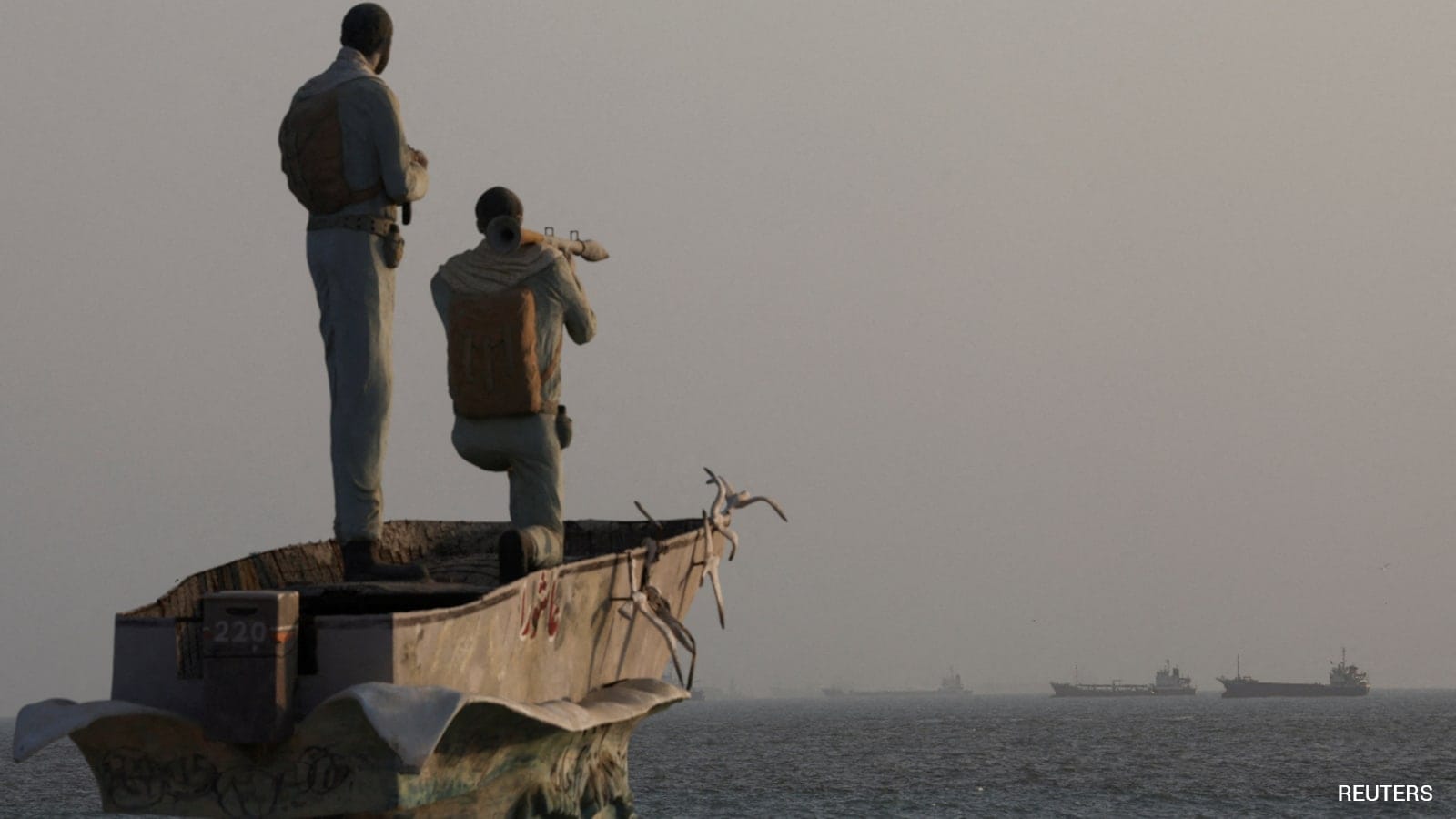
Six Months Into Iran War, Political and Economic Costs Mount
Iran War Exposes Limits of American Military Power
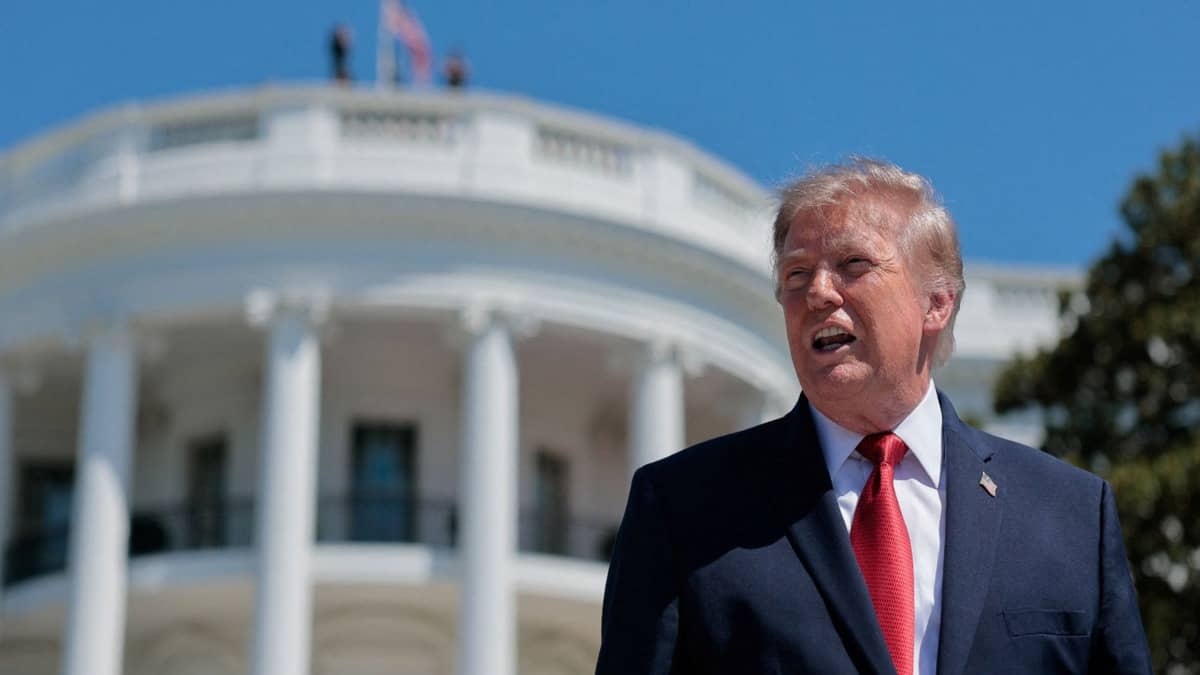
Trump’s Iran War Reaches Six Months as Strategy Shifts
Trump's approval rating hits all-time low ahead of US midterms

Trump’s Iran War Risks Turning Foreign Policy Into Midterm Liability

Iran War's Six-Month Shift From Victory Claims to Economic Warfare

U.S.-Iran Exchange Escalates Across Middle East, Markets Slide
Trump Aides Seek Quiet Iran War Before Midterm Elections
US Warns Middle East Travelers Amid Escalating Iran-Linked Tensions

Indian Stocks Slide as Oil, Conflict and Yields Rise

Silver Rate Today: Prices Fall 0.83% Across Indian Cities