

1 week ago
Ukraine War Becomes a Contest of Endurance
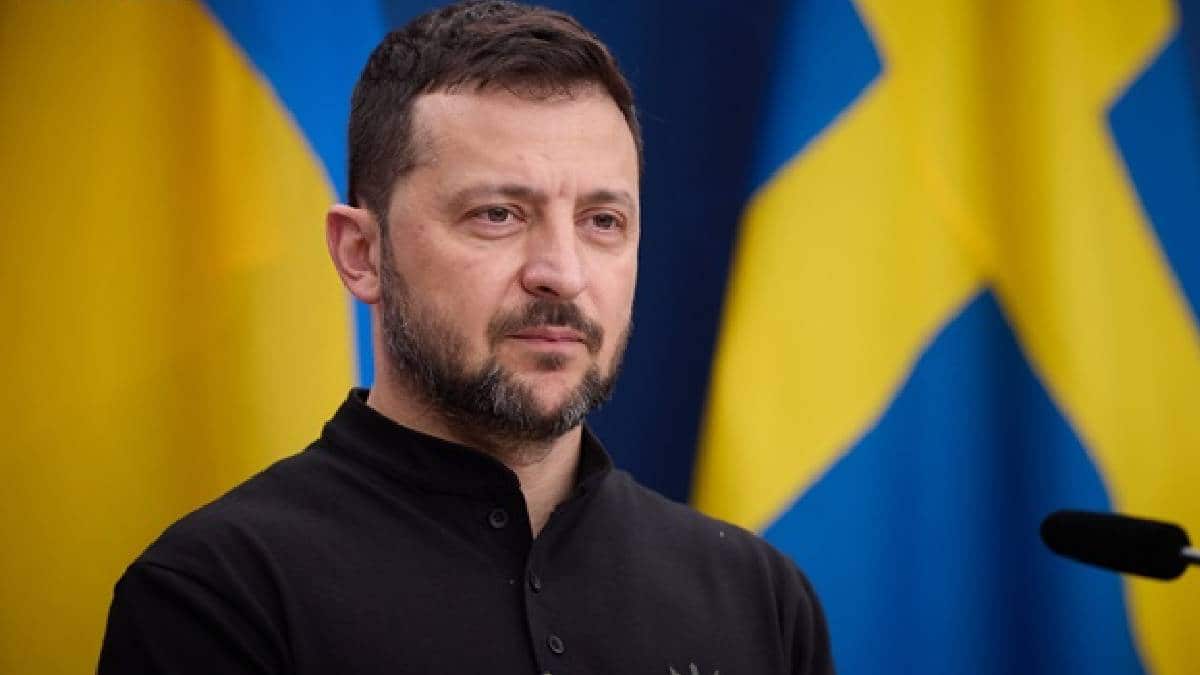
Russia and Ukraine have been fighting for a long time without either side winning decisively.
The war began with large movements of troops but has become slower and more difficult.
Soldiers now use trenches, mines, artillery and many kinds of drones.
Drones and satellites can find targets, so putting many soldiers or vehicles together can be dangerous.
Ukraine attacks targets deep inside Russia, while Russia attacks Ukrainian cities and infrastructure.
Both sides must constantly replace weapons, ammunition, equipment and trained soldiers.
Russia may be hoping that Ukraine’s supporters eventually become tired of providing help.
Ukraine and its supporters are trying to show that they can continue helping for as long as necessary.
The article says future wars may be decided by endurance rather than by a quick opening victory.

Neither Russia nor Ukraine has achieved a decisive victory after four and a half years of war.
The conflict has shifted from manoeuvre and territorial conquest toward prolonged attrition and endurance.
Trenches, mines and artillery dominate the front, while drones, satellites and electronic warfare expand the battlespace.
Russia and Ukraine are targeting military, industrial, energy and logistics infrastructure far beyond the frontline.
The war’s outcome may depend on military, industrial, economic, societal and alliance resilience.
- Who
- Russia, Ukraine, NATO and the Western coalition supporting Kyiv are the main parties discussed.
- What
- The war has evolved into a prolonged contest of endurance involving trench warfare, drones, deep strikes and industrial mobilisation.
- Where
- The fighting is centred in Ukraine, but strikes and military effects extend into Russia, the Black Sea and areas far behind the frontline.
- When
- The article examines the conflict four and a half years after Russia launched its invasion.
- Why
- Neither side has imposed a decisive political or military outcome, so success increasingly depends on sustaining manpower, weapons, industry, finances and political support.
Ukraine and NATO’s Position
Russia’s Position
Territory and sovereignty
Ukraine and NATO’s Position
Ukraine argues that its sovereignty and territorial integrity cannot be extinguished through occupation.
Russia’s Position
Russia may seek an outcome retaining substantial occupied territory, securing Crimea and maintaining control or influence over the Donbas.
Ukraine’s future alliances
Ukraine and NATO’s Position
NATO views accepting a Russian veto over Ukraine’s future membership decisions as contrary to a principle it has consistently defended.
Russia’s Position
Russia is described as seeking limitations on Ukraine’s future integration with NATO’s military structures.
Time and endurance
Ukraine and NATO’s Position
Ukraine and its supporters aim to sustain assistance and deter Moscow from waiting for Western fatigue.
Russia’s Position
Putin’s larger wager may be that Russia can outlast the political coalition supporting Ukraine.
Key facts
- Conflict duration
- The article describes the war as continuing four and a half years after Russia’s invasion.
- Military character
- The conflict has shifted from manoeuvre and territorial conquest to endurance and attrition.
- Frontline technology
- Trenches, fortified positions, minefields, artillery, drones, electronic warfare, satellites and precision weapons shape the battlefield.
- Deep strikes
- Ukraine strikes military, industrial, energy and logistics targets deep inside Russia; Russia conducts large drone and missile attacks against targets in Ukraine.
- Black Sea
- The article says Ukraine has used missiles, maritime drones and long-range strikes to limit Russia’s freedom of action at sea despite lacking conventional naval superiority.
- Russian resilience
- Russia’s defence production has expanded, manpower continues to be generated and sanctions have not compelled Moscow to abandon the war.
- Key forms of resilience
- Military, industrial, economic, societal and alliance resilience may determine which side can sustain the conflict longer.
Sources
Related news
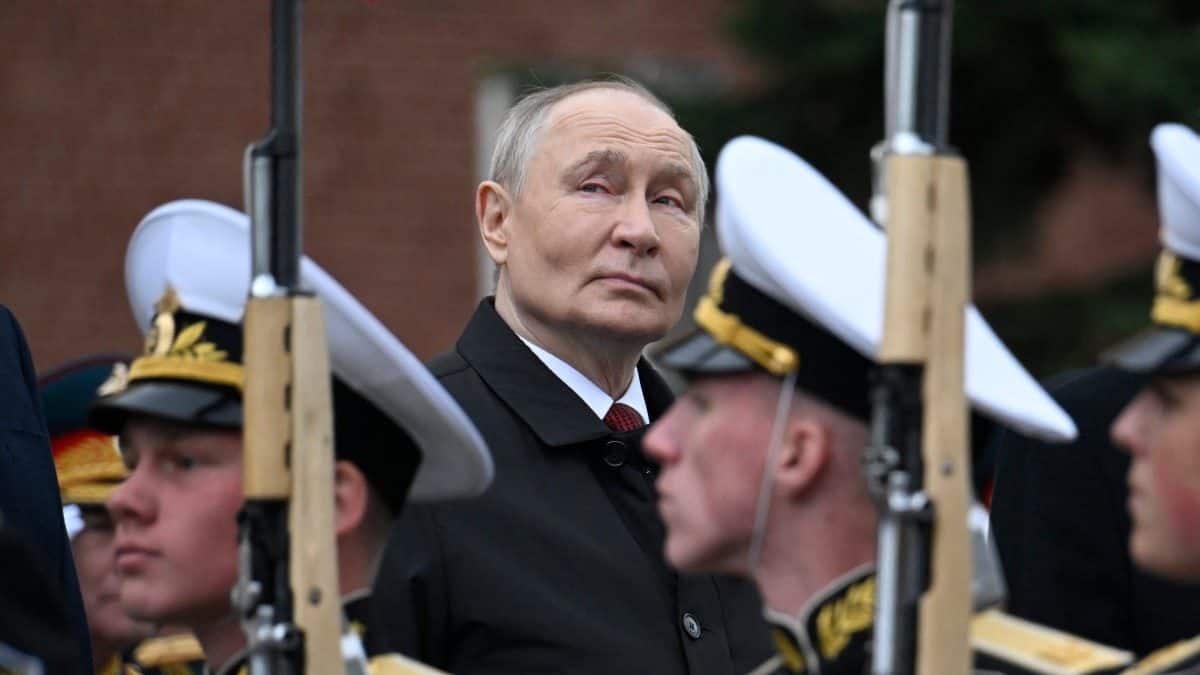
Russia can't win, won't stop: Plan D to outlast West
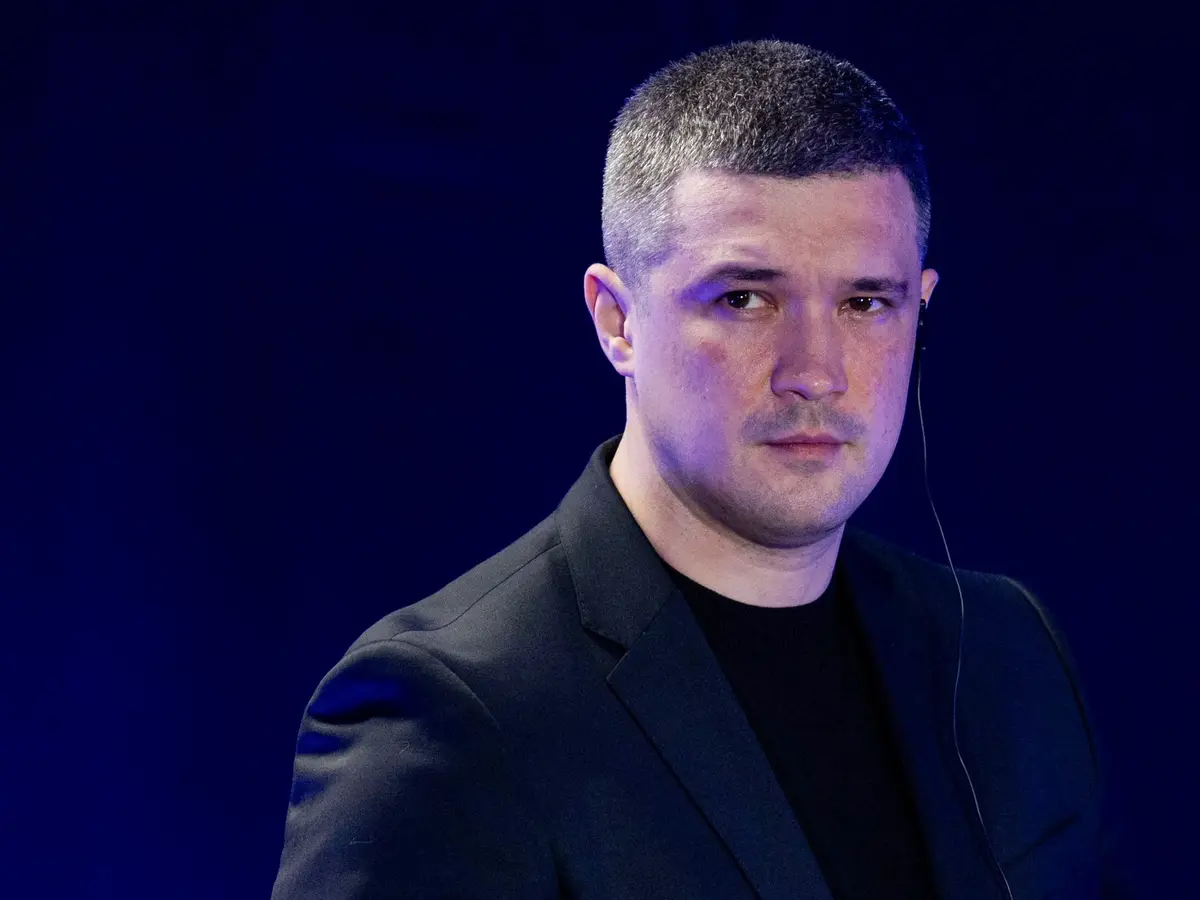
Ousted Ukrainian Minister Warns Kyiv Is Slowly Losing War
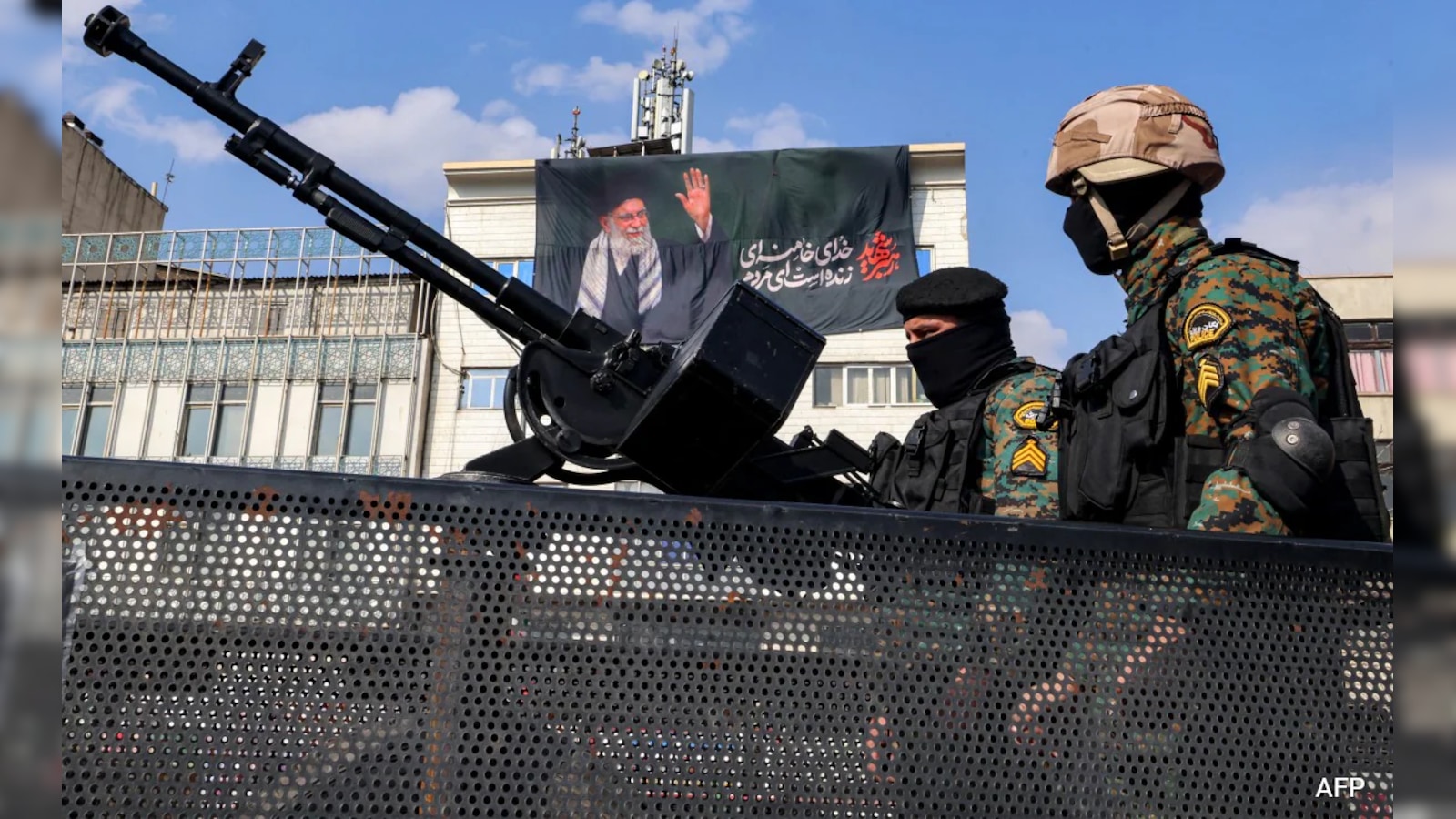
US-Iran Conflict Reveals Shift Toward Constrained Multidomain Competition

Pence Says Ukraine Is Winning as Missile Threats Intensify

Britain Faces Escalation Risks Over Ukraine’s Strikes Inside Russia
Putin Faces Western Isolation While Russia Builds Non-Western Ties

Pentagon Turmoil Deepens as Hegseth Tightens Grip on Military

Germany Blames Russia for Leipzig Drone Attack, Europe Vows Response
Erdogan Says Turkey Would Consider Full Shanghai Cooperation Organisation Membership
Augsburg Train Station Closed After Explosion, Suspicious Object Found
