2 hrs ago
Global Bond Sell-Off Pushes Japan Yields To 30-Year High
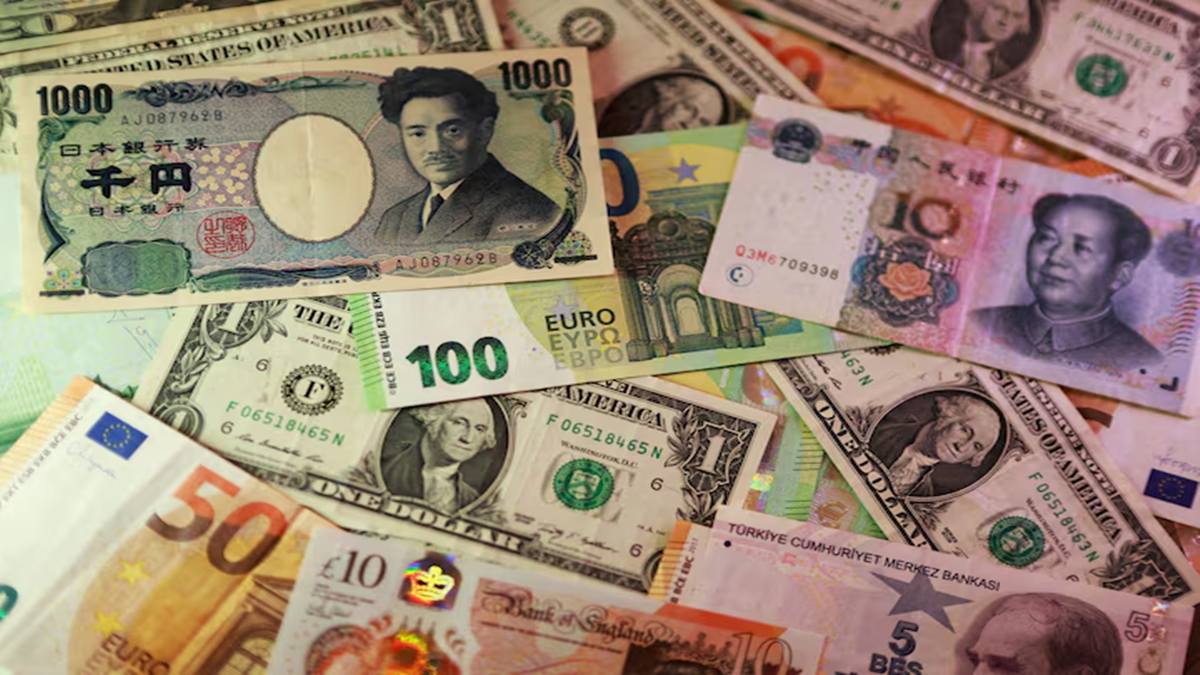
Government bonds are loans that investors give to countries.
When investors sell those bonds, their prices fall and their yields rise.
Japan’s 10-year bond yield reached 3%, a level not seen since 1996.
Yields also rose sharply in the United States and several European countries.
Experts say large government deficits, rising debt, inflation and higher oil prices are contributing to the selling.
Technology companies borrowing heavily for artificial-intelligence projects may be adding to the pressure.
Higher yields can make stocks and other investments more unsettled.
Investors are watching upcoming inflation data and central-bank decisions.
The article says volatility could be especially high in mid-September.

Japan’s 10-year bond yield reached 3% on September 1, its highest level since 1996.
Yields also climbed to multi-decade highs in the United States, Germany, the United Kingdom and France.
Analysts linked the sell-off to government deficits, rising debt, inflation concerns and higher oil prices.
Big technology companies’ borrowing to fund artificial-intelligence spending has added pressure across bond markets.
Investors are watching the Federal Reserve, US Treasury operations and Bank of Japan meetings for signs of further volatility.
- Who
- Investors, governments, central banks, technology companies and analysts including Uday Kotak and Ed Yardeni.
- What
- A global sovereign-bond sell-off has pushed yields in Japan and other major markets to multi-decade highs.
- Where
- Japan, the United States, Germany, the United Kingdom and France, with effects across global financial markets.
- When
- The sell-off escalated on September 1; key US and Japanese policy events are scheduled for September 9–18, 2026.
- Why
- The article cites widening government deficits, rising debt, inflation concerns, higher oil prices, expected rate increases and additional corporate borrowing.
Deficit And Market-Stress Warning
Yields May Remain Manageable
Bond vigilantes
Deficit And Market-Stress Warning
Ed Yardeni said investors may be pushing yields higher in protest against large government deficits, mounting debt and rising government interest costs.
Yields May Remain Manageable
Yardeni also said he was not convinced bond yields were, or would soon become, prohibitively high.
Central-bank response
Deficit And Market-Stress Warning
Uday Kotak warned that worsening debt and deficits could force central banks to expand their balance sheets, potentially increasing inflation and short-term interest rates.
Yields May Remain Manageable
The article presents possible policy interventions, including US Treasury liquidity-support buybacks, as measures that could limit pressure in longer-term bond markets, although their previous impact was short-lived.
Effect on other assets
Deficit And Market-Stress Warning
The article warns that yields approaching 5% in the United States could unsettle stock markets and that bond-market volatility may spread across asset classes.
Yields May Remain Manageable
The article does not identify a clear stabilizing trend, but notes that future inflation data or government intervention could reverse rate-hike expectations or provide course corrections.
Key facts
- Japan 10-year yield
- Around 3.021% on Wednesday, up 1.38 percentage points over the last year and at its highest level since 1996.
- US 10-year Treasury yield
- Above 4.8% on Wednesday, compared with 4.20% in January.
- US 30-year Treasury yield
- Reached 5.33% in mid-August, a level last seen in June 2007.
- Other sovereign markets
- Germany’s 10-year yield reached a 15-year high; UK 30-year yields reached levels last seen in 1998; French 30-year yields reached an 18-year high.
- US inflation target
- The Federal Reserve’s target is 2%, while inflation has remained above that level according to the article.
- Fed rate-hike probability
- Fed futures indicated a 70% probability of a September 16 rate hike.
- US Treasury buybacks
- Longer-dated security buyback operations are scheduled to increase from a maximum of $2 billion to at least $4 billion per operation starting September 9, 2026.
- Bank of Japan meeting
- The next monetary-policy meeting is scheduled for September 17–18, 2026, with a possible rate increase under consideration.
Quotes
Uday Kotak
Founder and Director of Kotak Mahindra Bank
“Japan’s 10 year bond crosses 3% and US 4.8%. As their government debt and deficits go up, central banks may have no option but to expand balance sheets( print money). If so, inflation goes up, short end rates go up. Be ready for a roller coaster ride in interest rate markets!”
 financialexpress.com
“The fear is that the Bond Vigilantes are on the loose and driving yields higher in protest over large government deficits, mounting government debt, and rapidly rising government interest costs”
financialexpress.com
Sources
Related news

Global Bond Selloff Deepens as Oil and Debt Fears Rise

Global Bond Yields Surge as Inflation and Debt Risks Rise
Global Bond Selloff Deepens as Debt and Inflation Fears Rise

Uday Kotak Warns Global Bond Markets Face Roller-Coaster Volatility

Global Bond Selloff Pushes US Treasury Yields Higher
Trump Aides Seek Quiet Iran War Before Midterm Elections

US and China Hold Quiet Talks Over Iran Conflict

Trump-Xi Talks Expected to Address AI Guardrails

US Treasury Secretary Urges Japan to End Reflation Push