2 weeks ago
Trump Desperate to Quit Iran War as Peace Deal Eludes
The United States and Israel started a war with Iran a few months ago.
On the very first day, Iran's most important leader, Ayatollah Ali Khamenei, was killed.
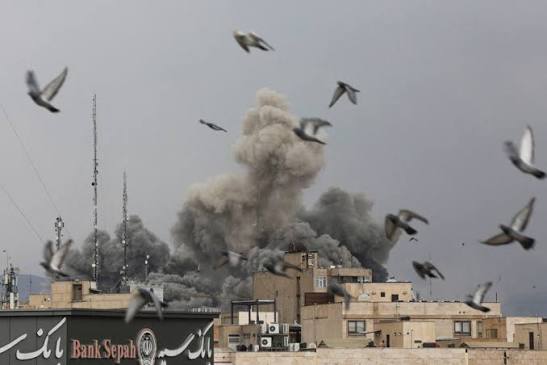
America and Israel dropped many bombs, but Iran fought back and attacked places where American soldiers are based.
In June, both sides agreed to stop attacking each other for a while.
They also agreed to let ships travel again through a very important water path called the Strait of Hormuz.
But they still have not agreed on a final peace deal.
They disagree about who should control the Strait of Hormuz and about shipping rules and fees.
Iran says it is ready for a war on the ground and has many missiles and drones.
Many people in America do not like the war, and President Trump wants it to end before big elections.
Some experts think that bombing from the air will never be enough to beat Iran.

The United States and Israel launched a war against Iran on February 28, beginning with the assassination of Supreme Leader Ayatollah Ali Khamenei on the first day.
US and Israeli aerial attacks failed to achieve their objectives, and Iran countered by striking Gulf Arab states hosting US military bases.
In June, the US and Iran signed an interim memorandum of understanding to halt mutual-retaliatory attacks and reopen the Strait of Hormuz.
A final peace deal remains elusive, with negotiations stuck on control of the Strait of Hormuz and on shipping terms and tariffs.
Iran has challenged Trump to a land invasion, saying it has accumulated missiles and drones for decades and is prepared for a land war.
- Who
- US President Donald Trump and Israeli Prime Minister Benjamin Netanyahu launched the war against Iran; Iran's Supreme Leader Ayatollah Ali Khamenei was assassinated on the first day.
- What
- A US-Israel war against Iran that opened with the assassination of Ayatollah Ali Khamenei, continued with failed aerial attacks and Iranian counterstrikes on Gulf Arab states, and is now stalled over a final peace deal after an interim memorandum of understanding.
- Where
- Iran, the Strait of Hormuz, and Gulf Arab states hosting US military bases.
- When
- The war began on February 28, the interim memorandum of understanding was signed in June, and the conflict is still ongoing more than five months later.
- Why
- The US and Israel sought objectives through strikes on Iran's military and infrastructure; the interim deal aimed to halt mutual-retaliatory attacks and reopen the Strait of Hormuz, while Trump wants to exit the increasingly unpopular war before looming midterm elections.
US-Israel Coalition
Iran and War Critics
Winning the war
US-Israel Coalition
The US-Israel coalition launched a blitzkrieg of aerial attacks against Iran's military and infrastructure to achieve its objectives.
Iran and War Critics
Iran and war critics say air power alone cannot win a war; Tehran claims decades of accumulated missiles and drones and challenges the US to a land invasion.
Reaching a peace deal
US-Israel Coalition
The interim memorandum of understanding signed in June stopped mutual-retaliatory attacks and reopened the Strait of Hormuz, with Trump eager to exit before the midterms.
Iran and War Critics
The talks are stuck: negotiations hit fresh hurdles over control of the Strait of Hormuz and on shipping terms and tariffs, leaving a final peace deal elusive.
Can Iran be defeated?
US-Israel Coalition
The US defense establishment continues its long-standing policy of forward deployment and intervention, with the Pentagon and Wall Street coordinating the business of war in remote lands.
Iran and War Critics
War critics argue Iran cannot be defeated even in a worst-case scenario, with Russia and China firmly on Tehran's side; the article points to US retreats from Vietnam and Afghanistan and Mike Pompeo's admission that the CIA 'lied, cheated and stole.'
Key facts
- Conflict
- US-Israel war against Iran
- War start date
- February 28, 2026
- Opening action
- Assassination of Supreme Leader Ayatollah Ali Khamenei on the first day
- Interim agreement
- Memorandum of understanding signed in June to halt mutual-retaliatory attacks and reopen the Strait of Hormuz
- Sticking points
- Control of the Strait of Hormuz, shipping terms and tariffs
- Iran's position
- Prepared for a land war; claims decades of accumulated missiles and drones
- US domestic pressure
- War increasingly unpopular; midterm elections looming
Quotes
Representative of Tehran
Iranian spokesperson or official
“"What’s the cadet motto at West Point? You will not lie, cheat, or steal, or tolerate those who do. I was CIA director.””
 deccanchronicle.com
“"We want a land invasion"”
deccanchronicle.com
Sources
Related news

Trump faces Iran war dilemma with no easy exit
Iran War Exposes Limits of American Military Power
Trump’s Iran War Reaches Six Months as Strategy Shifts
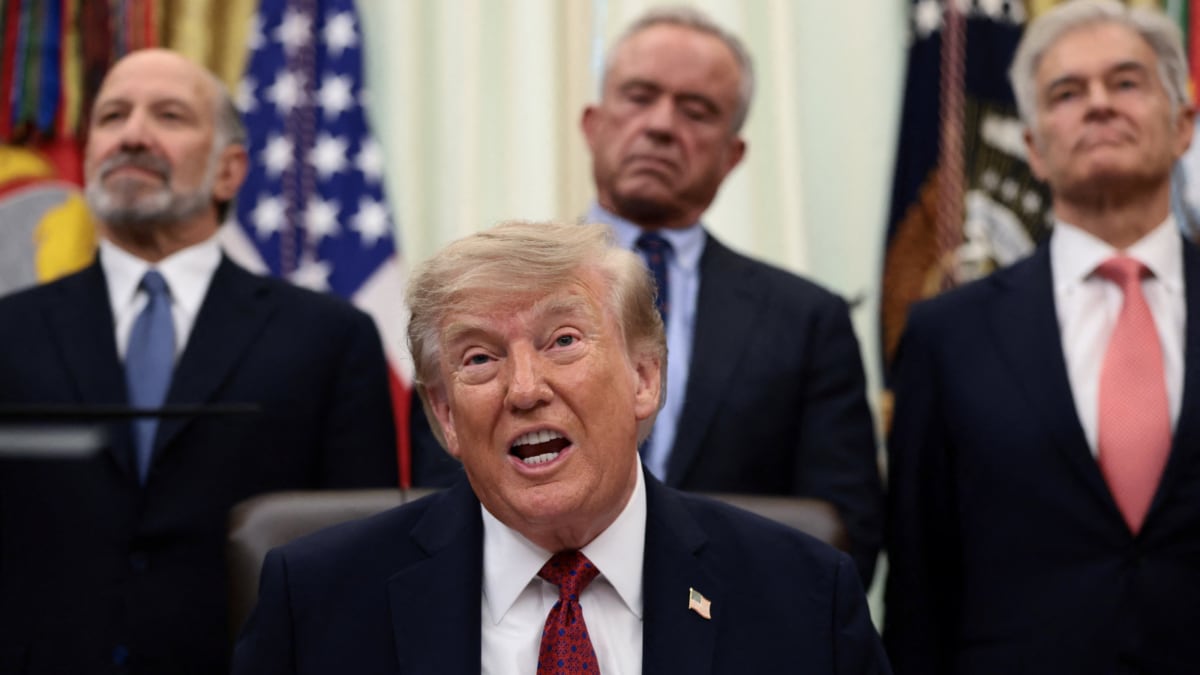
Trump Rules Out Nuclear Weapons, Threatens Iran With More Strikes
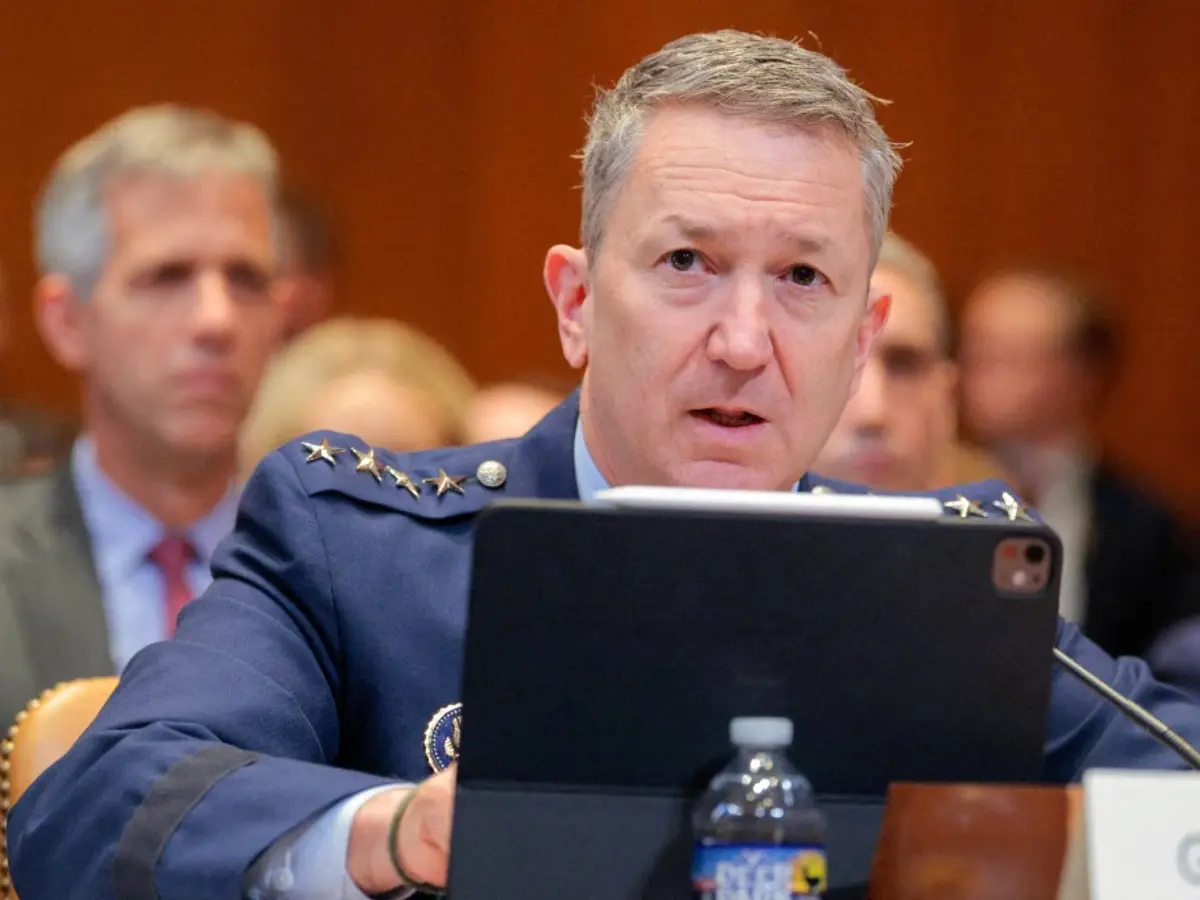
Trump's Top General Seeks Off-Ramp as Iran War Drags On

Trump Floats Renaming Strait of Hormuz as ‘Trump Strait’

Chevron Plans $7 Billion Venezuela Expansion Amid U.S. Oil Push
Saudi Arabia Says Iranian Tanker Attack Killed Two Sailors
U.S.-Iran Exchange Escalates Across Middle East, Markets Slide
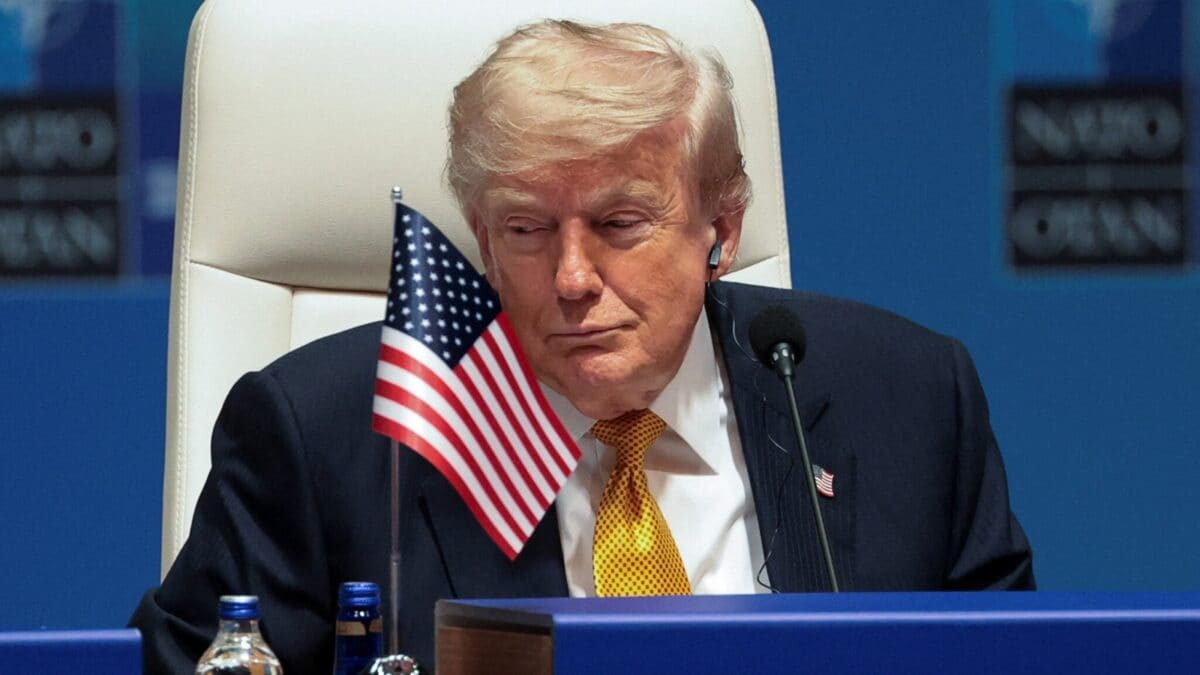
Trump Aides Seek Quiet Iran War Before Midterm Elections