1 day ago
Iran War Exposes Limits of American Military Power
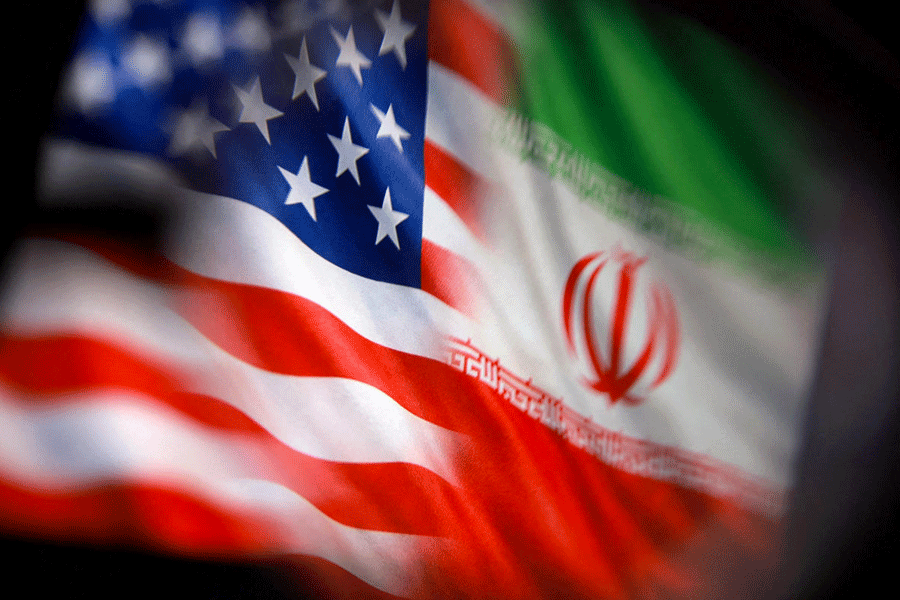
The editorial says the United States and Israel started a war with Iran six months ago.
It says the war has caused many deaths and badly damaged Iran.
The United States hoped to weaken Iran’s government or encourage regime change.
Instead, Iran’s leaders appear to have strengthened their control.
Iran has continued threatening the Strait of Hormuz and attacking targets in the region.
The war has also caused energy prices to rise around the world.
The conflict is unpopular in the United States and has used many American weapons.
The editorial argues that the war shows the limits of American military power.
It also says countries are seeking new security and energy arrangements because they no longer fully trust the United States.

Six months after the United States and Israel began the war, the editorial says their objectives remain unmet.
The United States and Israel bombed Iranian territory, killing Iran’s Supreme Leader and thousands of people, according to the editorial.
Iran’s leadership appears to have strengthened its domestic grip while retaining influence over the Strait of Hormuz.
Iran has attacked American bases and struck the United Arab Emirates and Jordan after the United States attacked Larak island.
The conflict has deepened Iran’s economic crisis, raised global energy prices, strained U.S. weapons supplies and weakened American credibility.
- Who
- The United States, Israel, Iran, Donald Trump and countries in the Gulf region are involved.
- What
- A six-month-long war between the United States and Israel and Iran has continued without achieving the stated U.S. military, political and diplomatic goals, according to the editorial.
- Where
- Iran, the Strait of Hormuz, Larak island, American bases in the region, the United Arab Emirates and Jordan.
- When
- The conflict had lasted six months; Iran’s strikes on the United Arab Emirates and Jordan were described as occurring on Monday morning.
- Why
- The editorial says Donald Trump sought to damage Iran and promote regime change, but it describes the war as unprovoked and says its objectives remain elusive.
U.S. War Claims
Editorial Critique
Military success
U.S. War Claims
Donald Trump and senior U.S. officials said Iran’s military, particularly its navy, had been decimated.
Editorial Critique
The editorial says Iran still maintained a chokehold over the Strait of Hormuz and could launch attacks against American bases and regional countries.
Political objective
U.S. War Claims
Donald Trump spoke of regime change aided by Iranians.
Editorial Critique
The editorial says Iran’s theocratic leadership, backed by the military, appeared to have strengthened its grip instead.
Strategic consequences
U.S. War Claims
The U.S. administration’s stated goals included military, political and diplomatic gains against Iran.
Editorial Critique
The editorial says those goals remain elusive, while the war has depleted U.S. weapons stocks, weakened American credibility and encouraged new regional defence alliances.
Key facts
- Conflict duration
- Six months
- Countries launching the war
- The United States and Israel
- Iranian losses
- Schoolchildren, thousands of people, research centres and universities were reportedly affected by attacks.
- Iranian response
- Iran maintained pressure over the Strait of Hormuz and launched missiles at American bases in the region.
- Regional strikes
- Iran struck the United Arab Emirates and Jordan after the United States attacked Larak island.
- Economic impact
- Rising energy prices contributed to inflation globally, including in the United States.
- Political impact in the United States
- The war is described as unpopular and potentially damaging to the Republican Party in congressional midterm elections.
- Strategic impact
- The editorial says the conflict depleted U.S. weapons supplies and weakened American credibility as a Gulf security provider.
Sources
Related news
Six Months Into Iran War, No Winners and Global Costs
Six Months Into Iran War, Political and Economic Costs Mount
Trump’s Iran War Reaches Six Months as Strategy Shifts
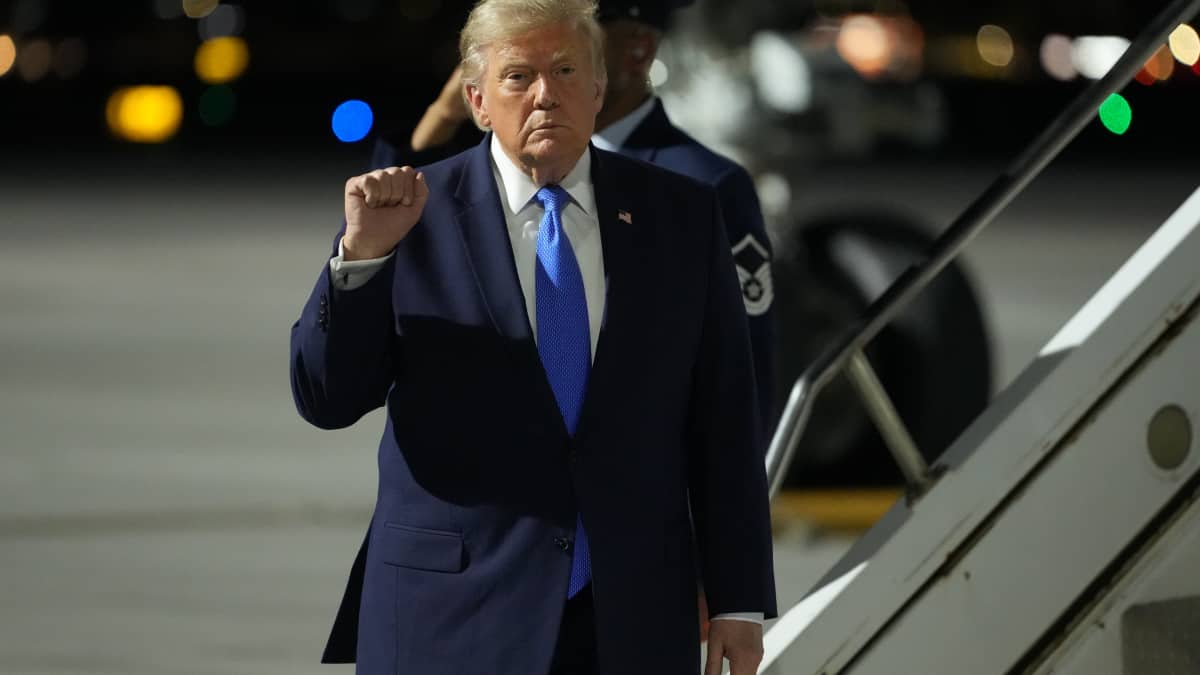
Trump says Iran war 'has to end pretty soon'

Six Months Into Iran War, Who Really Gained?

Iran War's Six-Month Shift From Victory Claims to Economic Warfare

Saudi Arabia Says Iranian Tanker Attack Killed Two Sailors
U.S.-Iran Exchange Escalates Across Middle East, Markets Slide
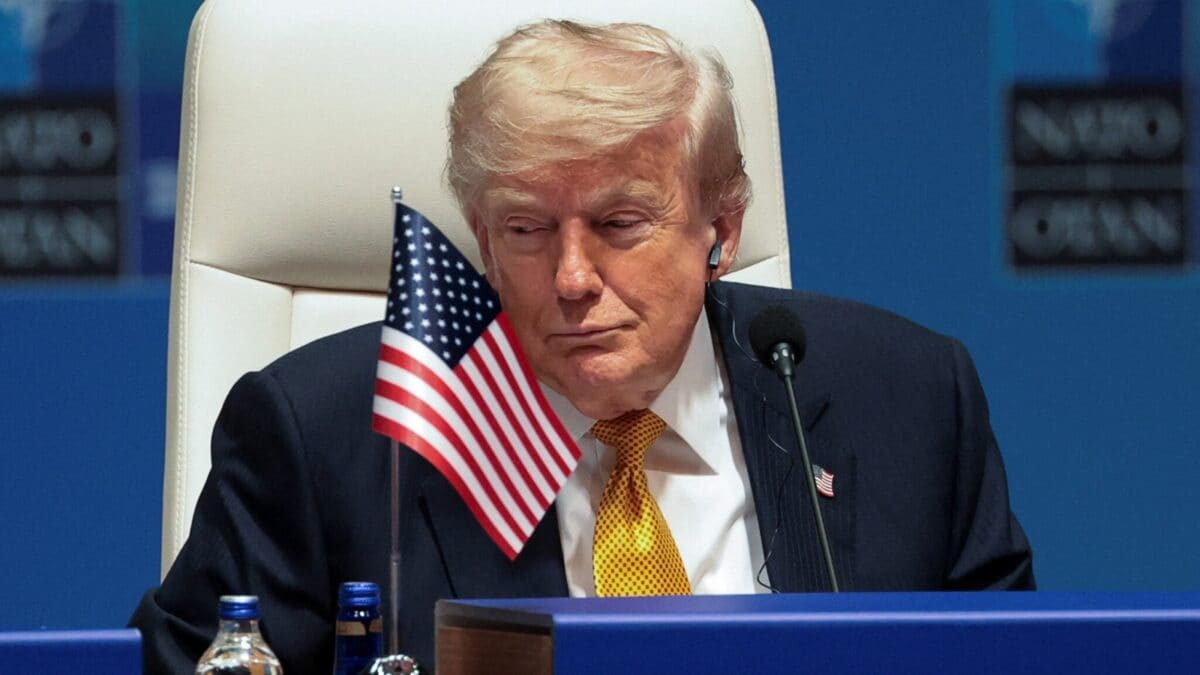
Trump Aides Seek Quiet Iran War Before Midterm Elections
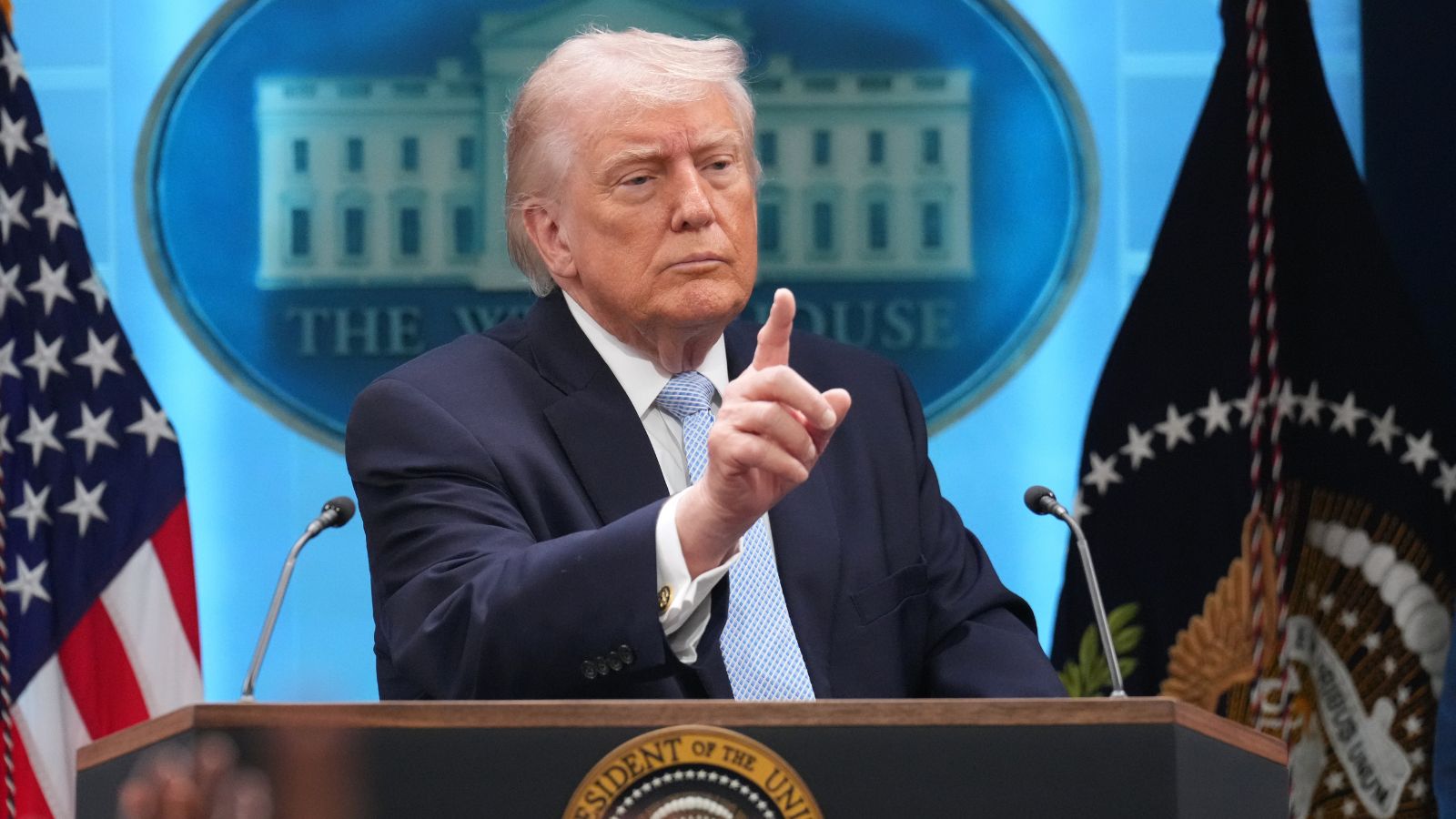
US Warns Middle East Travelers Amid Escalating Iran-Linked Tensions

Indian Stocks Slide as Oil, Conflict and Yields Rise