1 hr ago
Doctor Shares Seven Ways to Counter Prolonged Sitting Damage

Sitting for a long time can make muscles weaker and joints stiffer.
It can also cause discomfort in the neck, back and legs.
A single workout may not fully undo many hours of sitting.
It is better to move a little throughout the day.
Try standing or walking for two to five minutes every 30 minutes.
You can also reset your posture, stretch your hips and move your upper back.
Small actions like standing during phone calls or taking the stairs can help.
Regular exercise and strength training are still important.
Stop any movement that causes pain, dizziness or numbness and seek medical advice.

Dr Nitish Dhiman says remaining in one position for too long can reduce muscle activity, limit joint mobility and strain the spine.
He recommends standing or moving for two to five minutes every 30 minutes.
Posture resets, glute and core exercises, hip stretches and upper-back movements may reduce stiffness and discomfort.
Daily activities such as standing during calls, taking stairs and walking meetings can reduce sedentary time.
The World Health Organization recommends 150 to 300 minutes of moderate aerobic activity weekly, plus muscle-strengthening exercises on at least two days.
- Who
- Dr Nitish Dhiman, Assistant Professor and Consultant in Physical Medicine and Rehabilitation, provides the advice for people who sit for long periods.
- What
- The article outlines seven ways to reduce the effects of prolonged sitting through frequent movement, posture changes, stretching and exercise.
- Where
- No specific location is stated; the advice applies to settings where people remain seated for long periods.
- When
- Movement is recommended throughout the day, including every 30 minutes; the article does not provide a publication date.
- Why
- Prolonged sitting can reduce muscle activity, limit joint mobility, strain the spine and contribute to stiffness, pain and other health effects.
Key facts
- Movement breaks
- Stand or move for two to five minutes every 30 minutes.
- Posture reset
- Pull the chin back gently, roll the shoulders, relax the arms and keep both feet flat on the floor.
- Muscle activation
- Chair squats, glute squeezes and standing hip extensions can reactivate muscles.
- Hip mobility
- A gentle half-kneeling hip-flexor stretch may help restore mobility.
- Daily activity
- Standing during calls, taking stairs and holding walking meetings can reduce sedentary time.
- Weekly exercise
- The World Health Organization recommends 150 to 300 minutes of moderate aerobic activity weekly and muscle-strengthening exercises on two or more days.
- Ergonomics
- The screen should be at eye level, the lower back supported and the feet comfortably placed on the floor.
Quotes
Dr Nitish Dhiman
Assistant Professor and Consultant in Physical Medicine and Rehabilitation
“Every 30 minutes, it is advisable to stand up or move for at least two to five minutes.”
 firstpost.com
“It is not just about how much you work, but how long you remain in the same position.”
firstpost.com
Sources
Related news

Prolonged Sitting Raises Long-Term Risks for Spine and Heart

Experts Share Easy Tips for Better Hip Mobility
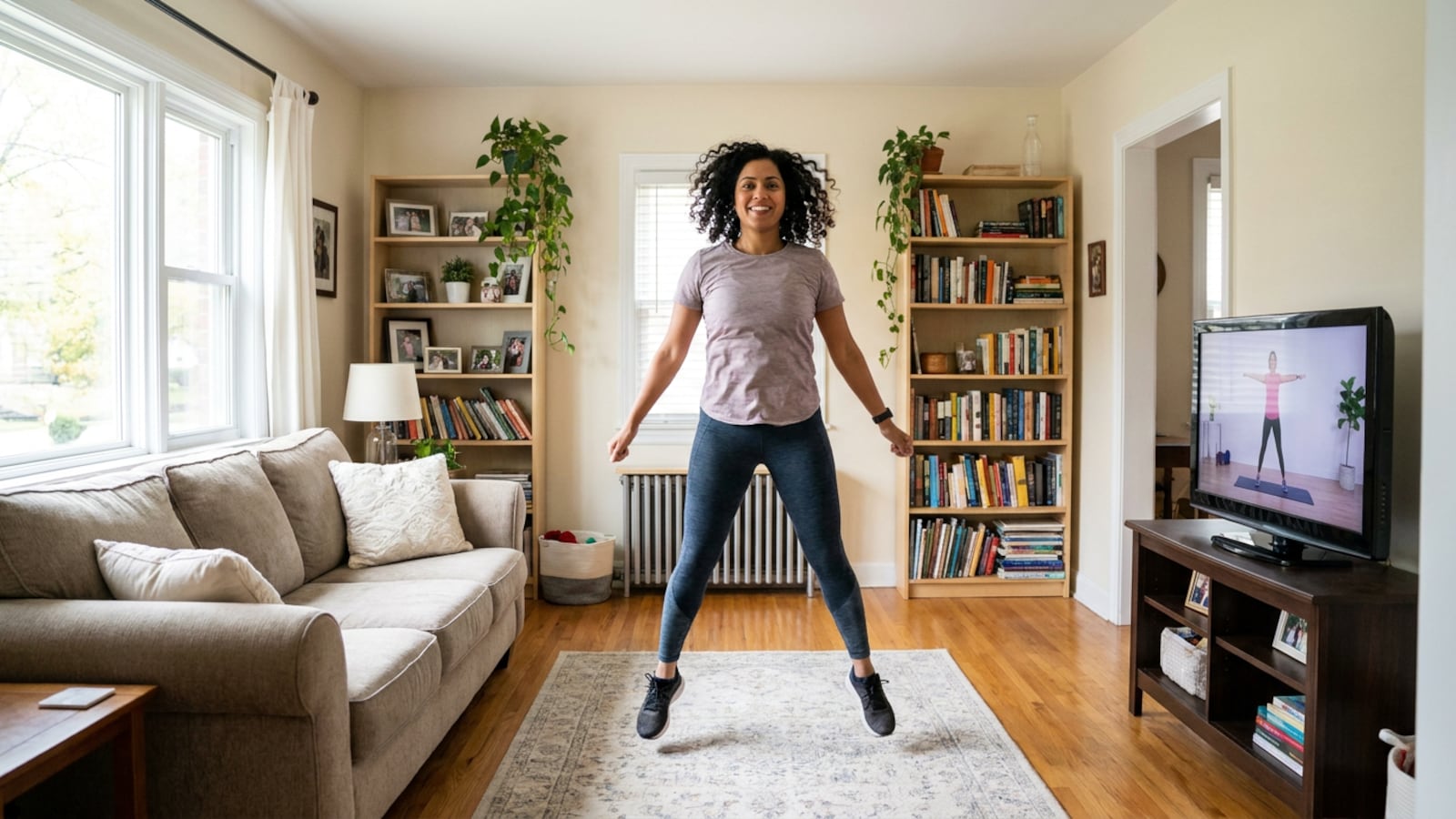
A Seven-Minute Workout Offers Exercise For Busy Professionals
Young Indians Turn To Physiotherapy Amid Screen-Driven Stiffness

How Teachers Can Protect Their Knees and Back
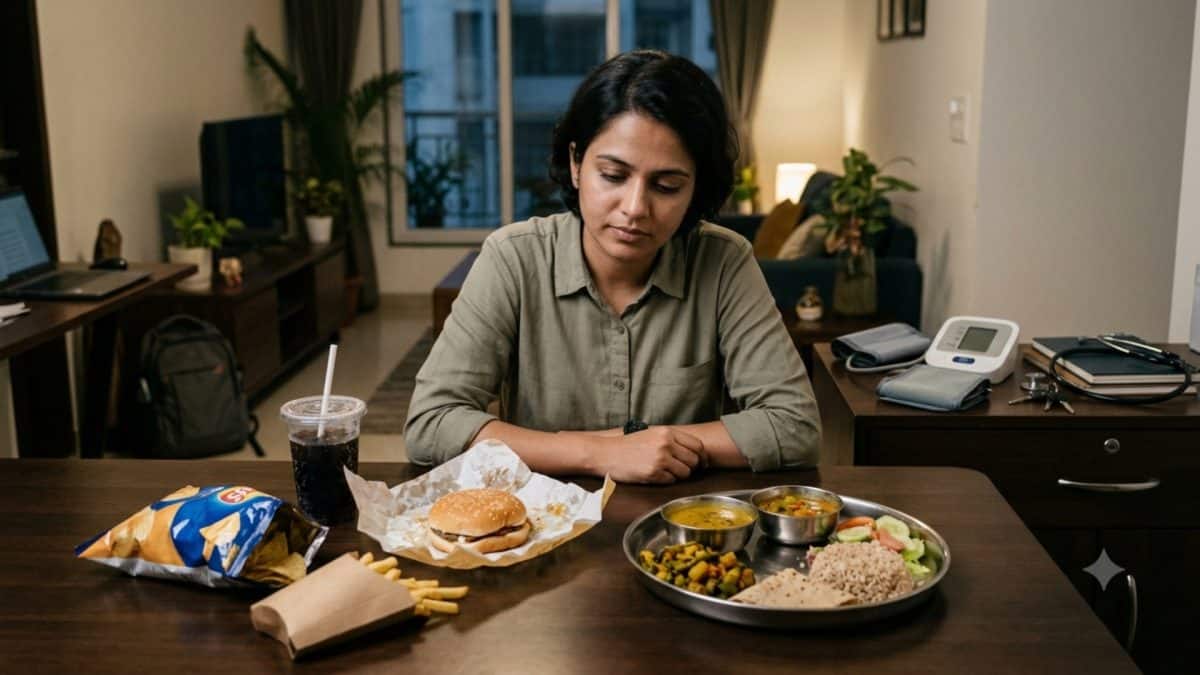
Junk Food, Lifestyle Risks Raise Heart Concerns Among Young Indians

New Study Finds 240,000 Plastic Particles Per Litre

India Has 50 Million Children Without School Sanitation Services

Xi Jinping and Peng Liyuan: China’s High-Profile Political Couple