2 hrs ago
India Leads World in Children Lacking School Sanitation
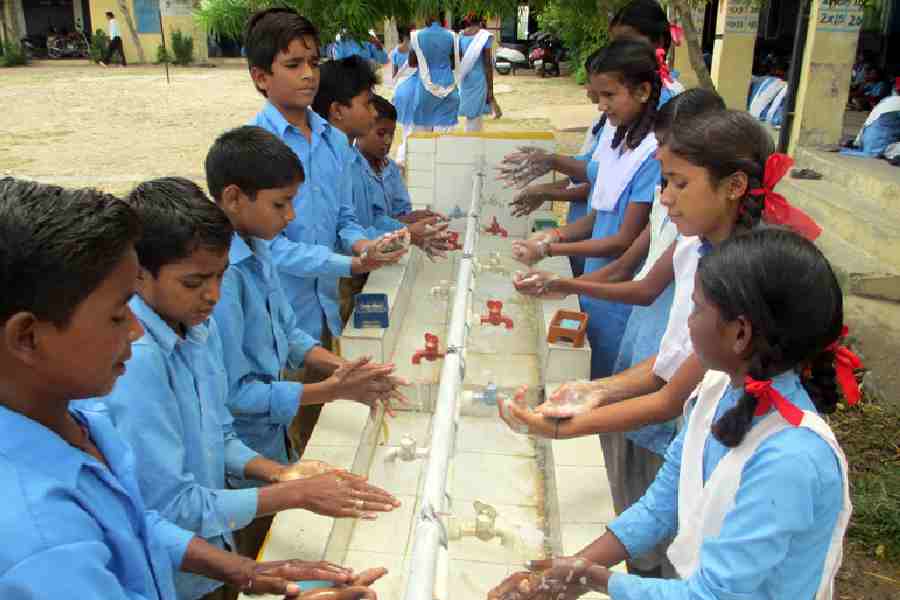
A new report looked at water, toilets and handwashing in schools around the world.
In 2025, 244 million children did not have sanitation services at school.
India had the largest number, with 50 million children affected.
India did make progress by reducing the number of schools without sanitation by 14 per cent.
About 20 million Indian children also lacked hygiene services at school.
Around 12 million lacked drinking-water services.
The report says countries need to improve much faster to meet their 2030 goals.
If progress continues at the current rate, many schools will still lack basic water, sanitation or hygiene services in 2030.

India accounted for 50 million of the 244 million children without school sanitation services in 2025.
The country recorded a 14 per cent reduction in schools lacking sanitation during the period assessed.
Nigeria, Ethiopia, the Democratic Republic of the Congo and Indonesia followed with 34, 26, 11 and 8 million affected children, respectively.
Around 20 million Indian children lacked school hygiene services, while about 12 million lacked drinking-water services.
The world is not on track for universal school WASH access by 2030 without substantially faster progress.
- Who
- The World Health Organization and the United Nations Children’s Fund Joint Monitoring Programme assessed school water, sanitation and hygiene services; children in India and other countries were affected.
- What
- The report found that 244 million children lacked school sanitation services in 2025, including 50 million in India.
- Where
- The findings cover schools globally, with India recording the highest number of affected children.
- When
- The figures refer to 2025, with progress assessed over the 2015–2025 period.
- Why
- The assessment monitors progress toward Sustainable Development Goal targets for safe, inclusive schools and universal water, sanitation and hygiene access.
Key facts
- Global sanitation gap
- 244 million children lacked sanitation services at school in 2025.
- India’s share
- 50 million Indian children lacked school sanitation services, nearly one-fifth of the global total.
- India’s sanitation progress
- The number of schools without sanitation declined by 14 per cent during the period assessed.
- Indian children without hygiene
- Around 20 million Indian children lacked hygiene services at school.
- Indian children without drinking water
- Around 12 million Indian children lacked drinking-water services at school in 2025.
- 2030 projection
- Current trajectories indicate that about 81 per cent of schools will have basic sanitation services by 2030.
- Required acceleration
- The report says progress must increase fourfold for water, fivefold for sanitation and fourfold for hygiene to achieve universal coverage.
Quotes
WHO-UNICEF Joint Monitoring Programme report
Joint WHO-UNICEF programme responsible for global WASH monitoring
“India performed comparatively better on school drinking-water access. In 2025, around 12 million Indian children lacked drinking-water services at school, accounting for roughly one in every 20 children globally without such services.”
 theprint.in
 telegraphindia.com
 deccanchronicle.com
“Achieving universal coverage will require a fourfold increase in the current rate of progress on basic drinking water, a fivefold increase in progress on basic sanitation, and a fourfold increase in progress on basic hygiene.”
theprint.in
telegraphindia.com
deccanchronicle.com
Sources
Related news
States Struggle to Meet Supreme Court Menstrual Hygiene Mandate

Bihar School Lacks Boys’ Washroom, Boundary Wall and Staff
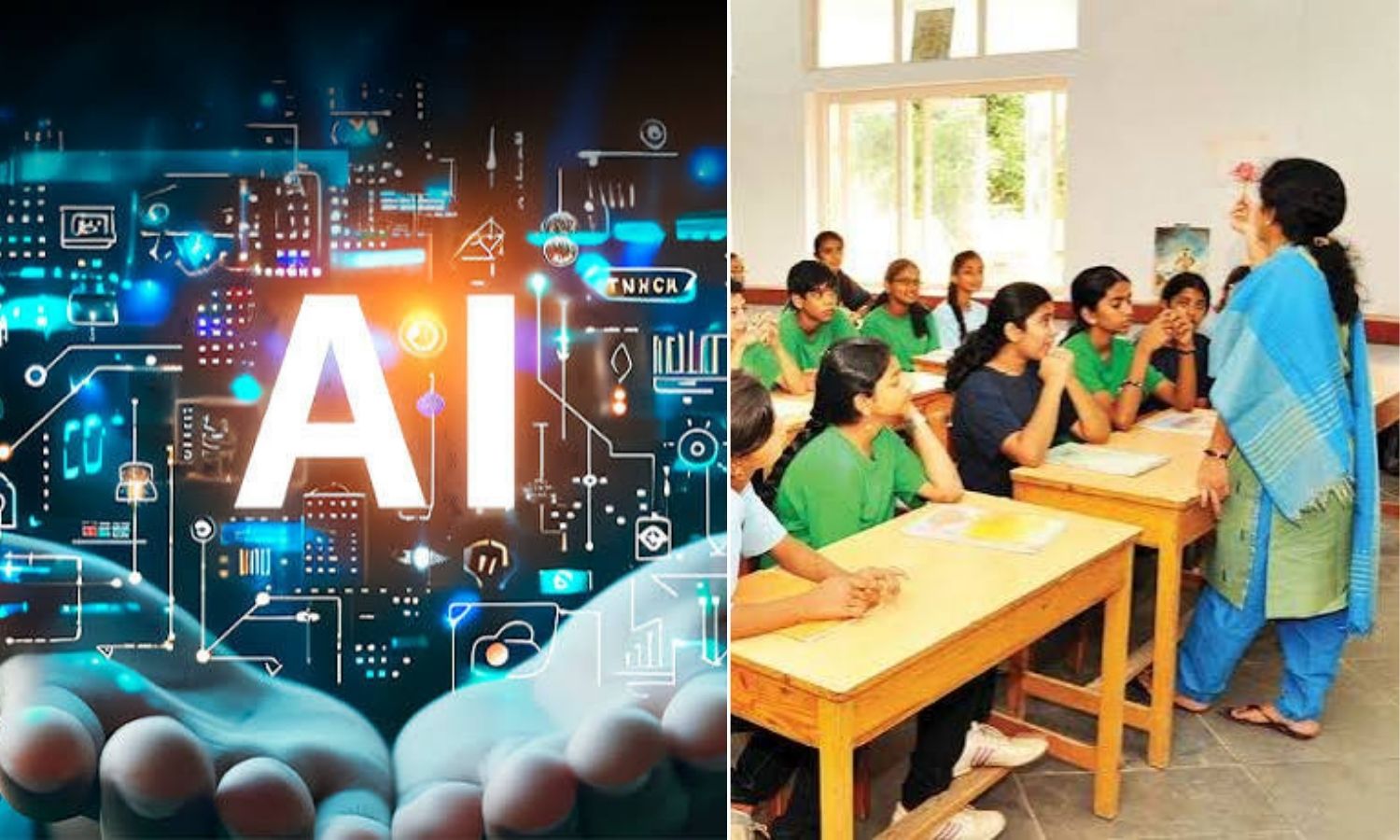
India’s AI Ambition Faces Questions About School Foundations
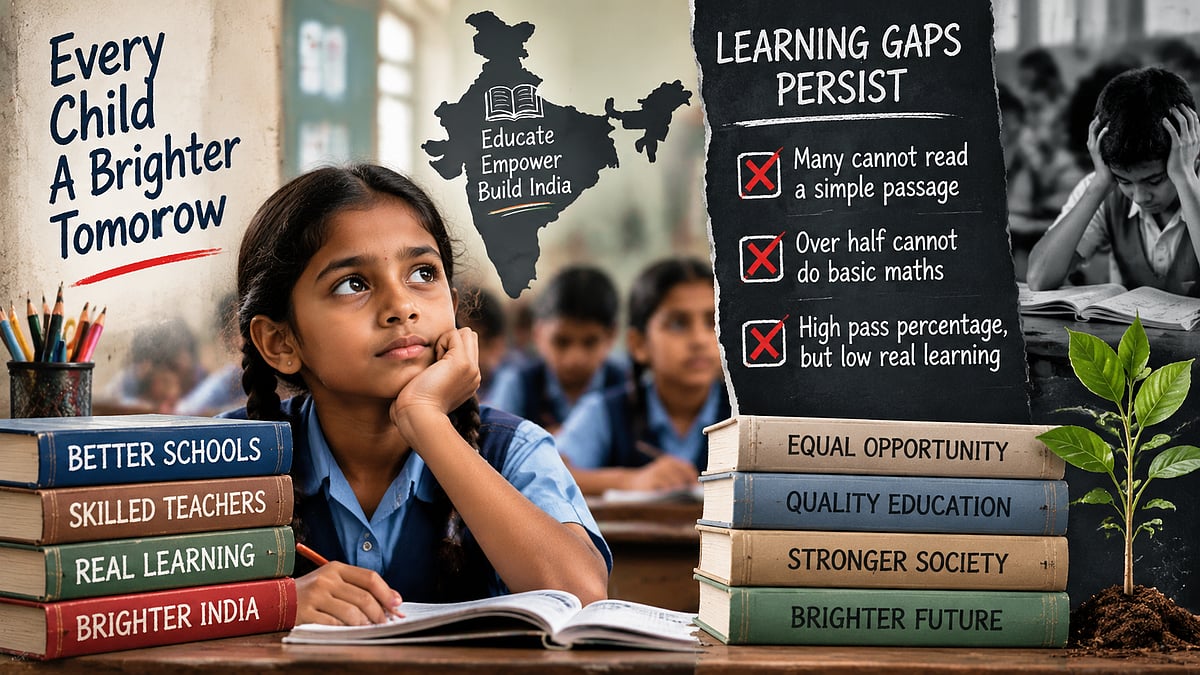
India’s School Crisis Deepens As Learning Outcomes Decline
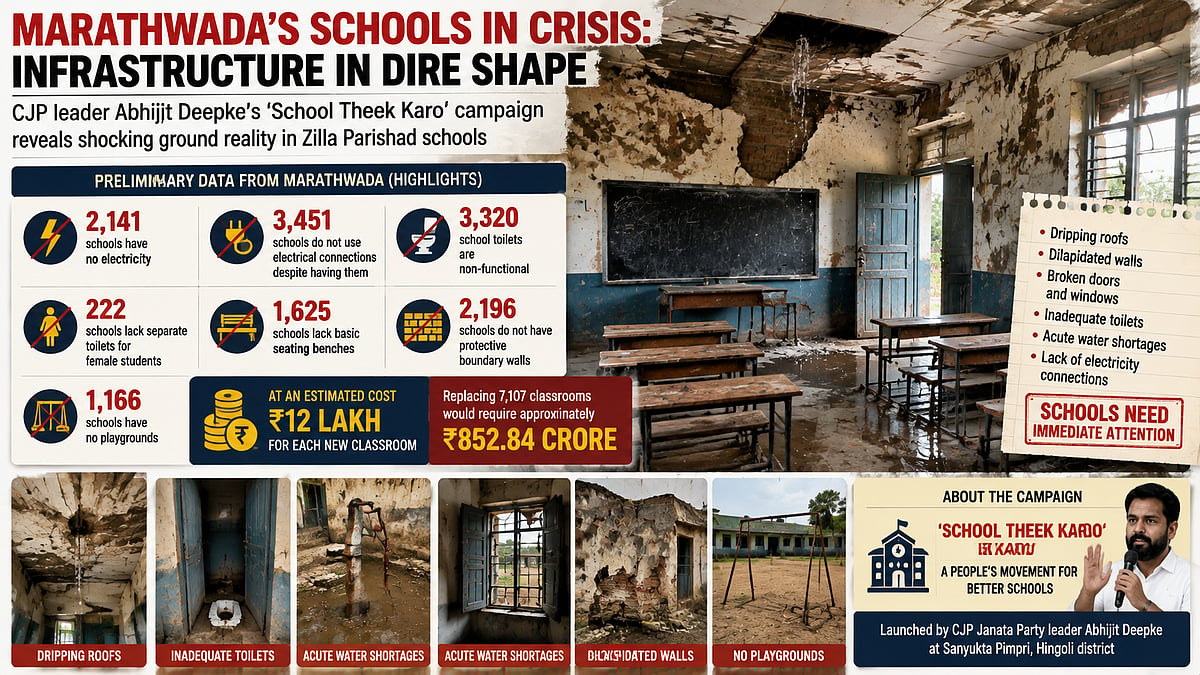
Campaign Finds 7,107 Dilapidated Classrooms in Marathwada Schools

Education Bus Yatra Demands Major Telangana School Reforms

Uttarakhand CM Flags Off 15 Waste Management Vehicles in Khatima

BJP President Says Public Trust Drives Repeated Electoral Victories
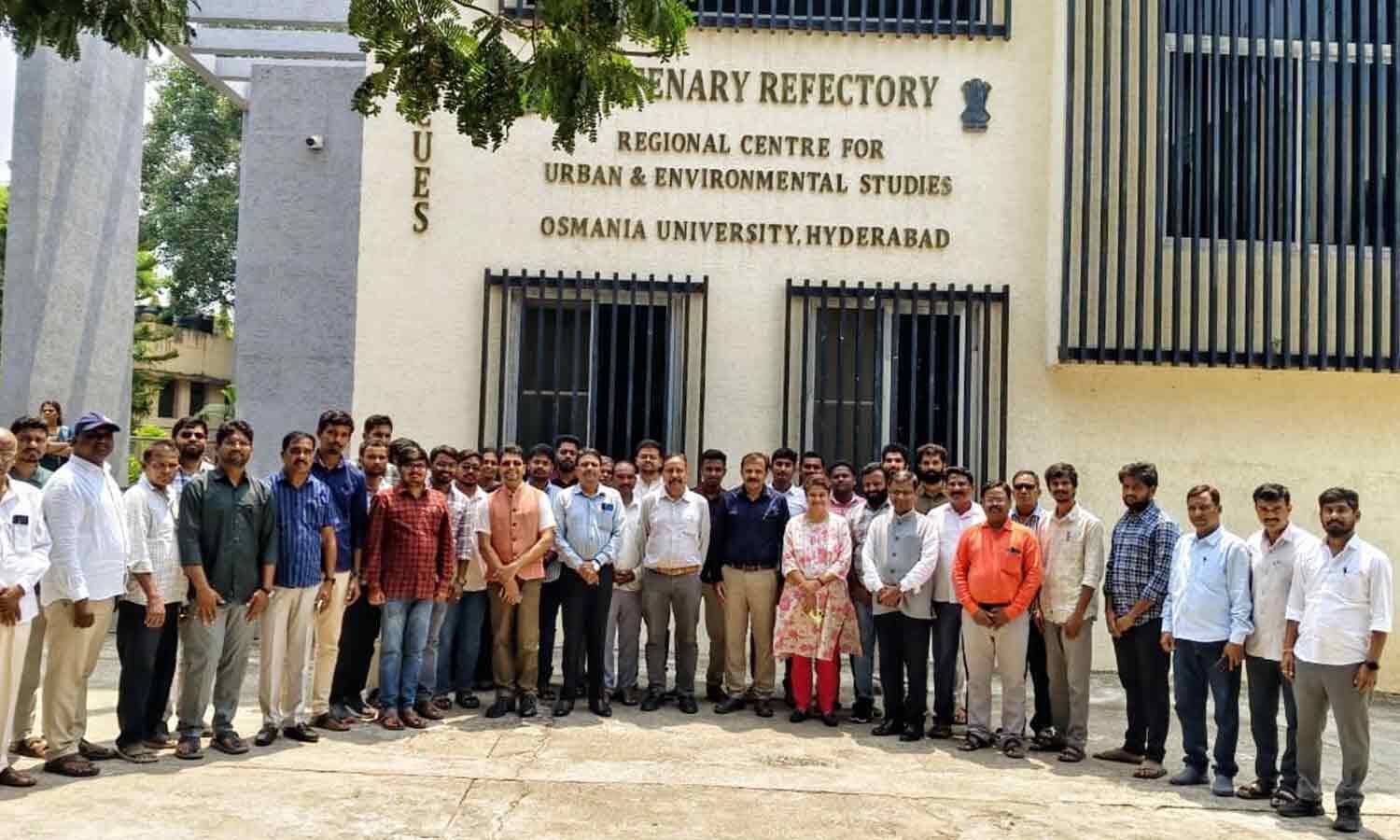
Telangana Ward Officers Complete Three-Day Sanitation Training Programme

Hyderabad Urged to Cut Water Losses and Reuse Wastewater