1 hr ago
New Study Finds 240,000 Plastic Particles Per Litre
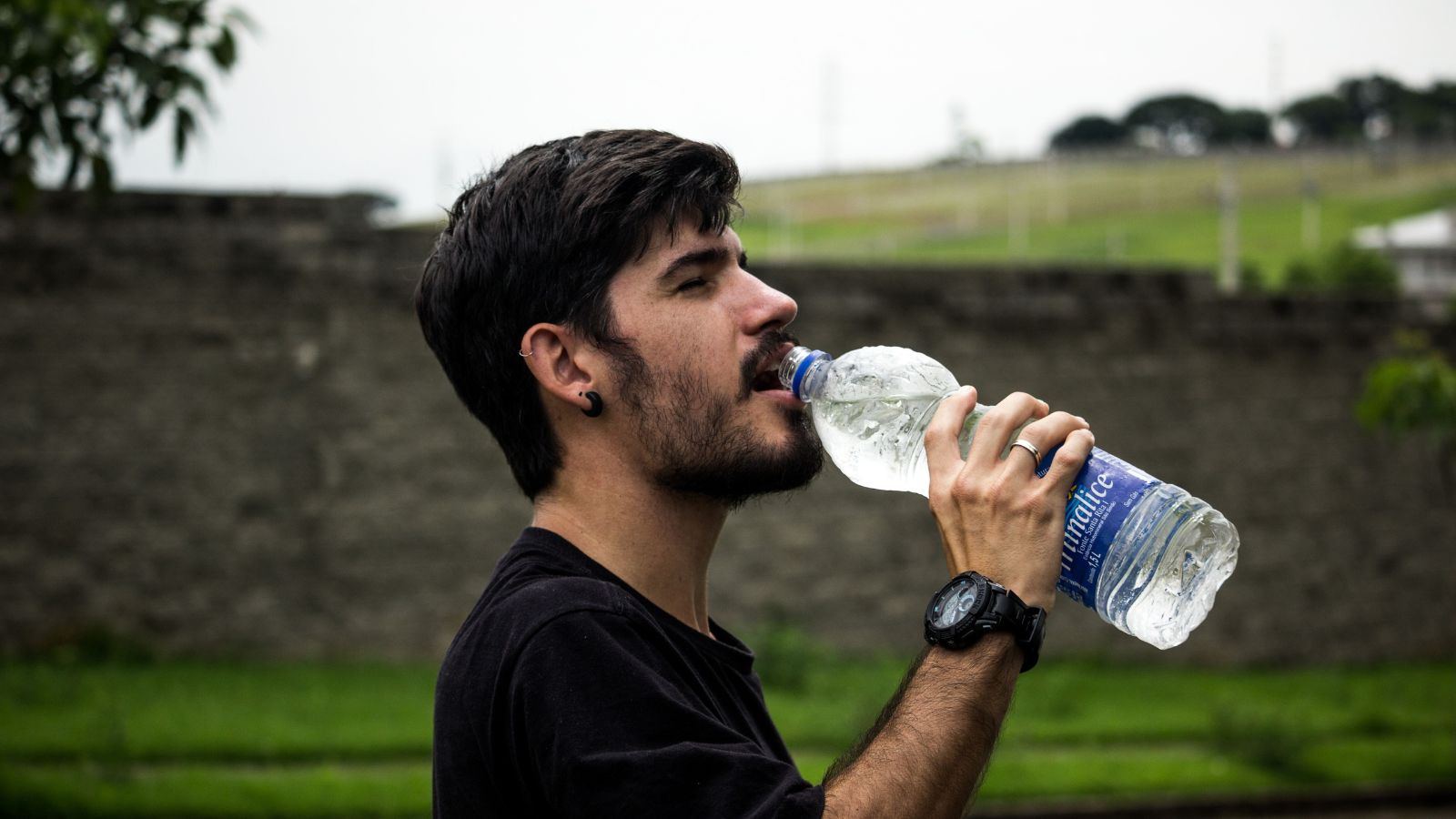
Scientists found many tiny plastic particles in some bottled water.
They counted about 240,000 particles in an average litre.
Most of the particles were nanoplastics, which are extremely small.
Some particles may come from the water, while others can come from the bottle or cap.
Twisting the cap can create friction that releases plastic pieces.
People can swallow these particles when they drink the water.
Larger particles usually pass through the body, but some very tiny particles may enter the bloodstream.
Scientists still do not know exactly how much plastic causes harm over time.
Boiling the water does not reliably remove the particles, while good filtration may reduce some of them.

Columbia University researchers found an average of about 240,000 plastic particles per litre in popular bottled-water brands.
Most detected particles were nanoplastics, which are smaller than conventional microplastics.
Plastic particles can come from water sources, manufacturing, transport, environmental contamination, and bottle-cap friction.
The World Health Organization says evidence about the long-term health effects of microplastics remains limited.
Boiling bottled water is not considered reliable for removing microplastics; quality filtration may reduce some particles.
- Who
- Researchers at Columbia University studied popular bottled-water brands, with health commentary from Ankur Garg and Dr Palleti Siva Karthik Reddy.
- What
- The researchers detected an average of about 240,000 plastic particles per litre, most of them nanoplastics.
- Where
- In popular bottled-water brands; the specific brands and locations are not stated.
- When
- The exact study date is not stated; the article refers to newer studies and earlier research.
- Why
- To detect and measure particles smaller than those identified by conventional testing methods.
Key facts
- Average level detected
- About 240,000 plastic particles per litre
- Particle type
- Most detected particles were nanoplastics
- Detection method
- Stimulated Raman Scattering microscopy
- Possible sources
- Water sources, manufacturing, bottling, transport, environmental contamination, and cap friction
- Health evidence
- Long-term health effects remain uncertain, according to the World Health Organization
- Boiling
- Not a reliable method for removing microplastics
- Potential reduction method
- Good-quality filtration, including some reverse-osmosis and fine-microfiltration systems, may capture a meaningful share of smaller particles
Quotes
Dr Palleti Siva Karthik Reddy
Consultant physician at Elite Care Clinic
“Heat may alter or deform some plastic particles, but it does not eliminate microplastics from water. In fact, heating water in a plastic bottle can potentially increase the release of plastic particles and other chemicals from the packaging, particularly if the bottle is exposed to high temperatures for prolonged periods.”
 indianexpress.com
“Some advanced systems, including certain reverse osmosis and fine microfiltration technologies, can capture a meaningful share of smaller particles, though research on how well point-of-use filters perform on their own is still developing.”
indianexpress.com
Sources
Related news

How to Choose Safer, Cleaner, More Sustainable Water Bottles

Why Water Testing Should Come Before Buying A Purifier

Why Water Purifier Filter Combinations Matter More Than Stage Counts
Panel Links 24 Indore Water Deaths to Sewage Contamination