1 hr ago
Rabies Prevention Requires Immediate Action After Animal Exposures
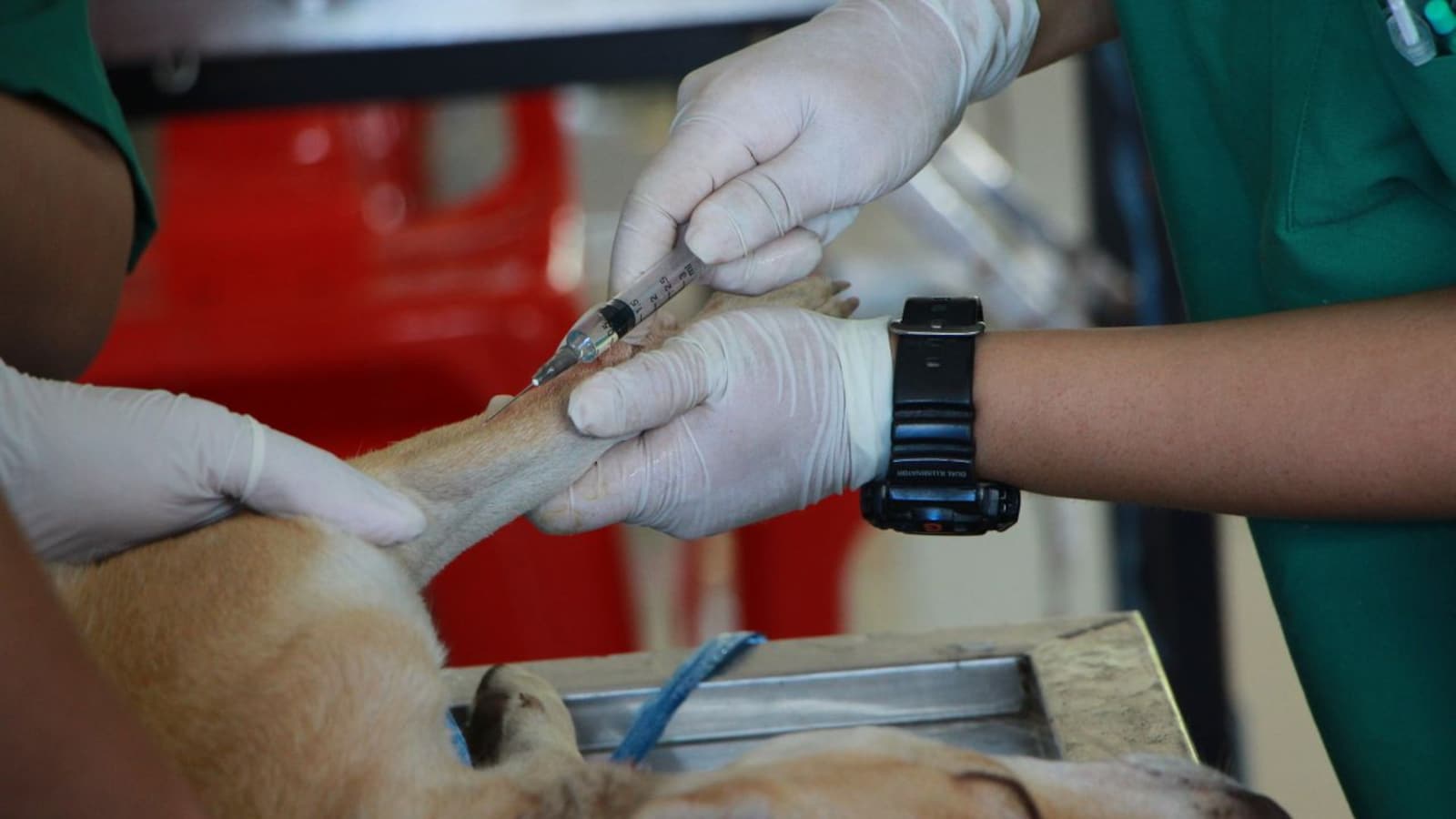
Rabies is a dangerous disease that can spread through bites or scratches from infected animals.
If symptoms begin, the disease is almost always deadly.
However, people can usually prevent it by acting quickly after an exposure.
The wound should be washed with soap and running water for at least 15 minutes.
A doctor may recommend rabies vaccines and, for serious exposures, rabies immunoglobulin.
People should not use home remedies such as turmeric or chilli instead of medical care.
Children may not always tell adults about a bite or scratch, so parents should take even small injuries seriously.
Keeping dogs vaccinated and caring responsibly for community animals can also help reduce rabies.

Rabies is virtually always fatal once clinical symptoms appear, but deaths can be prevented through prompt treatment after exposure.
WHO estimates cited in the article put India’s annual rabies deaths at 18,000 to 20,000, or 36% of global deaths.
After a bite or scratch, people should wash the wound with soap and running water for at least 15 minutes and seek medical care.
Post-exposure treatment may include wound cleaning, rabies vaccination and rabies immunoglobulin for severe Category III exposures.
Dog vaccination, sterilisation, responsible ownership, public education and access to treatment are all presented as part of rabies prevention.
- Who
- People exposed to potentially infected animals, particularly children, along with pet owners, community-animal caregivers and health authorities.
- What
- The article explains how rabies exposure should be treated and emphasizes prevention through wound washing, vaccination and responsible animal care.
- Where
- The article focuses on India and refers to advice discussed on NDTV Lifeline.
- When
- The guidance applies immediately after a bite or scratch; the discussion was published ahead of World Rabies Day on September 28.
- Why
- Rabies is virtually always fatal after clinical symptoms appear, while prompt post-exposure treatment can prevent the disease.
Human Safety Emphasis
Animal Welfare Emphasis
Responding to dog-bite risks
Human Safety Emphasis
Public-health concerns require immediate treatment after bites or scratches, stronger awareness and access to post-exposure care.
Animal Welfare Emphasis
Animal lovers and community-dog caregivers worry that emotional reactions to serious incidents could lead to harmful treatment of community dogs.
Responsibilities toward community dogs
Human Safety Emphasis
Community safety requires dog vaccination, sterilisation, awareness of animal behaviour and surveillance.
Animal Welfare Emphasis
Feeding and caring for community dogs should include responsibility for their sterilisation and vaccination, rather than treating animal welfare and human safety as opposing goals.
Key facts
- India’s estimated annual rabies deaths
- 18,000 to 20,000, according to WHO estimates cited in the article
- India’s share of global rabies deaths
- 36%, according to the WHO estimates cited
- Immediate wound care
- Wash with soap and running water for at least 15 minutes
- Post-exposure treatment
- May include wound washing, rabies vaccination and rabies immunoglobulin
- Category III exposure
- Severe exposures may require rabies immunoglobulin in addition to vaccination
- Children’s vulnerability
- WHO says children under 15 account for 40% of people globally bitten by animals suspected of having rabies
- World Rabies Day
- September 28
Quotes
Dr Simmi Tiwari
Officer-in-Charge, Centre for One Health, and Programme Officer for the National Rabies Control Programme at the National Centre for Disease Control
“Wash the wound immediately and thoroughly with soap and running water for at least 15 minutes and seek medical attention. Post-exposure prophylaxis can include wound washing, rabies vaccination and, for severe Category III exposures, rabies immunoglobulin”
 NDTV
NDTV
“Never dismiss a scratch or bite because it looks small as children may not always tell their parents they have been bitten or scratched. They may be frightened or simply not realise its significance. That makes awareness at home crucial”
NDTV
Sources
Related news

Bhutan Eliminates Dog-Transmitted Rabies; Experts Urge Prompt Action

World Rabies Day 2026 Urges Collective Action Against Deadly Disease
Get Rabies Vaccine Immediately After a Dog Bite
World Rabies Day Highlights Rabies Risks, Prevention And Treatment

Stray Dog Seriously Injures Four-Year-Old Girl in Panna

Nagarkurnool Students Learn About Snakebite Safety and Conservation

Xi Jinping and Peng Liyuan: China’s High-Profile Political Couple

ASHA Workers Share Six Ways to Prevent Dengue and Malaria

China Expands UN Influence as Trump Pulls Back