1 hr ago
How Teachers Can Protect Their Knees and Back
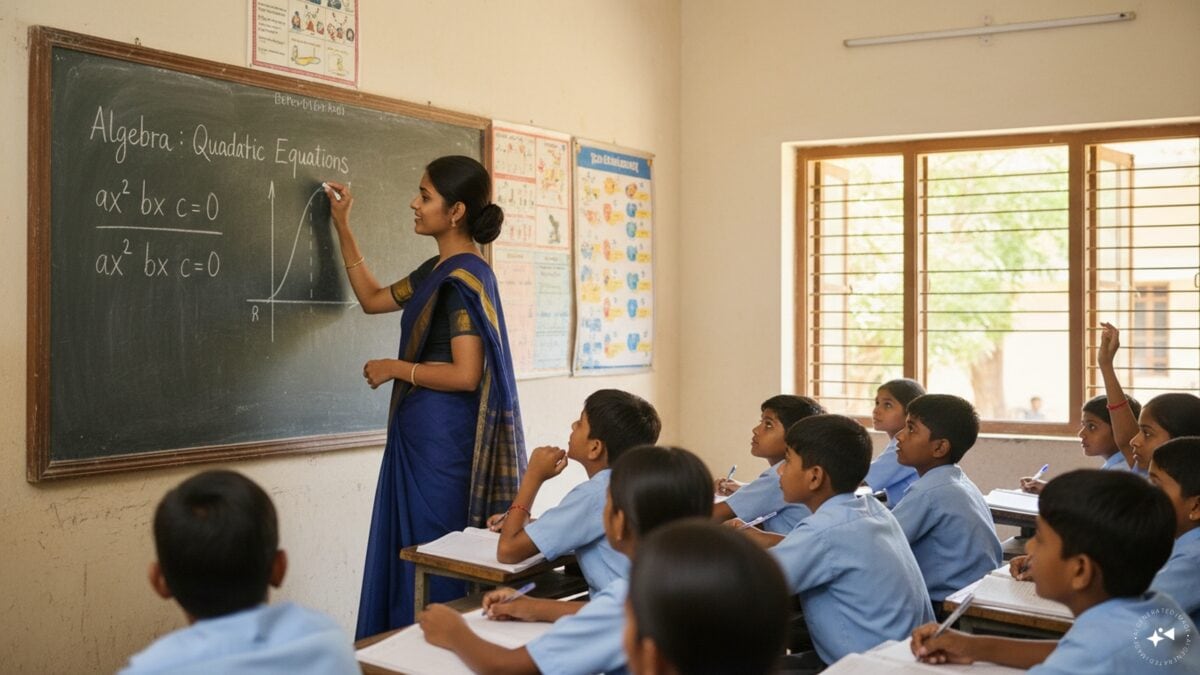
Teachers often stand while teaching and sit while grading papers.
Staying in one position for too long can make the feet, knees, and back hurt.
Standing may cause heel pain, while sitting can make the knees and spine stiff.
Locking the knees or twisting the body at the board can add extra strain.
Looking down at phones and laptops can also hurt the neck and upper back.
Teachers can help their bodies by moving often and keeping their knees relaxed.
Supportive shoes, a cushioned mat, and a properly positioned chair may also help.
Strong or lasting pain should be checked by an orthopaedic specialist.

Long periods of standing and sitting can contribute to heel, knee, back, and spine pain.
Locking the knees, twisting while writing, slouching over screens, and wearing unsupportive footwear may worsen strain.
Teachers are advised to keep their knees slightly bent, change positions regularly, and face the board directly.
Supportive shoes, anti-fatigue mats, ergonomic seating, and movement breaks can help reduce discomfort.
Sharp radiating pain, swollen or unstable joints, persistent morning heel pain, or worsening pain require specialist attention.
- Who
- Teachers and educators; the guidance is provided by Dr Krunal Thakkar, Consultant Orthopaedic, Trauma, Arthroplasty Surgeon at Sterling Hospital, Gandhidham.
- What
- The article explains how prolonged standing and sitting can affect teachers’ musculoskeletal health and offers prevention advice.
- Where
- In classroom settings, including time spent at whiteboards, desks, and screens.
- When
- The article was first published and last updated on September 5, 2026.
- Why
- Teachers regularly alternate between prolonged standing and sitting, which can strain the heels, knees, back, spine, and neck.
Key facts
- Main risks
- Plantar fasciitis, knee discomfort, lower-back pain, spinal stiffness, and upper-back or neck strain.
- Standing advice
- Keep the knees slightly soft and shift weight from one leg to the other every 15–20 minutes.
- Sitting advice
- Keep feet flat on the floor, bend the knees at about 90 degrees, and avoid crossing the legs.
- Movement guideline
- For every 50 minutes of sitting or standing, take a five-minute movement break.
- Footwear
- Use shoes with shock absorption and arch support; custom orthotic insoles may also be considered.
- Workplace aid
- Place a cushioned anti-fatigue mat near the whiteboard or other areas where standing is frequent.
- Warning signs
- Seek specialist advice for radiating pain, persistent morning heel pain, swollen or unstable joints, or pain worsening for two to three weeks.
Sources
Related news
Ultra-Flat Shoes Spark Back Pain Concerns, Orthopaedic Doctors Warn
Prolonged Phone and Laptop Use Can Harm Spine Health
Laptop Posture May Strain The Neck, Surgeon Warns
Standing too long can damage veins, doctors warn
Experts Share Easy Tips for Better Hip Mobility
Shakeela's Rs 3 Lakh Neck Surgery Highlights Tech Neck Risks
Police Say Kutch Duplicate Liquor Chemicals Came From Outside Gujarat

Gujarat High Court Grants Bail Over ‘Marwari Man’ Gap

Ahmedabad rail division reports record freight loading on Independence Day

Western Railway completes Samakhiali-Bhachau rail quadrupling project in Gujarat