

3 weeks ago
Saudi Arabia, Turkey, Pakistan Sign NATO-Like Defense Pact in Mecca
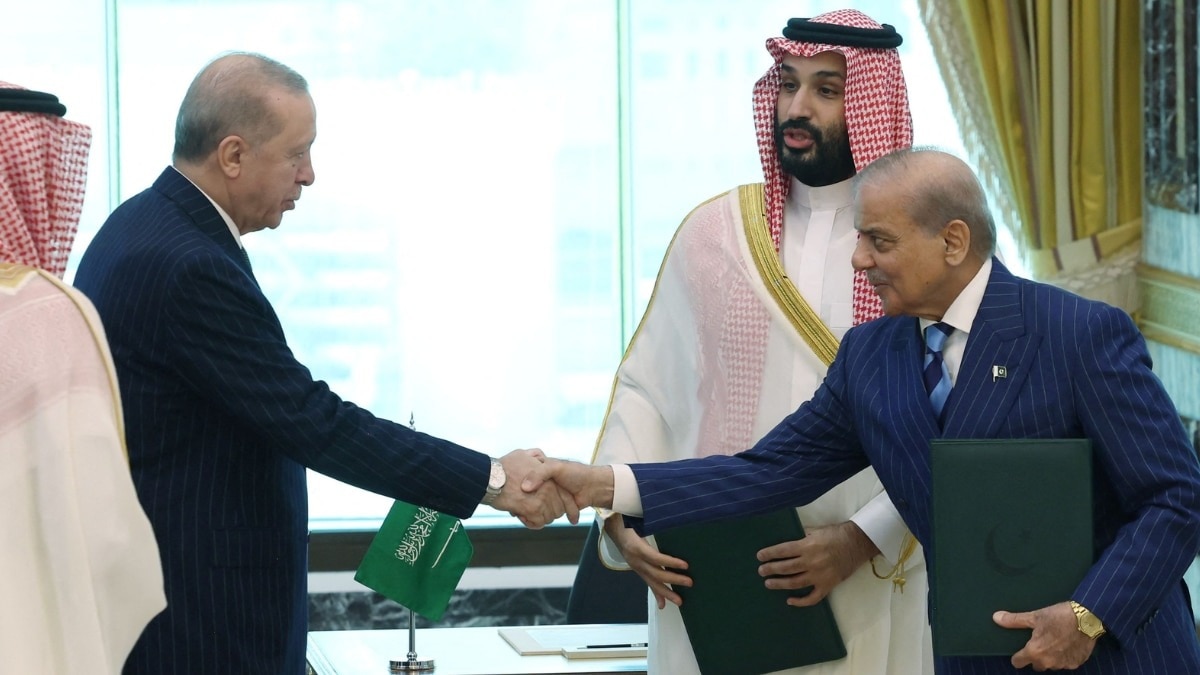
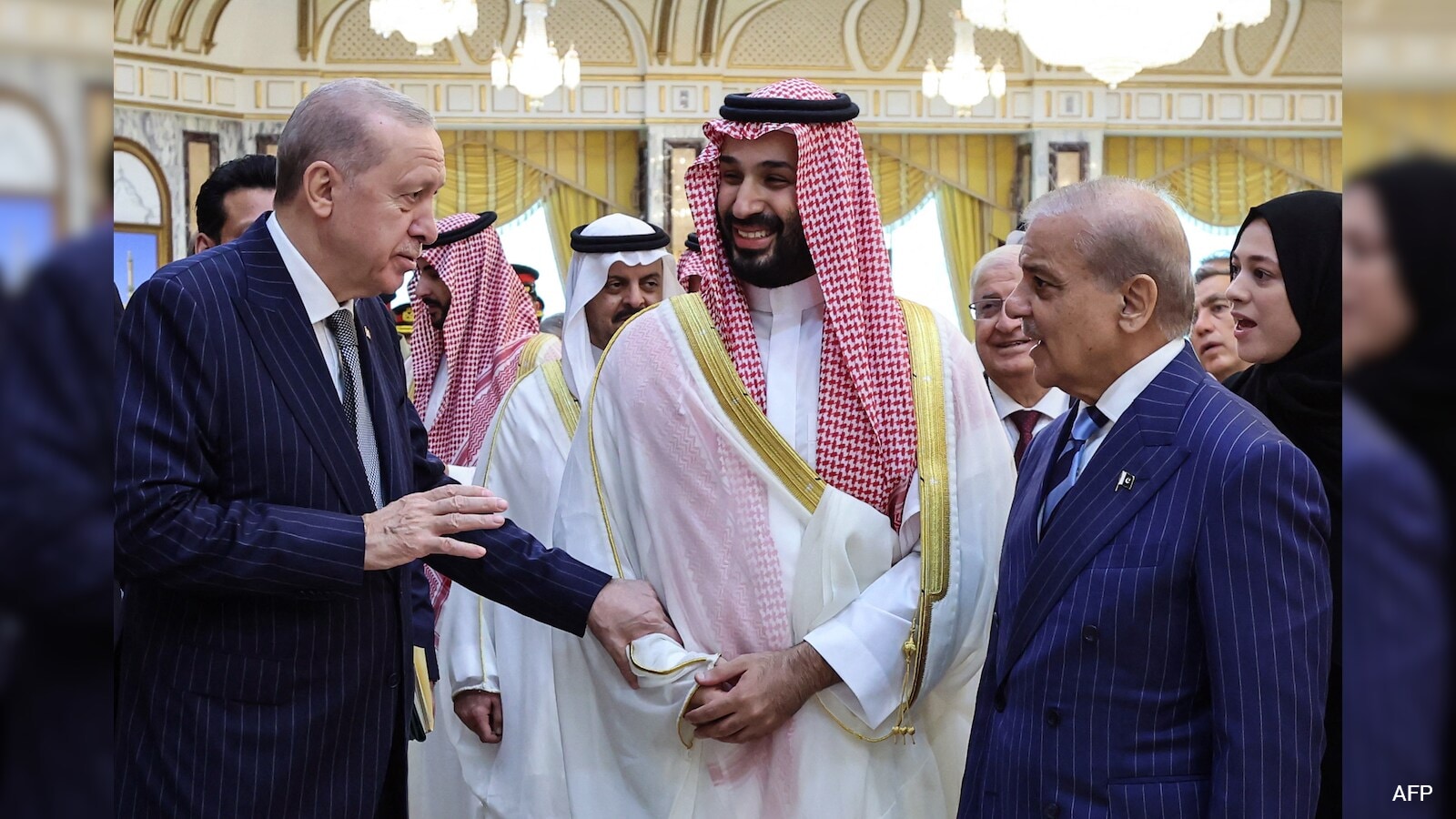
Three countries, Saudi Arabia, Turkey, and Pakistan, made a special promise to help protect each other.
They signed the promise in the city of Mecca in Saudi Arabia.
It is like when friends agree that if someone is mean to one of them, they will all stand up together.
Saudi Arabia is worried because rockets and attacks have hit its airports and oil places.
Iran has attacked parts of Saudi Arabia in a big war happening in the region.
Saudi Arabia also feels that its big friend, the United States, is not protecting it as much as before.
Some nearby countries, like Qatar, think talking to Iran is a better idea than fighting.
Other countries, like Bahrain, want to be tougher on Iran.
Some smart adults disagree about whether the new promise will really work in an emergency.
They are not sure Turkey and Pakistan would actually come to help if a real attack happened.

Saudi Arabia, Turkey and Pakistan signed a NATO-like defence agreement in Mecca under which an armed attack on any one is treated as an attack on all three.
Israeli expert Citrinowicz said the pact reflects Saudi disappointment with US security support and a feeling of exposure to Iranian and Houthi threats.
The article states Iran has struck Saudi targets including Riyadh, Prince Sultan Air Base, King Khalid International Airport, and the Ras Tanura and Yanbu oil facilities.
Harvard professor Tarek Masoud described Saudi Arabia as the 'swing voter' between the harder-line UAE and Bahrain and the more cautious Qatar and Oman.
Husain Haqqani reportedly played down the pact as 'more symbolic than substantive,' while Citrinowicz questioned whether the partners would actually respond together in a real crisis.
- Who
- The governments of Saudi Arabia, Turkey and Pakistan, with commentary from Israeli expert Citrinowicz, Harvard professor Tarek Masoud and Husain Haqqani.
- What
- Signed a NATO-like trilateral defence agreement in Mecca establishing collective deterrence against aggression.
- Where
- Mecca, Saudi Arabia.
- When
- Last week, relative to the article's publication; no specific date is given.
- Why
- To strengthen collective deterrence as Gulf states feel exposed to Iranian and Houthi attacks and disappointed with US security support.
De-escalation
Deterrence
Value of the trilateral pact
De-escalation
The pact is largely symbolic: Husain Haqqani played it down as 'more symbolic than substantive,' and Citrinowicz questioned whether partners would actually respond together if Iran or the Houthis attacked Saudi Arabia.
Deterrence
The agreement is a serious NATO-like collective defence pact in which an armed attack on any one member is treated as an attack on all three, strengthening collective deterrence against aggression.
Approach to Iran
De-escalation
Engage and de-escalate: Qatar and some elements in Saudi Arabia want to maintain engagement with Tehran because 'you cannot push Iran into a corner,' and the US approach pushed Riyadh toward de-escalation, echoing the 2023 detente with Iran.
Deterrence
Pressure and deterrence: Bahrain is more supportive of Israel and wants expanding pressure on Iran; Masoud said the Saudis would have backed an aggressive US campaign against Iran if Washington had committed troops and pursued regime change.
Key facts
- Event
- Signing of a NATO-like trilateral defence agreement
- Signatories
- Saudi Arabia, Turkey, Pakistan
- Location
- Mecca, Saudi Arabia
- Timing
- Last week (no specific date given)
- Core provision
- An armed attack on any one member is regarded as an attack on all three
- Stated purpose
- Strengthening collective deterrence against aggression
- Iranian strikes cited
- Riyadh, Prince Sultan Air Base, King Khalid International Airport, Ras Tanura and Yanbu oil facilities
- Context
- Saudi disappointment with US security support amid the ongoing war and the Iran-backed Houthi threat
Quotes
Jerzy Citrinowicz
Security analyst cited by the article
“The Saudis are quite disappointed, and they're feeling exposed to the Iranian and Houthi threat.”
 businesstoday.in
Tarek Masoud
Harvard professor commenting on US strategy
“If the United States had been willing to go in and go in hard and commit troops and basically fulfill the most expansive version of the dream to hit Iran, the Saudis would have fallen in line.”
businesstoday.in
Sources
Related news
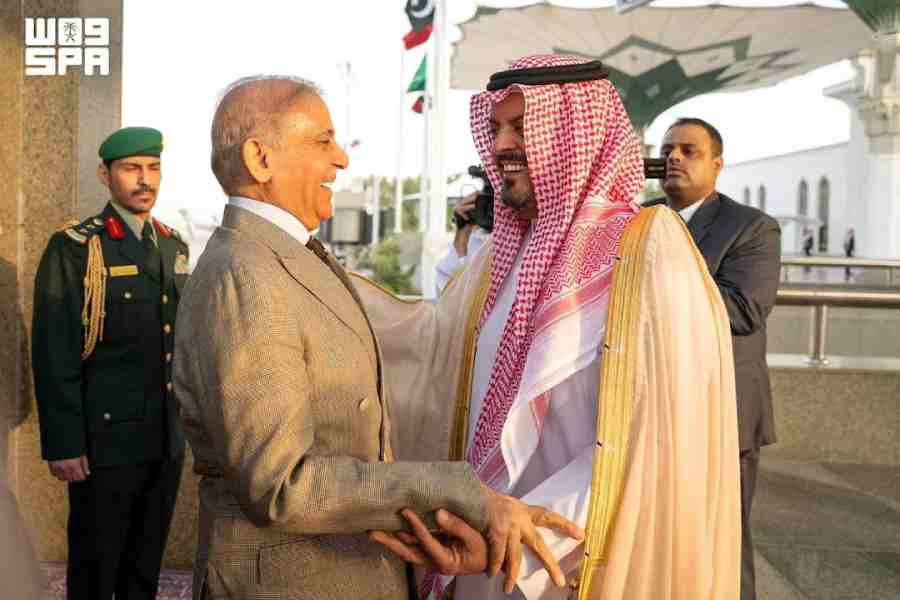
Pakistan, Saudi Arabia and Turkey Sign Mutual Defence Pact
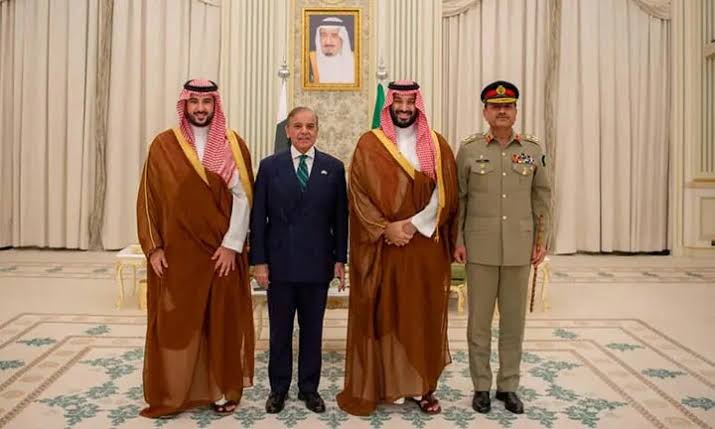
Saudi Arabia, Turkey and Pakistan Sign Joint Defence Pact
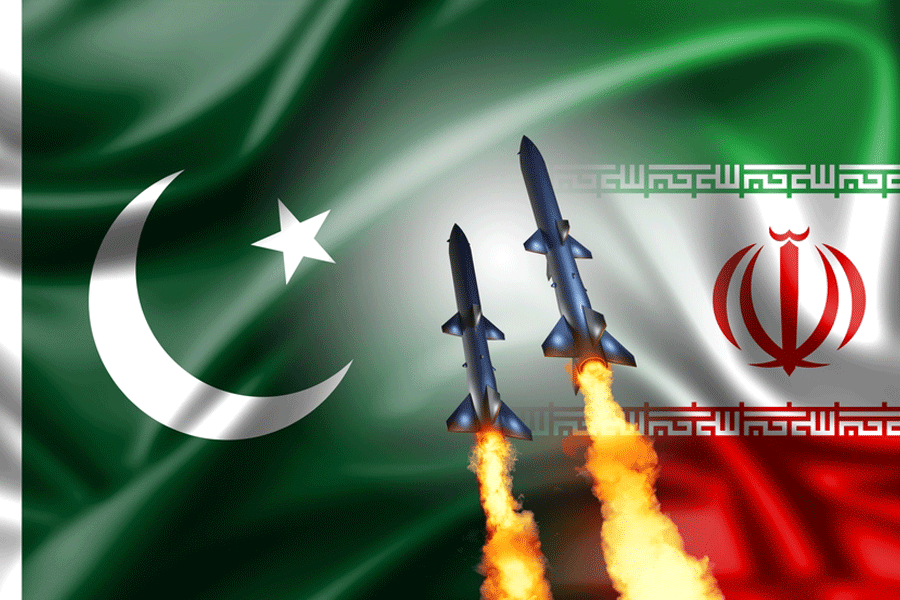
Paper Agreement With Turkiye, Pakistan Won't Secure Saudis: Iranian MP
Saudi Arabia, Turkey, Pakistan Sign Joint Defence Pact in Mecca
Pakistan-Saudi-Turkey NATO-Style Defence Pact Aims to Deter Iran

Saudi Arabia, Turkey, Pakistan Sign Mecca Defence Agreement

Saudi Arabia Says Iranian Tanker Attack Killed Two Sailors

Indian Seafarers Face Risks Sailing Through Strait of Hormuz
US Launches Strikes on Iran After Attacks on Bases
Bessent Predicts Pipelines Will Bypass Strait of Hormuz
Qatar Urges United States and Iran to Resume Talks
