3 weeks ago
Pakistan-Saudi-Turkey NATO-Style Defence Pact Aims to Deter Iran
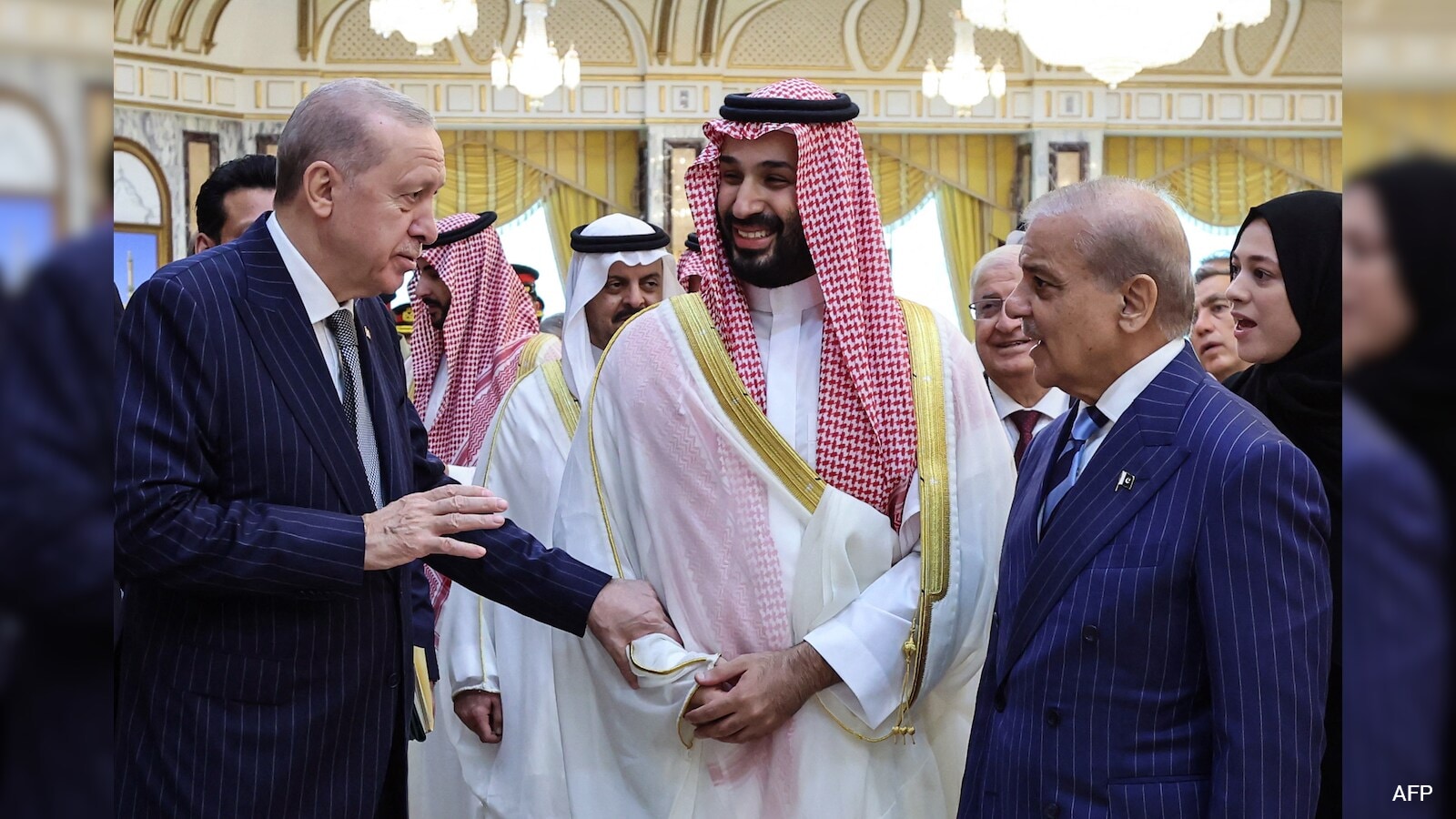
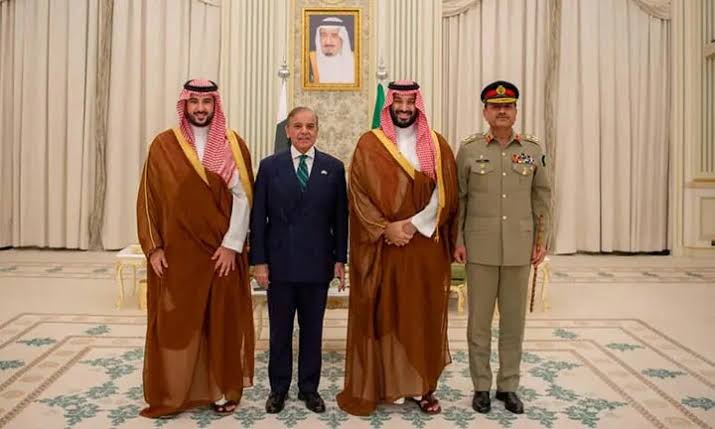
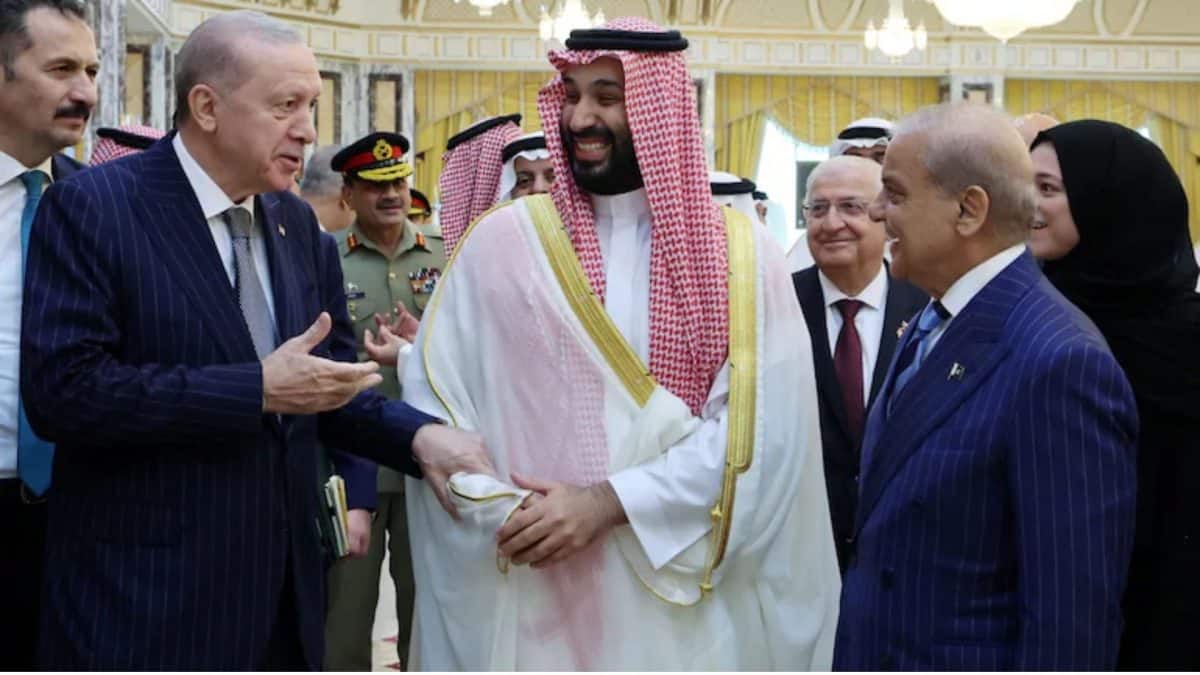
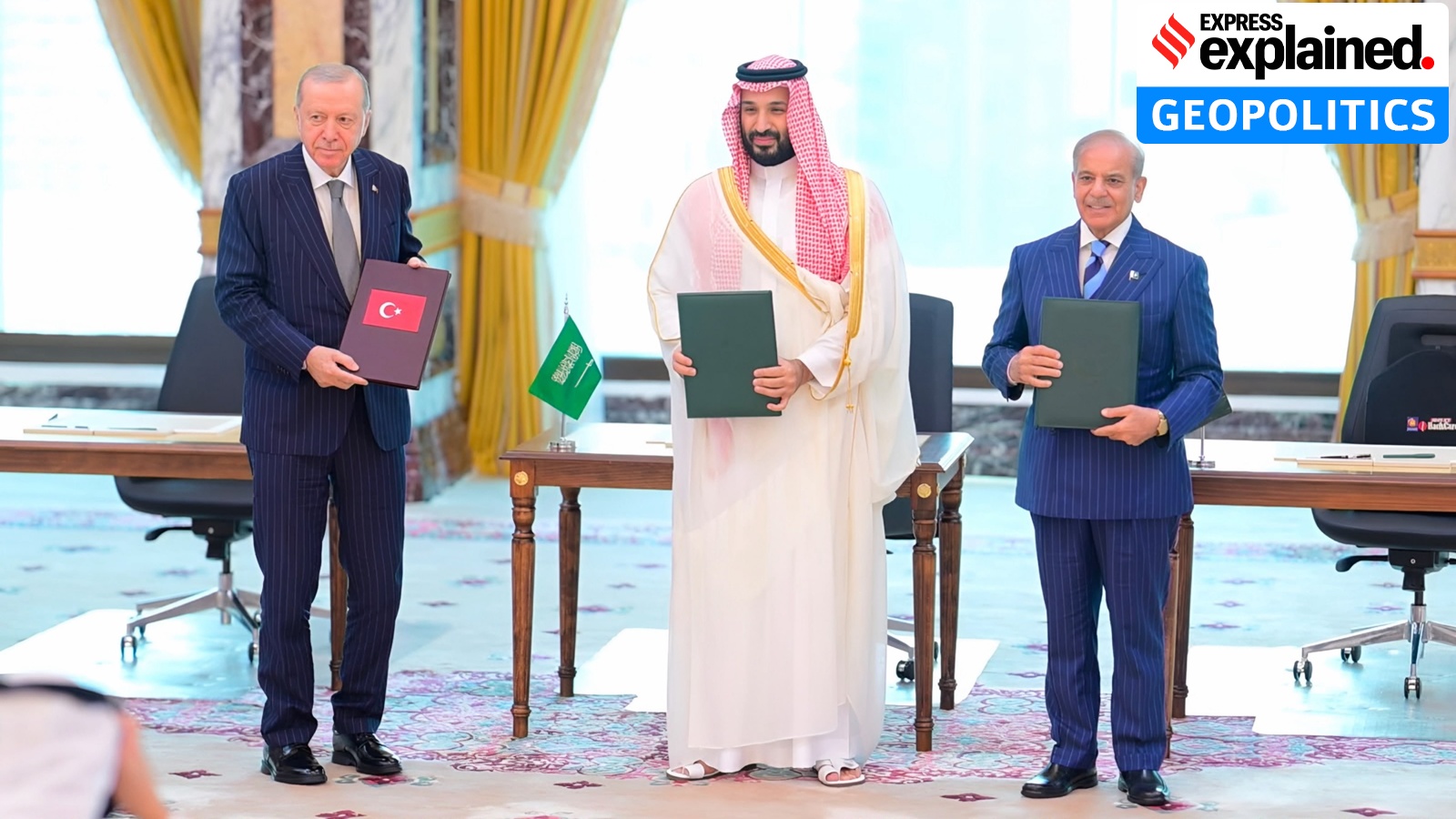
Three countries — Saudi Arabia, Turkey and Pakistan — made a special promise to help each other if one of them is attacked.
It works a bit like NATO, where an attack on one member is treated as an attack on all of them.
They signed this promise in Mecca, a very holy city for Muslims.
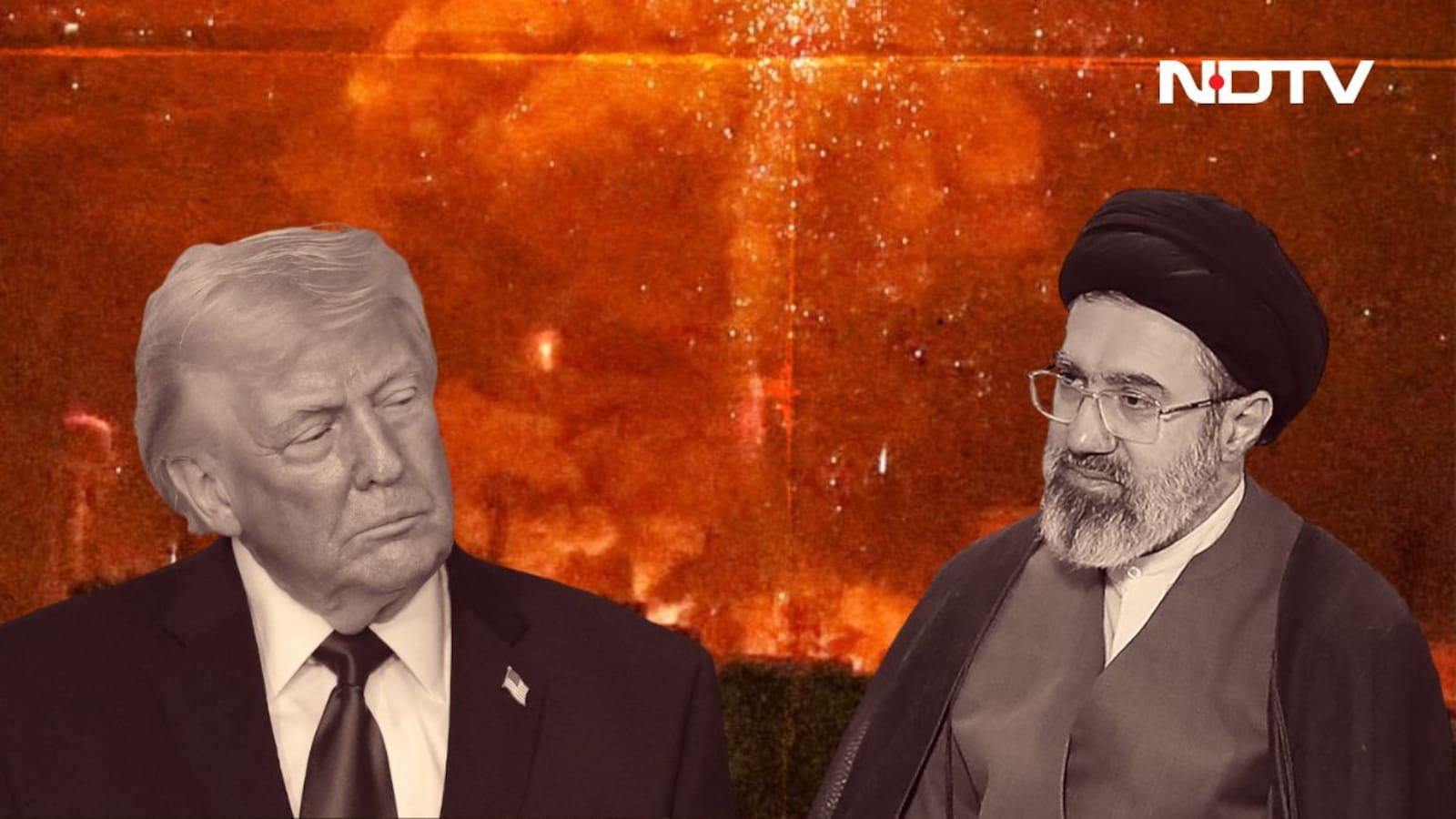
The countries are worried about Iran, and they also feel the United States has not been able to protect them well enough lately.
Each country brings something different: Saudi Arabia has lots of money, Turkey has factories and technology, and Pakistan has a strong army.
Some experts who study these things think the countries will try to talk and make peace instead of actually fighting.
The agreement is also a message to Israel that these countries want to see real progress for Palestinian people too.
Even though the promise sounds strong, many analysts think it will mostly be a symbol rather than real action.
Still, it shows that the region is looking for new ways to stay safe beyond relying on the United States.

Saudi Arabia, Turkey and Pakistan signed a NATO-style defence pact in Mecca with a clause treating an attack on one member as an attack on all.
Analysts say the new alliance aims to deter Iran, offset an unreliable United States and send a message to Israel.
Experts widely doubt the mutual-defence clause will be enforced, expecting Pakistan and Turkey to act as intermediaries in the Middle East war.
The three countries are seen as complementary: Saudi wealth, Turkish technology and manufacturing, and Pakistani manpower and nuclear deterrence.
The pact consolidates US allies into an alternative security architecture that rejects Israeli hegemony, complicating Washington's push for Saudi-Israel normalisation.
- Who
- Saudi Arabia, Turkey and Pakistan
- What
- A NATO-style defence pact whose mutual-defence clause treats an attack on one member as an attack on all.
- Where
- Mecca, Saudi Arabia
- When
- Signed nearly six months into the ongoing Middle East war.
- Why
- To deter a bellicose Iran, offset an unreliable US security guarantee and send a signal to Israel.
Alliance as a genuine security deterrent
Alliance as a symbolic gesture
Will the mutual-defence clause be enforced?
Alliance as a genuine security deterrent
The NATO-style clause formally binds the three countries to treat an attack on one as an attack on all, projecting deterrence against Iran.
Alliance as a symbolic gesture
Analysts doubt the clause will be enforced; Turkey and Pakistan view themselves as stabilisers and would not fight Iran, preferring political mediation.
Can the trio replace US security guarantees?
Alliance as a genuine security deterrent
Combining Saudi wealth, Turkish technology and Pakistani manpower gives the alliance a powerful punch and fills the gap left by weakened American deterrence.
Alliance as a symbolic gesture
The trio cannot replace the United States, which remains central to their security; the pact mainly sends a politically symbolic signal to Iran and Israel.
Should regional security include Israel?
Alliance as a genuine security deterrent
The pact forms an alternative security architecture that rejects Israel's hegemony, and the US push to integrate Israel into regional alliances is not served by it.
Alliance as a symbolic gesture
Washington remains keen for Saudi Arabia to normalise ties with Israel via the Abraham Accords and to build a regional alliance that includes its close ally.
Key facts
- Member countries
- Saudi Arabia, Turkey, Pakistan
- Key clause
- An attack on one member is treated as an attack on all (NATO-style)
- Signing location
- Mecca, Saudi Arabia
- Timing
- Signed nearly six months into the Middle East war
- Stated aims
- Deter Iran, offset an unreliable US, send a message to Israel
- Prior pact
- Saudi Arabia and Pakistan signed a similar agreement last year
- Expert assessment
- Mutual-defence clause unlikely to be enforced; pact largely symbolic
- Israel stance
- Saudi Arabia will not normalise ties without a path to Palestinian statehood
Quotes
Andreas Krieg
Lecturer in security at King’s College London
“"Turkey has technology and manufacturing capacity but needs markets and investment. Pakistan has manpower, military institutional depth and nuclear deterrence but needs financing and industrial opportunities."”
 NDTV
NDTV
“The new alliance shows "American deterrence has been significantly weakened and that the Iranian threat will increasingly need to be managed by regional powers."”
NDTV
Sources
Related news
Saudi Arabia, Turkey, Pakistan Sign Joint Defence Pact in Mecca
Pakistan, Saudi Arabia and Turkey Sign Mutual Defence Pact
Saudi Arabia, Turkey and Pakistan Sign Joint Defence Pact
US faces diminished West Asia role after Pakistan-Turkiye-Saudi pact
Saudi Arabia, Turkey, Pakistan Sign Mecca Joint Defence Agreement

Saudi Arabia, Turkey, Pakistan Sign Mecca Defence Agreement
US-Iran Strikes Escalate as Tehran Warns of New Strategy
Trump Warns of Fresh Iran Strike After Heavy Attack

Trump Says US Could Attack Iran Again at Will

U.S. Treasury Yields Ease as Jobs Data Misses Expectations
Iran Seizes Fuel-Smuggling Vessel in Gulf, Arrests 11 Crew