1 day ago
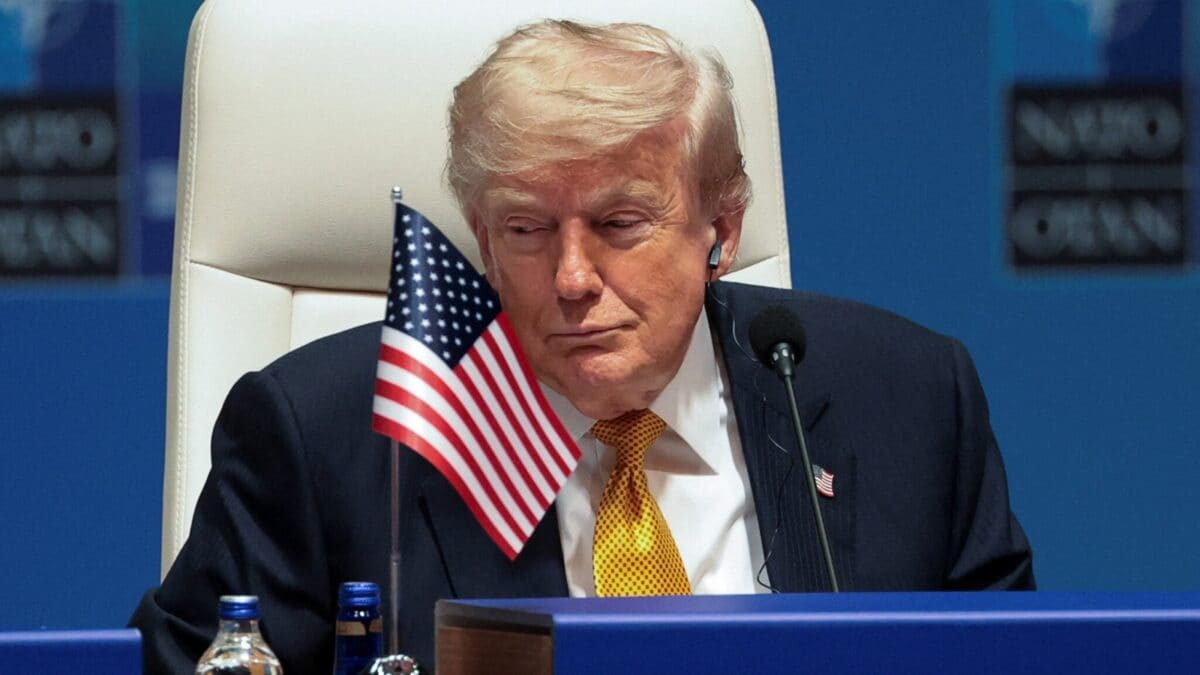
Iran Signals Ceasefire Return If US Honors Commitments

Iran and the United States had agreed to stop fighting in June.
Their agreement also called for talks about a bigger peace deal.
Iran said it would return to the agreement if the United States did the same.
The deal included allowing ships through the Strait of Hormuz and ending some U.S. pressure on Iran.
The agreement later broke down because both sides accused each other of breaking it.
The countries recently exchanged attacks again after a quieter period.
Iran’s Revolutionary Guard wants additional promises from the United States.
Two tanker incidents were also reported near the waterway, but no deaths were reported.

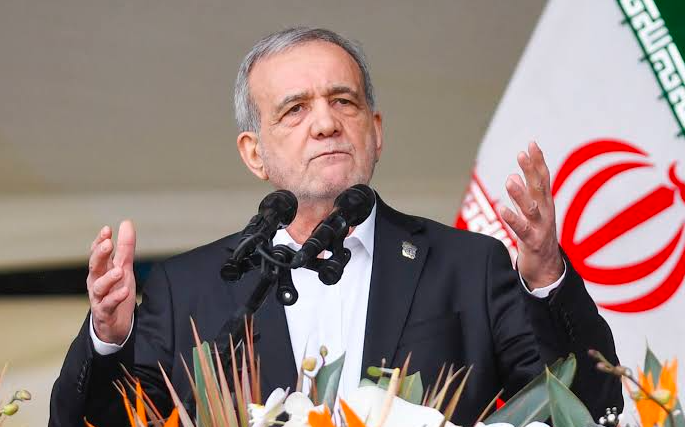
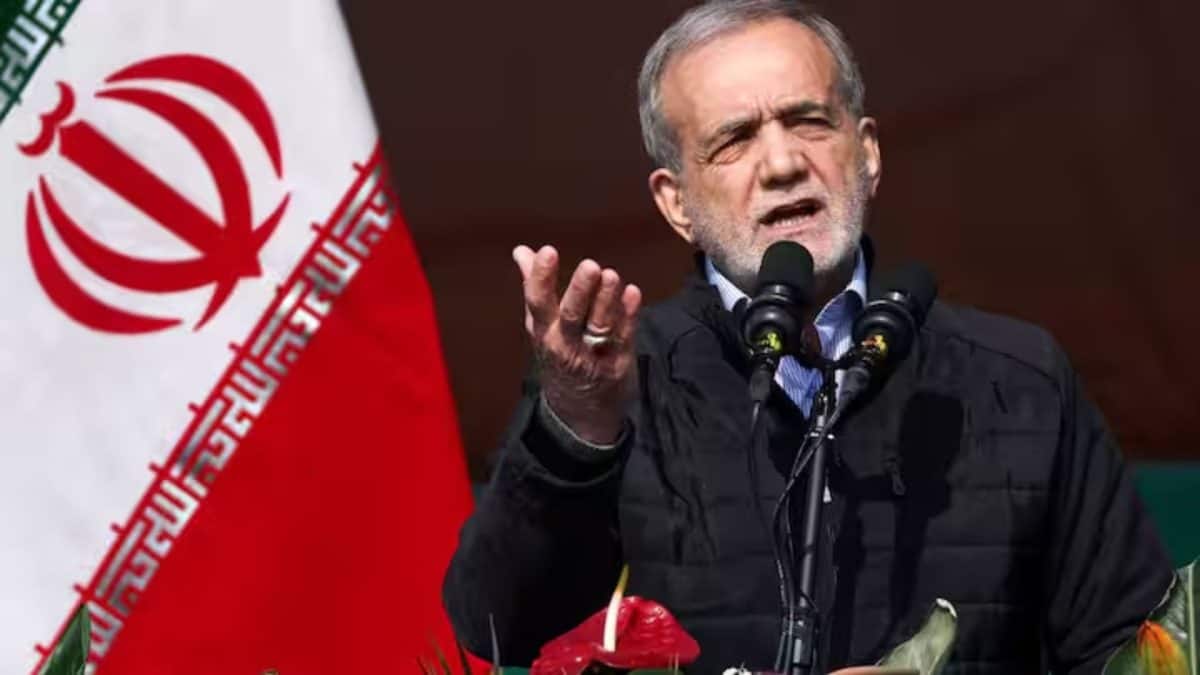
President Masoud Pezeshkian said Iran would immediately reciprocate if the United States resumed its June ceasefire commitments.
The June memorandum called for a ceasefire, 60 days of negotiations, mine clearance in the Strait of Hormuz and reopened shipping.
U.S. commitments included ending the naval blockade, lifting sanctions, granting oil-export waivers and supporting reconstruction.
The agreement collapsed after Washington and Tehran accused each other of violations, followed by renewed exchanges of fire.
Iran’s Revolutionary Guard is reportedly seeking control of the Strait of Hormuz and compensation, while two nearby tanker incidents were reported without casualties.
- Who
- Iranian President Masoud Pezeshkian, the Iranian government, the United States, Iran’s Islamic Revolutionary Guard Corps and Russia’s President Vladimir Putin.
- What
- Iran signaled that it would return to the June ceasefire memorandum if Washington resumed its commitments, amid renewed fighting and maritime incidents near the Strait of Hormuz.
- Where
- Pezeshkian spoke at the Shanghai Cooperation Organisation summit in Kyrgyzstan; the fighting and maritime incidents occurred around the Strait of Hormuz, Larak Island, Jordan and Oman.
- When
- Pezeshkian made the statement Tuesday, September 1; the latest reported exchanges and tanker incidents occurred Monday or over the weekend, according to the articles.
- Why
- Iran said it would reciprocate if the United States honored the memorandum, while the Revolutionary Guard is reportedly seeking additional concessions and the United States continues military and economic pressure.
Iran’s Position
United States’ Reported Position
Reviving the ceasefire
Iran’s Position
Pezeshkian said Iran would immediately take reciprocal action if Washington returned to its commitments under the June memorandum.
United States’ Reported Position
The articles report no new U.S. response; Washington continues military pressure and has threatened further action.
Additional concessions
Iran’s Position
Iran’s Revolutionary Guard is reportedly pressing for Iranian control of the Strait of Hormuz and financial compensation for war damage.
United States’ Reported Position
The articles say those conditions would likely be unacceptable to Washington.
Strait of Hormuz
Iran’s Position
Iran says it would reopen the waterway and fulfill its mine-clearance and shipping commitments if the United States did the same, while it currently restricts traffic.
United States’ Reported Position
The United States maintains a naval blockade of Iranian ports and has carried out attacks connected to the maritime conflict.
Key facts
- June memorandum
- The agreement established an immediate ceasefire and a 60-day period for negotiations toward a broader peace deal.
- Iranian commitments
- Iran agreed to clear mines from the Strait of Hormuz and allow ships to pass through the waterway.
- U.S. commitments
- The United States agreed to end its naval blockade, lift sanctions, issue waivers for Iranian oil exports and begin work on reconstruction.
- Agreement status
- The memorandum collapsed after Washington and Tehran accused each other of violating its terms.
- Renewed attacks
- The United States targeted Iranian missile launchers on Larak Island, while Iran fired missiles at U.S. facilities in Jordan; the missiles were intercepted.
- Tanker incidents
- A tanker was reportedly hit by three projectiles east of Oman, while a second incident involved a tanker and military forces nearby.
- Reported casualties
- No casualties were reported in either tanker incident, and no environmental impact was reported from the projectile attack.
- Russian support
- Vladimir Putin told Pezeshkian that Russia was trying to provide assistance and would maintain economic and trade cooperation with Iran.
Quotes

Masoud Pezeshkian
President of Iran
“if the U.S. returns to its commitments in the memorandum of understanding, the Islamic Republic of Iran will immediately reciprocate”
 deccanchronicle.com
“If the United States returns to its commitments under the June memorandum, Iran will immediately take reciprocal action.”
 livemint.com
Sources
Related news

Pezeshkian Offers Immediate Reciprocity If US Restores June Deal

Iran Offers Ceasefire Return If United States Reciprocates

Iran threatens offensive in Hormuz as US peace talks stall
Pezeshkian backs US dialogue but warns Iran won't surrender
Iran Seeks June MoU Revival as Hormuz Conditions Emerge

Iranian President Defends US Peace MoU Amid Uncertain Talks
Iran Seizes Fuel-Smuggling Vessel in Gulf, Arrests 11 Crew
Trump Floats Renaming Strait of Hormuz as “Trump Strait”

Chevron Plans $7 Billion Venezuela Expansion Amid U.S. Oil Push
Saudi Tanker Hit in Hormuz, Killing Two Filipino Sailors
U.S.-Iran Exchange Escalates Across Middle East, Markets Slide