

3 weeks ago
Saudi Arabia, Turkey, Pakistan Sign Mecca Defence Agreement

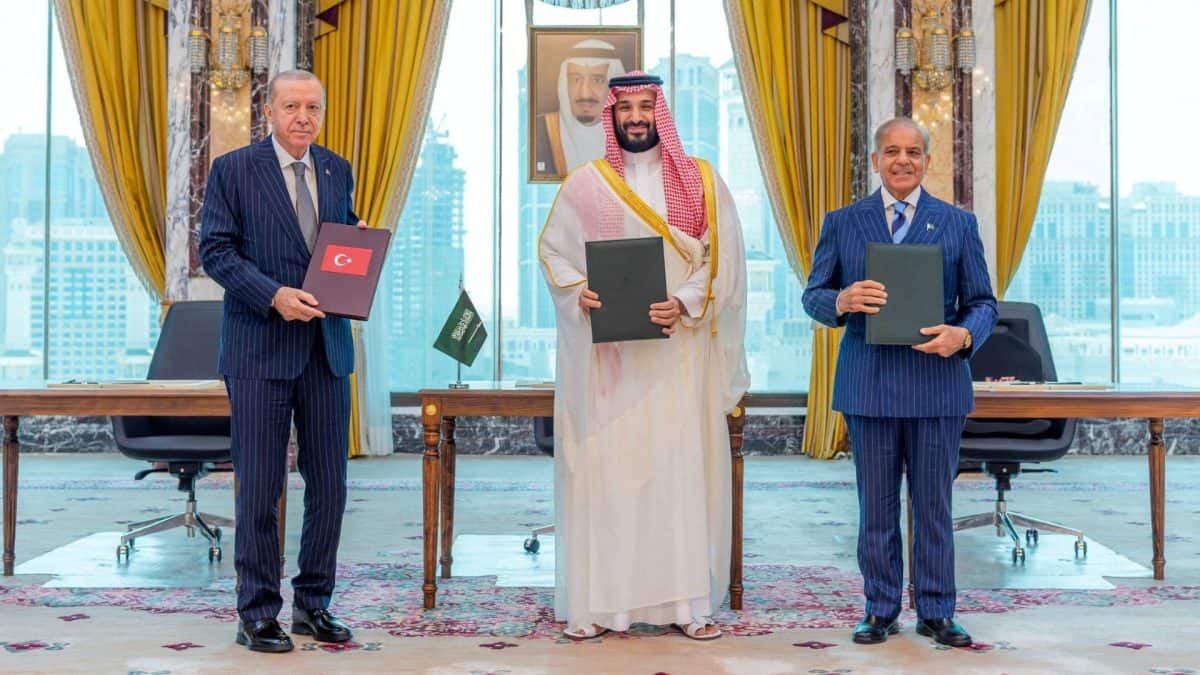
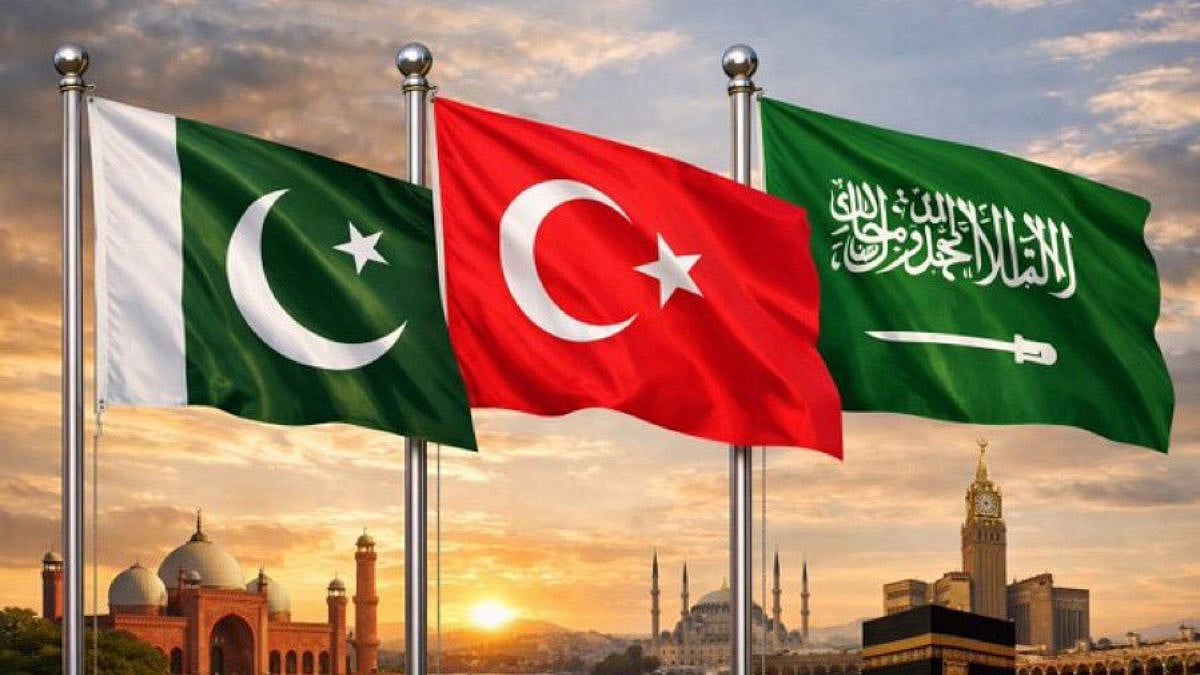
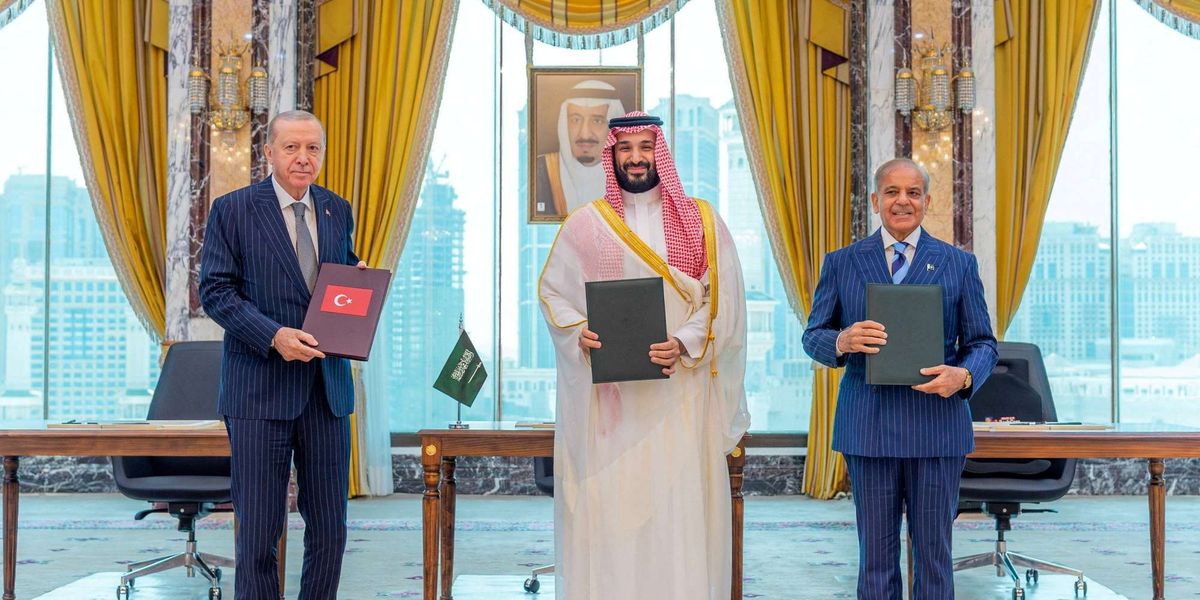
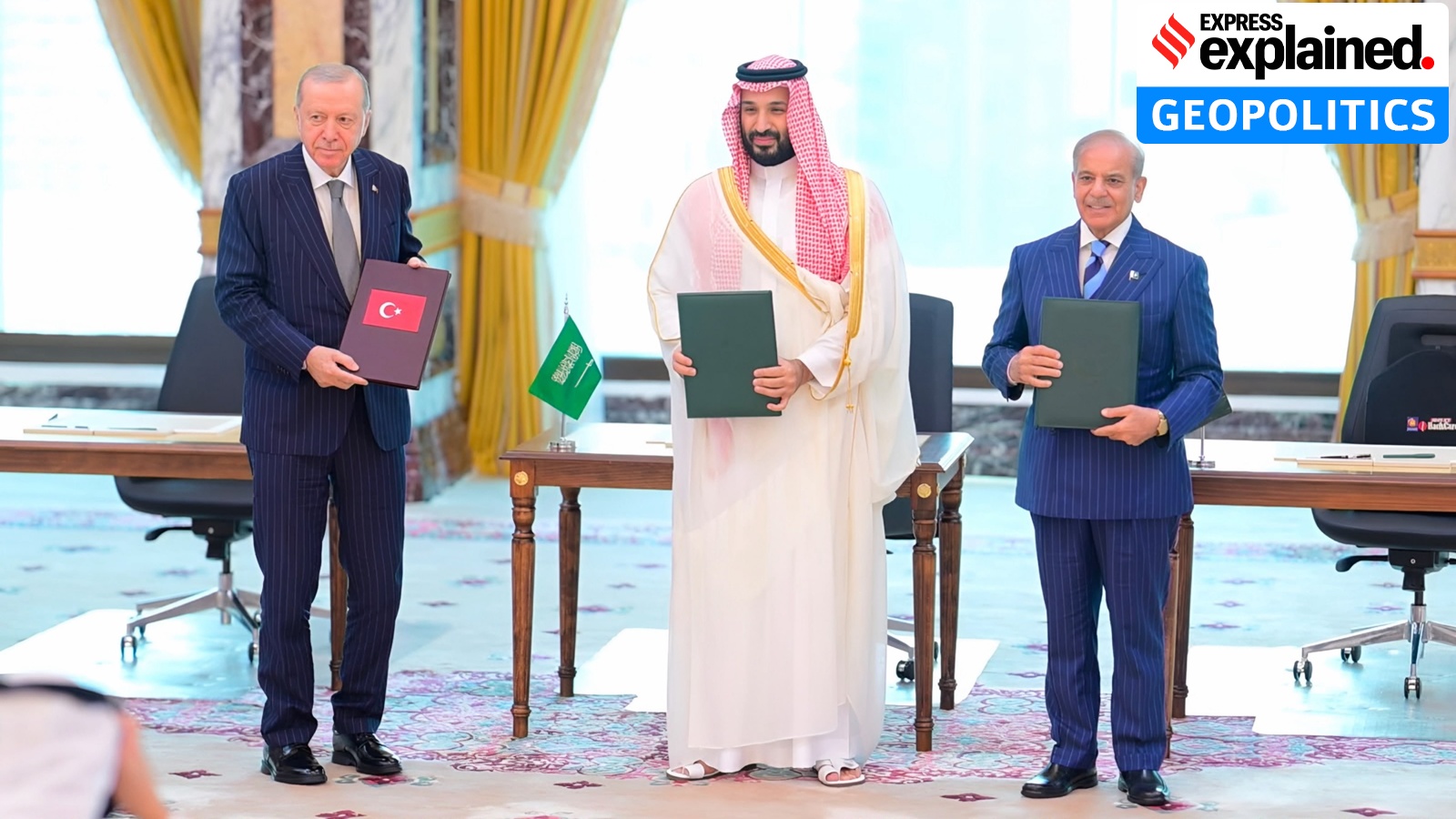
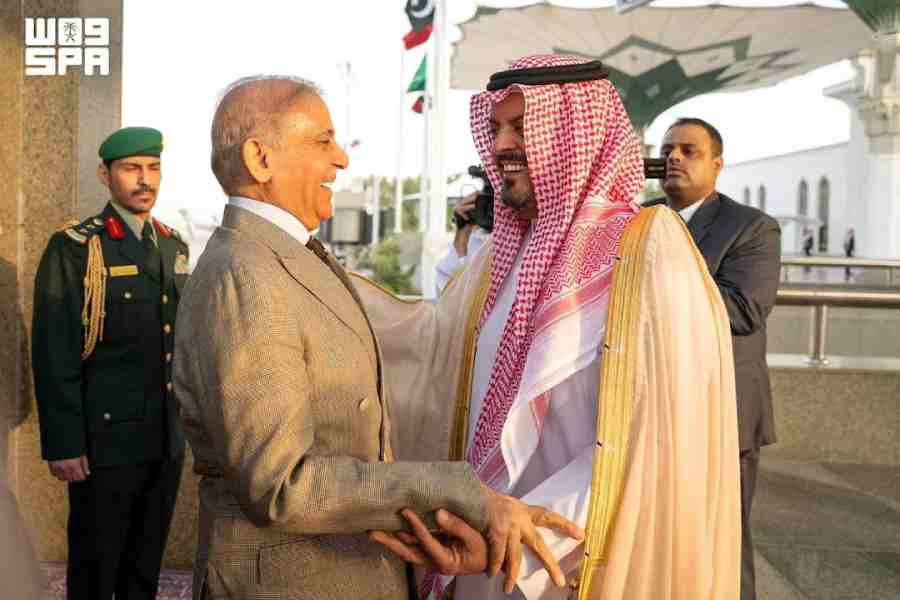
Three countries - Saudi Arabia, Turkey and Pakistan - met in the city of Mecca and signed a special paper called the Mecca Joint Defence Agreement.
The paper says that if an enemy attacks one of the three countries, the other two will treat it as an attack on all of them.
The leaders who signed it were Prince Mohammed bin Salman of Saudi Arabia, President Erdogan of Turkey and Prime Minister Shehbaz Sharif of Pakistan.
Many people think the agreement is really a warning to Iran, because Iran attacked some Arab Gulf countries in February and Saudi Arabia now feels unsafe.
Saudi Arabia was so worried that it tried to stop US President Donald Trump from attacking Iran more strongly.
Some experts say the agreement is mostly for show, because Turkey and Pakistan are actually friendly with Iran.
Turkey is already part of a big protection group called NATO, and Pakistan's enemy India does not invade other countries.
India, Pakistan's neighbour, says it is just closely following the news and is in no hurry to judge.
Most analysts believe the pact will not change the balance of power very much, so it is unlikely to start a new war.

Saudi Arabia, Turkey and Pakistan signed the Mecca Joint Defence Agreement on Friday, agreeing that an attack on any signatory 'shall be regarded as an attack on them all.'
The pact is designed 'to strengthen collective deterrence against any act of aggression' and enhance all aspects of defence cooperation among the three states.
The agreement is widely seen as a Saudi strategy to counter Iran, which attacked Arab Gulf neighbours this February, although officials say it is not directed at any specific actor.
Turkey already supplies military drones to Pakistan, a fact that came to light during Operation Sindoor in May 2025.
Analysts say the pact is largely symbolic and unlikely to tilt the military balance in Pakistan's favour, so India need not lose sleep over it.
- Who
- Saudi Arabia's Crown Prince Mohammed bin Salman, Turkish President Recep Tayyip Erdogan and Pakistan's Prime Minister Shehbaz Sharif
- What
- Signed the Mecca Joint Defence Agreement, committing the three countries to collective defence if any one of them is attacked
- Where
- Mecca, Saudi Arabia
- When
- Friday; the articles give no exact date
- Why
- Saudi Arabia wants to counter Iran after Iran's attacks on Arab Gulf neighbours this February, while Turkey and Pakistan deepen defence cooperation; the pact also signals that Riyadh is not alone
Symbolic Posture View
Strategic Military Pact View
Purpose of the pact
Symbolic Posture View
Saudi Arabia is seen as using the pact to counter Iran, whose attacks on Arab Gulf neighbours this February exposed Riyadh's vulnerability.
Strategic Military Pact View
A Turkish official said the agreement is not directed against any specific actor, and Saudi Arabia's Foreign Ministry insisted it is not a military axis or sectarian bloc; Israel, however, interprets it as aimed against it.
Military significance
Symbolic Posture View
The pact is largely symbolic: Iran is unlikely to attack Turkey or Pakistan, and neither would attack Iran or Israel, so it carries little weight on the ground.
Strategic Military Pact View
It forms a formal defence alliance of three Sunni states, and because Turkey is a NATO member, an attack on Turkey would pull the wider Western alliance into any conflict.
Impact on India-Pakistan balance
Symbolic Posture View
India need not lose sleep: Saudi financial help and Turkish drone supplies are unlikely to tilt the military balance in Pakistan's favour, and Saudi Arabia has invested heavily in India.
Strategic Military Pact View
India is wary of the Pakistan-Turkey axis, especially after Turkey's drone supplies to Pakistan came to light, and should monitor whether the pact evolves into a formal military bloc.
Key facts
- Agreement
- Mecca Joint Defence Agreement
- Location
- Mecca, Saudi Arabia
- Signatories
- Mohammed bin Salman, Recep Tayyip Erdogan, Shehbaz Sharif
- Scope
- Collective defence - an attack on one signatory is regarded as an attack on all
- Stated purpose
- To strengthen collective deterrence against any act of aggression
- Turkey-Pakistan military ties
- Turkey supplies military drones to Pakistan; revealed during Operation Sindoor in May 2025
- Perceived strategic aim
- A Saudi strategy to counter Iran after its February attacks on Arab Gulf neighbours
- Regional context
- The United Arab Emirates has an undeclared military alliance with Israel; Egypt is said to be inclined to join the new pact
Quotes

Indian government spokesperson
Official representing the Indian government
“the pact “does not represent an effort to establish a military axis or a sectarian [Sunni] bloc.””
 thehansindia.com
“the agreement isn’t directed against any specific actor.”
thehansindia.com
Sources
Related news
India has no reason to fear Saudi-Turkey-Pakistan Mecca pact
Saudi-Turkey-Pakistan Defence Pact Raises Security Concerns For India
Pakistan seeks Mecca pact front against Israel and India
Saudi Arabia, Turkey and Pakistan sign Mecca Joint Defence Agreement
Saudi Arabia, Turkey, Pakistan Sign Mecca Joint Defence Agreement
Pakistan, Saudi Arabia and Turkey Sign Mutual Defence Pact
Putin Faces Western Isolation While Russia Builds Non-Western Ties
Pentagon Turmoil Deepens as Hegseth Tightens Grip on Military

Germany Blames Russia for Leipzig Drone Attack, Europe Vows Response
Erdogan Says Turkey Would Consider Full Shanghai Cooperation Organisation Membership
Augsburg Train Station Closed After Explosion, Suspicious Object Found
