3 weeks ago
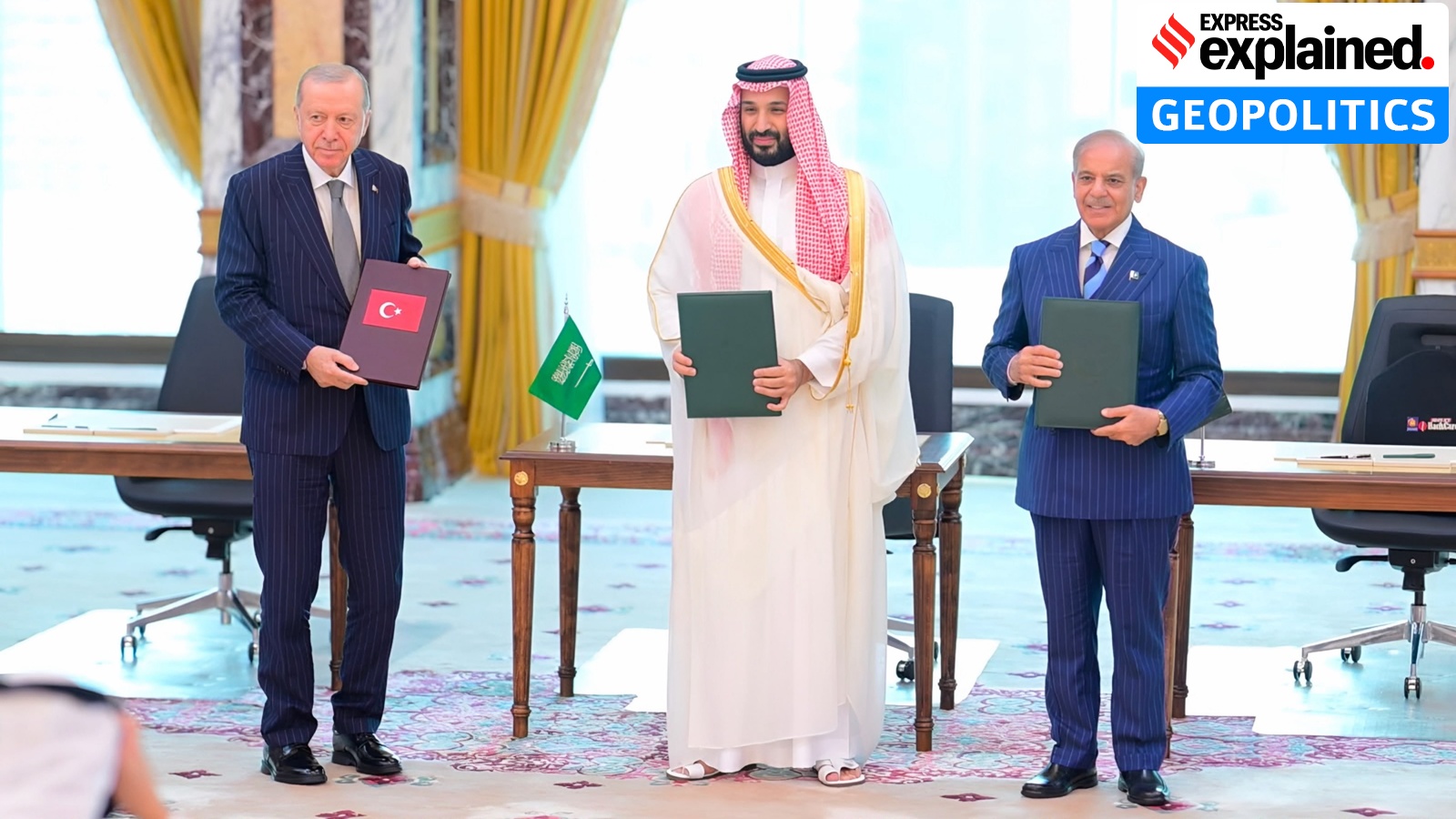
Saudi Arabia, Turkey, Pakistan Sign Joint Defence Pact in Mecca
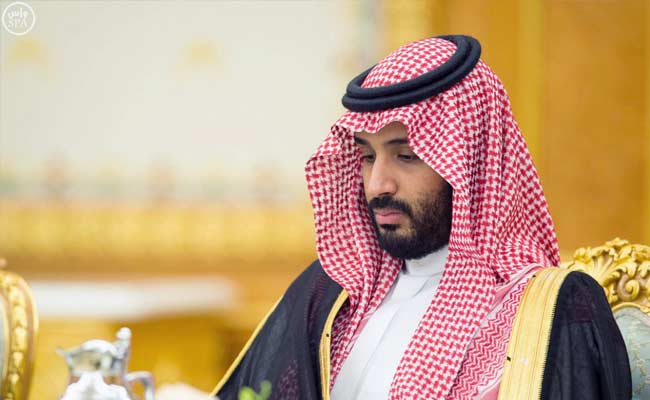
Saudi Arabia, Turkey, and Pakistan made a big promise to help each other.
They signed a defence agreement in the city of Mecca.
The promise says that if someone attacks one of them, it counts as an attack on all three.
That way, enemies might think twice before starting a fight.
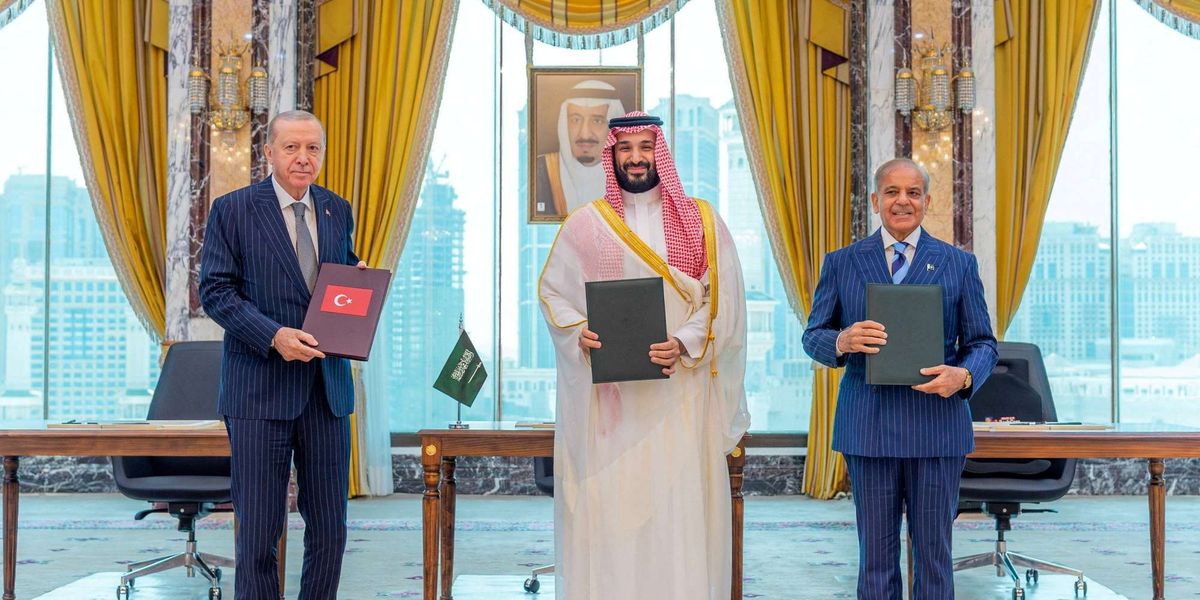
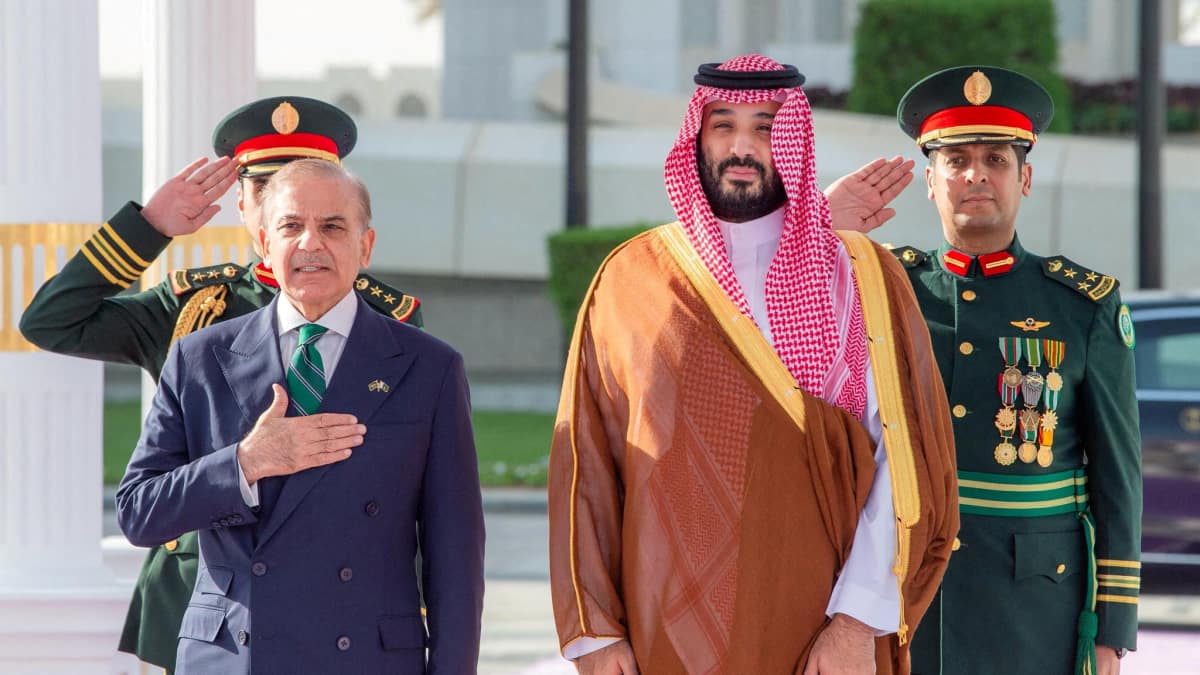
The leaders who signed it were Crown Prince Mohammed bin Salman, President Recep Tayyip Erdogan, and Prime Minister Shehbaz Sharif.
Some people call the new group an 'Islamic NATO', but that is not an official name.
Turkey is already part of NATO and says the new promise does not break its old promises.
The three countries are worried about Iran and groups that support it, like the Houthis.
Saudi Arabia has been attacked and has also lost the use of important shipping routes, so the deal is a way to feel safer and stand together.

Saudi Arabia, Turkey, and Pakistan signed a joint defence agreement in Mecca stipulating that an armed attack on any one of them is considered an attack on all.
The pact was signed by Crown Prince Mohammed bin Salman, President Recep Tayyip Erdogan, and Prime Minister Shehbaz Sharif.
Turkey, a NATO member with the bloc's second-largest standing army, says the agreement does not contradict its NATO commitments and waited for a US green light before signing.
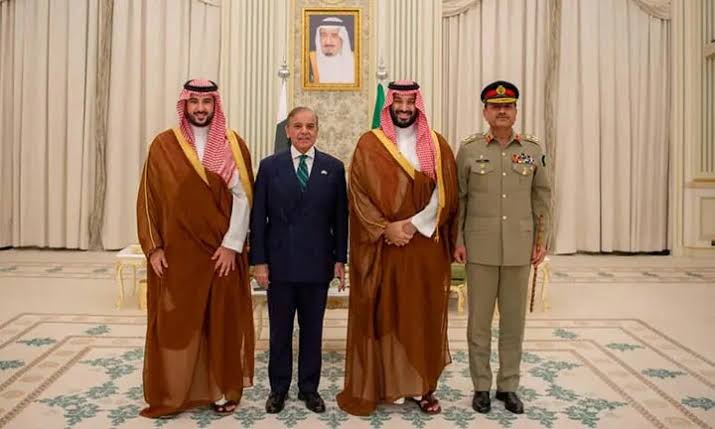
The pact builds on the Saudi-Pakistan Strategic Mutual Defence Agreement of September 2025, signed after Israel's attack on Qatar.
Pakistan has deployed about 13,000 troops, JF-17 fighter jets, drones, and Chinese HQ-9 air defences in Saudi Arabia but has avoided combat with Iran, preferring mediation.
- Who
- Leaders of Saudi Arabia, Turkey, and Pakistan — Crown Prince Mohammed bin Salman, President Recep Tayyip Erdogan, and Prime Minister Shehbaz Sharif.
- What
- Signed a joint defence agreement in which an armed attack on any one signatory is regarded as an attack on all, with enhanced defence cooperation between the three states.
- Where
- Mecca, Saudi Arabia.
- When
- Last month, on a Friday — the Muslim sabbath — in Mecca.
- Why
- To strengthen collective deterrence against aggression, amid the war on Iran, Houthi attacks, and threats from Iran-backed militias.
Supporters of the pact
Skeptics of the pact
An 'Islamic NATO' or a signal?
Supporters of the pact
Many liken the agreement to an 'Islamic NATO' — a collective-defence alliance uniting three major Muslim powers.
Skeptics of the pact
The term 'Islamic NATO' has not been formalised, and the pact is essentially a deterrence signal that highlights, not hides, deep Saudi vulnerability.
Compatibility with NATO
Supporters of the pact
Turkey's government says the agreement is not in contradiction with its existing international alliances, including NATO.
Skeptics of the pact
Turkey only signed after waiting for a US green light, suggesting the new pact needed Western approval before it could proceed.
Source of strength
Supporters of the pact
The bloc combines Saudi financing, Turkey's military-industrial complex, and Pakistan's nuclear-armed, battle-hardened army.
Skeptics of the pact
Despite those assets, Saudi Arabia has been targeted by Iran and its militias and lost key shipping routes, showing the pact is a hedge born of fear.
Key facts
- Signatories
- Saudi Arabia, Turkey, Pakistan
- Key provision
- An armed attack on any one state is regarded as an attack on all
- Signing location
- Mecca, Saudi Arabia (Friday, the Muslim sabbath)
- Signing leaders
- Crown Prince Mohammed bin Salman, President Recep Tayyip Erdogan, Prime Minister Shehbaz Sharif
- Predecessor pact
- Saudi-Pakistan Strategic Mutual Defence Agreement, September 2025
- Turkey's NATO status
- NATO member with the bloc's second-largest standing army; says pact does not conflict with NATO
- Pakistan deployment in Saudi Arabia
- About 13,000 troops, JF-17 jets, drones, HQ-9 air defences
- Turkey's global arms exports
- 1.6% of global arms exports
Quotes
Turkish government anti‑disinformation service
Official representing Turkey’s anti‑disinformation service
“"The agreement is not in contradiction with the commitments of Turkey's existing international alliances, including those at the heart of NATO."”
 NDTV
NDTV
Sources
Related news
Saudi Arabia, Turkey and Pakistan sign Mecca Joint Defence Agreement

Saudi Arabia, Turkey, Pakistan Sign Mecca Joint Defence Agreement
Saudi Arabia, Turkey and Pakistan Sign Joint Defence Pact
Pakistan, Saudi Arabia, Turkey Sign 'Islamic Nato' Defence Pact
Saudi Arabia, Turkey, Pakistan Sign Mecca Joint Defence Agreement

Saudi Arabia, Turkey, Pakistan Sign Mecca Defence Agreement
US-Iran Strikes Escalate as Tehran Warns of New Strategy
Trump Warns of Fresh Iran Strike After Heavy Attack

Trump Says US Could Attack Iran Again at Will

U.S. Treasury Yields Ease as Jobs Data Misses Expectations
Iran Seizes Fuel-Smuggling Vessel in Gulf, Arrests 11 Crew