1 day ago
Qatar Urges United States and Iran to Resume Talks
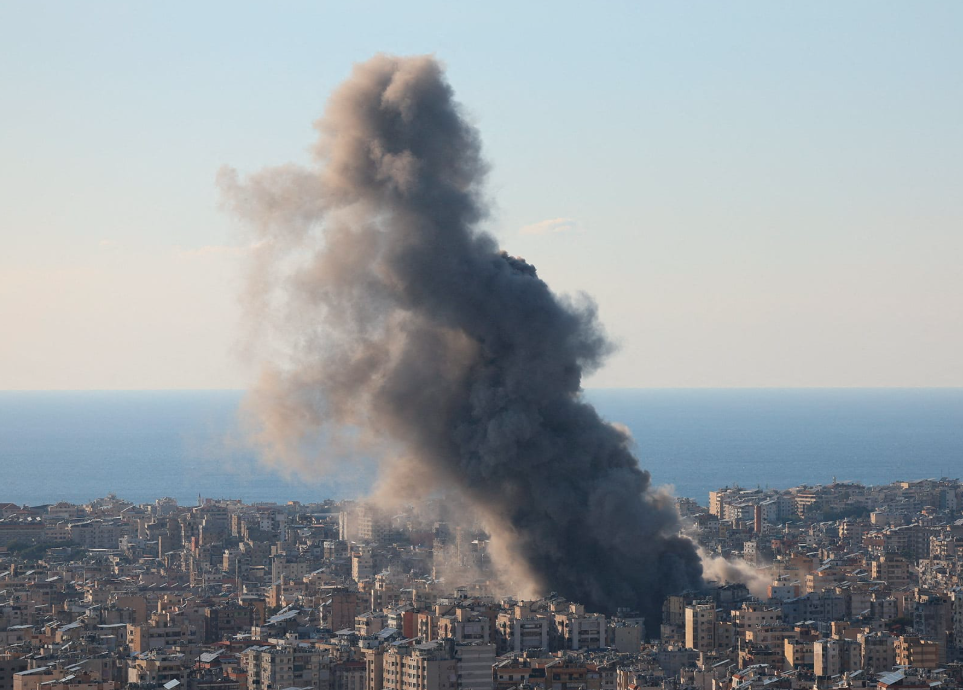
Qatar is trying to help the United States and Iran start talking again.
The two countries recently attacked each other after six months of war.
The United States attacked an Iranian island near the Strait of Hormuz.
Iran then attacked US military targets in the Middle East.
Iran’s blockade and the US counter-blockade are making it harder for ships to use the strait.
Qatar warned that keeping the strait closed could cause more fighting.
Iran’s president said Iran would respond quickly if the United States returned to a June deal.
Qatar, Pakistan, and Oman are continuing efforts to help the sides negotiate.

Qatar urged the United States and Iran to return to negotiations after renewed attacks.
The United States struck an Iranian island in the Strait of Hormuz on Sunday, and Iran retaliated against US military targets in the Middle East.
Iran’s blockade and the US counter-blockade have disrupted shipping through the strategic strait.
Iranian President Masoud Pezeshkian said Tehran would immediately reciprocate if Washington returned to a June agreement to end the war.
Qatar said mediation efforts with partners including Pakistan and Oman remain ongoing, including discussions about a temporary shipping corridor and mine clearance.
- Who
- Qatar, the United States, Iran, and mediation partners including Pakistan and Oman.
- What
- Qatar urged the United States and Iran to resume negotiations after renewed attacks and continued disruption of shipping through the Strait of Hormuz.
- Where
- The attacks and blockade-related tensions center on the Strait of Hormuz and US military targets in the Middle East; mediation efforts include Qatar, Pakistan, Oman, and Tehran.
- When
- The latest attacks occurred on Sunday and the Qatari appeal was made on Tuesday, after six months of war.
- Why
- Qatar said resolving the dispute and reopening negotiations were necessary to prevent further escalation and address the closure of the Strait of Hormuz.
Negotiation and De-escalation
Blockade and Military Pressure
How to resolve the crisis
Negotiation and De-escalation
Qatar urged the United States and Iran to exercise wisdom and return to negotiations, warning that leaving the Strait of Hormuz issue unresolved would lead to escalation.
Blockade and Military Pressure
The United States and Iran have continued military actions and opposing blockades, while remaining at an impasse after six months of war.
Conditions for renewed talks
Negotiation and De-escalation
Iranian President Masoud Pezeshkian said Tehran would immediately reciprocate if the United States returned to a June deal aimed at ending the war.
Blockade and Military Pressure
The United States is described as continuing its counter-blockade of Iranian ports, and the article does not state a US response to Iran’s condition.
Key facts
- Mediator
- Qatar
- Latest US action
- The United States struck an Iranian island in the Strait of Hormuz on Sunday.
- Iranian response
- Iran attacked US military targets in the Middle East.
- Conflict duration
- The foes have been at war for six months.
- Shipping disruption
- Iran is enforcing a blockade, while the United States maintains a counter-blockade of Iranian ports.
- Iranian position
- President Masoud Pezeshkian said Iran would immediately reciprocate if the United States returned to a June deal.
- Mediation efforts
- Qatar said discussions with Pakistan and Oman were ongoing, including a proposed temporary shipping corridor and mine clearance.
Quotes
Majed Al Ansari
Qatari foreign ministry spokesman
“We urge the parties to exercise wisdom and return to the negotiating path, and we continue to intensify our efforts with our mediation partners to ensure a return to that path.”
 deccanchronicle.com
“We have said from day one that leaving the issue unresolved and trying to normalise the closure of the Strait would lead to escalation.”
deccanchronicle.com
Sources
Related news

Qatar Seeks Tehran Dialogue as US Escalates Economic Pressure
Qatar PM Visits Tehran as Hormuz Mediation Efforts Intensify

Iran and US Clash Over Conditions to Reopen Strait
Pakistan says US, Iran near deal despite new shipping attacks
Qatar and Iran Discuss De-escalation During Tehran Talks

Trump Floats Renaming Strait of Hormuz as ‘Trump Strait’

Chevron Plans $7 Billion Venezuela Expansion Amid U.S. Oil Push

Saudi Arabia Says Iranian Tanker Attack Killed Two Sailors
U.S.-Iran Exchange Escalates Across Middle East, Markets Slide
Trump Aides Seek Quiet Iran War Before Midterm Elections