3 weeks ago
Saudi Arabia, Turkey and Pakistan Sign Joint Defence Pact
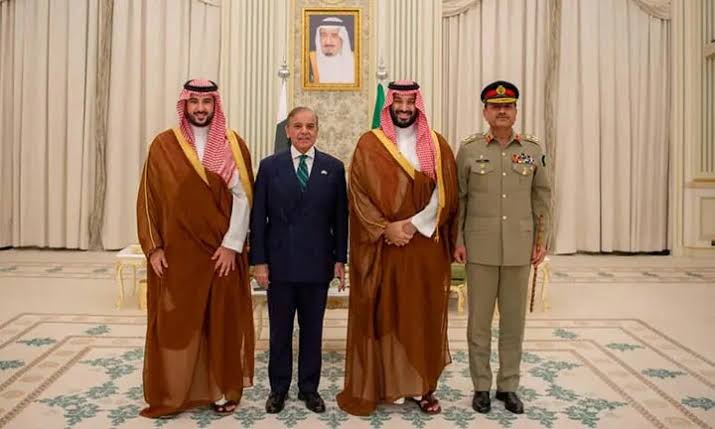
Three countries — Saudi Arabia, Turkey, and Pakistan — have made a promise to help and protect each other.
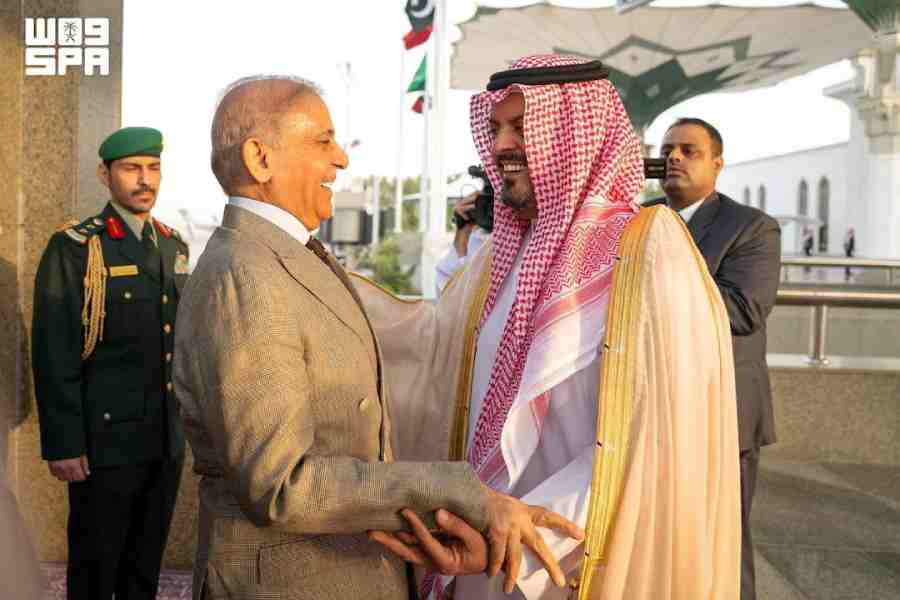
They signed a special agreement on Friday in Saudi Arabia.
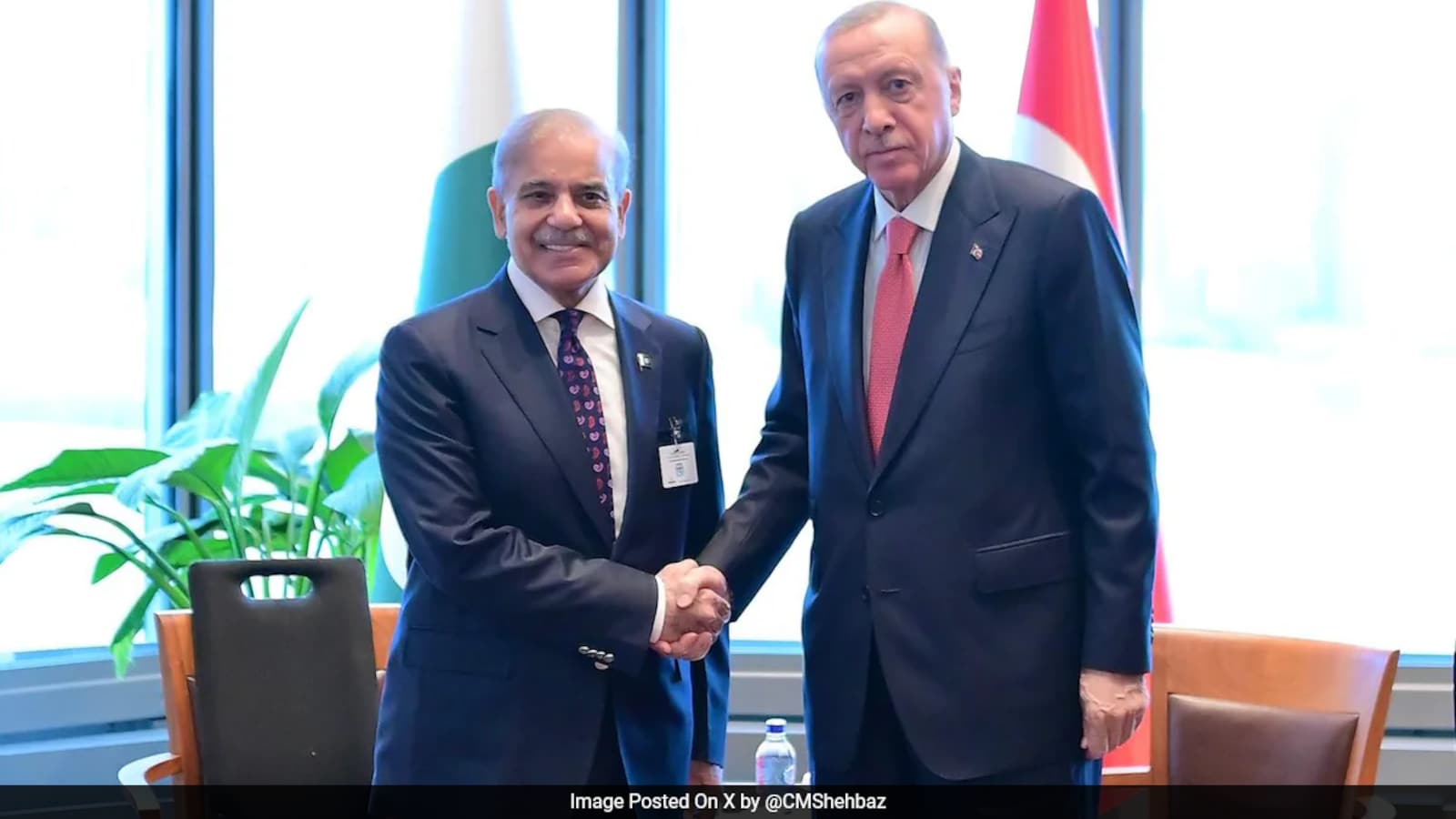
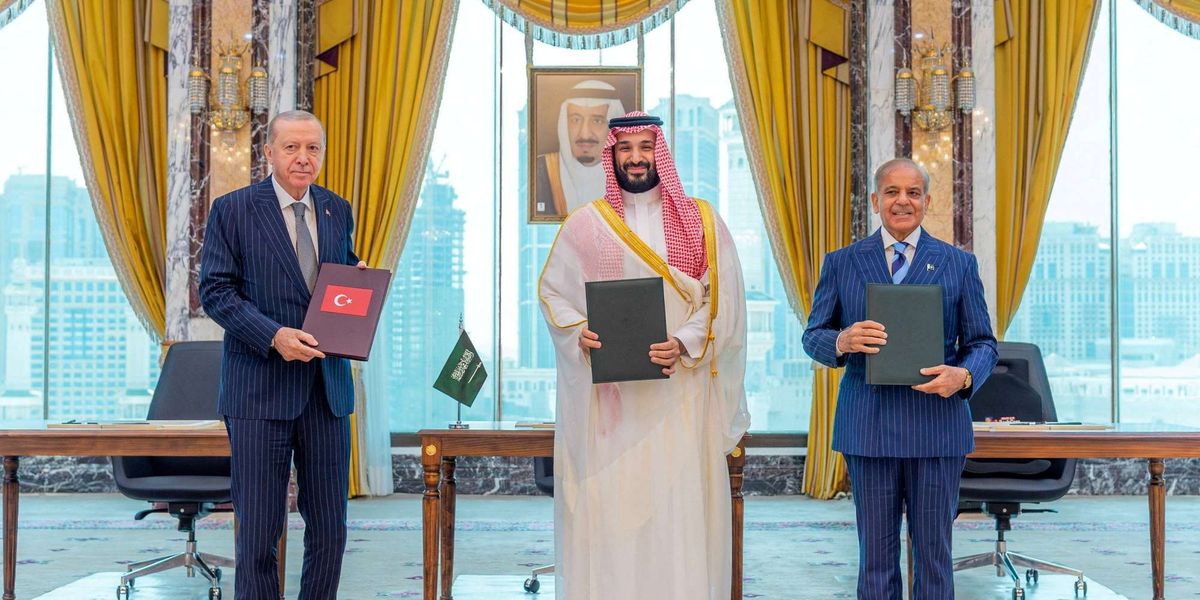
The leaders who took part are Saudi Arabia's Crown Prince Mohammed bin Salman, Turkey's President Recep Tayyip Erdogan, and Pakistan's Prime Minister Shehbaz Sharif.
They decided to do this because there is a big war between the United States and Iran.
That war has made the seas near them dangerous for ships carrying oil, and some countries have been attacked.
The agreement says that if someone attacks one of the three countries, it is like attacking all three, so they will stand together.
Pakistan is the only Muslim country that has nuclear weapons, and Turkey belongs to a big defence group called NATO.
Saudi Arabia also has a problem with a group called the Houthis, who have started attacking again.
The leaders hope that working together will make their region safer and calmer.

Saudi Arabia, Turkey and Pakistan signed a joint defence agreement on Friday amid the US-Iran war and renewed Houthi attacks, with the pact named the 'Mecca Joint Defence Agreement'.
The signing took place in Saudi Arabia; the Saudi press agency quoted a meeting in Mecca between Crown Prince Mohammed bin Salman and President Recep Tayyip Erdogan, while other reports said it would be in Jeddah.
Pakistan's foreign ministry said the pact means an attack on any member would be regarded as an attack on all, intended to strengthen collective deterrence.
The agreement follows nearly a year of negotiations and builds on a 2025 Saudi-Pakistani mutual defence pact; Pakistan is the Muslim world's only nuclear-armed state and Turkey is a NATO member.
The deal is seen by analysts as aimed at Iran's regional ambitions and at diversifying Saudi security beyond reliance on the United States, whose reliability as a partner is questioned.
Regional turmoil includes Gulf states coming under fire from Iran, disrupted shipping through the Strait of Hormuz and Red Sea, and a breakdown of the Saudi-Houthi truce with at least 58 Yemeni government troops killed on Thursday.
- Who
- Saudi Crown Prince Mohammed bin Salman, Turkish President Recep Tayyip Erdogan, and Pakistani Prime Minister Shehbaz Sharif, accompanied by Pakistan's army chief Asim Munir
- What
- Signing of the 'Mecca Joint Defence Agreement' to strengthen collective security, with an attack on any member regarded as an attack on all
- Where
- Saudi Arabia, reported as both Mecca and Jeddah in different accounts
- When
- Friday; the Pakistani delegation's visit runs August 6-8, and Erdogan met bin Salman in Mecca on Friday
- Why
- To respond to the US-Iran war, Gulf states coming under fire, disrupted shipping through the Strait of Hormuz and Red Sea, and renewed Houthi attacks
Regional self-reliance and deterrence
US alliance and unspecified commitments
Purpose of the pact
Regional self-reliance and deterrence
The agreement strengthens collective deterrence and addresses Iran's ambitions to dominate the broader Gulf region, with Turkey and Pakistan able to exercise leverage on Tehran since they border Iran.
US alliance and unspecified commitments
The pact is partly a response to Washington being seen as an increasingly unreliable partner, and there is no immediate clarity on each state's actual commitments.
Approach to the United States
Regional self-reliance and deterrence
Saudi Arabia wants several layers of security rather than one American umbrella; the three countries are building capacity to protect their interests when Washington cannot or will not.
US alliance and unspecified commitments
The countries are not trying to replace the United States, which remains a key ally - Turkey is a NATO member and Saudi Arabia is another US ally.
Key facts
- Event
- Signing of the 'Mecca Joint Defence Agreement'
- Countries
- Saudi Arabia, Turkey, Pakistan
- Location
- Saudi Arabia (Mecca per the Saudi press agency; Jeddah per other reports)
- Core principle
- An attack on any member is regarded as an attack on all
- Context
- US-Iran war disrupting shipping through the Strait of Hormuz and Red Sea
- Houthi factor
- Truce breakdown with attacks on Saudi soil and at least 58 Yemeni government troops killed on Thursday
- Strategic status
- Turkey is a NATO member; Pakistan is the only nuclear-armed Muslim country
- Prior pact
- Saudi Arabia and Pakistan announced a joint defence pact in 2025
Quotes
Source close to the Saudi military and government
Anonymous Saudi military and government source
“the pact meant an attack on any member would be regarded as an attack on all, adding it was "intended to strengthen collective deterrence".”
 deccanchronicle.com
“"It was under discussion for a long time but the latest developments in the region expedites it."”
 NDTV
NDTV
Tahir Andrabi
Pakistani Foreign Ministry spokesperson
“Although taking place against the backdrop of heightened tensions in the Gulf, the visit will carry significance beyond the immediate crisis and short-term considerations.”
deccanchronicle.com
Sources

Saudi Arabia, Turkey and Pakistan to sign joint defence deal amid regional turmoil
Saudi Arabia, Turkey and Pakistan Sign Defence Pact Amid Regional War
Saudi Arabia, Turkey, Pakistan To Sign Defence Pact Today: Report
Turkey, Saudi Arabia, Pakistan sign joint defence agreement as regional tensions escalate - Telegraph India
Related news

Saudi Arabia, Turkey, Pakistan Sign Mecca Joint Defence Agreement

Pakistan, Saudi Arabia, Turkey Sign 'Attack on One' Defence Pact

Turkey, Saudi Arabia and Pakistan Begin Defence Pact Talks
Saudi Arabia, Turkey and Pakistan sign Mecca Joint Defence Agreement
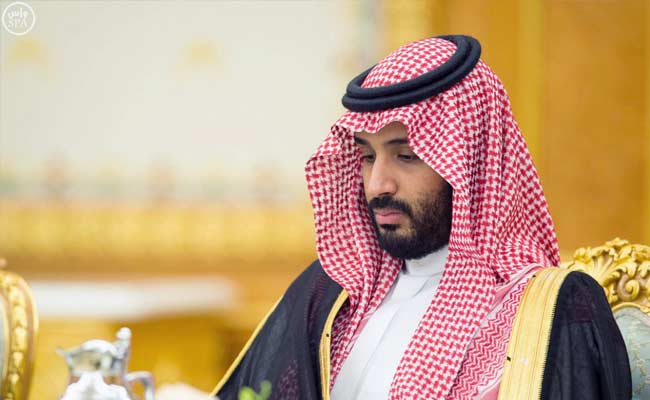
Saudi Arabia, Turkey, Pakistan Sign Joint Defence Pact in Mecca
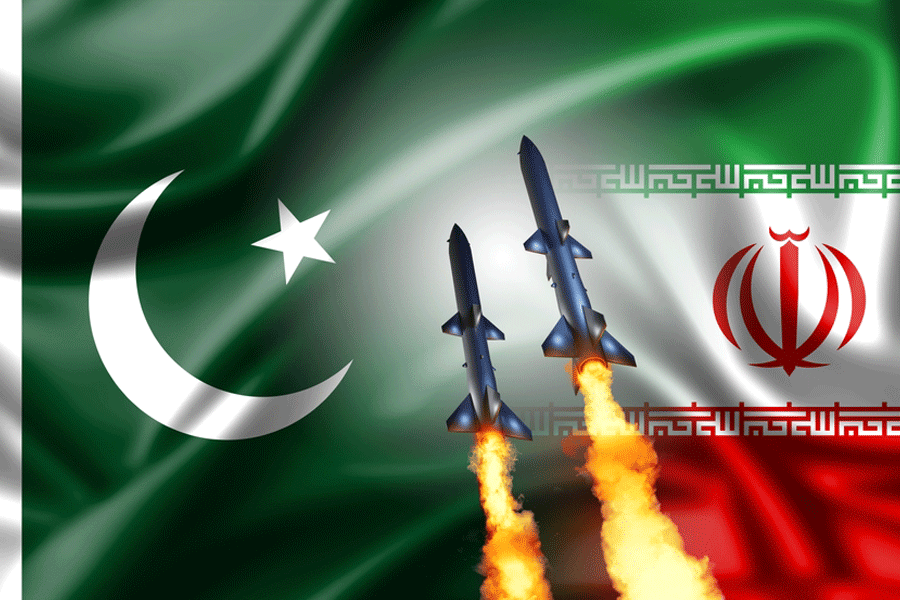
Paper Agreement With Turkiye, Pakistan Won't Secure Saudis: Iranian MP

Chevron Plans $7 Billion Venezuela Expansion Amid U.S. Oil Push
Saudi Arabia Says Iranian Tanker Attack Killed Two Sailors
U.S.-Iran Exchange Escalates Across Middle East, Markets Slide
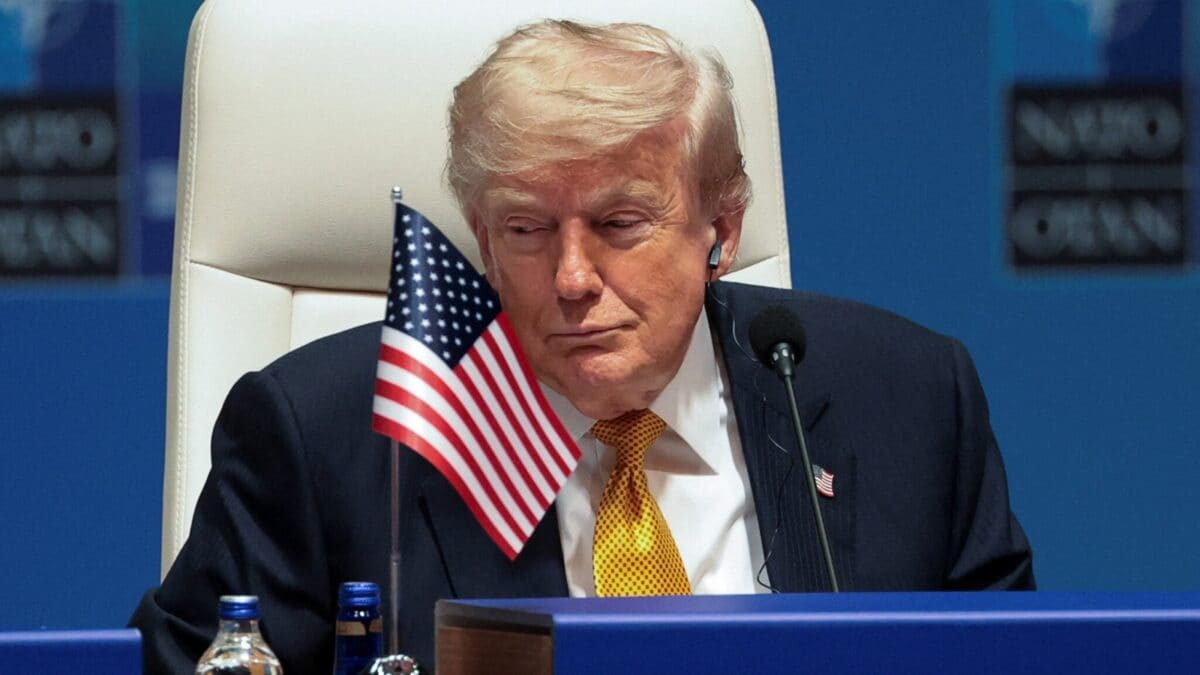
Trump Aides Seek Quiet Iran War Before Midterm Elections
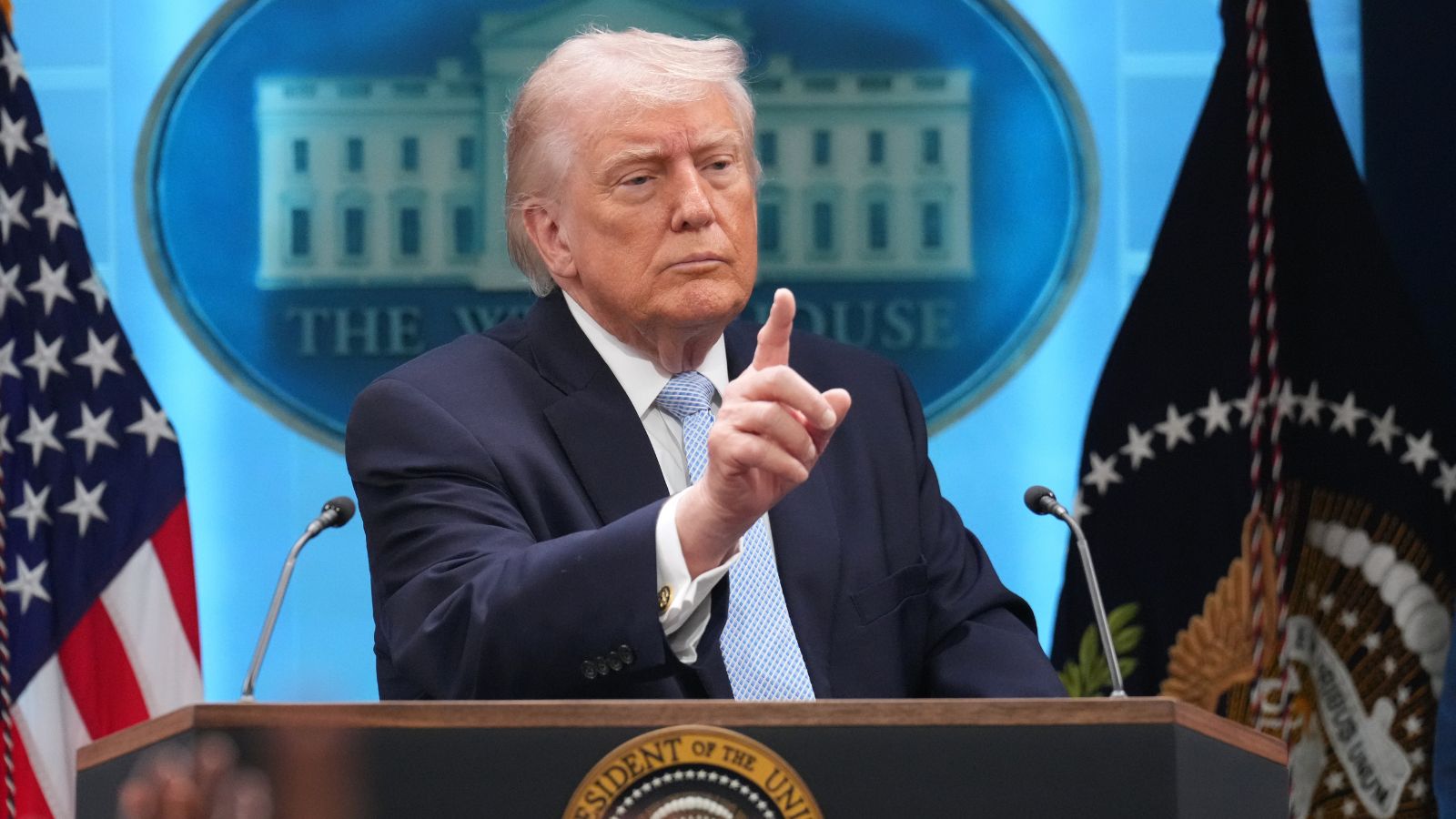
US Warns Middle East Travelers Amid Escalating Iran-Linked Tensions