23 hrs ago
Bessent Predicts Pipelines Will Bypass Strait of Hormuz
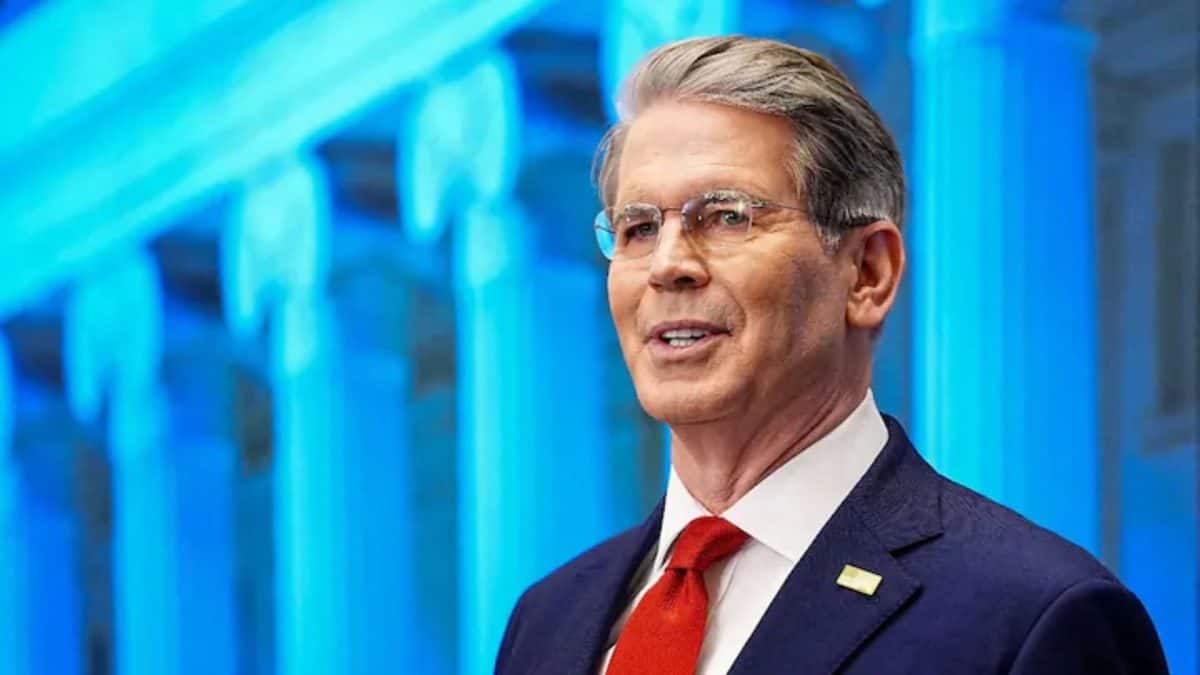
Scott Bessent said new oil pipelines could let countries send energy around the Strait of Hormuz within two years.
The strait is a narrow waterway between the Persian Gulf and the Gulf of Oman.
Many countries use it to ship oil and gas.
Bessent said this could make the strait much less important for oil transport.
However, he did not say which pipelines would be built or how much oil they could carry.
His comments came during renewed fighting and tension between the United States and Iran.
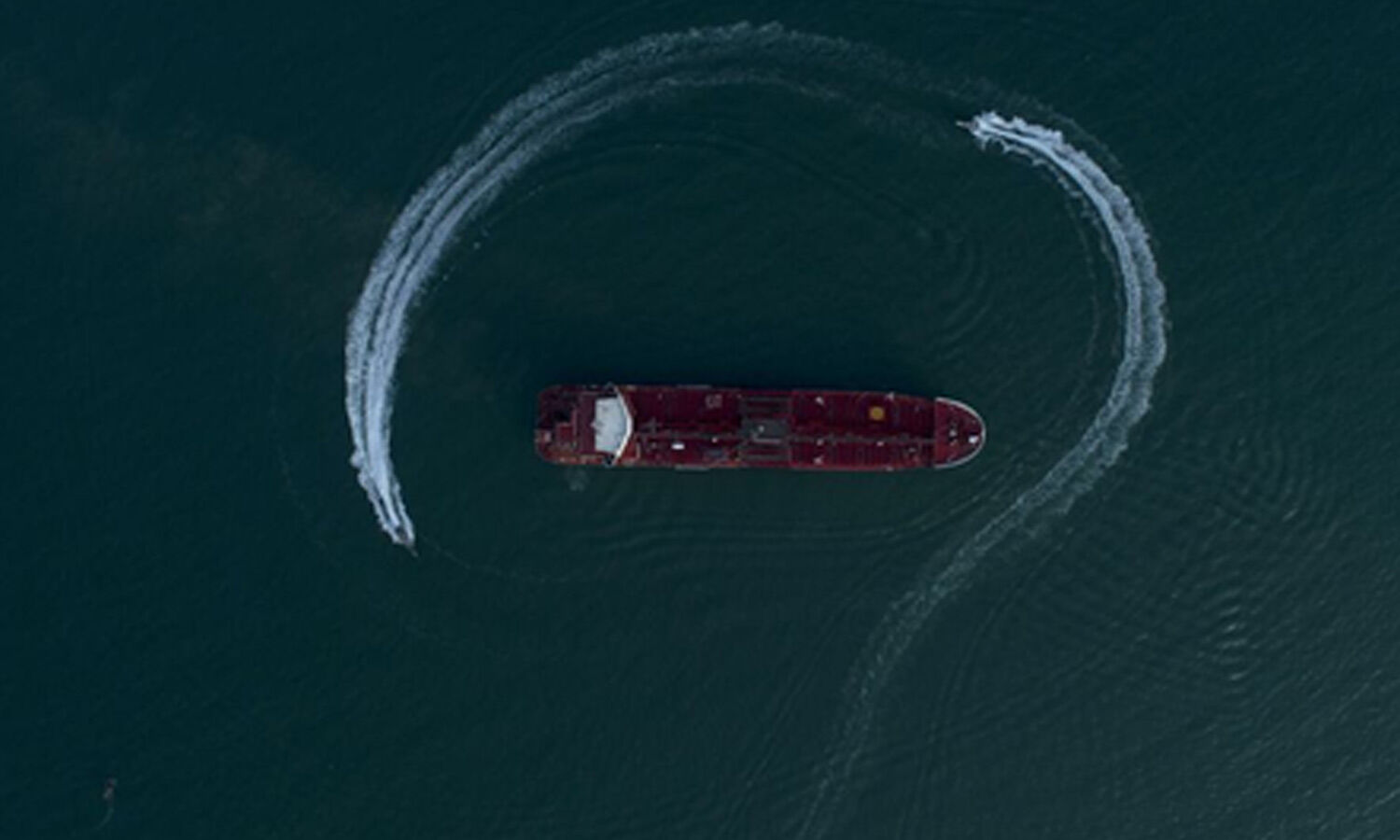
A tanker was reportedly hit by projectiles while leaving the strait, although another report referred to two tankers being struck.
The United States is also considering more sanctions against banks and aircraft leasing companies linked to Iran.
China remains the main buyer of Iranian oil, according to the reports.

Treasury Secretary Scott Bessent said oil pipelines could bypass the Strait of Hormuz within two years.
Bessent called the strait a potentially “worthless piece of water” for oil transport once alternative routes are developed.
The waterway remains a major route for oil and liquefied natural gas exports from Gulf producers.
He did not identify the pipelines, explain their capacity, or detail how the two-year shift would occur.
His comments came amid renewed US-Iran tensions, attacks on shipping, and plans for additional US sanctions on Iran-linked institutions.
- Who
- United States Treasury Secretary Scott Bessent made the prediction during discussions with finance officials and Larry Kudlow.
- What
- Bessent said oil pipelines could allow energy shipments to bypass the Strait of Hormuz within two years.
- Where
- Bessent spoke at a gathering of global finance officials in Asheville, North Carolina; the Strait of Hormuz connects the Persian Gulf with the Gulf of Oman and the Arabian Sea.
- When
- The remarks were made on Tuesday, September 1; Bessent also referred to possible US sanctions in the following two weeks.
- Why
- He was discussing alternative energy routes and US efforts to increase economic pressure on Iran amid renewed conflict and shipping attacks.
Bessent’s Forecast
Feasibility Questions
Future role of the strait
Bessent’s Forecast
Bessent said land-based oil pipelines would bypass the Strait of Hormuz within two years, sharply reducing its importance as an oil conduit.
Feasibility Questions
The reports describe Hormuz as a crucial energy chokepoint but provide no evidence that alternative routes could replace its current role within that timeframe.
Pipeline capacity
Bessent’s Forecast
Bessent’s comments suggest new export pipelines could eventually carry a large share of energy shipments that currently use the strait; he previously estimated that up to 70% could eventually be redirected.
Feasibility Questions
He did not identify the pipelines, estimate their additional capacity, or explain how current oil flows would be shifted within two years.
Economic pressure on Iran
Bessent’s Forecast
Bessent argued that sanctions combined with restrictions on Iran’s ability to move goods and generate revenue can be effective, and said Washington was expanding pressure on banks and other companies.
Feasibility Questions
China remains a major buyer of Iranian oil, and the reports note that Washington has not publicly taken comparable action against China over those purchases.
Key facts
- Speaker
- Scott Bessent, United States Treasury Secretary
- Prediction
- Oil pipelines could bypass the Strait of Hormuz within two years
- Bessent’s description
- He called the strait a “worthless piece of water” for oil transport after the expected shift
- Current importance
- The strait carries significant oil and liquefied natural gas exports from Saudi Arabia, Iraq, Kuwait, the United Arab Emirates and Iran
- Unresolved details
- Bessent did not specify the pipelines, their capacity, or how the proposed timeline would be achieved
- Shipping incident
- United Kingdom Maritime Trade Operations reported that a tanker was struck by three unknown projectiles while completing an outbound transit near Khasab, Oman; another report referred to two tankers being struck
- US pressure on Iran
- Bessent said Washington may announce sanctions against another bank this week and an additional bank the following week, while also examining aircraft leasing companies
- Iranian oil trade
- More than 90% of Iranian oil exports reportedly go to China
Quotes

Scott Bessent
US Treasury Secretary
“In two years, the Strait of Hormuz will be a worthless piece of water. The oil will be going on pipelines across the land.”
 CNBC TV 18
 livemint.com
 firstpost.com
“When everyone says, ‘Well, sanctions don’t work,’ I can tell you, sanctions plus a blockade work.”
livemint.com
United Kingdom Maritime Trade Operations
British maritime security agency
“A tanker has reported being struck by 3 unknown projectiles whilst completing an outbound transit of the Strait of Hormuz”
firstpost.com
Sources

Related news

US Escalates Iran Economic Pressure as Hormuz Crisis Deepens
US Says Iran Lacks Hormuz Control, Faces Economic Death Spiral

Bessent Says Strait of Hormuz Could Become Worthless
US Prepares Unprecedented Economic Pressure Campaign Against Iran
U.S. and Iran Trade Threats Ahead of New Sanctions

Saudi Arabia Says Iranian Tanker Attack Killed Two Sailors
U.S.-Iran Exchange Escalates Across Middle East, Markets Slide
Trump Aides Seek Quiet Iran War Before Midterm Elections
US Warns Middle East Travelers Amid Escalating Iran-Linked Tensions

Indian Stocks Slide as Oil, Conflict and Yields Rise