9 hrs ago
Nepal and Upper Assam Disasters Expose Climate Risks
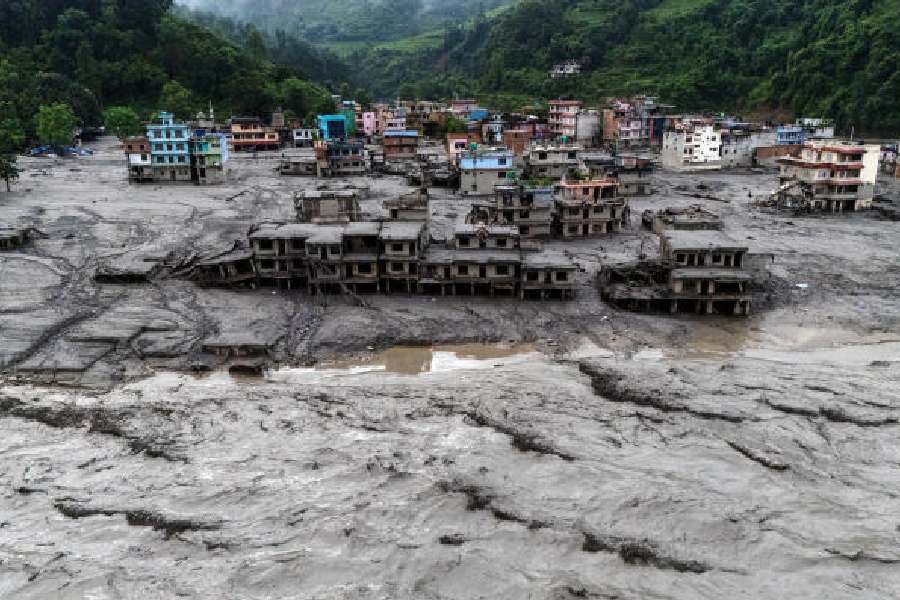
A huge flood of water, mud and rocks swept through areas near the Nepal-Tibet border.
It destroyed homes, roads, vehicles and other buildings, and many people were killed or went missing.
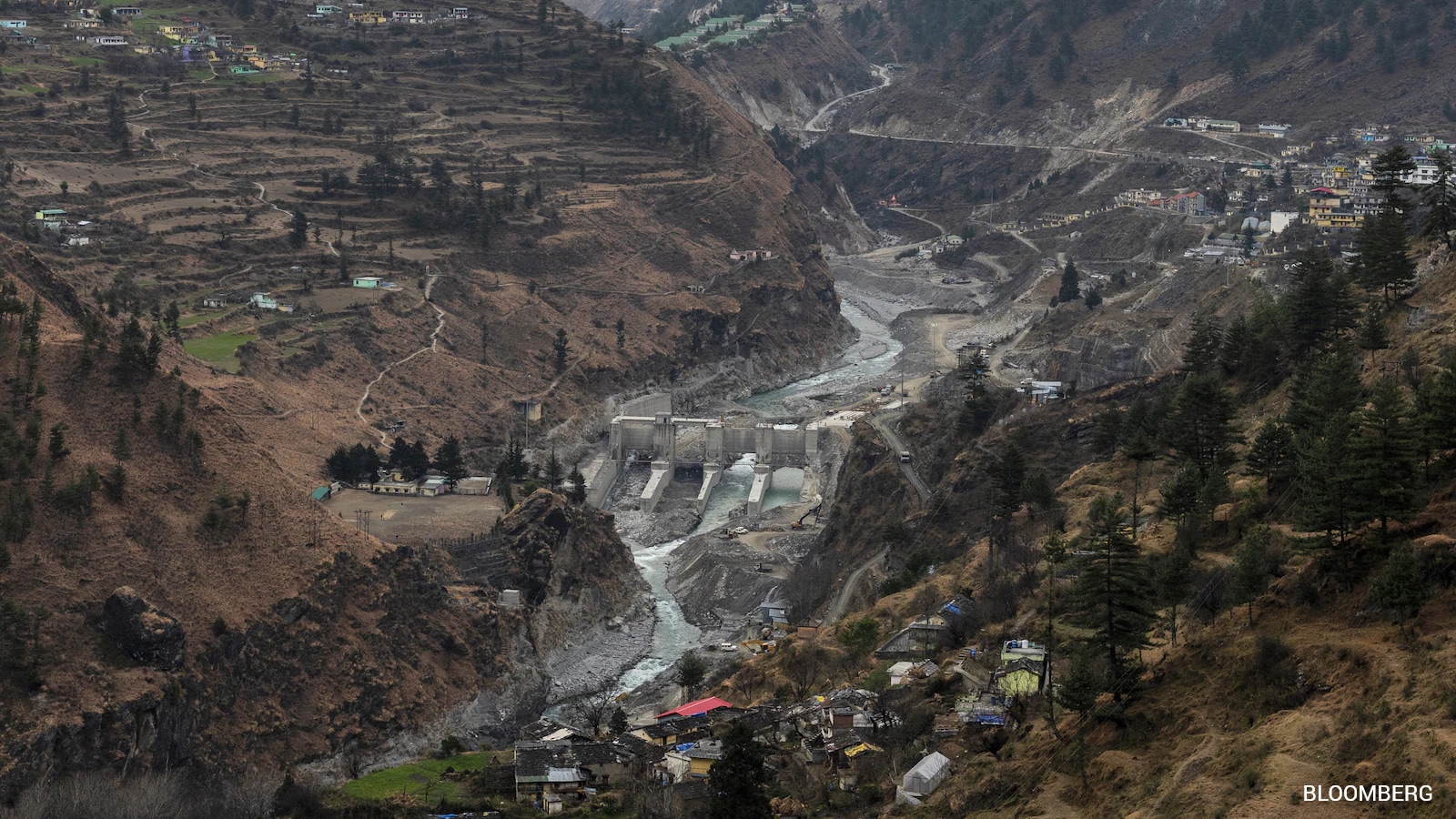
Some people were rescued after being trapped in mud or inside hydropower tunnels.
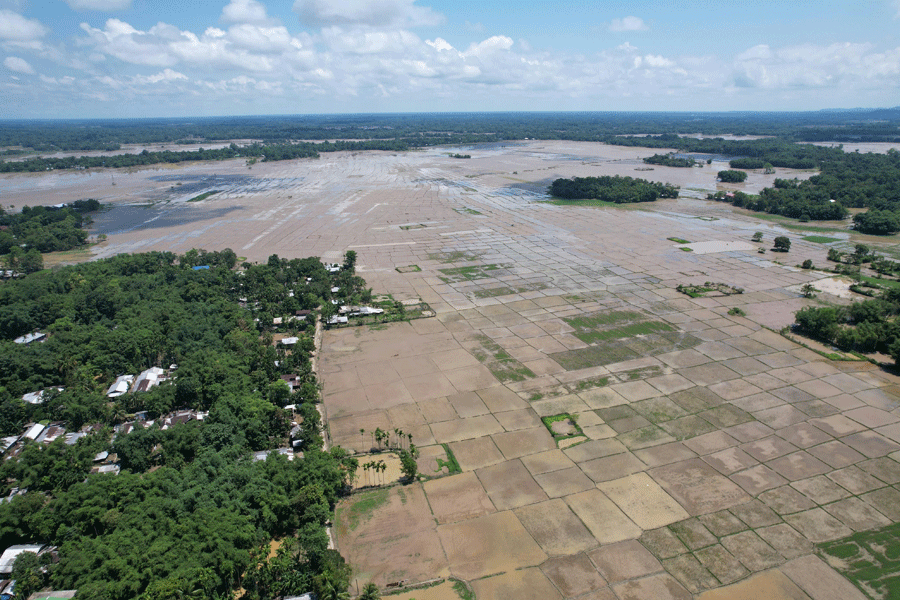
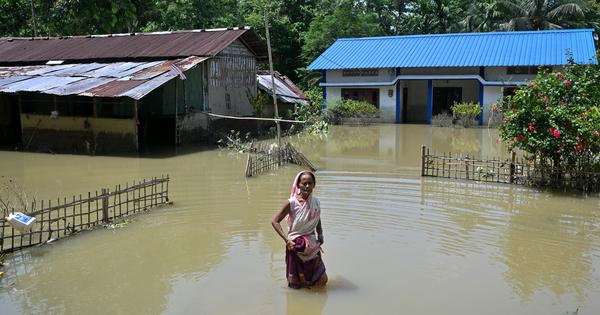
In Upper Assam, unusually heavy rain caused serious flooding in places that do not usually flood.
Experts said climate change may be making extreme rainfall more likely.
People also said mining, deforestation and badly planned construction made the damage worse.
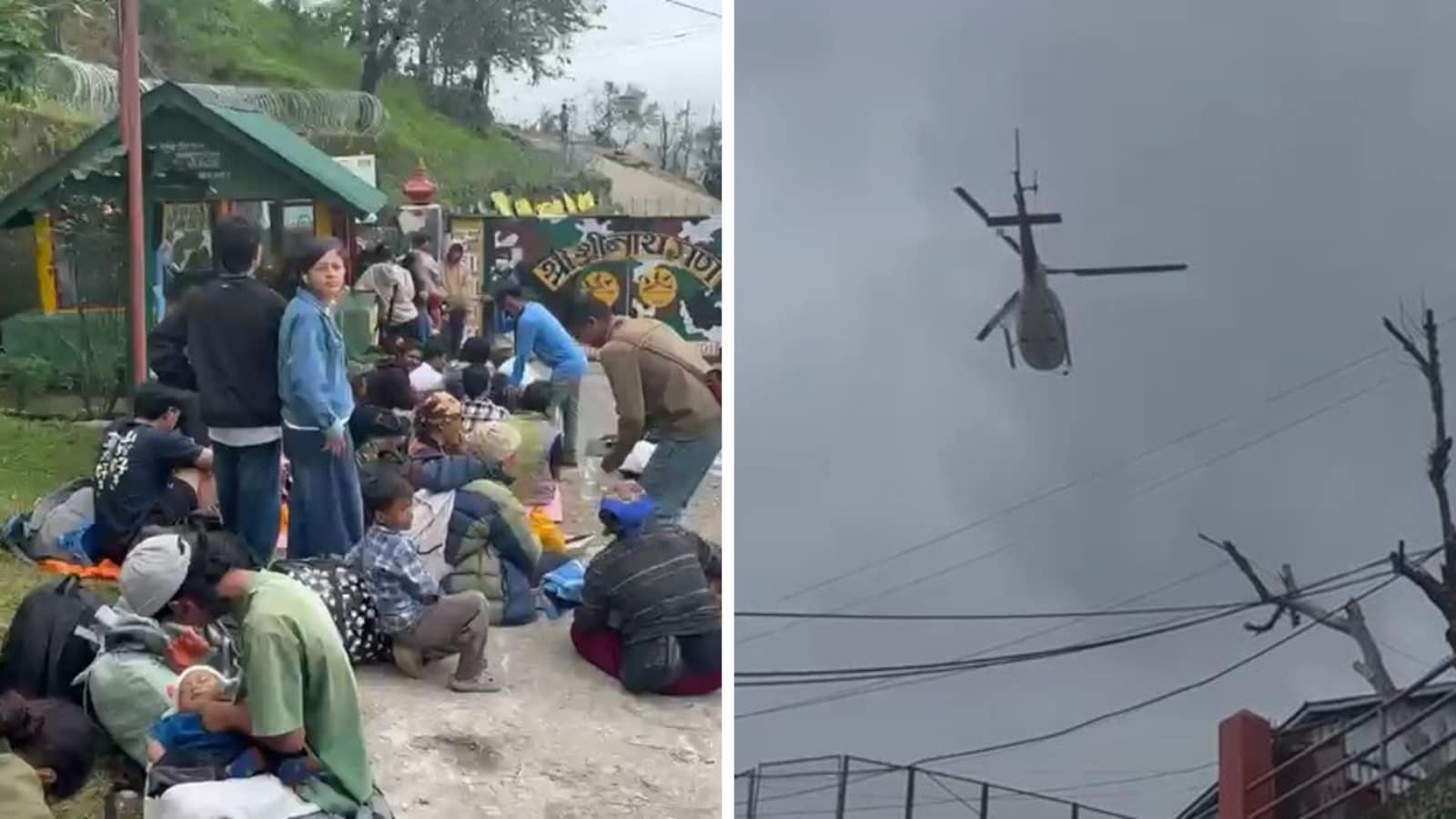
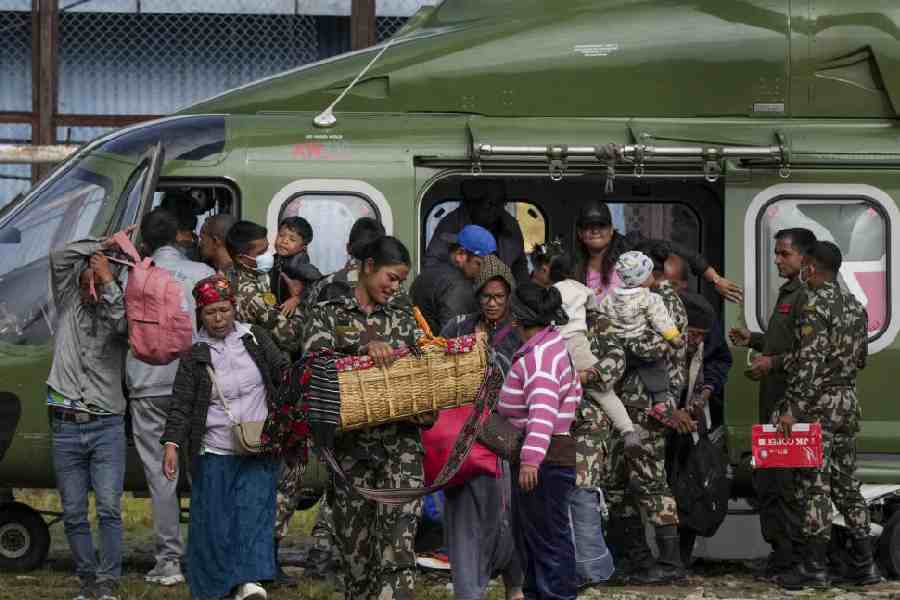
Relief workers and government agencies tried to rescue people and provide help.
The disasters show why communities need warnings and safe places to evacuate.
The article also calls for countries in the Himalayan region to cooperate before future disasters happen.

A catastrophic flow of ice, water, rock, sand and debris devastated settlements along the Nepal-Tibet border.
The Nepal disaster destroyed buildings, vehicles and border posts, while rescue efforts continued amid widespread deaths and displacement.
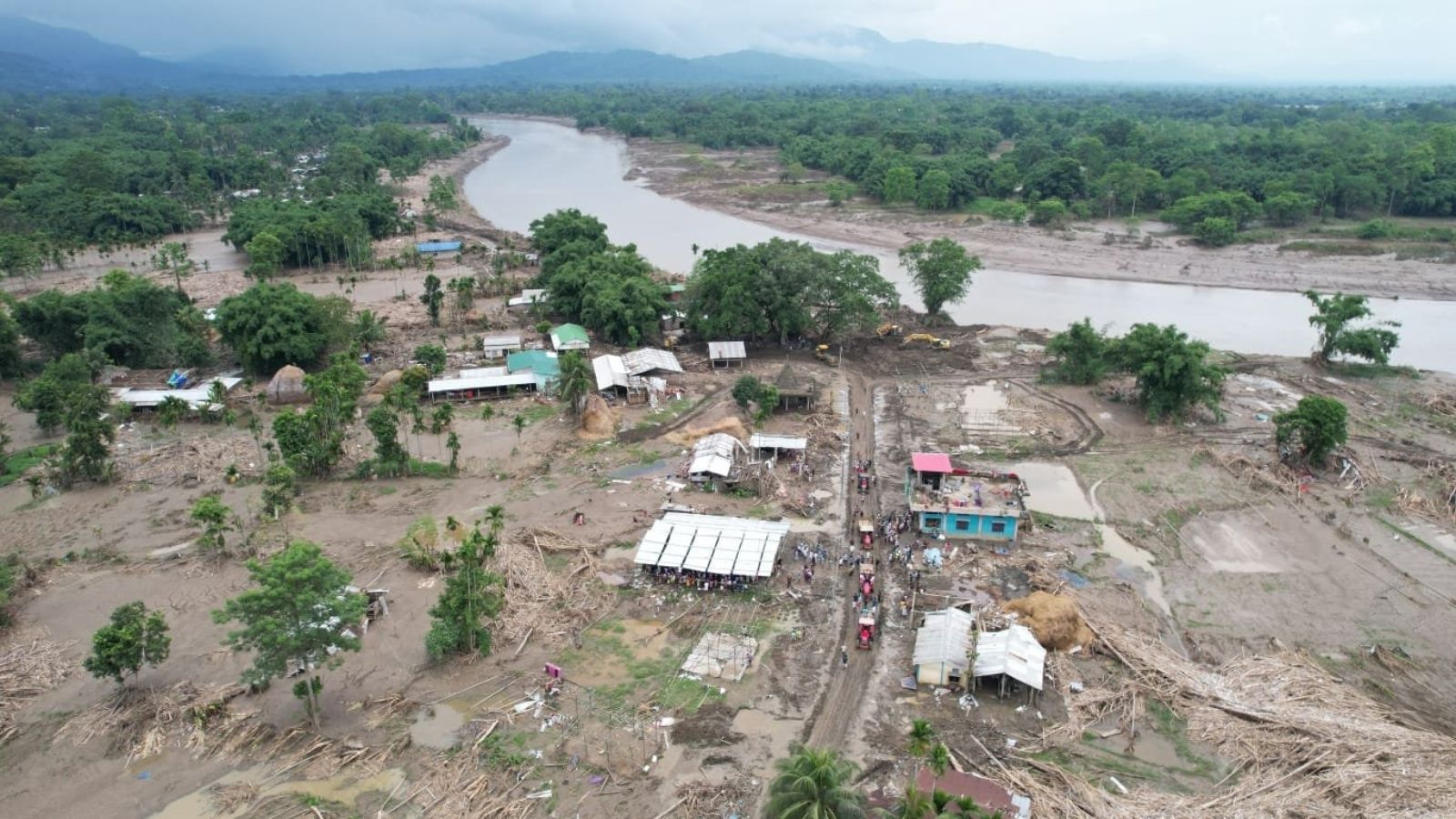
Upper Assam’s July floods struck Sivasagar and Charaideo after repeated heavy rainfall and flash flooding in surrounding hill catchments.
Scientists identified exceptionally intense rainfall as the main driver, while residents and activists also blamed illegal mining, deforestation and poor land-use planning.
The disasters prompted calls for stronger early-warning systems, greater transparency, regional cooperation and a pause on major Himalayan infrastructure projects.
- Who
- Residents and communities in Nepal, Upper Assam, Nagaland and nearby Himalayan regions were affected; rescuers, scientists, officials and relief groups responded.
- What
- Catastrophic flooding, landslides and debris flows caused deaths, destruction and major livelihood losses.
- Where
- The disasters affected the Nepal-Tibet border and India’s Upper Assam, Nagaland and surrounding hill catchments of Arunachal Pradesh.
- When
- The Nepal disaster was reported recently, while the Upper Assam flooding occurred mainly during June to August, with major devastation in the third week of July.
- Why
- The article links the disasters chiefly to extreme rainfall and climate change, with illegal mining, deforestation, altered land use, poor drainage and inadequate flood management worsening the impacts.
Climate and Extreme Rainfall Emphasis
Human Activity and Preparedness Emphasis
Main cause of the Assam flooding
Climate and Extreme Rainfall Emphasis
Scientists and researchers cited exceptionally intense rainfall—nearly 500% above normal—as the key driver, reflecting changing weather patterns and climate change.
Human Activity and Preparedness Emphasis
Villagers, activists and media blamed extensive, allegedly unauthorized mining and decades of coal extraction for damaging the environment and increasing the flooding’s severity.
Reducing future risk
Climate and Extreme Rainfall Emphasis
The disasters demonstrate the need to prepare for more intense rain, storms, floods, landslides and glacier-related events associated with climate change.
Human Activity and Preparedness Emphasis
The article argues that authorities must improve early-warning systems, evacuation plans, flood management, transparency and oversight of infrastructure and land use.
Key facts
- Nepal disaster
- A massive flow of ice water, rock, sand and debris swept through villages, townships, border posts and other areas along the Nepal-Tibet border.
- Upper Assam locations
- Sivasagar and Charaideo experienced severe flooding despite not having a history of flooding.
- Rainfall
- The article says precipitation was nearly 500% above normal during the Assam disaster.
- Flood period
- Repeated heavy to extremely heavy rainfall occurred over two months, between June and August.
- Contributing activities
- Illegal or poorly regulated mining, sand and rock extraction, deforestation, unplanned urbanization and inadequate drainage were cited as worsening flood impacts.
- Recommended response
- The article calls for early-warning systems, public evacuation plans, regional cooperation and scrutiny of major Himalayan infrastructure projects.
Sources
Related news
Assam's July Floods: More Than Just the Brahmaputra

Nepal Flood Exposes Himalayan Risks and Data-Sharing Failures
Why Assam floods every monsoon, what is different this year
Upper Assam's Flood Catastrophe Blamed on River and Mountain Grabbing

Nepal Floods Expose Climate, Geological, and Planning Risks
Assam rebuilds after floods kill 97, displace 12 lakh

Bhotekoshi Flood Crisis: Nepal PM Shah Calls for Courage
Nepal Army Choppers Rescue Flood Victims
China Reopens Tibet Highway as Disaster Search Intensifies
Nepal Floods Expose Growing Risks to Himalayan Hydropower
Nepal-Tibet Floods Leave Four Texans Missing as Relief Drive Grows